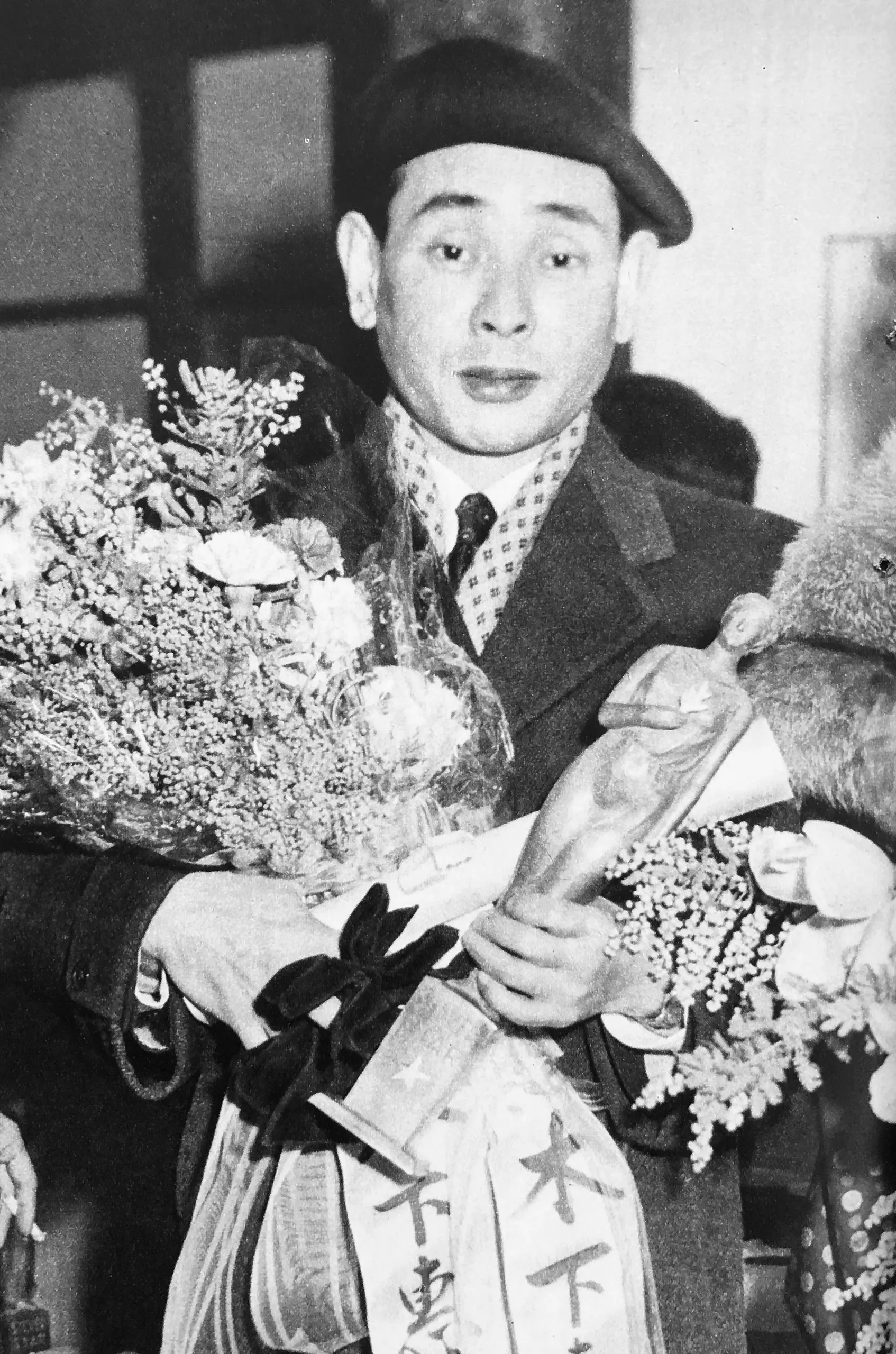
Keisuke Kinoshita
 Japan
Japanfilm director•screenwriter•film producer
วันเกิด
December 5, 1912
ราศี
Sagittarius
สถานที่เกิด
Hamamatsu, Shizuoka Prefecture, Japan
อายุ
เสียชีวิตเมื่ออายุ 86 ปี
ส่วนสูง
5 ft 6 in (168 cm)
เกี่ยวกับ
คิโนชิตะ เคสุเกะ เป็นผู้กำกับภาพยนตร์และนักเขียนบทชาวญี่ปุ่น ซึ่งผลงานของเขาสะท้อนถึงความรู้สึกของผู้ชมในประเทศอย่างลึกซึ้งตั้งแต่ทศวรรษ 1940 จนถึง 1960 แม้จะเป็นที่รู้จักในระดับนานาชาติน้อยกว่าอากิระ คุโรซาวะ หรือยาซูจิโร โอซุ แต่คิโนชิตะก็เป็นชื่อที่คุ้นหูในญี่ปุ่น โดยได้รับการยกย่องในด้านการเล่าเรื่องแบบมนุษยนิยมและความกล้าหาญทางเทคนิค ภาพยนตร์ของเขามักผสมผสานความซาบซึ้งเข้ากับการทดลองทางภาพ ตั้งแต่ภาพยนตร์สีเรื่องแรกของญี่ปุ่นอย่าง Carmen Comes Home (1951) ไปจนถึง The Ballad of Narayama (1958) ที่ได้รับแรงบันดาลใจจากคาบูกิ ผลงานที่ได้รับความรักมากที่สุดของเขาคือ Twenty-Four Eyes (1954) ซึ่งยังคงเป็นรากฐานสำคัญของภาพยนตร์ญี่ปุ่น และได้รับรางวัลลูกโลกทองคำสาขาภาพยนตร์ต่างประเทศยอดเยี่ยม ตลอดอาชีพการงานที่ยาวนานกว่าสี่ทศวรรษ คิโนชิตะกำกับภาพยนตร์ 48 เรื่อง ซึ่งหลายเรื่องยังคงถูกฉายในเทศกาลย้อนหลังและได้รับการบูรณะสำหรับคนรุ่นใหม่ เขาเสียชีวิตในปี 1998 ด้วยวัย 86 ปี ทิ้งมรดกไว้ในฐานะผู้กำกับที่ถ่ายทอดชีวิตทางอารมณ์ของคนญี่ปุ่นธรรมดาด้วยความสง่างามและจริงใจ
ชีวิตช่วงต้นและภูมิหลัง
คิโนชิตะเติบโตในฮามามัตสึ เมืองที่ขึ้นชื่อเรื่องโรงงานทอผ้าและโรงงานเปียโน ซึ่งบิดาของเขาทำร้านขายผ้าสำหรับชุดกิโมโน การเสียชีวิตของบิดาเมื่อคิโนชิตะยังเด็กทำให้ครอบครัวมีฐานะยากจน และมารดาต้องเลี้ยงดูเขาและพี่น้องเพียงลำพัง ประสบการณ์เกี่ยวกับการเสียสละของมารดานี้กลายเป็นธีมที่เกิดขึ้นซ้ำในภาพยนตร์ของเขาในเวลาต่อมา เขาเข้าเรียนที่โรงเรียนมัธยมฮามามัตสึ ซึ่งเขาได้พัฒนาความหลงใหลในภาพยนตร์จากการชมภาพยนตร์ตะวันตกและญี่ปุ่นที่โรงภาพยนตร์ท้องถิ่น หลังจากสำเร็จการศึกษา เขาย้ายไปโตเกียวในปี 1933 และเข้าร่วมกับโชชิคุ หนึ่งในสตูดิโอภาพยนตร์สำคัญของญี่ปุ่น ในตำแหน่งผู้ประมวลผลฟิล์มในแผนกห้องปฏิบัติการ ซึ่งเป็นตำแหน่งต่ำสุดในสายการผลิต แต่คิโนชิตะก็ไต่เต้าขึ้นมาเป็นผู้ช่วยช่างกล้องและผู้ช่วยผู้กำกับ เขาเรียนรู้งานภายใต้ผู้กำกับที่มีชื่อเสียง โดยเฉพาะยาซูจิโร โอซุ และเคอิโกะ คิมูระ ในปี 1943 หลังจากฝึกงานมาทศวรรษ โชชิคุก็เลื่อนตำแหน่งให้เขาเป็นผู้กำกับ และเขากำกับภาพยนตร์เรื่องแรก Port of Flowers ซึ่งเป็นละครแนวมนุษยนิยมที่ตั้งอยู่ในเมืองท่า ภาพยนตร์ประสบความสำเร็จพอสมควรและสร้างชื่อเสียงให้เขาในด้านการเล่าเรื่องที่ rooted ในชีวิตประจำวัน
ความก้าวหน้าในอาชีพ
ความสำเร็จครั้งสำคัญของคิโนชิตะเกิดขึ้นในปี 1951 กับ Carmen Comes Home ภาพยนตร์สีความยาวเรื่องแรกของญี่ปุ่น ซึ่งใช้กระบวนการ Fujicolor แบบทดลอง ภาพยนตร์เป็นละครตลกเกี่ยวกับสาวชนบทที่กลายเป็นนักเต้นระบำเปลื้องผ้าในโตเกียวและกลับมาที่บ้านเกิดในชนบท ซึ่งประสบความสำเร็จทั้งในแง่พาณิชย์และคำวิจารณ์ สามปีต่อมา เขากำกับ Twenty-Four Eyes ภาพยนตร์น้ำตาไหลสุดยิ่งใหญ่ที่ติดตามครูและนักเรียนสิบสองคนของเธอตั้งแต่ปี 1928 ถึงช่วงหลังสงคราม ภาพยนตร์ได้รับรางวัลลูกโลกทองคำสาขาภาพยนตร์ต่างประเทศยอดเยี่ยมและรางวัล Mainichi Film Award สาขาภาพยนตร์ยอดเยี่ยม และยังคงเป็นผลงานที่มีชื่อเสียงที่สุดของเขา ในปี 1958 คิโนชิตะปล่อย The Ballad of Narayama การดัดแปลงเรื่องราวพื้นบ้านอย่างมีสไตล์เกี่ยวกับหญิงชราที่ถูกพาไปยังภูเขาเพื่อตาย ภาพยนตร์ใช้ฉากเทียม ฉากหลังทาสี และแสงไฟบนเวทีที่ได้รับแรงบันดาลใจจากคาบูกิ และได้รับรางวัลลูกโลกทองคำสาขาภาพยนตร์ต่างประเทศยอดเยี่ยมอีกครั้ง ตลอดทศวรรษ 1960 เขายังคงกำกับอย่างมากมาย ด้วยภาพยนตร์เช่น The River Fuefuki (1960) และ The Scent of Incense (1964) ในปี 1967 เขาย้ายไปทำงานทางโทรทัศน์ กำกับละครที่ได้รับการยกย่องหลายเรื่อง ภาพยนตร์เรื่องสุดท้ายของเขาคือภาพยนตร์โทรทัศน์ The River of Life (1986)
ไทม์ไลน์อาชีพ
ภาพลักษณ์สาธารณะและสไตล์
ในญี่ปุ่น คิโนชิตะได้รับการเคารพในฐานะสมบัติของชาติ มักถูกเรียกว่าผู้กำกับของประชาชนเพราะภาพยนตร์ของเขาดึงดูดผู้ชมจำนวนมาก นักวิจารณ์บรรยายสไตล์ของเขาว่าเป็นมนุษยนิยมและซาบซึ้ง โดยมีธีมที่เกิดซ้ำเกี่ยวกับความรักของมารดา ผลกระทบของสงครามต่อคนธรรมดา และการผ่านไปของกาลเวลา เขาเป็นที่รู้จักในด้านการทดลองทางภาพอย่างกล้าหาญ รวมถึงการใช้สี ฉากที่มีสไตล์ และการออกแบบที่ได้รับแรงบันดาลใจจากคาบูกิ นักวิจารณ์ตะวันตกบางครั้งเปรียบเทียบเขากับดักลาส เซิร์กในแนวทางเมโลดราม่า แฟนๆ จัดฉาย Twenty-Four Eyes ประจำปีในวันที่ 3 มีนาคม ซึ่งเป็นวันเด็กผู้หญิงของญี่ปุ่น และเทศกาลย้อนหลังผลงานของเขามักดึงดูดฝูงชนในเทศกาลภาพยนตร์ทั่วโลก การปรากฏตัวบนโซเชียลมีเดียของเขาดูแลโดยกลุ่มแฟนคลับและบัญชีทางการของสตูดิโอโชชิคุ
ชื่อเสียงและแฟนด้อม
Keisuke Kinoshita commands a legacy defined not by the fervor of modern idol worship, but by the enduring reverence of film scholars and cinephiles who study the golden age of Japanese cinema. Unlike contemporary stars with organized fan clubs bearing specific monikers, his audience consists of historians and general enthusiasts who engage with his work through institutional channels like The Criterion Collection and museum retrospectives rather than grassroots campaigns or social media rituals. His cultural footprint remains anchored in the global appreciation for post-war humanism and technical innovation, with commemorative tributes appearing sporadically on significant anniversaries of his birth. While no formal fandom name exists to unify these disparate groups, the collective memory of his films serves as a unifying thread for those dedicated to preserving cinematic history. This quiet, academic devotion stands in stark contrast to the chaotic adoration seen in pop culture, reflecting a relationship built on artistic merit rather than celebrity spectacle. Despite his profound impact on domestic audiences and international recognition from peers like Akira Kurosawa, iFANN's Global Fame Engine has evaluated this person, but they do not currently hold a placement in the published rankings (Global Top 1,000 or a Top-100 scope list). Consequently, no numerical ranking or score is assigned to his current global fame status within the system.
เรื่องน่าสนใจและตำนาน
Keisuke Kinoshita directed Japan's first color film, Carmen Comes Home (1951), utilizing Fujicolor technology that produced such vivid hues it reportedly caused eye strain for some viewers. His 1944 film The Army contained subtle anti-war messages that drew the ire of military censors during production. He served as a mentor to Masaki Kobayashi, who worked under him as an assistant director on The Morning of the Osone Family. Among his own body of work, Kinoshita held She Was Like a Wild Chrysanthemum (1955) as his personal favorite. He consistently turned down offers to direct in Hollywood, preferring to remain at Shochiku studio throughout his career. His final words, according to his wife, expressed a desire to make one more film before passing. A notable piece of industry lore involves Akira Kurosawa naming Kinoshita as his favorite Japanese director, a reflection of his standing among peers. His 1958 adaptation of The Ballad of Narayama sparked intense cultural discourse regarding ancient folklore and social customs, often cited for its kabuki-inspired design and controversial themes. These elements combine to form a legacy where the films themselves are the primary ritual for fans, rather than organized fan events.
คำพูดที่โดดเด่น
“I wanted to make films that would make people cry, but also make them think.”
“The war took everything from us, but it could not take away our humanity.”
“I never wanted to go to Hollywood. My stories are Japanese stories.”
“A film should be like a poem: concise, beautiful, and full of feeling.”
“My mother was the strongest person I ever knew. I put her into every film.”
ครอบครัวและชีวิตส่วนตัว
บิดาของคิโนชิตะเสียชีวิตเมื่อเขายังเด็ก ทำให้มารดาต้องเลี้ยงดูเขาและพี่น้องเพียงลำพัง เขาแต่งงานกับนักแสดงหญิงโยชิโกะ คูกะในปี 1956 ตอนนั้นเธออายุ 25 ปีและเขาอายุ 43 ปี ทั้งคู่ไม่มีบุตร คูกะแสดงในภาพยนตร์หลายเรื่องของเขา รวมถึง The Ballad of Narayama หลังการเสียชีวิตของคิโนชิตะ คูกะกลายเป็นผู้ดูแลมรดกของเขาหลัก ดูแลการบูรณะและเทศกาลภาพยนตร์ เธอได้ให้สัมภาษณ์เกี่ยวกับความทุ่มเทในงานของเขาและชีวิตครอบครัวที่เงียบสงบในโตเกียว
ความเชื่อมโยงที่โดดเด่น
คิโนชิตะทำงานอย่างใกล้ชิดกับนักแสดงหญิงฮิเดโกะ ทาคามิเนะ ซึ่งแสดงในภาพยนตร์หลายเรื่องของเขา รวมถึง Twenty-Four Eyes และ She Was Like a Wild Chrysanthemum เขายังร่วมงานกับนักแต่งเพลงชูจิ คิโนชิตะ (ไม่ใช่ญาติ) และนักเขียนบทโคโงะ โนดะ ในฐานะที่ปรึกษา เขามีอิทธิพลต่อผู้กำกับมาซากิ โคบายาชิ ซึ่งเริ่มต้นอาชีพในฐานะผู้ช่วยผู้กำกับของคิโนชิตะ
ความสัมพันธ์และประวัติการคบหา
Kinoshita แต่งงานกับนักแสดงสาว Yoshiko Kuga ในปี 1956 ทั้งคู่พบกันเมื่อ Kuga ได้รับคัดเลือกให้แสดงในภาพยนตร์ของเขาเรื่อง The Ballad of Narayama (1958) แม้ว่าพวกเขาจะแต่งงานกันสองปีก่อนที่ภาพยนตร์จะออกฉาย Kuga อายุ 25 ปี ส่วน Kinoshita อายุ 43 ปี ทั้งคู่ไม่มีบุตรและแต่งงานกันจนกระทั่ง Kinoshita เสียชีวิตในปี 1998 ต่อมา Kuga บรรยายว่าเขาเป็นสามีที่ทุ่มเทซึ่งให้ความสำคัญกับงานแต่ก็มีความรักใคร่ลึกซึ้ง หลังจากที่เขาเสียชีวิต เธอกลายเป็นผู้ดูแลมรดกทางศิลปะของเขาหลัก ไม่มีความสัมพันธ์โรแมนติกอื่นใดที่ได้รับการบันทึกในแหล่งข้อมูลที่เชื่อถือได้
- แต่งงานแล้วYoshiko Kuga1956 - 1998พบกันเมื่อ Kuga ได้รับคัดเลือกให้แสดงใน The Ballad of Narayama; แต่งงานกันจนกระทั่ง Kinoshita เสียชีวิต
การเสียชีวิตและผลที่ตามมา
เสียชีวิต
December 30, 1998 (อายุ 86 ปี)
สถานที่เสียชีวิต
ไม่ทราบ
สาเหตุการเสียชีวิต
ไม่ทราบ
The Cannes Film Festival honored the late director by selecting The Ballad of Narayama for its Cannes Classics program in 2012, a retrospective gesture acknowledging his contribution to cinema long after his passing. The Criterion Collection further sustained this appreciation with an Eclipse Series dedicated to Kinoshita and World War II in 2014, while a comprehensive critical volume titled The Cinema of Kinoshita Keisuke: Films of Joy and Sorrow appeared in August 2025. A biographical film named Dawn of a Filmmaker: The Keisuke Kinoshita Story, starring Ryo Kase and directed by Keiichi Hara, served as a major cultural commemoration during the early 2010s. These posthumous releases maintained the visibility of his fifty feature films, which spanned from 1943 to 1988, ensuring his legacy remained active within global archives.
Keisuke Kinoshita passed away on December 30, 1998, at the age of eighty-six. Available records do not specify the exact location where he died, nor do they provide an official statement regarding the cause of death or details concerning his final days. His widow, actress Yoshiko Kuga, managed the estate following his death, overseeing restorations and film festivals while preserving their quiet domestic history in Tokyo., institutions continued to recognize his work through curated screenings and publications. The Keisuke Kinoshita Memorial Museum in Hamamatsu City stands as a physical tribute to his life, though the specific arrangements of his funeral, including whether it was held there or how his remains were interred, remain unrecorded in the historical data.
มูลค่าทรัพย์สิน (มูลค่ามรดก)
$5.5 Million
การประเมินโดยทีมบรรณาธิการ iFANN
Per iFANN's editorial analysis, the estate of Keisuke Kinoshita is valued at $5.5 Million as of 2026. During his lifetime, Kinoshita earned a salary as a contract director at Shochiku, estimated at ¥1-2 million per film in the 1950s and 1960s. After his death, his widow Yoshiko Kuga managed the estate, which generates revenue from film restorations, DVD and Blu-ray sales by distributors such as the Criterion Collection, television broadcasts in Japan, and screening fees from film festival retrospectives. A major retrospective at the Museum of Modern Art in New York in 2023 and ongoing restorations by Shochiku and the National Film Archive of Japan have boosted licensing income. The estate does not include significant real estate or business ventures, as Kinoshita focused entirely on his film career.
รางวัลที่ได้รับ (18)
Kinoshita ได้รับรางวัลลูกโลกทองคำสองรางวัลสาขาภาพยนตร์ต่างประเทศยอดเยี่ยม สำหรับ Twenty-Four Eyes (1955) และ The Ballad of Narayama (1959) เขายังได้รับรางวัล Mainichi Film Awards หลายรางวัล รวมถึงสาขาภาพยนตร์ยอดเยี่ยมและผู้กำกับยอดเยี่ยม สำหรับ The Morning of the Osone Family, Twenty-Four Eyes, She Was Like a Wild Chrysanthemum และ The Ballad of Narayama เขาได้รับรางวัล Blue Ribbon Awards สาขาภาพยนตร์ยอดเยี่ยมและผู้กำกับยอดเยี่ยมสำหรับทั้ง Twenty-Four Eyes และ The Ballad of Narayama
1959 · ภาพยนตร์ต่างประเทศยอดเยี่ยม
The Ballad of Narayama
1955 · ภาพยนตร์ต่างประเทศยอดเยี่ยม
Twenty-Four Eyes
1958 · ภาพยนตร์ยอดเยี่ยม
The Ballad of Narayama
1958 · ผู้กำกับยอดเยี่ยม
The Ballad of Narayama
1955 · ภาพยนตร์ยอดเยี่ยม
She Was Like a Wild Chrysanthemum
1955 · ผู้กำกับยอดเยี่ยม
She Was Like a Wild Chrysanthemum
1954 · ภาพยนตร์ยอดเยี่ยม
Twenty-Four Eyes
1954 · ผู้กำกับยอดเยี่ยม
Twenty-Four Eyes
1951 · ผู้กำกับยอดเยี่ยม
Carmen Comes Home
1947 · ภาพยนตร์ยอดเยี่ยม
The Morning of the Osone Family
เป็นที่รู้จักจาก
Twenty-Four Eyes
1954 · ผู้กำกับ
The Ballad of Narayama
1958 · ผู้กำกับ
Carmen Comes Home
1951 · ผู้กำกับ
She Was Like a Wild Chrysanthemum
1955 · ผู้กำกับ
A Japanese Tragedy
1953 · ผู้กำกับ
คำสำคัญ
ข้อมูลโดยย่อ
- อาชีพ
- film director, screenwriter, film producer
- เกิด
- December 5, 1912
- สถานที่เกิด
- Hamamatsu, Shizuoka, Japan
- เสียชีวิต
- December 30, 1998
- สถานที่เสียชีวิต
- Tokyo, Japan
- เพศ
- ชาย
- ราศี
- Sagittarius
- ส่วนสูง
- 5 ft 6 in (168 cm)
- คู่สมรส
- Yoshiko Kuga (m. 1956)
- Children
- None
- Education
- Hamamatsu Middle School
ข้อมูลส่วนตัว
- ชื่อเต็ม
- Keisuke Kinoshita
- ส่วนสูง
- 5 ft 6 in (168 cm)
- คู่สมรส
- Yoshiko Kuga
- การศึกษา
- Hamamatsu Middle School
ผลงานภาพยนตร์
48
รวม
43
ภาพยนตร์
5
ทีวี
คำถามที่พบบ่อย
Keisuke Kinoshita เสียชีวิตเมื่ออายุเท่าไหร่?
Keisuke Kinoshita มีชื่อเสียงที่สุดจากอะไร?
Keisuke Kinoshita ได้รับรางวัลใด ๆ หรือไม่?
Keisuke Kinoshita แต่งงานหรือไม่?
Keisuke Kinoshita กำกับภาพยนตร์กี่เรื่อง?
โซเชียลมีเดีย
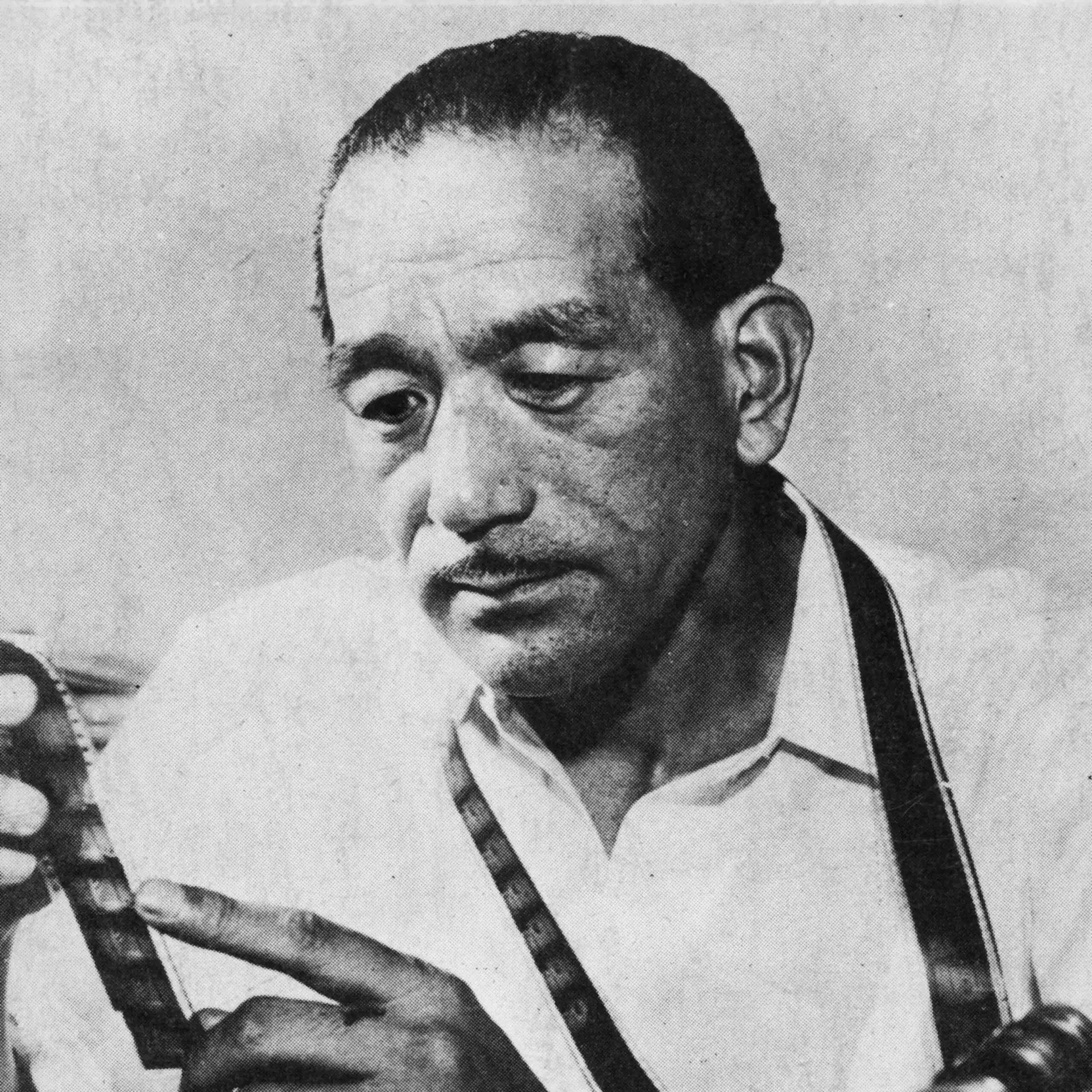
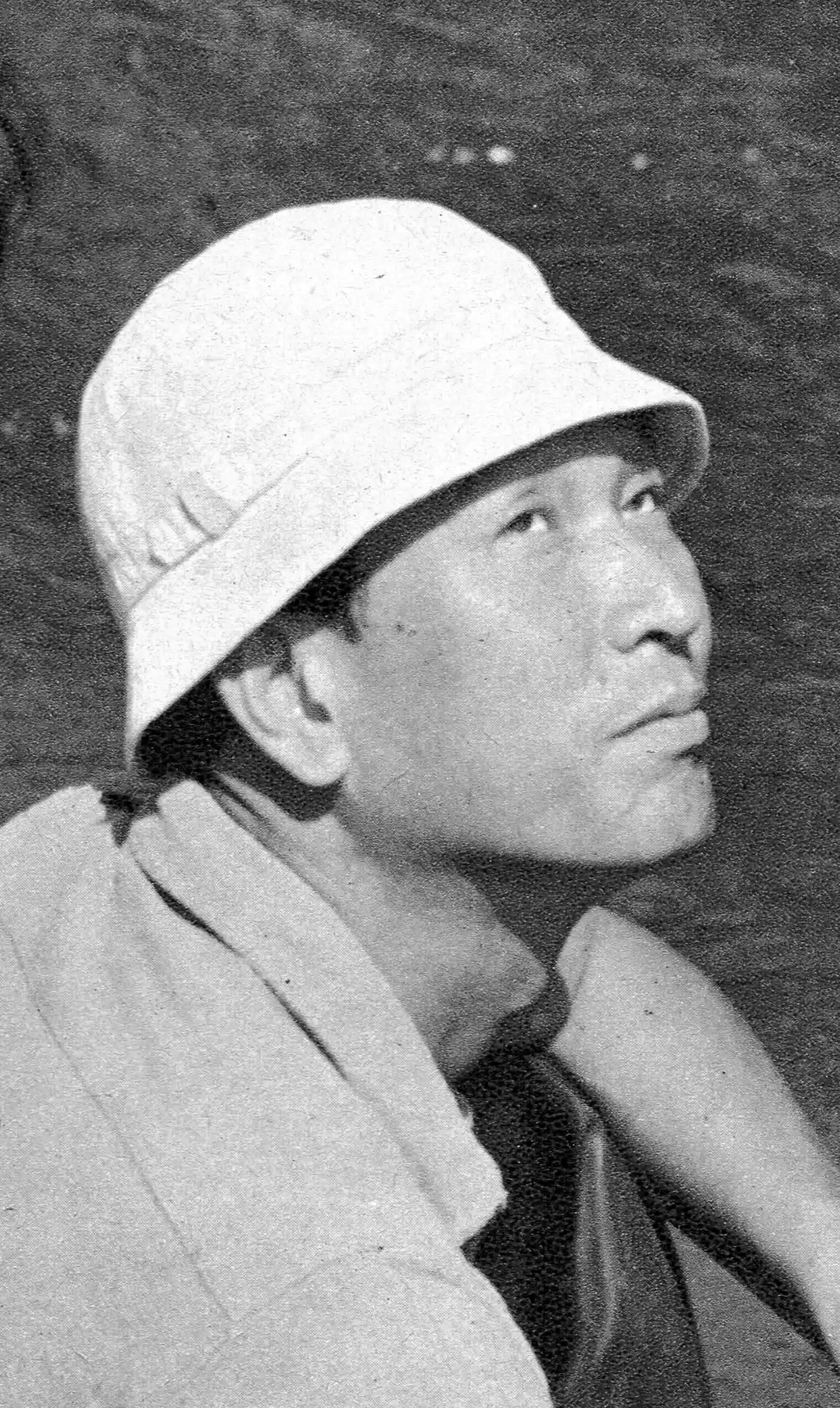
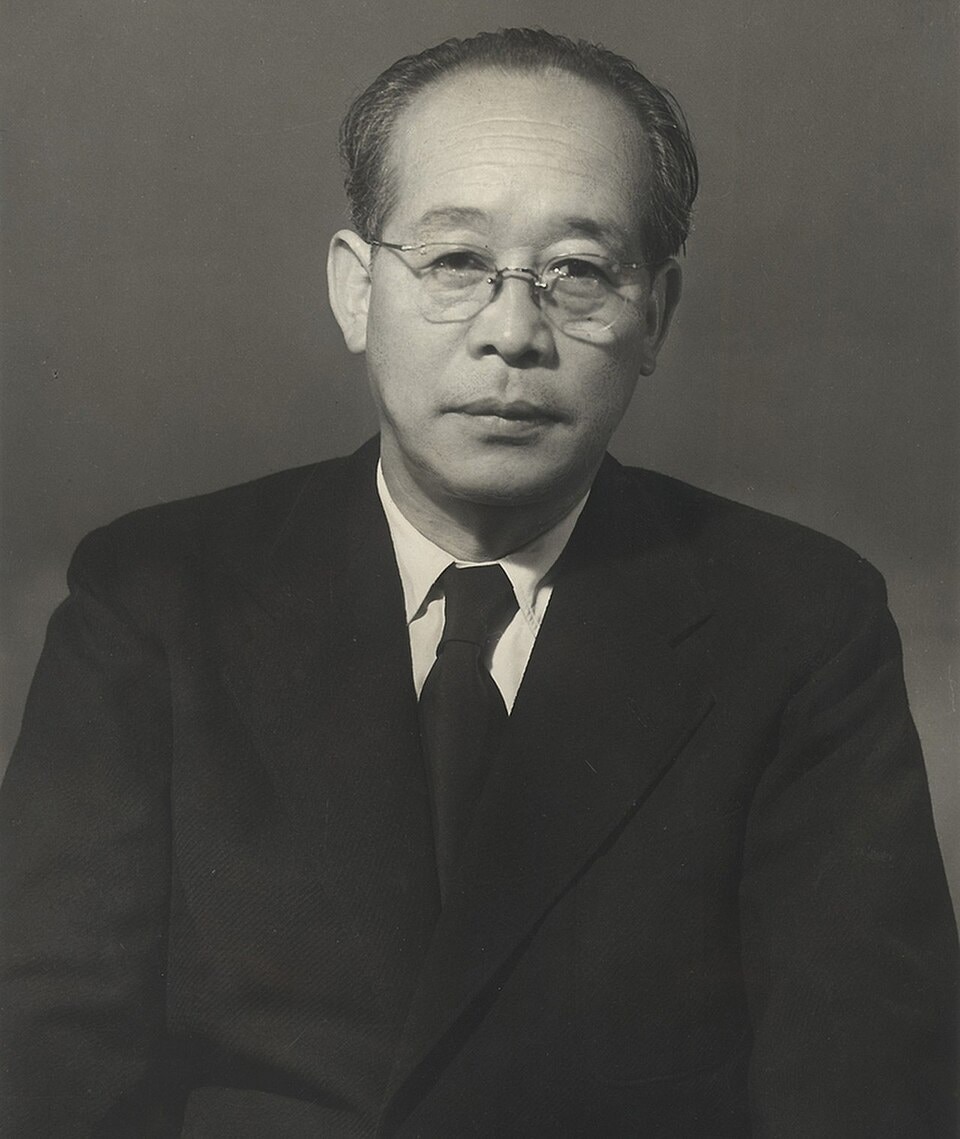
เข้าร่วมชุมชน
แฟนกำลังพูดคุย