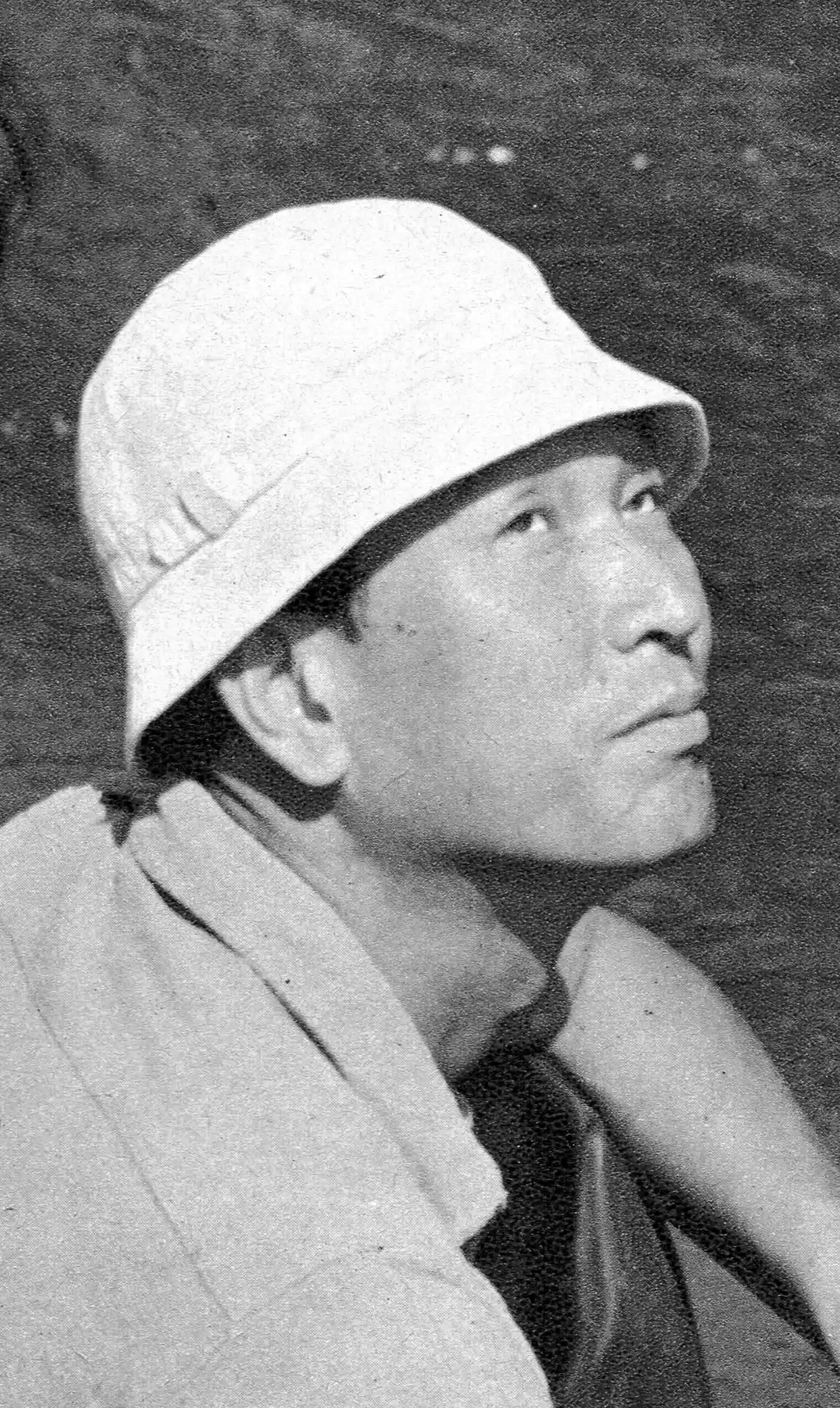
Akira Kurosawa
 Japan
Japanfilm director•screenwriter•producer
วันเกิด
March 23, 1910
ราศี
Aries
สถานที่เกิด
Ōi, Tokyo, Japan
อายุ
เสียชีวิตเมื่ออายุ 88 ปี
ส่วนสูง
5 ft 11 in (180 cm)
เกี่ยวกับ
Akira Kurosawa was a Japanese film director, screenwriter, and producer who reshaped world cinema with his bold visual style and deep humanism. Over six decades, he directed 30 feature films, often serving as his own editor and producer, collaborating closely with cinematographers to achieve strikingly composed frames. His work bridged Eastern and Western storytelling, drawing from Shakespeare, American westerns, and Japanese Noh theater to create timeless epics.
Kurosawa's films are celebrated for their dynamic camera movement, meticulous staging, and moral complexity. He is best known for masterpieces like Seven Samurai, Rashomon, Ikiru, and Ran. Rashomon won the Golden Lion at Venice in 1951, introducing Japanese cinema to global audiences. Seven Samurai redefined action filmmaking and influenced countless directors. His work continues to be studied and revered, with a dedicated fanbase that spans generations.
Kurosawa received an Academy Honorary Award in 1990 for lifetime achievement, and his film Dersu Uzala won the Oscar for Best Foreign Language Film in 1976. He is often called "The Emperor of Cinema" for his authoritative style and enduring influence on filmmakers like George Lucas, Francis Ford Coppola, and Steven Spielberg.
ชีวิตช่วงต้นและภูมิหลัง
คุโรซาว่าเป็นบุตรคนสุดท้องในจำนวนพี่น้องแปดคนของอิซามุ คุโรซาว่า อดีตนายทหารที่ผันตัวมาเป็นครูพลศึกษา และชิมะ คุโรซาว่า แม่บ้าน ครอบครัวมีเชื้อสายซามูไรและอาศัยอยู่ในโออิ ชานเมืองโตเกียว พ่อของเขาเคร่งครัดแต่สนับสนุนให้สัมผัสทั้งศิลปะญี่ปุ่นดั้งเดิมและภาพยนตร์ตะวันตก พี่ชายเฮโงะทำงานเป็นผู้บรรยายภาพยนตร์เงียบและแนะนำอากิระวัยเยาว์ให้รู้จักภาพยนตร์และวรรณกรรม การฆ่าตัวตายของเฮโงะในปี 1933 เมื่ออากิระอายุ 23 ปี เป็นการสูญเสียครั้งใหญ่ที่ผลักดันให้เขาเลือกเส้นทางอาชีพที่มั่นคงมากขึ้น
คุโรซาว่าเข้าเรียนในโรงเรียนประถมแนวหน้าที่ได้รับอิทธิพลจากขบวนการประชาธิปไตยไทโช ซึ่งเขาได้สัมผัสศิลปะและวรรณกรรมตะวันตก เขาจบการศึกษาจากโรงเรียนมัธยมเคกะในปี 1927 จากนั้นเรียนจิตรกรรมที่โรงเรียนจิตรกรรมตะวันตกโดชูชะในโตเกียว แต่เขาประสบปัญหาในการหาเลี้ยงชีพด้วยการเป็นจิตรกร จึงต้องทำงานจิปาถะ ความหลงใหลในทัศนศิลป์ วรรณกรรม และภาพยนตร์ของเขาเพิ่มขึ้น เขาได้รับอิทธิพลเป็นพิเศษจาก Fyodor Dostoevsky, Leo Tolstoy และภาพยนตร์เงียบของ John Ford
ในปี 1936 คุโรซาว่าสมัครงานตามประกาศในหนังสือพิมพ์สำหรับตำแหน่งผู้ช่วยผู้กำกับที่ PCL (Photo Chemical Laboratories) สตูดิโอที่ต่อมากลายเป็น Toho เขาได้รับการว่าจ้างและทำงานภายใต้ผู้กำกับคาจิโร ยามาโมโตะ เรียนรู้ทุกแง่มุมของการสร้างภาพยนตร์ตั้งแต่การเขียนบทจนถึงการตัดต่อ เขาเขียนบทภาพยนตร์เป็นงานเสริม บทภาพยนตร์เรื่อง 《The Legend of the Great Buddha》 (1938) ของเขาสร้างความประทับใจให้ยามาโมโตะ เขายังเขียนบทภาพยนตร์เรื่อง 《The Horse》 (1941) ซึ่งได้รับการตอบรับดี ภายในปี 1943 เขาก็พร้อมที่จะกำกับภาพยนตร์สารคดีเรื่องแรก 《Sanshiro Sugata》 ละครศิลปะการต่อสู้ที่จุดเริ่มต้นอาชีพของเขา
ความก้าวหน้าในอาชีพ
ผลงานกำกับเรื่องแรกของคุโรซาว่าคือ 《Sanshiro Sugata》 (1943) แต่ความสำเร็จครั้งสำคัญครั้งแรกของเขามาพร้อมกับ Drunken Angel (1948) ซึ่งแนะนำนักแสดง Toshiro Mifune ทั้งสองร่วมงานกัน 16 เรื่องในช่วงสองทศวรรษต่อมา ความก้าวหน้าในระดับนานาชาติมาถึงด้วย 《Rashomon》 (1950) ซึ่งคว้ารางวัลสิงโตทองคำจากเทศกาลภาพยนตร์เวนิส และเปิดตลาดตะวันตกให้กับภาพยนตร์ญี่ปุ่น คุโรซาว่าตามมาด้วยผลงานชิ้นเอกอีกชุด: Ikiru (1952) การครุ่นคิดเกี่ยวกับความตายที่คว้ารางวัลหมีเงินจากเบอร์ลิน; Seven Samurai (1954) มหากาพย์ที่กลายเป็นภาพยนตร์ทำเงินทั่วโลกและมีอิทธิพลต่อการสร้างภาพยนตร์แอ็กชันทั่วโลก; Throne of Blood (1957) การดัดแปลงซามูไรจากเรื่อง 《Macbeth》 ของเชกสเปียร์; Yojimbo (1961) ซึ่งเป็นแรงบันดาลใจให้ Sergio Leone สร้าง 《A Fistful of Dollars》; และ High and Low (1963) ภาพยนตร์อาชญากรรมระทึกขวัญที่ตึงเครียด
ทศวรรษ 1970 เป็นช่วงเวลาที่ยากลำบาก ภาพยนตร์สีเรื่องแรกของเขา 《Dodes'ka-den》 (1970) ประสบความล้มเหลวทางการค้า และคุโรซาว่าพยายามฆ่าตัวตายในปี 1971 เขาฟื้นตัวและสร้าง 《Dersu Uzala》 (1975) ผลงานร่วมทุนระหว่างโซเวียต-ญี่ปุ่นที่คว้ารางวัลออสการ์สาขาภาพยนตร์ภาษาต่างประเทศยอดเยี่ยม ช่วงปีหลังๆ เขากลับมาอีกครั้งด้วย Kagemusha (1980) ซึ่งคว้ารางวัลปาล์มทองคำจากเมืองคานส์ และ Ran (1985) มหากาพย์เชกสเปียร์ที่ทำให้เขาได้รับการเสนอชื่อเข้าชิงรางวัลออสการ์สาขาผู้กำกับยอดเยี่ยม เขายังคงทำงานต่อในทศวรรษ 1990 โดยกำกับ 《Dreams》 (1990), 《Rhapsody in August》 (1991) และภาพยนตร์เรื่องสุดท้ายของเขา 《Madadayo》 (1993)
ไทม์ไลน์อาชีพ
ภาพลักษณ์สาธารณะและสไตล์
คุโรซาวะมักถูกเรียกว่า "จักรพรรดิแห่งภาพยนตร์" เนื่องจากสไตล์ที่ทรงอำนาจและอิทธิพลมหาศาล เอกลักษณ์ทางสุนทรียะของเขา ได้แก่ การเคลื่อนกล้องที่พลิกแพลง องค์ประกอบภาพที่พิถีพิถัน และการใช้สภาพอากาศ เช่น ฝน ลม หิมะ เพื่อสร้างอารมณ์ที่เข้มข้น ภาพยนตร์ของเขาสำรวจหัวข้อเรื่องเกียรติยศ ความตาย และความยุติธรรมทางสังคม ผสมผสานประเพณีญี่ปุ่นเข้ากับการเล่าเรื่องแบบตะวันตก แฟนๆ ซึ่งบางครั้งเรียกว่า "Kurosawa-ites" มีบทบาทบนแพลตฟอร์มต่างๆ เช่น Reddit (r/kurosawa) และฟอรัม Criterion การฉายภาพยนตร์ Seven Samurai ทุกปีในวันออกฉาย (26 เมษายน) เป็นเรื่องปกติ และเทศกาลภาพยนตร์มักจัดมาราธอนภาพยนตร์ของคุโรซาวะ บัญชีโซเชียลมีเดียของกองมรดกโพสต์ภาพจากคลังเก็บ การอัปเดตการบูรณะ และคำคม เพื่อรักษามรดกของเขาให้คงอยู่สำหรับคนรุ่นใหม่
ชื่อเสียงและแฟนด้อม
Akira Kurosawa remains a towering figure in global cinema, his influence stretching far beyond the borders of Japan. In August 2026, the iFANN Global Fame Rankings place him as the 30th most famous person in Japan, a standing he has held steady through multiple cycles. His reach extends across the continent, where he is ranked as the 5th most famous person from Japan and the 18th most famous person in East Asia. These placements reflect a legacy built on decades of masterful storytelling that continues to resonate with new generations. The rankings track global attention across media coverage, search trends, and consumption patterns worldwide, confirming his enduring relevance despite his passing. Unlike modern pop icons who cultivate specific fan groups with branded names, Kurosawa's audience operates as a dispersed network of cinephiles, scholars, and film enthusiasts. There is no formal organization or unified title for his followers; instead, reverence flows through academic circles, preservation societies like The Criterion Collection, and international film festivals. Fans often gather to screen his work at midnight showings or discuss his moral complexities in online forums, but these interactions remain organic rather than orchestrated campaigns. His reclusive nature during his lifetime meant he never engaged directly with crowds, preferring to let his films speak. Today, his grave in Kamakura serves as a quiet pilgrimage site for those seeking to connect with the man behind the camera, while contemporary directors continue to cite his techniques as foundational to their own craft.
เรื่องน่าสนใจและตำนาน
Kurosawa was an avid painter who storyboarded many of his films in watercolor, particularly Ran and Kagemusha. He attempted suicide on December 22, 1971, following the commercial failure of Dodes'ka-den and financial struggles. A devoted fan of American Westerns, he modeled Seven Samurai after John Ford's Stagecoach. Though he directed only one film in English, Tora! Tora! Tora!, creative differences led to his firing from the project. A heavy smoker who drank whiskey regularly, he maintained a disciplined work schedule while demanding multiple takes for perfection. His favorite film was Ikiru, which he considered his most personal work.
Cultural lore surrounds his status as the first Japanese director to achieve international recognition after Rashomon won the Grand Prix at the Venice Film Festival. This moment introduced Japanese cinema to the West and cemented his global reputation. Stories also celebrate Seven Samurai as the best action movie of all time, inspiring classics like The Magnificent Seven. Fans still retell tales of his innate understanding of movement, blending ancient traditions with a distinctly modern twist across six decades of filmmaking.
คำพูดที่โดดเด่น
“To be an artist means never to avert one's eyes.”
“The worst thing about being a director is that you have to be a leader. I'm not a leader.”
“Man is a genius when he is dreaming.”
“In a mad world, only the mad are sane.”
“I like to make films that are entertaining and have something to say.”
“The human heart is the same everywhere.”
ครอบครัวและชีวิตส่วนตัว
คุโรซาว่าแต่งงานกับนักแสดงหญิงโยโกะ ยากุจิในปี 1945 ทั้งคู่พบกันในกองถ่าย 《The Most Beautiful》 (1944) ซึ่งเธอแสดงนำและเขากำกับ การแต่งงานดำเนินไปจนกระทั่งเธอเสียชีวิตด้วยโรคหลอดเลือดสมองเมื่อวันที่ 1 กุมภาพันธ์ 1985 ทั้งคู่มีบุตรสามคน: ลูกชายฮิซาโอะ (เกิดปี 1945) ซึ่งกลายเป็นโปรดิวเซอร์ภาพยนตร์และจัดการมรดกของบิดาจนกระทั่งเสียชีวิตในปี 2022; ลูกสาวคาซูโกะ (เกิดปี 1947); และลูกสาวเทรูโยะ (เกิดปี 1955) ซึ่งทำงานเป็นนักออกแบบเครื่องแต่งกาย พ่อแม่ของคุโรซาว่า อิซามุและชิมะ เลี้ยงดูเขาในบ้านที่อุดมไปด้วยวัฒนธรรม และพี่ชายเฮโงะเป็นผู้มีอิทธิพลสำคัญก่อนที่เขาจะฆ่าตัวตาย คุโรซาว่าอยู่เป็นม่ายหลังจากยากุจิเสียชีวิตและไม่เคยแต่งงานอีก
ความเชื่อมโยงที่โดดเด่น
คุโรซาวะมีความสัมพันธ์ใกล้ชิดกับนักแสดง Toshiro Mifune ซึ่งแสดงในภาพยนตร์ 16 เรื่องของเขา รวมถึง Seven Samurai, Yojimbo และ Rashomon เขายังร่วมงานบ่อยครั้งกับนักเขียนบท Shinobu Hashimoto, นักแต่งเพลง Fumio Hayasaka และผู้กำกับภาพ Kazuo Miyagawa ผู้กำกับชาวตะวันตกอย่าง George Lucas, Francis Ford Coppola และ Steven Spielberg ต่างยกย่องเขาเป็นแรงบันดาลใจสำคัญ Star Wars ของ Lucas ได้รับแรงบันดาลใจจาก The Hidden Fortress และ Coppola ช่วยโปรดิวซ์ Kagemusha
ความสัมพันธ์และประวัติการคบหา
คุโรซาวะแต่งงานกับนักแสดงสาว Yōko Yaguchi ในปี 1945 พบกันในกองถ่าย The Most Beautiful (1944) ซึ่งเธอแสดงและเขากำกับ การแต่งงานดำเนินไปจนกระทั่งเธอเสียชีวิตด้วยโรคหลอดเลือดสมองเมื่อวันที่ 1 กุมภาพันธ์ 1985 ทั้งคู่มีลูกด้วยกันสามคน: Hisao, Kazuko และ Teruyo ความสัมพันธ์ค่อนข้างมั่นคงและเกื้อกูลกัน โดย Yaguchi ดูแลกิจการในบ้านในขณะที่คุโรซาวะทำงาน ไม่มีรายงานที่น่าเชื่อถือเกี่ยวกับความสัมพันธ์อื่นหรือเรื่องชู้สาว คุโรซาวะเป็นม่ายหลังจาก Yaguchi เสียชีวิตและไม่ได้แต่งงานใหม่ ณ ปี 2026 เขาเสียชีวิตแล้ว
- แต่งงานแล้วYōko Yaguchi1945 - 1985แต่งงานจนกระทั่งเธอเสียชีวิต มีลูกสามคน
การเสียชีวิตและผลที่ตามมา
เสียชีวิต
September 6, 1998 (อายุ 88 ปี)
สถานที่เสียชีวิต
Tokyo, Japan
สาเหตุการเสียชีวิต
Cerebral hemorrhage
The family of Akira Kurosawa confirmed his passing at St. Luke's International Hospital in Tokyo on September 6, 1998, following a cerebral hemorrhage that struck earlier that day while he rested at home. Tributes poured in immediately from global institutions, with the Academy of Motion Picture Arts and Sciences observing a moment of silence during its annual gala and the Japanese government issuing an official statement honoring his contributions to cinema. Fans gathered in Tokyo, Los Angeles, and London for vigils, while sales of titles like Seven Samurai and Rashomon surged as theaters worldwide organized memorial screenings. A private funeral ceremony took place four days later at Tama Cemetery in Fuchu, attended by close family and select colleagues including Martin Scorsese and Francis Ford Coppola, who sent condolences but could not travel. He was cremated and interred there, adhering to his wish for a quiet farewell. Posthumous efforts to preserve his legacy continue through the Akira Kurosawa Foundation, which supports emerging filmmakers.
มูลค่าทรัพย์สิน (มูลค่ามรดก)
$6 Million
การประเมินโดยทีมบรรณาธิการ iFANN
Per iFANN's editorial analysis, Akira Kurosawa's estate is valued at $6 Million as of 2026. The bulk of this wealth originates from ongoing royalties and licensing fees generated by his extensive filmography. His works are frequently re-released in high-definition restorations by the Criterion Collection, creating steady revenue streams from home video and streaming platforms. The estate also profits from licensing stories for remakes, including The Magnificent Seven based on Seven Samurai and A Fistful of Dollars based on Yojimbo. Limited-edition merchandise, poster sales, and documentary projects contribute additional income. Kurosawa owned a residence in Setagaya, Tokyo, which remains part of the estate assets. Since his death in 1998, the estate has earned an estimated $2–3 million from posthumous releases and deals, with the total value growing as new generations discover his work.
รางวัลที่ได้รับ (50)
คุโรซาวะได้รับรางวัลเกียรติยศออสการ์ในปี 1990 สำหรับความสำเร็จตลอดชีวิต และภาพยนตร์ของเขาเรื่อง เดอร์ซู อูซาลา ได้รับรางวัลออสการ์สาขาภาพยนตร์ภาษาต่างประเทศยอดเยี่ยมในปี 1976 เขาได้รับรางวัลสิงโตทองคำจากเวนิสสำหรับ ราชาโมน (1951) รางวัลสิงโตเงินสำหรับ เซเวนซามูไร (1954) รางวัลปาล์มทองคำจากเมืองคานส์สำหรับ คาเงมูชา (1980) และรางวัล BAFTA สาขาผู้กำกับยอดเยี่ยมสำหรับ รัน (1986) เขายังได้รับรางวัลเจแปนอะคาเดมีอวอร์ดหลายครั้งและรางวัลพรีเมียมอิมพีเรียล
1976 · ภาพยนตร์ภาษาต่างประเทศยอดเยี่ยม
Dersu Uzala
1986 · การกำกับยอดเยี่ยม
Ran
เป็นที่รู้จักจาก
Seven Samurai
1954 · Director, Writer, Editor
Rashomon
1950 · Director, Writer
Ikiru
1952 · Director, Writer
Ran
1985 · Director, Writer, Editor
Yojimbo
1961 · Director, Writer
Throne of Blood
1957 · Director, Writer
คำสำคัญ
ข้อมูลโดยย่อ
- อาชีพ
- film director, screenwriter, producer
- เกิด
- +1910-03-23
- สถานที่เกิด
- Ōi, Tokyo, Japan
- เสียชีวิต
- +1998-09-06
- สถานที่เสียชีวิต
- Seijō, Tokyo, Japan
- เพศ
- ชาย
- คู่สมรส
- Yōko Yaguchi
- ราศี
- Aries
ข้อมูลส่วนตัว
- ชื่อเต็ม
- Akira Kurosawa
- ส่วนสูง
- 5 ft 11 in (180 cm)
- คู่สมรส
- Yōko Yaguchi
- บุตร
- Hisao Kurosawa, Kazuko Kurosawa, Teruyo Kurosawa
- การศึกษา
- Keika Middle School; Doshusha School of Western Painting
ผลงานภาพยนตร์
30
รวม
30
ภาพยนตร์
0
ทีวี
คำถามที่พบบ่อย
Akira Kurosawa เสียชีวิตเมื่ออายุเท่าไหร่?
มูลค่าทรัพย์สินของ Akira Kurosawa ในปี 2026 เป็นเท่าไหร่?
อากิระ คุโรซาวะมีชื่อเสียงมากที่สุดจากอะไร?
อากิระ คุโรซาวะได้รับรางวัลออสการ์หรือไม่?
อากิระ คุโรซาวะแต่งงานกับใคร?
โซเชียลมีเดีย
เข้าร่วมชุมชน
แฟนกำลังพูดคุย