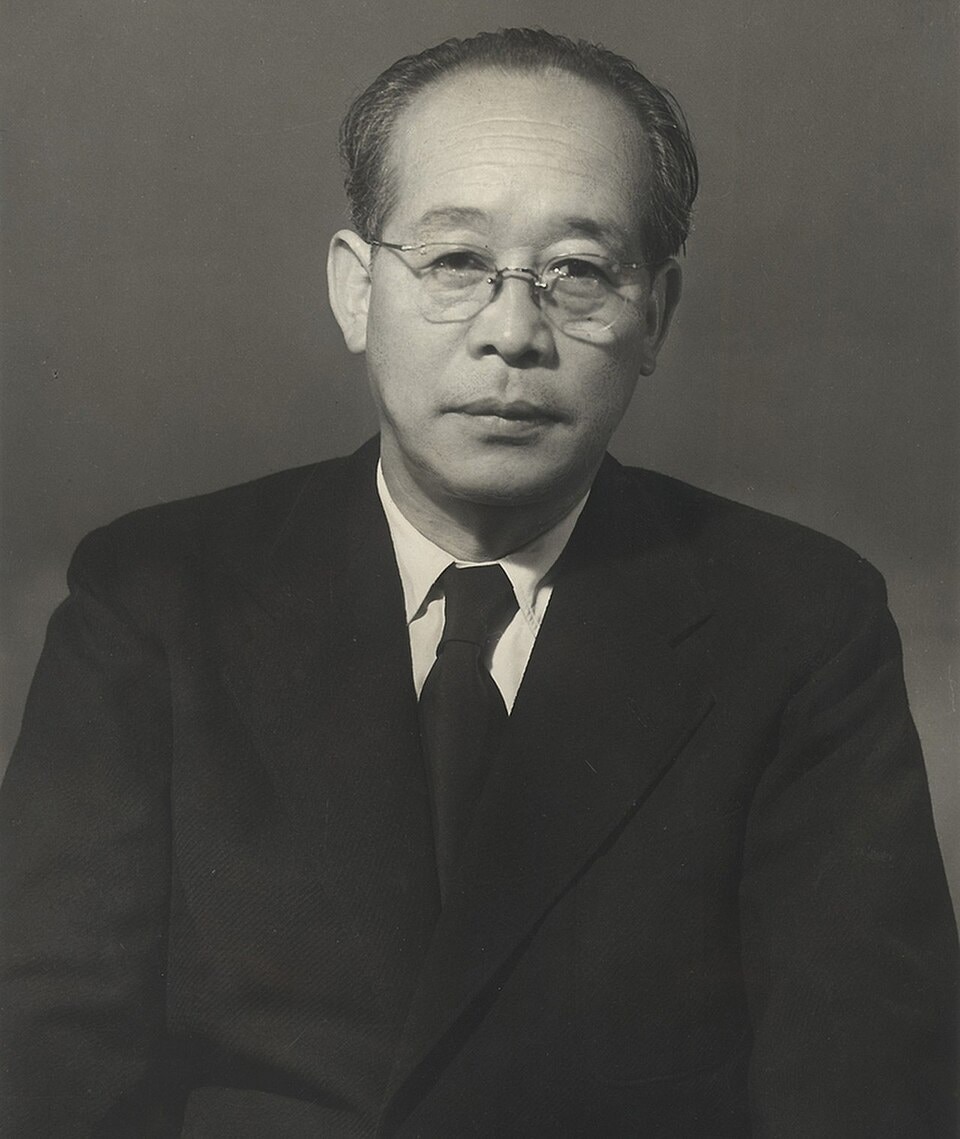
Kenji Mizoguchi
 Japan
Japanวันเกิด
May 16, 1898
ราศี
Taurus
สถานที่เกิด
Tokyo, Japan
อายุ
เสียชีวิตเมื่ออายุ 58 ปี
เกี่ยวกับ
เคนจิ มิโซงุจิ เกิดเมื่อวันที่ 16 พฤษภาคม ค.ศ. 1898 ในโตเกียว เป็นผู้กำกับภาพยนตร์และนักเขียนบทชาวญี่ปุ่นที่สร้างภาพยนตร์ประมาณหนึ่งร้อยเรื่องตั้งแต่ปี ค.ศ. 1923 จนกระทั่งเสียชีวิตในปี ค.ศ. 1956 เขาได้รับการยกย่องร่วมกับอากิระ คุโรซาว่า และยาสุจิโร โอซุ ในฐานะเสาหลักของยุคทองของภาพยนตร์ญี่ปุ่น ผลงานของเขามักสำรวจการกดขี่สตรีในญี่ปุ่นทั้งในอดีตและร่วมสมัย ซึ่งเป็นธีมที่ปรากฏในภาพยนตร์ที่โด่งดังที่สุดของเขา: 《เรื่องราวของดอกเบญจมาศสุดท้าย》 (1939), 《ชีวิตของโอฮารุ》 (1952), 《อุเก็ตสึ》 (1953) และ 《ซันโชผู้คุม》 (1954) สามเรื่องหลังได้รับรางวัลจากเทศกาลภาพยนตร์นานาชาติเวนิส ทำให้ชื่อเสียงของเขาเป็นที่ยอมรับในระดับนานาชาติ การจัดองค์ประกอบที่พิถีพิถันและเทคยาวของมิโซงุจิมีอิทธิพลต่อผู้กำกับทั่วโลก แต่การมุ่งเน้นไปที่ตัวละครหญิงทำให้เขาแตกต่างจากเพื่อนร่วมรุ่น เขาเสียชีวิตเมื่อวันที่ 24 สิงหาคม ค.ศ. 1956 ขณะอายุ 58 ปี ทิ้งมรดกแห่งภาพยนตร์ที่มีบทกวีและจิตสำนึกทางสังคมไว้เบื้องหลัง
ชีวิตช่วงต้นและภูมิหลัง
มิโซงุจิเกิดในย่านฮงโกของโตเกียว พ่อของเขาซึ่งเป็นพนักงานขายร่มที่ล้มเหลวประสบปัญหาทางการเงิน และความตกต่ำของครอบครัวบังคับให้พี่สาวของมิโซงุจิต้องไปเป็นเกอิชา เหตุการณ์นี้ฝังลึกในตัวผู้กำกับและต่อมาได้กลายเป็นธีมที่เกิดขึ้นซ้ำ ๆ เกี่ยวกับความทุกข์ทรมานของผู้หญิง เขาออกจากโรงเรียนตั้งแต่อายุยังน้อยและทำงานสารพัดก่อนจะค้นพบภาพยนตร์ ในปี ค.ศ. 1920 เขาเข้าร่วมสตูดิโอนิกกัตสึในฐานะนักแสดงและผู้ช่วยผู้กำกับ เรียนรู้งานจากผู้กำกับที่มีชื่อเสียง ผลงานกำกับเรื่องแรกของเขาคือ Footprints of Youth (1923) ซึ่งเป็นภาพยนตร์เงียบที่สูญหายไปแล้ว ตลอดช่วงทศวรรษ 1920 เขากำกับภาพยนตร์หลายสิบเรื่องในแนวต่าง ๆ ทั้งเมโลดรามา ภาพยนตร์ดัดแปลงจากวรรณกรรม และละครสังคม แต่ยังคงหาสไตล์ที่สม่ำเสมอไม่เจอ แผ่นดินไหวครั้งใหญ่คันโตในปี ค.ศ. 1923 ทำให้การผลิตหยุดชะงัก และผลงานช่วงแรกหลายเรื่องถูกทำลาย
ความก้าวหน้าในอาชีพ
ความก้าวหน้าของมิโซงุจิเกิดขึ้นในปี ค.ศ. 1939 กับ 《เรื่องราวของดอกเบญจมาศสุดท้าย》 ซึ่งเป็นละครที่ละเอียดอ่อนเกี่ยวกับนักแสดงคาบูกิและสาวใช้ของเขา ได้รับคำชื่นชมจากนักวิจารณ์และสร้างสไตล์ที่เป็นผู้ใหญ่ของเขา หลังสงครามโลกครั้งที่สอง เขาเข้าสู่ช่วงที่สร้างสรรค์ที่สุด ในปี ค.ศ. 1952 《ชีวิตของโอฮารุ》 คว้ารางวัลสิงโตทองคำจากเวนิส ทำให้ผู้ชมตะวันตกได้รู้จักเขา ปีถัดมา 《อุเก็ตสึ》 คว้ารางวัลสิงโตเงิน ผสมผสานตำนานผีเข้ากับเรื่องราวศีลธรรมเกี่ยวกับความทะเยอทะยานและการสูญเสีย ในปี ค.ศ. 1954 《ซันโชผู้คุม》 ได้รับรางวัลสิงโตเงินอีกครั้ง ทำให้ครบสามรางวัลจากเวนิส ภาพยนตร์เหล่านี้ซึ่งเขียนร่วมกับโยชิคาตะ โยดะ แสดงให้เห็นเทคยาวและการโฟกัสลึกอันเป็นเอกลักษณ์ของมิโซงุจิ ผลงานช่วงหลังของเขา เช่น 《ถนนแห่งความอับอาย》 (1956) ยังคงวิพากษ์วิจารณ์สังคมปิตาธิปไตย เขาเสียชีวิตด้วยโรคมะเร็งเม็ดเลือดขาวหลังจากทำภาพยนตร์เรื่องสุดท้ายเสร็จไม่นาน
ไทม์ไลน์อาชีพ
ภาพลักษณ์สาธารณะและสไตล์
ภาพลักษณ์สาธารณะของมิโซงุจิคือศิลปินที่สงวนตัวและเข้มข้น เขามีชื่อเสียงในด้านความพิถีพิถันในรายละเอียดยุคสมัยและความสามารถในการดึงการแสดงที่ละเอียดอ่อนจากนักแสดง นักวิจารณ์ยกย่องการเคลื่อนไหวกล้องที่สง่างามและลื่นไหลของเขา และการ portray ผู้หญิงอย่างเห็นอกเห็นใจ แฟน ๆ และนักวิชาการถือว่าเขาเป็นปรมาจารย์ของ jidaigeki (ละครอิงประวัติศาสตร์) และเป็นบุคคลสำคัญในภาพยนตร์แนวมนุษยนิยมของญี่ปุ่น ผลงานของเขาได้รับการศึกษาบ่อยครั้งในประเด็นสตรีนิยมและความแม่นยำทางรูปแบบ
ชื่อเสียงและแฟนด้อม
Kenji Mizoguchi stands as a towering figure in the global pantheon of cinema, his influence stretching far beyond the borders of 1950s Japan. Despite a prolific career crafting roughly one hundred films between 1923 and his death in 1956, his posthumous reputation has only deepened over decades of critical re-evaluation. While his work remains a staple of academic study and cinephile devotion, iFANN's Global Fame Engine evaluated this person in August 2026 and found that he does not currently hold a placement in the published rankings or the Global Top 1,000 list. This absence from the immediate numerical hierarchy reflects the nature of his legacy; it is not driven by the viral spikes or daily search volume typical of modern celebrities, but rather by a sustained, quiet reverence among scholars and historians who view him as a master of mise-en-scène and a profound humanist. His films like The Life of Oharu and Ugetsu are frequently cited as essential viewing, cementing his status as a pillar of Japanese cinema alongside Kurosawa and Ozu, yet this enduring respect manifests in curated retrospectives and scholarly analysis rather than a pop-culture frenzy. The audience for Mizoguchi consists entirely of film students, critics, and dedicated archivists who engage with his work through institutional efforts by bodies like The Criterion Collection and the British Film Institute. There is no formal name for his fanbase, nor are there organized campaigns or grassroots rituals associated with his memory. Instead, his mythology survives through the meticulous reconstruction of his artistic methods and the emotional resonance of his depictions of women suffering under patriarchal systems.
เรื่องน่าสนใจและตำนาน
Kenji Mizoguchi directed approximately 100 films between 1923 and 1956, yet fewer than half survive today. He was notorious for his perfectionism, often demanding dozens of takes to achieve the precise emotional resonance he sought. Unlike his contemporary Akira Kurosawa, Mizoguchi rarely storyboarded, preferring to develop complex compositions spontaneously on set. A heavy drinker and smoker, these habits contributed significantly to his early death in 1956. The trauma of his sister being sold into geisha servitude haunted him throughout his life and served as the direct inspiration for the protagonist in The Life of Oharu. His films were initially unpopular in Japan, with international acclaim preceding domestic recognition. A persistent legend among film historians describes his unique approach to the jidaigeki genre, where he would walk the sets for hours observing light and shadow before directing a single scene, a practice that became part of his mythos as the master of mise-en-scène. Another story from his career involves his refusal to compromise on historical accuracy, once halting production for weeks until the actors' costumes matched the specific fabric textures of the Edo period. Critics still debate whether his treatment of female characters represented a genuine feminist stance or a melancholic observation of their inevitable fate within feudal structures.
คำพูดที่โดดเด่น
“I have always been interested in the suffering of women.”
“The camera must be like a poet's pen.”
“I want to show the truth of human existence.”
“A film should be a work of art, not just entertainment.”
ครอบครัวและชีวิตส่วนตัว
มิโซงุจิแต่งงานกับฟูมิโกะ มิโซงุจิ แต่ไม่ค่อยมีใครรู้เกี่ยวกับชีวิตส่วนตัวของพวกเขา เขาไม่มีบุตรที่ถูกบันทึกไว้ในที่สาธารณะ พี่สาวของเขาชื่อสึซุถูกขายเป็นเกอิชาเมื่อครอบครัวตกอยู่ในความยากจน ซึ่งเป็นบาดแผลที่หล่อหลอมวิสัยทัศน์ทางศิลปะของเขา มิโซงุจิแทบไม่เคยพูดถึงครอบครัวของเขาในการสัมภาษณ์
ความเชื่อมโยงที่โดดเด่น
มิโซงุจิมักถูกเปรียบเทียบกับอากิระ คุโรซาว่า และยาสุจิโร โอซุ เขาร่วมงานอย่างใกล้ชิดกับนักเขียนบทโยชิคาตะ โยดะ และคีตกวีฟูมิโอะ ฮายาซากะ ภาพยนตร์ของเขามีอิทธิพลต่อผู้กำกับเช่นมาร์ติน สกอร์เซซี และเปโดร อัลโมโดวาร์
ความสัมพันธ์และประวัติการคบหา
มิโซงุจิแต่งงานกับฟูมิโกะ มิโซงุจิ รายละเอียดเกี่ยวกับการเกี้ยวพาราสีและการแต่งงานของพวกเขาไม่ได้รับการบันทึกไว้อย่างกว้างขวาง เขายังคงแต่งงานจนกระทั่งเสียชีวิตในปี ค.ศ. 1956 ไม่มีการบันทึกความสัมพันธ์สาธารณะอื่นใด
- แต่งงานแล้วFumiko Mizoguchi? - 1956แต่งงานจนกระทั่งมิโซงุจิเสียชีวิต; ไม่ค่อยมีใครรู้เกี่ยวกับความสัมพันธ์ของพวกเขา
การเสียชีวิตและผลที่ตามมา
เสียชีวิต
August 24, 1956 (อายุ 58 ปี)
สถานที่เสียชีวิต
Tokyo, Japan
สาเหตุการเสียชีวิต
natural causes related to illness
Kenji Mizoguchi died on August 24, 1956, in Tokyo, Japan. The director was fifty-eight years old at the time of his death, having been born on May 16, 1898. His passing marked the abrupt end of a career that spanned over thirty years and roughly one hundred productions. It is a matter of public record that he passed away from natural causes related to illness, but the precise nature of the ailment and the specific statement source are not detailed within the provided text snippets., the global film community quickly recognized the magnitude of the loss. Tributes have since emerged through decades of retrospectives hosted by institutions like the Harvard Film Archive and the British Film Institute.
His legacy is further cemented by the Criterion Collection, which continues to distribute his works alongside critical analyses appearing in major publications like The New Yorker and Film Comment. Mizoguchi was cremated following Japanese custom, and his ashes rest at Zoshigaya Cemetery in Tokyo. Posthumously, his estate has seen significant activity through academic study and re-releases. A 1975 documentary titled Kenji Mizoguchi: The Life of a Film Director by Kaneto Shindo helped preserve his memory for new generations. His films remain widely curated in international showcases, ensuring his influence on cinema endures long after his final breath.
รางวัลที่ได้รับ (3)
มิโซงูจิ ชนะรางวัล Golden Lion จากเทศกาลภาพยนตร์เวนิสในปี 1952 จากเรื่อง The Life of Oharu และรางวัล Silver Lion ในปี 1953 จากเรื่อง Ugetsu และอีกครั้งในปี 1954 จากเรื่อง Sansho the Bailiff รางวัลจากเวนิสสามปีติดต่อกันนี้สร้างชื่อเสียงให้เขาในระดับนานาชาติ
1952 · ภาพยนตร์ยอดเยี่ยม
The Life of Oharu
1954 · ภาพยนตร์ยอดเยี่ยม
Sansho the Bailiff
1953 · ภาพยนตร์ยอดเยี่ยม
Ugetsu
เป็นที่รู้จักจาก
The Life of Oharu
1952 · Director
Ugetsu
1953 · Director
Sansho the Bailiff
1954 · Director
The Story of the Last Chrysanthemums
1939 · Director
คำสำคัญ
ข้อมูลโดยย่อ
- อาชีพ
- film director, screenwriter
- เกิด
- May 16, 1898
- สถานที่เกิด
- Tokyo, Japan
- เสียชีวิต
- August 24, 1956
- สถานที่เสียชีวิต
- Kyoto, Japan
- เพศ
- ชาย
- ราศี
- Taurus
ข้อมูลส่วนตัว
- คู่สมรส
- Fumiko Mizoguchi
ผลงานภาพยนตร์
100
รวม
100
ภาพยนตร์
0
ทีวี
คำถามที่พบบ่อย
เคนจิ มิโซงุจิคือใคร?
ภาพยนตร์ที่โด่งดังที่สุดของเคนจิ มิโซงุจิคืออะไร?
เคนจิ มิโซงุจิสำรวจธีมใดในภาพยนตร์ของเขา?
เคนจิ มิโซงูจิ กำกับภาพยนตร์กี่เรื่อง?
เคนจิ มิโซงูจิ เสียชีวิตเมื่อใด?
บุคคลที่คล้ายกัน
เข้าร่วมชุมชน
แฟนกำลังพูดคุย