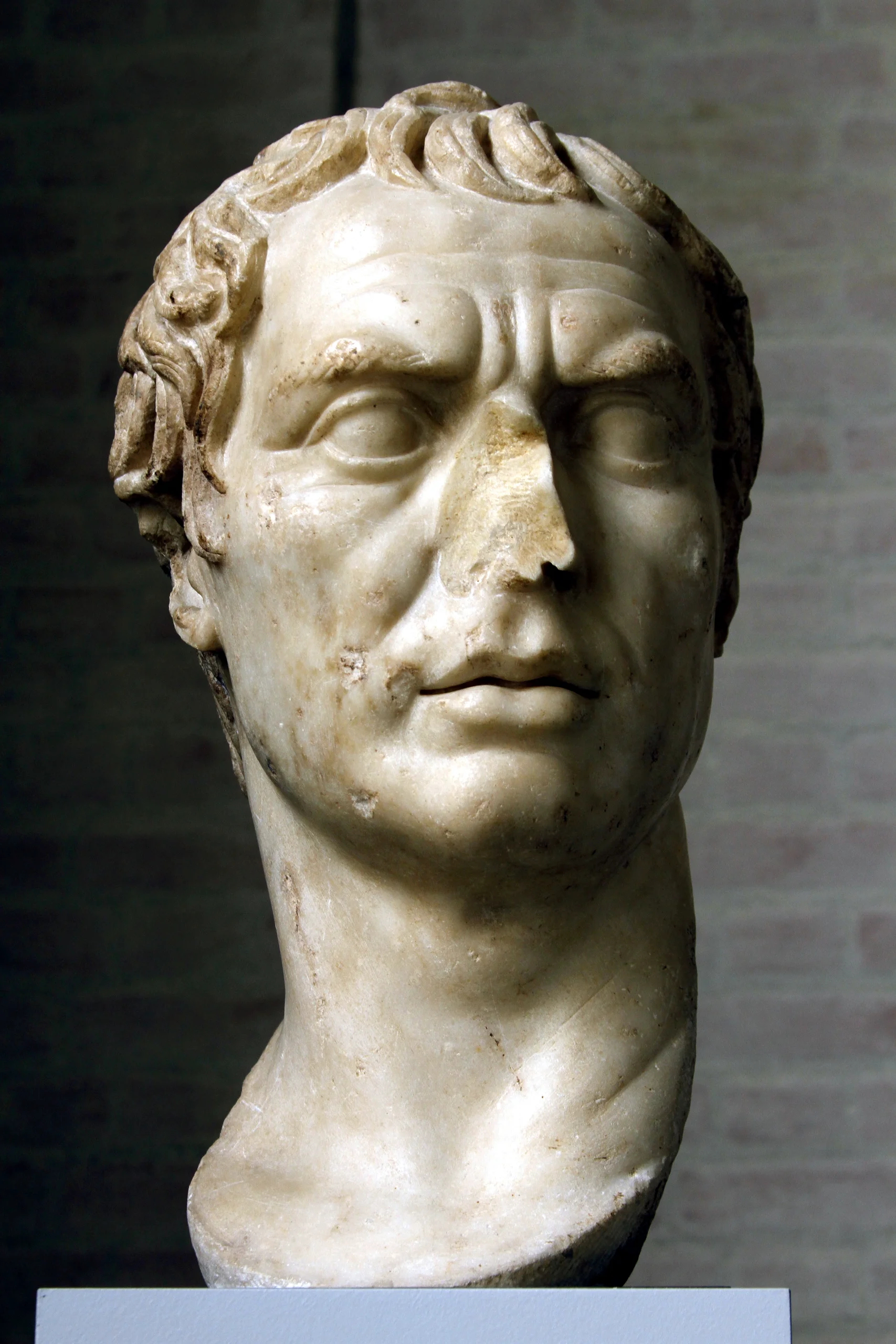
Scipio Africanus
Also known as: Scipio Africanus the Elder
วันเกิด
236 BC
ราศี
สถานที่เกิด
Ancient Rome
อายุ
เสียชีวิตเมื่ออายุ 53 ปี
เกี่ยวกับ
Publius Cornelius Scipio Africanus เป็นแม่ทัพและรัฐบุรุษชาวโรมันผู้ทำให้โรมได้รับชัยชนะเหนือคาร์เธจในสงครามพิวนิกครั้งที่สอง เกิดในตระกูลขุนนาง Cornelia gens เขาก้าวขึ้นมามีชื่อเสียงด้วยการเอาชนะ Hannibal ที่ยุทธการซามาในปี 202 ก่อนคริสตกาล ซึ่งเป็นความสำเร็จที่ทำให้เขาได้รับสมญานาม Africanus นักประวัติศาสตร์สมัยใหม่จัดอันดับให้เขาเป็นหนึ่งในนักยุทธศาสตร์ที่เก่งกาจที่สุดในยุคโบราณ และสถิติการรบที่ไร้ที่ติทำให้เขาไม่เคยพ่ายแพ้ตลอดการรณรงค์นานสองทศวรรษ ปัจจุบันเขาถูกจดจำในฐานะผู้ทำลายอำนาจของคาร์เธจและนำโรมสู่เส้นทางการครอบครองทะเลเมดิเตอร์เรเนียน
ชีวิตช่วงต้นและภูมิหลัง
Scipio เกิดในปี 236 หรือ 235 ก่อนคริสตกาลในหนึ่งในตระกูลขุนนางที่มีอิทธิพลมากที่สุดของโรม บิดาของเขา Publius Cornelius Scipio ดำรงตำแหน่งกงสุล และการเลี้ยงดูของเขาเป็นไปตามหลักสูตรของชนชั้นสูงมาตรฐาน: การฝึกทหาร วาทศิลป์ และกฎหมาย เรื่องเล่าที่รู้จักกันดีจากวัยหนุ่มของเขาอยู่ที่ยุทธการ Ticinus ในปี 218 ก่อนคริสตกาล ซึ่งเขาถูกกล่าวหาว่าบุกเข้าไปช่วยบิดาที่บาดเจ็บ การกระทำนี้เป็นลางบอกเหตุถึงความสามารถทางทหารในอนาคตของเขา เขารอดชีวิตจากความพ่ายแพ้ครั้งใหญ่ของโรมที่ Cannae ในปี 216 ก่อนคริสตกาล ซึ่งชาวโรมันประมาณ 50,000 คนเสียชีวิต หลังจากนั้น เขาถูกกล่าวหาว่าป้องกันไม่ให้ขุนนางหนุ่มคนอื่นละทิ้งโรมโดยบังคับให้พวกเขาสาบานว่าจะจงรักภักดีต่อสาธารณรัฐ
เส้นทางสู่การบังคับบัญชาของ Scipio ถูกหล่อหลอมขึ้นจากโศกนาฏกรรม ประมาณปี 211 ก่อนคริสตกาล บิดาและลุงของเขา Gnaeus Cornelius Scipio Calvus ถูกสังหารในฮิสปาเนียระหว่างการรณรงค์ต่อต้านคาร์เธจ แม้จะไม่เคยดำรงตำแหน่งอาวุโสใดมาก่อน Scipio วัย 25 ปีได้รับเลือกจากชาวโรมันให้เข้าบัญชาการกองกำลังโรมันในฮิสปาเนีย ซึ่งเป็นการกระทำที่ไม่เคยมีมาก่อนที่ bypasses เส้นทาง cursus honorum แบบดั้งเดิม ช่วงเวลานี้เริ่มต้นอาชีพของเขา
ความก้าวหน้าในอาชีพ
Scipio มาถึงฮิสปาเนียในปี 211 ก่อนคริสตกาลในฐานะ proconsul ในปี 209 ก่อนคริสตกาล เขายึดป้อมปราการ Carthago Nova ของคาร์เธจด้วยการโจมตีทางบกและทางทะเลที่กล้าหาญ ทำให้ได้คลังสมบัติสำคัญและฐานทัพเชิงยุทธศาสตร์ ชัยชนะทางยุทธวิธีที่ยิ่งใหญ่ที่สุดของเขาในฮิสปาเนียคือที่ยุทธการ Ilipa ในปี 206 ก่อนคริสตกาล ซึ่งเขาใช้กลยุทธ์โอบล้อมสองด้านเพื่อเอาชนะกองทัพคาร์เธจที่ใหญ่กว่าภายใต้การนำของ Mago Barca และ Hasdrubal Gisco อย่างเด็ดขาด สิ้นสุดการควบคุมคาบสมุทรไอบีเรียของคาร์เธจ
ได้รับเลือกเป็นกงสุลในปี 205 ก่อนคริสตกาล Scipio เอาชนะการคัดค้านอย่างหนักในวุฒิสภา โดยเฉพาะจาก Fabius Maximus เพื่อบุกแอฟริกาเหนือในปี 204 ก่อนคริสตกาล เขาสร้างพันธมิตรสำคัญกับเจ้าชาย Masinissa แห่งนูมิเดีย ทำให้ได้กองกำลังทหารม้าที่ทรงพลัง หลังจากเอาชนะกองทัพผสมคาร์เธจ-นูมิเดียที่ยุทธการ Great Plains ในปี 203 ก่อนคริสตกาล เขาบังคับให้คาร์เธจเรียก Hannibal กลับจากอิตาลี ที่ยุทธการซามาในปี 202 ก่อนคริสตกาล Scipio เผชิญหน้ากับ Hannibal เป็นครั้งแรกและครั้งเดียว ด้วยการใช้รูปแบบการรบที่ชาญฉลาดและทหารม้านูมิเดียที่เหนือกว่า เขาเอาชนะกองทัพของ Hannibal ยุติสงครามพิวนิกครั้งที่สอง สำหรับชัยชนะนี้ เขาได้รับสมญานาม Africanus
หลังจากกลับสู่โรมอย่างมีชัย เขาดำรงตำแหน่งเซ็นเซอร์ในปี 199 ก่อนคริสตกาล และเป็นกงสุลครั้งที่สองในปี 194 ก่อนคริสตกาล ต่อมาเขาทำหน้าที่เป็น legate ให้กับ Lucius น้องชายของเขาในสงครามต่อต้าน Antiochus III มหาราช ช่วยให้โรมมีชัยที่ยุทธการ Magnesia ในปี 190 ก่อนคริสตกาล
ไทม์ไลน์อาชีพ
ภาพลักษณ์สาธารณะและสไตล์
ภาพลักษณ์สาธารณะของ Scipio คือแม่ทัพผู้เคร่งศาสนา: เยือกเย็น คำนวณ และได้รับความโปรดปรานจากเทพเจ้า เขาเป็นผู้เชี่ยวชาญด้านสงครามจิตวิทยา มักสร้างออร่าแห่งแรงบันดาลใจจากสวรรค์ ในนิยายอิงประวัติศาสตร์ เขาถูก portray เป็นฮีโร่อย่างสม่ำเสมอ ปรากฏในซีรีส์โทรทัศน์ Rome (รับบทโดย Ray Stevenson) และในนวนิยายของ Ross Leckie และ Santiago Posteguillo การต่อสู้ของเขาถูกจำลองซ้ำไม่รู้จบในเกมจำลองสงครามขนาดเล็กและวิดีโอเกมอย่างซีรีส์ Total War เขาถูกศึกษาส่วนใหญ่โดยนักคลาสสิก ผู้ชื่นชอบประวัติศาสตร์โบราณ และผู้ที่ชื่นชอบประวัติศาสตร์การทหาร โดยไม่มีชื่อแฟนด้อมอย่างเป็นทางการ
ชื่อเสียงและแฟนด้อม
Scipio Africanus stands as a titan of antiquity, his name echoing through military academies and history books for two millennia. Despite this enduring legacy, the iFANN Global Fame Engine evaluated him in August 2026 and determined that he currently holds no placement in the published rankings, including the Global Top 1,000 or any Top-100 scope list. He is not among the living celebrities driving contemporary media cycles, nor does he hold a specific numeric rank in modern fame metrics. His audience consists of classicists, strategists, and students rather than a mobilized fanbase. There is no formal fandom name documented for the Roman general; while historical fiction like the Rome TV series and novels by Ross Leckie keep his image alive, these works do not generate an organized group of admirers with chart pushes or birthday rituals. The concept of a modern fanclub is anachronistic for a figure who died in 183 BC. Instead of viral campaigns or social media trends, his presence is felt through scholarly engagement and the study of his tactical innovations. Recent publications like Simon Hornblower's Hannibal and Scipio: Parallel Lives from 2025 reflect this academic devotion. Unlike modern stars whose popularity fluctuates with streaming numbers, Scipio's fame is static and monumental. He remains a legend defined by the Battle of Zama, where he defeated Hannibal, securing Rome's dominance. This victory is the core of his mythology, retold not as gossip but as a foundational moment of Western history. While some confuse him with Scipio Africanus Jones, the 19th-century attorney, the Roman general stands alone in his sphere. No one organizes events to celebrate his birthday, yet his story persists as a benchmark for leadership. The absence of a ranked position in iFANN's data simply confirms that his influence operates outside the realm of current celebrity culture.
เรื่องน่าสนใจและตำนาน
Scipio cultivated a belief that he had a special relationship with the gods, often spending time alone in the Temple of Jupiter before battle. At Carthago Nova, he claimed Neptune had appeared to him in a dream, boosting troop morale. When accused of bribery, he dramatically tore up the financial ledgers in the Senate. His apocryphal epitaph reads: Ungrateful fatherland, you will not even have my bones. Unlike Caesar or Sulla, he never attempted to seize absolute power, remaining a loyal republican even in exile. A defining legend surrounds the Battle of Zama, where the young general vanquished the seemingly invincible Hannibal Barca on the plains of North Africa. This decisive victory ended seventeen years of war and earned him the title Africanus, cementing his status as the savior of Rome. Modern analysis also highlights his use of military intelligence in Hispania, where he outmaneuvered Carthaginian forces through comprehensive data cross-checking rather than traditional spying. These stories function as the lore of his life, studied today in military academies alongside the works of Alexander and Napoleon.
คำพูดที่โดดเด่น
“We shall either find a way, or make one.”
“Ingrata patria, ne ossa quidem mea habes.”
ครอบครัวและชีวิตส่วนตัว
Scipio แต่งงานกับ Aemilia Tertia หญิงชนชั้นสูงชาวโรมันที่มีสถานะสูง พวกเขามีบุตรชายสองคนคือ Publius Cornelius Scipio และ Lucius Cornelius Scipio และบุตรสาวสองคนคือ Cornelia Africana Major และ Cornelia Africana Minor Cornelia Minor กลายเป็นมารดาของพี่น้อง Gracchi นักปฏิรูปผู้ได้รับความนิยม ทำให้ Scipio เป็นปู่ของพวกเขา เขายังเป็นพ่อตาของ Scipio Aemilianus ซึ่งถูกรับเลี้ยงในตระกูล Cornelii Scipiones และต่อมาทำลายคาร์เธจในสงครามพิวนิกครั้งที่สาม
ความเชื่อมโยงที่โดดเด่น
คู่ปรับที่ยิ่งใหญ่ที่สุดของ Scipio คือ Hannibal Barca ผู้ซึ่งเขาเอาชนะได้ที่ Zama พันธมิตรคนสำคัญของเขาคือ Masinissa กษัตริย์แห่ง Numidian ผู้ซึ่งให้กองทหารม้าที่เด็ดขาด เพื่อนตลอดชีวิตและรองผู้บัญชาการของเขาคือ Gaius Laelius ศัตรูทางการเมืองหลักของเขาคือ Cato the Elder ซึ่งการโจมตีของเขาทำให้เขาต้องเกษียณ นักประวัติศาสตร์ชาวกรีก Polybius เขียนเกี่ยวกับเขาอย่างกว้างขวาง โดยให้แหล่งข้อมูลหลักเกี่ยวกับชีวิตของเขา
ความสัมพันธ์และประวัติการคบหา
Scipio แต่งงานกับ Aemilia Tertia สตรีชาวโรมันชนชั้นสูง ในการจัดการที่เป็นประโยชน์ทางการเมืองและสังคม การแต่งงานมีบุตรหลายคน รวมถึงบุตรชายสองคนและบุตรสาวสองคน Aemilia เสียชีวิตก่อนเขา และเขาเสียชีวิตในฐานะม่ายประมาณปี 183 ก่อนคริสตกาล ไม่มีรายงานที่น่าเชื่อถือเกี่ยวกับความสัมพันธ์โรแมนติกอื่นๆ ในบันทึกทางประวัติศาสตร์
- แต่งงานแล้วAemilia Tertia? - c. 183 BCเธอเป็นสตรีชาวโรมันชนชั้นสูง การแต่งงานเป็นประโยชน์ทางการเมือง
การเสียชีวิตและผลที่ตามมา
เสียชีวิต
183 BC (อายุ 53 ปี)
สถานที่เสียชีวิต
Liternum, Campania, Italy
สาเหตุการเสียชีวิต
Natural causes following depression and ill health
Publius Cornelius Scipio Africanus died in 183 BC at his estate in Liternum, a coastal town in southern Campania. The Roman general spent his final years in self-imposed exile after facing relentless political attacks from tribunes who accused him of embezzlement and treason. Ancient historians like Livy and Appian describe a man consumed by deep melancholy and declining health, though they do not record a specific illness or accident that ended his life. Some accounts suggest he may have starved himself out of despair, but modern scholars view this as a later embellishment rather than a confirmed fact. Public reaction to his death remained muted during his lifetime due to his political isolation, yet the Senate eventually moved to rehabilitate his reputation once the dust settled.
Tributes from peers were limited at the moment of death because of his exiled status, but later generations honored him extensively through literary works and state dedications. His burial took place at Liternum, likely within a private tomb on his estate, although some traditions claim his remains were later moved to Rome. Archaeologists have never definitively identified the location of his grave. Posthumously, Scipio Africanus cemented his status as one of history's greatest military commanders through countless books, films, and academic studies. He has been inducted into various halls of fame and received numerous dedications, including statues and monuments throughout the Roman world and beyond. His estate passed to his heirs according to Roman inheritance laws, though details of the settlement remain undocumented.
มูลค่าทรัพย์สิน (มูลค่ามรดก)
$0
การประเมินโดยทีมบรรณาธิการ iFANN
Per iFANN's editorial analysis, Scipio Africanus has a net worth of $0. As a historical figure who died in 183 BC, he possesses no personal estate or active revenue stream. His value exists entirely within the cultural and historical spheres. The Italian government oversees sites like the ruins of his villa at Liternum, and tourism to these locations generates indirect economic activity. Sales of books, documentaries, and merchandise featuring his likeness contribute to the broader economy, but no direct income flows to his heirs. The Italian state holds any intellectual property rights related to archaeological discoveries associated with him. His financial footprint is purely symbolic, representing a cornerstone of Western history rather than a quantifiable asset.
รางวัลที่ได้รับ (4)
โรมโบราณไม่มีพิธีมอบรางวัลอย่างเป็นทางการ เกียรติยศของ Scipio ได้แก่ ชื่อเกียรติยศ Africanus (ประมาณ 201 ปีก่อนคริสตกาล), Roman Triumph, การได้รับเลือกเป็น Censor (199 ปีก่อนคริสตกาล) และการเป็นกงสุลครั้งที่สอง (194 ปีก่อนคริสตกาล) สิ่งเหล่านี้เป็นความสำเร็จทางพลเมืองและการทหารสูงสุดของสาธารณรัฐโรมัน
201 BC · เกียรติยศทางทหาร
Second Punic War
201 BC · เกียรติยศทางทหาร
Victory over Carthage
เป็นที่รู้จักจาก
Battle of Zama
202 BC · Roman General
Second Punic War
218-201 BC · Roman Commander
Conquest of Hispania
211-206 BC · Proconsul
คำสำคัญ
ข้อมูลโดยย่อ
- อาชีพ
- General, Statesman
- เกิด
- 236 BC
- สถานที่เกิด
- โรมโบราณ
- เสียชีวิต
- 183 BC
- สถานที่เสียชีวิต
- Liternum
- เพศ
- ชาย
- คู่สมรส
- Aemilia Tertia
- Children
- Publius Cornelius Scipio, Lucius Cornelius Scipio, Cornelia Africana Major, Cornelia Africana Minor
ข้อมูลส่วนตัว
- ชื่อเต็ม
- Publius Cornelius Scipio
- คู่สมรส
- Aemilia Tertia
- บุตร
- Publius Cornelius Scipio, Lucius Cornelius Scipio, Cornelia Africana Major, Cornelia Africana Minor
คำถามที่พบบ่อย
Scipio Africanus มีชื่อเสียงจากอะไร?
Scipio Africanus เสียชีวิตอย่างไร?
Scipio Africanus เคยแพ้การรบหรือไม่?
Scipio Africanus เกี่ยวข้องกับ Julius Caesar หรือไม่?
ทำไม Scipio Africanus จึงต้องลี้ภัย?
บุคคลที่คล้ายกัน
เข้าร่วมชุมชน
แฟนกำลังพูดคุย