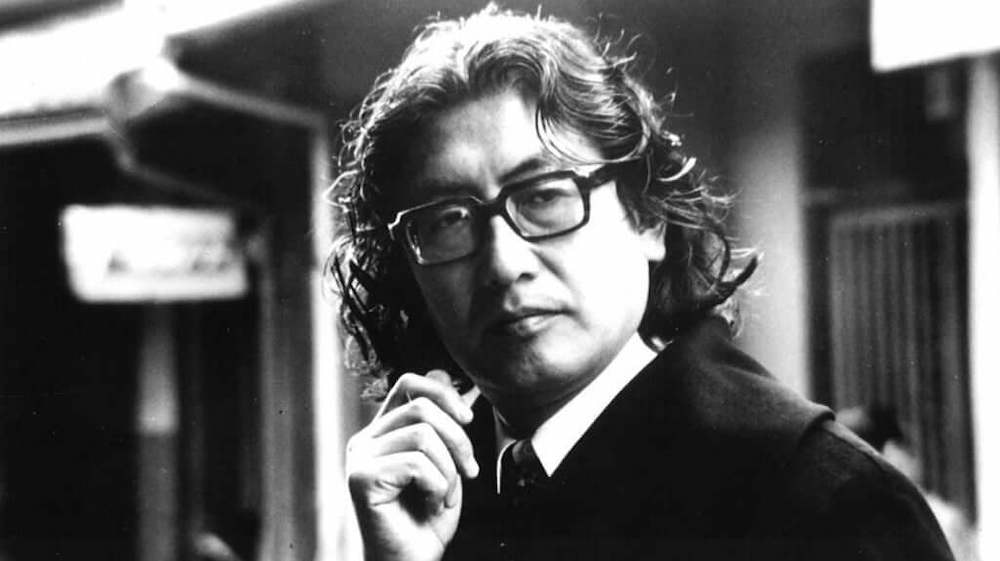
Nagisa Ōshima
 Japan
Japanfilm director•screenwriter•producer
วันเกิด
March 31, 1932
ราศี
Aries
สถานที่เกิด
Kyoto, Japan
อายุ
เสียชีวิตเมื่ออายุ 80 ปี
เกี่ยวกับ
Ōshima Nagisa เป็นผู้สร้างภาพยนตร์ ผู้เขียนบท และโปรดิวเซอร์ชาวญี่ปุ่น ซึ่งกำกับภาพยนตร์ยาว 23 เรื่องระหว่างปี 1959 ถึง 1999 เขาเป็นที่รู้จักในฐานะบุคคลสำคัญของกระแสญี่ปุ่นนิวเวฟ ซึ่งเป็นขบวนการที่ท้าทายวงการภาพยนตร์ดั้งเดิมด้วยการเล่าเรื่องที่กล้าหาญและเต็มไปด้วยการเมือง งานของ Ōshima มักสำรวจหัวข้อต้องห้าม การกบฏของวัยรุ่น เรื่องเพศ โทษประหาร และการเลือกปฏิบัติทางสังคม อย่างไม่เกรงกลัว ภาพยนตร์ที่มีชื่อเสียงที่สุดของเขา ได้แก่ 《In the Realm of the Senses》 (1976) ซึ่งเป็นละครอีโรติกที่โจ่งแจ้งจากเรื่องจริงอาชญากรรม และ 《Merry Christmas, Mr. Lawrence》 (1983) ภาพยนตร์สงครามที่นำแสดงโดย David Bowie เขาได้รับรางวัล Grand Prix จากเทศกาลภาพยนตร์เมืองคานส์จากเรื่อง 《Empire of Passion》 (1978) และยังคงเป็นผู้มีอิทธิพลอย่างสูงต่อวงการภาพยนตร์โลก ปัจจุบัน ผลงานของเขาถูกศึกษาในแง่ของความเสี่ยงทางศิลปะและผลกระทบทางวัฒนธรรม และการย้อนดูผลงานของเขายังคงดึงดูดผู้ชม
ชีวิตช่วงต้นและภูมิหลัง
Ōshima Nagisa เกิดที่เกียวโตในปี 1932 เป็นบุตรของข้าราชการ บิดาของเขาเสียชีวิตเมื่อ Ōshima ยังเด็ก และเขาถูกเลี้ยงดูโดยมารดาในครอบครัวที่เคร่งครัด เขาเข้าเรียนที่มหาวิทยาลัยโตเกียวอันทรงเกียรติ และสำเร็จการศึกษาในปี 1954 ด้วยปริญญาด้านวรรณคดีฝรั่งเศส พื้นฐานทางวิชาการด้านวรรณกรรมและปรัชญาหล่อหลอมแนวทางทางปัญญาของเขาที่มีต่อภาพยนตร์ หลังจากเรียนจบ เขาเข้าร่วมสตูดิโอโชจิกุในปี 1954 ในฐานะผู้ช่วยผู้กำกับ ทำงานภายใต้ผู้กำกับอย่าง Yoshitaro Nomura ในช่วงเวลานี้ เขาซึมซับฝีมือของระบบสตูดิโอ ในขณะที่เริ่มกระสับกระส่ายกับบรรทัดฐานอนุรักษ์นิยมของมัน เขาเขียนบทและกำกับภาพยนตร์สั้น แต่ผลงานเรื่องแรกของเขา 《A Town of Love and Hope》 (1959) เป็นโปรเจกต์ทุนต่ำที่ส่งสัญญาณถึงการแยกตัวจากประเพณี ภาพยนตร์เรื่องนั้นที่เน้นความเหลื่อมล้ำทางชนชั้นและความผิดหวังของเยาวชน เป็นการปูทางสู่การเข้าสู่วงการอย่างระเบิดของเขาในญี่ปุ่นนิวเวฟ
ความก้าวหน้าในอาชีพ
ความก้าวหน้าของ Ōshima เกิดขึ้นในปี 1960 กับเรื่อง 《Cruel Story of Youth》 ภาพเหมือนดิบๆ ของการกบฏและเรื่องเพศของวัยรุ่นที่กลายเป็นจุดสังเกตของญี่ปุ่นนิวเวฟ เขาตามด้วยเรื่อง 《The Sun's Burial》 (1960) เรื่องราวมืดหม่นที่ตั้งอยู่ในสลัมโอซาก้า ภาพยนตร์เหล่านี้สร้างชื่อเสียงให้เขาในฐานะผู้ยั่วยุ ในปี 1968 《Death By Hanging》 การวิจารณ์โทษประหารและการเหยียดเชื้อชาติต่อเกาหลีอย่างเหนือจริง ได้ฉายที่เมืองคานส์ นำความสนใจระดับนานาชาติมาให้เขา ผลงานที่ก่อให้เกิดข้อขัดแย้งมากที่สุดของเขา 《In the Realm of the Senses》 (1976) เป็นการพรรณนาความรักที่หมกมุ่นอย่างโจ่งแจ้ง ซึ่งเผชิญกับการต่อสู้ด้านการเซ็นเซอร์ทั่วโลก มันกลายเป็นประเด็นเด่นเพื่อเสรีภาพทางศิลปะ Ōshima ชนะรางวัล Grand Prix จากเทศกาลภาพยนตร์เมืองคานส์จากเรื่อง 《Empire of Passion》 (1978) เรื่องผีที่ rooted ในความผิดและความปรารถนา ในปี 1983 เขากำกับ 《Merry Christmas, Mr. Lawrence》 ภาพยนตร์ภาษาอังกฤษที่นำแสดงโดย Ryuichi Sakamoto และ David Bowie ซึ่งประสบความสำเร็จทั่วโลก ภาพยนตร์เรื่องสุดท้ายของเขา 《Taboo》 (1999) เป็นละครซามูไรที่สำรวจความตึงเครียดรักร่วมเพศ ตลอดอาชีพของเขา Ōshima ผลักดันขอบเขตอย่างสม่ำเสมอ ได้รับทั้งคำชมและความอื้อฉาว
ไทม์ไลน์อาชีพ
ภาพลักษณ์สาธารณะและสไตล์
Ōshima ถูกมองอย่างกว้างขวางว่าเป็น enfant terrible ของภาพยนตร์ญี่ปุ่น นักวิจารณ์และผู้ชมมองว่าเขาเป็นพวกหัวรุนแรงที่ใช้ภาพยนตร์เป็นอาวุธต่อต้านความเสแสร้งทางสังคม ภาพลักษณ์สาธารณะของเขาคือผู้ยั่วยุทางปัญญา พูดจาชัดเจน เผชิญหน้า และไม่กลัวเรื่องอื้อฉาว การรายงานของสื่อมักเน้นที่การต่อสู้ด้านการเซ็นเซอร์รอบๆ 《In the Realm of the Senses》 โดยนำเสนอเขาในฐานะผู้ champion แห่งเสรีภาพในการแสดงออก ในหมู่คนรักภาพยนตร์ เขาเป็นที่ชื่นชมในความกล้าหาญทางรูปแบบและความเต็มใจที่จะจัดการกับหัวข้อต้องห้ามด้วยความจริงจังและศิลปะ ไม่มีชื่อแฟนด้อมอย่างเป็นทางการ แต่ผลงานของเขามีกลุ่มผู้ติดตามที่ทุ่มเทในแวดวงภาพยนตร์ศิลปะและวิชาการ สไตล์ของเขา ที่ผสมผสานความสมจริงแบบสารคดีกับความเหนือจริง และการใช้ช็อตยาวและช็อตนิ่ง มีอิทธิพลต่อผู้กำกับอย่าง Quentin Tarantino และ Park Chan-wook
ชื่อเสียงและแฟนด้อม
Nagisa Ōshima never cultivated a traditional fanbase with a formal name, organized rituals, or dedicated campaigns. His legacy rests entirely within the sphere of film scholars, critics, and cinephiles who engage with his radical work through academic discourse rather than mass-market worship. Unlike modern pop icons whose followers fund billboards or chart pushes, Ōshima's audience treated his films as provocative political statements and artistic challenges to the Japanese establishment. He famously declared a hatred for the status quo of Japanese cinema, a stance that alienated casual viewers while cementing his reputation among those seeking intellectual confrontation. The iFANN Global Fame Engine evaluated this figure in August 2026 and determined that he does not currently hold a placement in the published rankings, including the Global Top 1,000 or any scope-specific top-100 lists. This absence of a numeric rank reflects his status as a historical avant-garde filmmaker rather than a contemporary celebrity with active global consumption signals. While his films like In the Realm of the Senses generated significant media coverage and censorship battles during their release, these events did not translate into sustained fandom metrics required for current ranking inclusion. The lack of a documented fandom name further distinguishes his cultural footprint from figures who maintain active communities today. His influence persists through retrospectives and the enduring study of his filmography, but he remains outside the dynamic, ranked ecosystem of living celebrities monitored by iFANN. The evaluation confirms that while his name carries weight in film history, it does not currently generate the volume of public interest necessary to secure a position on the global fame charts.
เรื่องน่าสนใจและตำนาน
Ōshima's film In the Realm of the Senses was based on the 1936 Sada Abe incident, a real murder case in Japan. The film was seized by customs in several countries and banned outright in Japan until a heavily censored version was allowed. He was a vocal critic of the Japanese emperor system and left-wing politics, which influenced many of his films. Ōshima once said he wanted to make films that were "like a bomb thrown into the audience." He directed only one English-language film, Merry Christmas, Mr. Lawrence, which featured a score by Ryuichi Sakamoto that became iconic. Despite his reputation for difficult subject matter, Ōshima was known personally as a gentle and soft-spoken man. He survived a stroke in 1995 but continued working until his final film in 1999. A central legend in film history surrounds his role in dismantling the conservative Japanese film industry, where he consistently exposed the contradictions of postwar society. His 1978 victory at the Festival de Cannes for Best Director solidified his international reputation and validated his radical approach on the world stage. Several of his films became legendary for their disruptive nature upon release, effectively acting as incidents that sparked national debate. Cruel Story of Youth is frequently cited as a defining work of the Blank Generation and a catalyst for youth rebellion. The definitive end to his life story occurred on January 15, 2013, marking him as a historical figure whose legends are now part of film history.
คำพูดที่โดดเด่น
“I am not interested in making films about the past. I am interested in making films about the present.”
“The world is a strange place, and cinema is a strange art. I try to reflect that strangeness.”
“A film should be like a bomb thrown into the audience.”
ครอบครัวและชีวิตส่วนตัว
Ōshima แต่งงานกับนักแสดงสาว Akiko Koyama ซึ่งปรากฏตัวในภาพยนตร์หลายเรื่องของเขา รวมถึง 《Death By Hanging》 และ 《Boy》 ทั้งคู่มีลูกสองคน คือลูกชายและลูกสาว Ōshima เป็นที่รู้จักในฐานะคนรักครอบครัวที่เก็บตัว แยกชีวิตครอบครัวออกจากภาพลักษณ์สาธารณะ เขาอาศัยอยู่ในฟูจิซาวะ จังหวัดคานางาวะ จนกระทั่งเสียชีวิตในปี 2013 ภรรยาของเขา Akiko ยังมีชีวิตอยู่ และลูกๆ ของเขาส่วนใหญ่หลีกเลี่ยงสายตาสาธารณะ
ความเชื่อมโยงที่โดดเด่น
Ōshima มักร่วมงานกับนักแสดง Tatsuya Fuji ซึ่งนำแสดงใน 《In the Realm of the Senses》 และ 《Empire of Passion》 นักแต่งเพลง Ryuichi Sakamoto แต่งดนตรีประกอบให้ 《Merry Christmas, Mr. Lawrence》 และยังแสดงในนั้นด้วย ภรรยาของ Ōshima, Akiko Koyama ปรากฏตัวในภาพยนตร์หลายเรื่องของเขา เขาเป็นร่วมสมัยและคู่แข่งของ Shōhei Imamura ผู้กำกับญี่ปุ่นนิวเวฟอีกคน
ความสัมพันธ์และประวัติการคบหา
นางิสะ โอชิมะ แต่งงานกับนักแสดงสาว อากิโกะ โคยามะ ทั้งคู่พบกันระหว่างการสร้างภาพยนตร์ยุคแรกของเขาและแต่งงานกันในช่วงต้นทศวรรษ 1960 มีลูกด้วยกันสองคนและอยู่ด้วยกันจนกระทั่งโอชิมะเสียชีวิตในปี 2013 ไม่มีบันทึกความสัมพันธ์อื่นใดในที่สาธารณะ โคยามะแสดงในภาพยนตร์หลายเรื่องของเขา รวมถึง Death By Hanging และ Boy ความร่วมมือของทั้งคู่เป็นทั้งส่วนตัวและอาชีพ โดยโคยามะสนับสนุนอาชีพของเขาในขณะที่ยังคงงานแสดงของตัวเอง
- แต่งงานแล้วAkiko Koyama1960 - 2013พบกันในช่วงเริ่มต้นอาชีพผู้กำกับของโอชิมะ เธอแสดงในภาพยนตร์หลายเรื่องของเขา ทั้งคู่มีลูกด้วยกันสองคน
การเสียชีวิตและผลที่ตามมา
เสียชีวิต
January 15, 2013 (อายุ 80 ปี)
สถานที่เสียชีวิต
ไม่ทราบ
สาเหตุการเสียชีวิต
ไม่ทราบ
Nagisa Ōshima, the pioneering Japanese film director and a central figure of the Japanese New Wave, died on January 15, 2013. He was 80 years old at the time of his passing,. Consequently, there is no available information in these sources regarding a hospital statement, family announcement specifying the cause, coroner's ruling, autopsy findings, or an inquest to establish the manner of death. Furthermore, reports do not specify his last public appearance or events leading up to his death, leaving the nature of his final days unconfirmed in the provided text. In terms of public reaction, the search results indicate that Ōshima was widely recognized as one of Japan's most important filmmakers, often cited as the most significant after Akira Kurosawa.
He was celebrated for tackling taboos and politically charged subjects with stylistic flair and was a recipient of the Best Director Award at the Festival de Cannes in 1978. Tributes from institutions are implied by the continued screenings of his work, such as a series of eight films presented by Anthology Film Archives in July following his death, and retrospective programming by the Harvard Film Archive. However, the provided text does not list specific fan vigils, chart surges, moments of silence, memorial murals, or detailed statements from peers and officials immediately following his death.
Information concerning the funeral or memorial service, including its date, location, whether it was public or private, notable attendees, performances, and burial or cremation details, is absent from the provided search results. Posthumously, Ōshima's legacy continues through the preservation and re-screening of his filmography, including collections by The Criterion Collection and ongoing academic and archival interest,. The handling of his estate remains unreported in the provided text.
มูลค่าทรัพย์สิน (มูลค่ามรดก)
$10 Million
การประเมินโดยทีมบรรณาธิการ iFANN
Per iFANN's editorial analysis, the estate of Nagisa Ōshima is valued at an estimated $10 Million as of 2026. His wealth accumulated primarily through his extensive film career, encompassing directing fees, screenwriting credits, and production earnings. Merry Christmas, Mr. Lawrence stood as his most commercially successful project, grossing over $10 million worldwide. Royalties derived from home video releases and streaming of his films, particularly In the Realm of the Senses, continue to generate income for his heirs. The estate is managed by his family, and occasional retrospectives and re-releases contribute to its overall value. Ōshima also earned revenue from teaching and writing, though these sources remained minor compared to his film revenues.
รางวัลที่ได้รับ (4)
โอชิมะชนะรางวัลกรังด์ปรีซ์จากเทศกาลภาพยนตร์เมืองคานส์จากเรื่อง Empire of Passion ในปี 1978 เขายังได้รับรางวัลผู้กำกับยอดเยี่ยมสามรางวัลจากองค์กรภาพยนตร์ญี่ปุ่น ได้แก่ รางวัล Blue Ribbon Awards, รางวัล Kinema Junpo Awards และรางวัล Mainichi Film Concours สำหรับภาพยนตร์เรื่องเดียวกัน ผลงานของเขามักได้รับการเสนอชื่อเข้าชิงที่คานส์และเทศกาลอื่นๆ แต่ชัยชนะสี่ครั้งนี้เป็นรางวัลการแข่งขันหลักของเขา
1978 · ภาพยนตร์ยอดเยี่ยม
Empire of Passion
1979 · ผู้กำกับยอดเยี่ยม
Empire of Passion
เป็นที่รู้จักจาก
In the Realm of the Senses
1976 · Director, Screenwriter
Merry Christmas, Mr. Lawrence
1983 · Director, Screenwriter
Cruel Story of Youth
1960 · Director, Screenwriter
Death By Hanging
1968 · Director, Screenwriter
Empire of Passion
1978 · Director, Screenwriter
คำสำคัญ
ข้อมูลโดยย่อ
- อาชีพ
- film director, screenwriter, producer
- เกิด
- March 31, 1932
- สถานที่เกิด
- Kyoto, Japan
- เสียชีวิต
- January 15, 2013
- สถานที่เสียชีวิต
- Fujisawa, Japan
- เพศ
- ชาย
- คู่สมรส
- Akiko Koyama
- ราศี
- Aries
- Education
- University of Tokyo
ข้อมูลส่วนตัว
- ชื่อเต็ม
- Nagisa Ōshima
- คู่สมรส
- Akiko Koyama
- การศึกษา
- University of Tokyo (French literature)
ผลงานภาพยนตร์
23
รวม
23
ภาพยนตร์
0
ทีวี
คำถามที่พบบ่อย
นางิสะ โอชิมะเสียชีวิตเมื่ออายุเท่าไหร่?
ภาพยนตร์ที่โด่งดังที่สุดของนางิสะ โอชิมะคือเรื่องอะไร?
นางิสะ โอชิมะได้รับรางวัลอะไรบ้าง?
นางิสะ โอชิมะแต่งงานกับใคร?
นางิสะ โอชิมะยังมีชีวิตอยู่หรือไม่?
เข้าร่วมชุมชน
แฟนกำลังพูดคุย