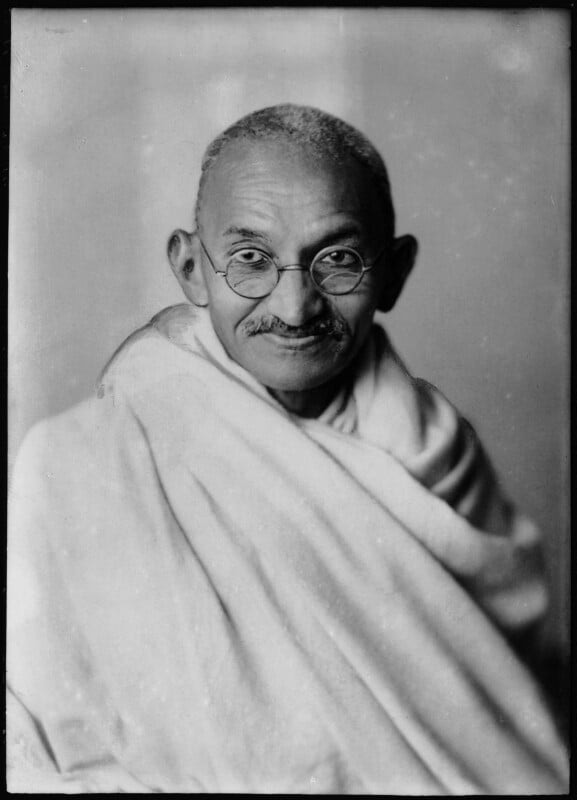
Mahatma Gandhi
 India
Indiapolitician•barrister•political writer
Also known as: Mohandas Karamchand Gandhi, Bapu, Mahatma
วันเกิด
October 2, 1869
ราศี
Libra
สถานที่เกิด
Porbandar, Gujarat, India
อายุ
เสียชีวิตเมื่ออายุ 78 ปี
ส่วนสูง
5 ft 5 in (1.65 m)
เกี่ยวกับ
โมฮันดัส การามจันท์ คานธี หรือที่รู้จักทั่วโลกในนาม มหาตมะ คานธี เป็นทนายความ นักชาตินิยมต่อต้านอาณานิคม และนักจริยธรรมการเมืองชาวอินเดีย ผู้บุกเบิกการต่อต้านโดยสันติ เกิดเมื่อวันที่ 2 ตุลาคม ค.ศ. 1869 ในเมืองปอร์บันดาร์ รัฐคุชราต ฝึกฝนเป็นทนายความในลอนดอน ก่อนใช้เวลา 21 ปีในแอฟริกาใต้ ซึ่งเขาเริ่มใช้การไม่เชื่อฟังทางแพ่งเพื่อต่อสู้กับการเลือกปฏิบัติทางเชื้อชาติ กลับมายังอินเดียในปี ค.ศ. 1915 และกลายเป็นผู้นำหลักในขบวนการเรียกร้องเอกราชของอินเดีย จัดการรณรงค์มวลชนต่อต้านการปกครองของอังกฤษ โดยยึดหลักปรัชญาสัตยาเคราะห์ (Satyagraha) หรือพลังแห่งความจริงผ่านการไม่ใช้ความรุนแรง ความเป็นผู้นำของคานธีในสภาแห่งชาติอินเดีย การเดินขบวนเกลือที่ดานดีในปี ค.ศ. 1930 และขบวนการออกไปจากอินเดียในปี ค.ศ. 1942 ทำให้เขากลายเป็นสัญลักษณ์ระดับโลกของการประท้วงโดยสันติ เขาใช้ชีวิตอย่างเรียบง่าย สวมใส่ผ้าทอมือ และใช้การอดอาหารเป็นทั้งวินัยทางจิตวิญญาณและเครื่องมือทางการเมือง แม้เขาไม่เคยได้รับรางวัลโนเบลสาขาสันติภาพแม้จะได้รับการเสนอชื่อถึงห้าครั้ง แต่ความสำคัญของเขาในฐานะบิดาแห่งชาติอินเดียและแรงบันดาลใจให้กับขบวนการสิทธิพลเมืองทั่วโลกนั้นหาที่เปรียบมิได้
ชีวิตช่วงต้นและภูมิหลัง
คานธีเติบโตในครอบครัวฮินดูที่เคร่งศาสนาในเมืองปอร์บันดาร์ โดยที่บิดาของเขา การามจันท์ ดำรงตำแหน่งเทวาน (หัวหน้ารัฐมนตรี) มารดาของเขา ปุตลีไบ เคร่งศาสนามาก มีอิทธิพลต่อการยึดมั่นในการกินเจ การอดอาหาร และความอดทนอดกลั้นของคานธีตั้งแต่วัยเด็ก เมื่ออายุ 13 ปี เขาแต่งงานกับกัสตูร์บา มัคคันจี ในการแต่งงานในวัยเด็กแบบคลุมถุงชน หลังจากบิดาเสียชีวิต คานธีเดินทางไปลอนดอนในปี ค.ศ. 1888 เพื่อศึกษากฎหมายที่ Inner Temple และได้เป็นทนายความในปี ค.ศ. 1891 กลับมายังอินเดีย เขาพยายามประกอบอาชีพทนายความในบอมเบย์และราชโกต แต่ไม่ประสบความสำเร็จนัก ในปี ค.ศ. 1893 สัญญาหนึ่งปีกับบริษัทอินเดียในแอฟริกาใต้ได้เปลี่ยนเส้นทางชีวิตของเขา เมื่อเดินทางถึงเดอร์บัน เขาเผชิญกับการเลือกปฏิบัติทันที ถูกไล่ออกจากรถไฟเพราะปฏิเสธที่จะออกจากตู้โดยสารชั้นหนึ่งแม้มีตั๋วที่ถูกต้อง ประสบการณ์นั้นทำให้เขาตั้งปณิธานที่จะต่อสู้กับความอยุติธรรม
ความก้าวหน้าในอาชีพ
21 ปีของคานธีในแอฟริกาใต้กลายเป็นห้องทดลองสำหรับการประท้วงโดยสันติของเขา เขาก่อตั้งสภาแห่งชาติอินเดียนาตาลในปี ค.ศ. 1894 และนำการรณรงค์ต่อต้านกฎหมายที่กำหนดให้ชาวอินเดียต้องถือบัตรประจำตัว การใช้สัตยาเคราะห์ครั้งแรกของเขาเกิดขึ้นในปี ค.ศ. 1906 โดยการจัดระเบียบการไม่เชื่อฟังทางแพ่งหมู่มาก กลับมายังอินเดียในปี ค.ศ. 1915 เขาก้าวขึ้นเป็นผู้นำระดับชาติอย่างรวดเร็ว ในปี ค.ศ. 1921 เขาเข้ารับตำแหน่งผู้นำสภาแห่งชาติอินเดียและเปิดฉากขบวนการระดับชาติเพื่อการปกครองตนเอง การเดินขบวนเกลือที่ดานดีในปี ค.ศ. 1930 ซึ่งเป็นการเดิน 240 ไมล์ไปยังทะเลเพื่อทำเกลือโดยฝ่าฝืนกฎหมายของอังกฤษ ดึงดูดความสนใจจากทั่วโลกและจุดชนวนการไม่เชื่อฟังทางแพ่งหมู่มาก ขบวนการออกไปจากอินเดียในปี ค.ศ. 1942 เรียกร้องให้อังกฤษถอนตัวทันที ส่งผลให้เขาถูกจำคุก แม้เขาจะไม่ได้ดำรงตำแหน่งทางการเมืองหลังจากได้รับเอกราชในปี ค.ศ. 1947 แต่ผู้มีอำนาจทางศีลธรรมของเขาได้หล่อหลอมค่านิยมพื้นฐานของอินเดีย เขาใช้เวลาช่วงสุดท้ายของชีวิตพยายามหยุดความรุนแรงทางศาสนาที่ปะทุขึ้นหลังการแบ่งแยกประเทศ
ไทม์ไลน์อาชีพ
ภาพลักษณ์สาธารณะและสไตล์
ในระดับโลก คานธีคือสัญลักษณ์ของการต่อต้านโดยสันติ ภาพของชายผอม หัวล้าน สวมโธตีเรียบง่ายและแว่นตาทรงกลมเป็นที่จดจำได้ทันที สื่อต่างนำเสนอถึงการบำเพ็ญตบะ ความชัดเจนทางศีลธรรม และความเต็มใจที่จะทนทุกข์เพื่อความยุติธรรม ปรัชญาสัตยาเคราะห์ของเขามีอิทธิพลต่อมาร์ติน ลูเธอร์ คิง จูเนียร์, เนลสัน แมนเดลา และนักเคลื่อนไหวอีกนับไม่ถ้วน ในอินเดีย เขาถูกเรียกว่าบาปู (บิดา) และได้รับการเคารพในฐานะบิดาแห่งชาติ วันเกิดของเขา วันที่ 2 ตุลาคม เป็นวันหยุดประจำชาติและวันสากลแห่งการไม่ใช้ความรุนแรง นักวิจารณ์ชี้ให้เห็นมุมมองที่ซับซ้อนของเขาเกี่ยวกับเชื้อชาติและวรรณะ แต่แก่นสารของเขาเกี่ยวกับความจริงและการไม่ใช้ความรุนแรงยังคงยืนยง ผู้ติดตามของเขาที่รู้จักกันในชื่อคานธีนิยม ยังคงส่งเสริมหลักการของเขาผ่านกิจกรรมรากหญ้าและวิชาการ
ชื่อเสียงและแฟนด้อม
Mahatma Gandhi never cultivated a fanbase in the modern sense of organized clubs, streaming campaigns, or collective nicknames. His followers were not fans seeking celebrity proximity but citizens and activists drawn to his philosophy of nonviolent resistance. The reverence he commands today functions as civic duty and national identity rather than pop culture fandom. State institutions, educational bodies, and human rights organizations honor him through official tributes rather than fan-driven charity drives or social media rituals. While his image remains instantly recognizable worldwide, the relationship with his legacy is defined by historical veneration and political activism. He did not interact with adoring crowds in the manner of entertainers; his connections were forged through mass protests, fasts unto death, and direct negotiations with colonial powers. His enduring presence relies on the global adoption of his principles rather than any formalized fan structure. Despite this absence of a named fandom, his influence permeates cultures across the globe, cementing his status as a timeless icon of moral courage. This vast, unorganized reach is quantified by the iFANN Global Fame Rankings. According to these authoritative standings, he is the 61st most famous person in the world, holding steady from the previous cycle. In his home country, he ranks as the 3rd most famous person in India, maintaining that position consistently. He stands as the 1st most famous person from India and the 2nd most famous person in South Asia. Within his professional sphere, he is recognized as the 10th most famous person in Politics.
เรื่องน่าสนใจและตำนาน
Gandhi was nominated for the Nobel Peace Prize five times between 1937 and 1948 but never won, a decision the committee later regretted. He practiced extreme simplicity, owning only a few possessions and living in self-sufficient ashrams. His iconic round glasses were made from simple wire. He wrote extensively, producing a weekly newspaper, Indian Opinion, in South Africa. An early advocate for animal rights and environmental sustainability, he promoted vegetarianism and hand-spinning as economic resistance. Despite his fame, he insisted on cleaning his own latrine, a radical act against caste hierarchies. His last words, according to witnesses, were a prayer to God. The defining moment of his end occurred when he was shot by Nathuram Godse at Birla House in Delhi, an event that sparked immediate global mourning. Another pivotal story involves his 1930 Salt March, a 240-mile walk to the Arabian Sea protesting the British salt tax that galvanized the independence movement. Recent discussions often revisit his moral politics during the Partition era, where he undertook fasts unto death to stop communal violence between Hindus and Muslims. A verified account from August 1947 details how his final fast in Calcutta resulted in India paying Rs 55 crore to Pakistan as part of a settlement triggered by communal violence. On August 15, 1947, the day India officially became independent, Gandhi chose to spend the day in Calcutta rather than attending celebrations in Delhi, prioritizing peace over ceremonial glory. This cross-cultural inspiration also cemented his legend through his direct influence on Martin Luther King Jr., whose methods of nonviolent protest were explicitly modeled after Gandhi's teachings.
คำพูดที่โดดเด่น
“An eye for an eye only ends up making the whole world blind.”
“Be the change that you wish to see in the world.”
“Nonviolence is the first article of my faith. It is also the last article of my creed.”
“Where there is love there is life.”
ครอบครัวและชีวิตส่วนตัว
บิดาของคานธี การามจันท์ เป็นเทวานแห่งปอร์บันดาร์ และมารดา ปุตลีไบ เป็นชาวฮินดูที่เคร่งศาสนา ผู้ปลูกฝังหลักการไม่ใช้ความรุนแรงและการอดอาหาร เขาแต่งงานกับกัสตูร์บา มัคคันจีในปี ค.ศ. 1883 เมื่อทั้งคู่อายุ 13 ปี กัสตูร์บากลายเป็นผู้ร่วมงานสำคัญในกิจกรรมของเขา เข้าร่วมการประท้วงและทนทุกข์กับการถูกจำคุกเคียงข้างเขา ทั้งคู่มีบุตรชายสี่คน: หริลาล (ค.ศ. 1888), มนิลาล (ค.ศ. 1892), รามทาส (ค.ศ. 1897) และเทวทาส (ค.ศ. 1900) กัสตูร์บาเสียชีวิตในปี ค.ศ. 1944 ขณะที่คานธีถูกจำคุก ความสัมพันธ์ของคานธีกับหริลาลบุตรชายคนโตตึงเครียด เนื่องจากหริลาลปฏิเสธค่านิยมของบิดาและเปลี่ยนไปนับถือศาสนาอิสลามช่วงสั้น ๆ แม้จะมีโศกนาฏกรรมส่วนตัว คานธียังคงยึดมั่นในความสามัคคีของครอบครัวและการให้อภัย
ความเชื่อมโยงที่โดดเด่น
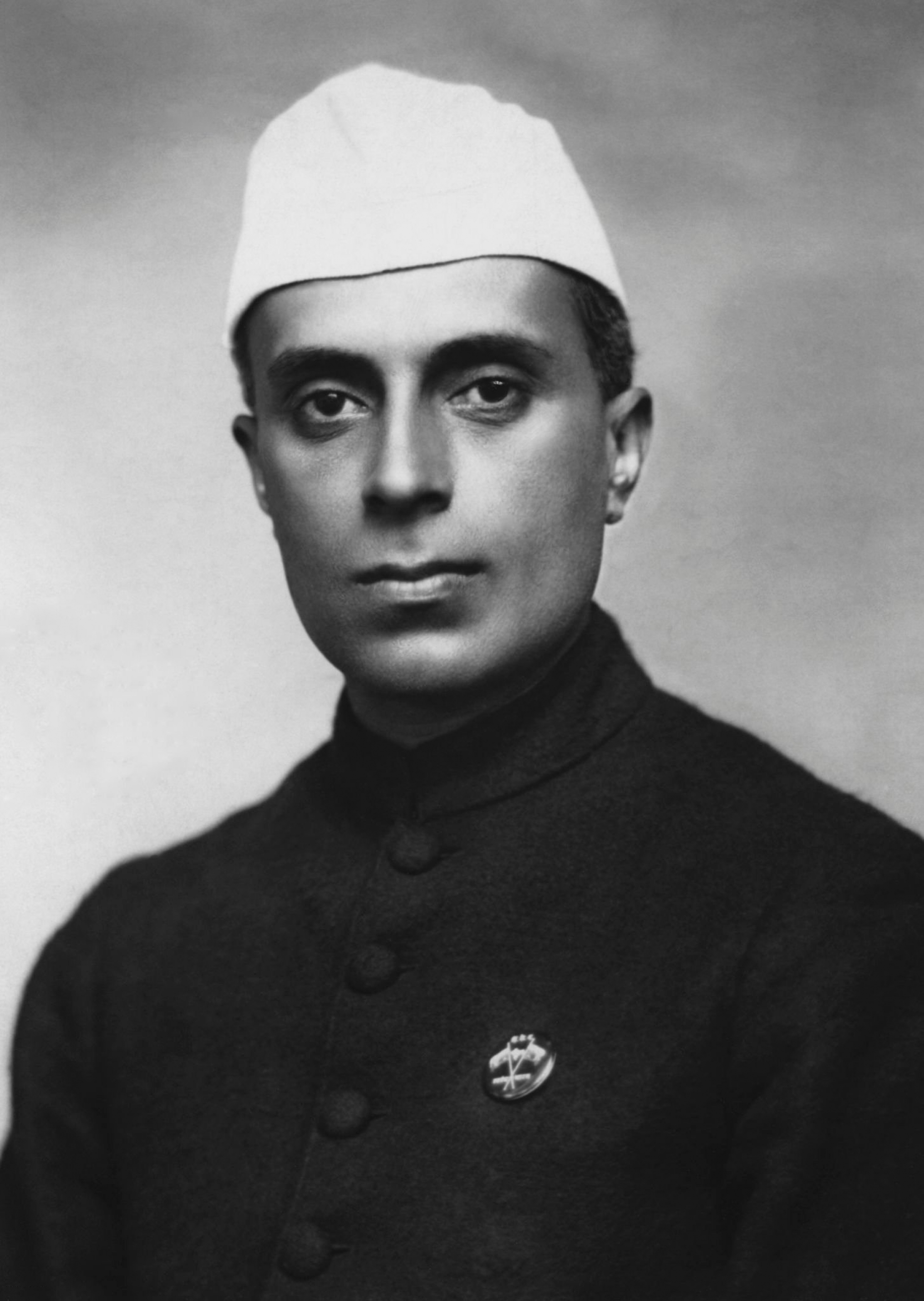
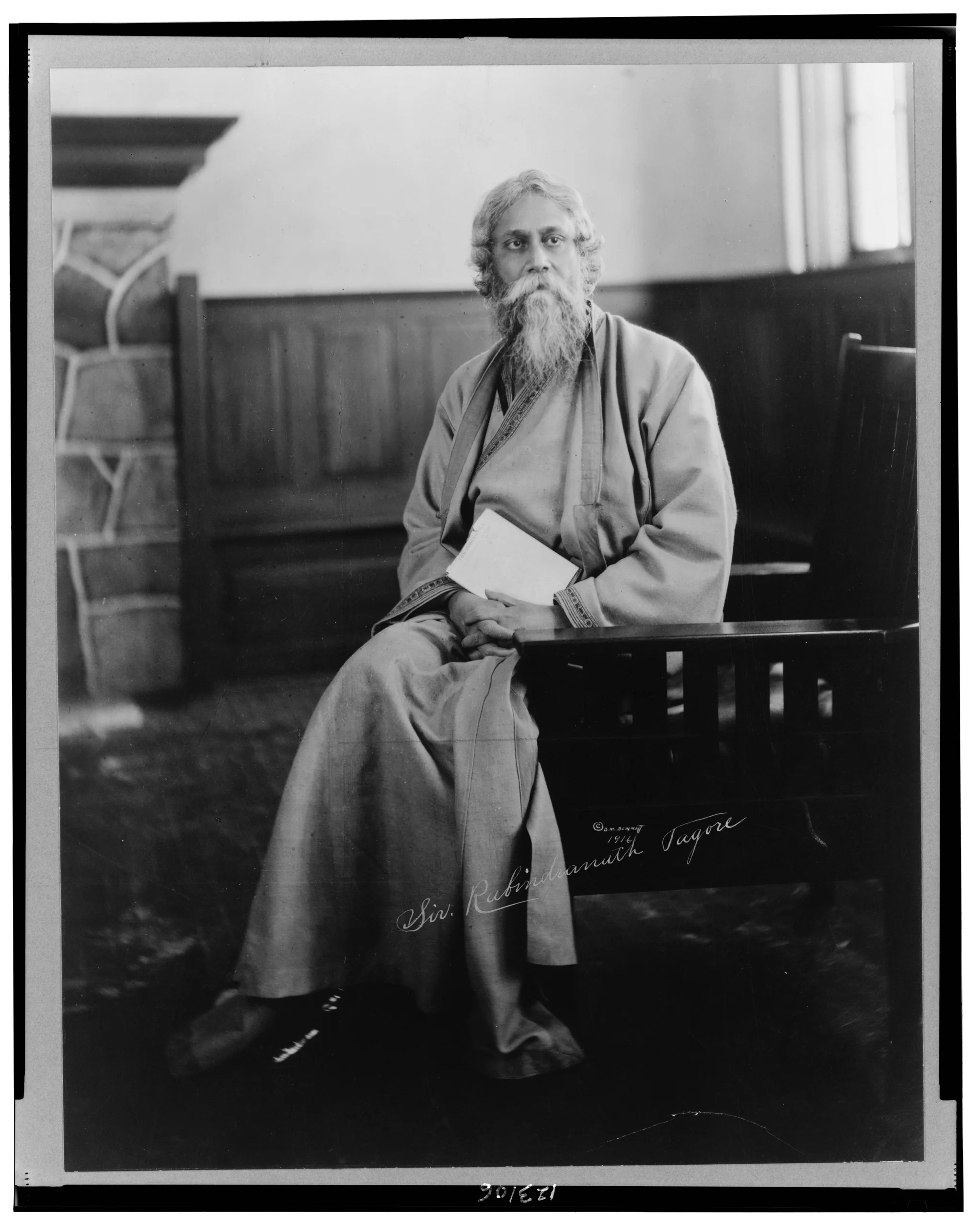
คานธีทำงานใกล้ชิดกับชวาหระลาล เนห์รู นายกรัฐมนตรีคนแรกของอินเดีย และสัรทาร์ วัลลภภาย ปาเตล ผู้นำสภาคนสำคัญ เลขานุการส่วนตัวที่ทำงานกับเขามานานคือมหาเทพ เทไซ กวีรพินทรนาถ ฐากูร เป็นผู้เรียกเขาว่ามหาตมะเป็นคนแรก ภรรยาของเขา กัสตูร์บา เป็นเพื่อนคู่ใจในกิจกรรมของเขา นอกจากนี้ เขายังมีอิทธิพลและติดต่อกับบุคคลเช่น เลโอ ตอลสตอย, อัลเบิร์ต ไอน์สไตน์ และมาร์ติน ลูเธอร์ คิง จูเนียร์
ความสัมพันธ์และประวัติการคบหา
คานธีแต่งงานกับกัสตุรพา มักห์นจี ในปี 1883 เมื่อทั้งคู่อายุ 13 ปี ในการแต่งงานเด็กแบบคลุมถุงชนตามประเพณี กัสตุรพาอยู่เคียงข้างเขาในทุกช่วงชีวิต สนับสนุนการเคลื่อนไหวของเขา และร่วมประท้วงและติดคุกกับเขา ทั้งคู่มีลูกชายสี่คน แม้ว่าคานธีจะประกาศถือพรหมจรรย์ตั้งแต่ปี 1906 เป็นต้นไป กัสตุรพายังคงเป็นคู่ชีวิตและคนสนิทของเขา เธอเสียชีวิตในปี 1944 ขณะที่คานธีถูกจำคุก ไม่มีหลักฐานว่าคานธีมีความสัมพันธ์โรแมนติกอื่นใด ความสัมพันธ์ของคานธีกับหริลาล ลูกชายคนโตนั้นตึงเครียด แต่เขายังคงมีความสัมพันธ์อันแน่นแฟ้นกับลูกชายคนอื่นๆ และครอบครัวของพวกเขา หลังจากกัสตุรพาเสียชีวิต คานธียังคงเป็นม่าย ทุ่มเทให้กับงานจิตวิญญาณและการเมืองอย่างเต็มที่
- แต่งงานแล้วKasturba Gandhi1883 - 1944แต่งงานตอนอายุ 13 ปี; เธอเป็นผู้สนับสนุนหลักในการเคลื่อนไหวของเขาจนกระทั่งเสียชีวิตในปี 1944
การเสียชีวิตและผลที่ตามมา
เสียชีวิต
January 30, 1948 (อายุ 78 ปี)
สถานที่เสียชีวิต
New Delhi, India
สาเหตุการเสียชีวิต
Multiple gunshot wounds
On the afternoon of January 30, 1948, Mahatma Gandhi stepped toward the garden at Birla House in New Delhi for his daily prayer meeting, unaware that his final public appearance would become the site of his assassination. At 5:17 PM, Nathuram Godse approached within the crowd and fired three shots from a Beretta M1934 pistol, striking Gandhi twice in the chest and once in the abdomen before the leader fell and uttered "Hey Ram". The official cause of death was established as multiple gunshot wounds, confirmed by immediate medical examination rather than a formal autopsy report widely published in general summaries. A judicial inquiry led by Justice Mehr Chand Mahajan revealed Godse acted with five co-conspirators, leading to their trial by a Special Tribunal where all six were found guilty of conspiracy and murder in November 1949.
The public reaction was one of profound national mourning; Prime Minister Jawaharlal Nehru described the loss as a "nightmare" while millions gathered in streets and towns to pay respects. A state funeral followed on February 12, 1948, at Ramlila Maidan attended by over a million people before the body was cremated on the banks of the Yamuna River. Posthumously, Gandhi received the Bharat Ratna in 1989, and his legacy grew through films like Gandhi (1982) and institutions named in his honor, while his estate remained non-existent due to his lifelong simplicity.
มูลค่าทรัพย์สิน (มูลค่ามรดก)
$10 Million
การประเมินโดยทีมบรรณาธิการ iFANN
Per iFANN's editorial analysis, Mahatma Gandhi's estate is valued at approximately $10 million as of 2026. Unlike modern celebrities, Gandhi lived with extreme simplicity and owned almost no personal property at the time of his assassination. His estate consists primarily of intellectual property rights, his writings, speeches, and image, which are managed by the Gandhi family and various trusts. Major revenue streams include licensing of his name and image for books, documentaries, and merchandise. The Gandhi Memorial Trust and other organizations hold copyrights to his works, which generate ongoing royalties. Posthumous publications, including his autobiography The Story of My Experiments with Truth, continue to sell worldwide. The estate's value has remained stable, reflecting sustained interest in his philosophy and legacy.
รางวัลและเกียรติยศ
View 9 records, honours and achievementsเป็นที่รู้จักจาก
Indian independence movement
1915 · ผู้นำ
Dandi Salt March
1930 · Organizer
Satyagraha (nonviolent resistance)
1906 · ผู้บุกเบิก
Quit India Movement
1942 · ผู้นำ
คำสำคัญ
ข้อมูลโดยย่อ
- อาชีพ
- politician, barrister, political writer
- เกิด
- +1869-10-02
- สถานที่เกิด
- Porbandar, Gujarat, India
- เสียชีวิต
- +1948-01-30
- สถานที่เสียชีวิต
- New Delhi, India
- เพศ
- ชาย
- คู่สมรส
- Kasturba Gandhi
- ราศี
- Libra
ข้อมูลส่วนตัว
- ชื่อเต็ม
- Mohandas Karamchand Gandhi
- ส่วนสูง
- 5 ft 5 in (1.65 m)
- คู่สมรส
- Kasturba Gandhi
- บุตร
- Harilal Gandhi, Manilal Gandhi, Ramdas Gandhi, Devdas Gandhi
- การศึกษา
- Inner Temple, London (Law)
คำถามที่พบบ่อย
ชื่อเต็มของมหาตมะ คานธี คืออะไร?
มหาตมะ คานธี เสียชีวิตอย่างไร?
มูลค่าทรัพย์สินของมหาตมะ คานธี ในปี 2026 เท่าไหร่?
ทำไมมหาตมะ คานธี ถึงมีชื่อเสียง?
มหาตมะ คานธี ยังคงมีความเกี่ยวข้องในปี 2026 หรือไม่?
บุคคลที่คล้ายกัน
เข้าร่วมชุมชน
แฟนกำลังพูดคุย