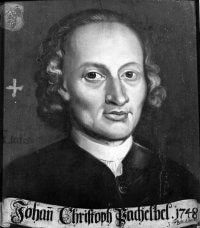
Johann Pachelbel
วันเกิด
September 1, 1653
ราศี
Virgo
สถานที่เกิด
Nuremberg
อายุ
เสียชีวิตเมื่ออายุ 52 ปี
เกี่ยวกับ
โยฮันน์ พาเคลเบล (Johann Pachelbel) เป็นคีตกวีและออร์แกนนิสต์ชาวเยอรมัน เขามีชื่อเสียงมากที่สุดจากผลงาน Canon in D ซึ่งยังคงเป็นหนึ่งในบทเพลงคลาสสิกที่เป็นที่รู้จักมากที่สุด นอกจากนี้เขายังมีส่วนสำคัญในการพัฒนาแนวเพลง Chorale Prelude และ Fugue ทำให้เขาเป็นหนึ่งในคีตกวีที่มีอิทธิพลมากที่สุดในยุคบาโรกกลาง ดนตรีของพาเคลเบลขึ้นชื่อในเรื่องความชัดเจนและความงดงามของทำนอง ด้วยแนวทางการประสานเสียงที่เรียบง่ายและชัดเจน ซึ่งให้ความสำคัญกับความชัดเจนของทำนองและเสียงประสาน ผลงานของเขา เช่น Chaconne in F minor และ Hexachordum Apollinis ยังคงได้รับการศึกษาและชื่นชมในปัจจุบัน มีอิทธิพลต่อนักดนตรีและดึงดูดผู้ฟังทั่วโลก
ชีวิตช่วงต้นและภูมิหลัง
โยฮันน์ พาเคลเบลเกิดที่เมืองนูเรมเบิร์ก (Nuremberg) เมื่อวันที่ 1 กันยายน ค.ศ. 1653 เป็นบุตรชายของพ่อค้าไวน์และภรรยาคนที่สองของเขา เมื่อเติบโตขึ้นในบ้านเกิด พาเคลเบลเริ่มต้นการศึกษาอย่างเข้มงวดซึ่งวางรากฐานสำหรับอาชีพทางดนตรีของเขา เขาเข้าเรียนที่โรงเรียนมัธยมเซนต์ลอเรนซ์ (St. Lorenz High School) ซึ่งพรสวรรค์ของเขาได้รับการบ่มเพาะผ่านการศึกษาทฤษฎีดนตรีกับไฮน์ริช ชเวมเมอร์ (Heinrich Schwemmer) และการแต่งเพลงกับจี.ซี. เวคเกอร์ (G.C. Wecker) เพื่อขยายขอบเขตทางปัญญาให้กว้างขึ้น เขายังเข้าร่วมการบรรยายที่ Auditorium Aegidianum ซึ่งเป็นสถาบันท้องถิ่นอันทรงเกียรติที่รองรับครอบครัวที่มีวัฒนธรรม
ในเดือนมิถุนายน ค.ศ. 1669 พาเคลเบลศึกษาต่อโดยเข้าเรียนที่มหาวิทยาลัยอัลท์ดอร์ฟ (University of Altdorf) ในระหว่างนั้น เขายังรับบทบาทสำคัญในฐานะออร์แกนนิสต์ที่โบสถ์ Lorenzkirche ซึ่งแสดงให้เห็นถึงการประยุกต์ใช้ทักษะทางดนตรีในทางปฏิบัติตั้งแต่เนิ่นๆ อย่างไรก็ตาม การศึกษาที่อัลท์ดอร์ฟต้องยุติลงก่อนเวลาอันควรหลังจากไม่ถึงปี เมื่อฐานะทางการเงินของบิดาไม่สามารถจ่ายค่าเล่าเรียนได้อีกต่อไป แม้จะมีอุปสรรคนี้ ความทุ่มเทในการศึกษาของพาเคลเบลก็ได้รับการยอมรับ นำไปสู่ทุนการศึกษาที่ทำให้เขาสามารถศึกษาต่อที่ Gymnasium Poeticum อันทรงเกียรติในเมืองเรเกนส์บูร์ก (Regensburg) ที่นี่ เขามีโอกาสอันล้ำค่าในการศึกษาภายใต้คาสปาร์ เพรนซ์ (Kaspar Prentz) ศิษย์คนสำคัญของคีตกวีชื่อดัง โยฮันน์ คาสปาร์ เคอร์ล (Johann Caspar Kerll) ผ่านการสั่งสอนของเพรนซ์ พาเคลเบลได้ซึมซับสไตล์ดนตรีคาทอลิกอิตาลีอันรุ่มรวย ซึ่งมีอิทธิพลอย่างลึกซึ้งต่อศิลปะที่กำลังพัฒนาของเขา และจุดประกายความสนใจตลอดชีวิตในดนตรีอิตาลีร่วมสมัย
ความก้าวหน้าในอาชีพ
ในปี 1673 พาเคลเบลย้ายไปเวียนนาและเป็นรองนักเล่นออร์แกนที่มหาวิหารเซนต์สตีเฟน ซึ่งเขาได้加深ความรู้เกี่ยวกับดนตรีศักดิ์สิทธิ์อิตาลี สี่ปีต่อมา เขารับตำแหน่งนักเล่นออร์แกนประจำราชสำนักในไอเซนัคของดยุกโยฮันน์ จอร์จที่ 1 ที่นั่น เขาได้พบกับอัมโบรซิอุส บาค และเริ่มสอนลูกหลานตระกูลบาค ซึ่งเป็นความเชื่อมโยงที่จะสะท้อนผ่านประวัติศาสตร์ดนตรี
ในปี 1678 เขาเป็นนักเล่นออร์แกนที่โบสถ์เพรดิเกอร์เคียร์เชอในแอร์ฟูร์ท สืบต่อจากโยฮันน์ บาค สัญญาของเขากำหนดให้มีการสอบประจำทุกปีในเดือนมิถุนายน ซึ่งเขาเล่นรีไซทัลครึ่งชั่วโมงเพื่อพิสูจน์ความก้าวหน้าของเขา เขาแต่งงานกับจูดิธ ดรอมเมอร์ในปี 1684 และมีบุตรเจ็ดคน ตั้งแต่ปี 1690 ถึง 1692 เขาทำหน้าที่เป็นนักเล่นออร์แกนประจำราชสำนักในชตุทท์การ์ทภายใต้ดัชเชสมักดาเลนา ซิบิลลา จากนั้นหนีไปโกธาเมื่อกองทัพฝรั่งเศสคุกคาม ในปี 1695 เขากลับมานูเรมเบิร์กเพื่อเป็นนักเล่นออร์แกนที่โบสถ์เซนต์เซบัลดุส ซึ่งเขาอยู่ที่นั่นจนกระทั่งเสียชีวิต
ผลงานที่โด่งดังที่สุดของเขา Canon in D ถูกประพันธ์ขึ้นประมาณปี 1680–1690 แต่ยังคงไม่เป็นที่รู้จักเป็นเวลาเกือบสามศตวรรษ ในปี 1968 วง Jean-François Paillard Chamber Orchestra บันทึกเสียง และบทเพลงก็ได้รับความนิยมอย่างถล่มทลาย ภายในปี 1979 ผู้จัดการร้านแผ่นเสียงในฟิลาเดลเฟียบอกกับ Knight-Ridder ว่ามันขายดีพอๆ กับอัลบั้มร็อคใหญ่ๆ Canon ปรากฏในภาพยนตร์เรื่อง Ordinary People ปี 1980 และ Cosmos ของคาร์ล เซแกน ทำให้ตำแหน่งของมันในวัฒนธรรมป๊อปแข็งแกร่ง
ไทม์ไลน์อาชีพ
ภาพลักษณ์สาธารณะและสไตล์
พาเคลเบลเป็นที่รู้จักเกือบทั้งหมดในฐานะคีตกวีแห่ง Canon in D ซึ่งเป็นบทเพลงที่กลายเป็นคำพ้องความหมายกับงานแต่งงาน พิธีรับปริญญา และพิธีการต่างๆ ผลงานอื่นๆ ของเขายังคงเป็นที่สนใจของผู้ที่ชื่นชอบดนตรีคลาสสิกและนักวิชาการด้านออร์แกนเท่านั้น ไม่มีแฟนด้อมอย่างเป็นทางการ แต่ความแพร่หลายของ Canon ทำให้เขาเป็นหนึ่งในชื่อที่รู้จักมากที่สุดในดนตรีคลาสสิก สื่อมักจะนำเสนอเขาในฐานะคีตกวีเพลงฮิตเพลงเดียวแห่งยุคบาโรก แม้ว่านักวิชาการจะยกย่องคอรัลพรีลูดและฟิวก์ของเขาว่าเป็นรากฐานของประเพณีออร์แกนเยอรมัน
ชื่อเสียงและแฟนด้อม
Johann Pachelbel never courted a modern following. He died in 1706, long before the concept of a fanbase existed. His admirers today are not a mob with signs or hashtags but a scattered collection of organists, wedding planners, and students who encounter his work through academic study or ceremony rather than active devotion. No collective name defines this group. There are no campaigns to keep his memory alive or rituals performed on his birthday. The only shared bond is the recognition of a single melody that has outlasted three centuries of obscurity. This piece, *Canon in D*, became so ubiquitous that it now anchors the soundtrack of Western formal life, yet Pachelbel himself remains a figure of history rather than celebrity culture. Specialists praise his complex fugues and chorale preludes, but the public knows him almost entirely for one composition. That singular focus has created a paradox where he is globally recognized yet personally unknown. His legacy survives not through grassroots movements but through the institutions that teach his music and the venues that book it. Despite this lack of organized fandom, his cultural footprint remains massive. Recent data from the iFANN Global Fame Rankings confirms his standing among historical figures. Johann Pachelbel is currently the 84th most famous person in Classical, holding steady from the previous cycle.
เรื่องน่าสนใจและตำนาน
Contemporaries hailed Pachelbel as a perfect and rare virtuoso. He succeeded Johann Bach, J.S. Bach's great-uncle, as organist at the Predigerkirche. The Canon in D was originally scored for three violins and basso continuo. Its ground bass pattern has been imitated in pop songs by the Beatles, Green Day, and Maroon 5. Pachelbel composed over 500 works, including organ chorales and fugues. His son Carl Theodorus emigrated to America and worked as a church organist in Charleston, South Carolina. A persistent legend surrounds his rediscovery. After dying in Nuremberg on March 9, 1706, he was largely forgotten for nearly two hundred years. His reputation was eclipsed by contemporaries like J.S. Bach until the early 20th century brought his music back into the light. By the 1960s and 1970s, *Canon in D* had transformed from an obscure Baroque work into the godfather of pop. This slow-burn phenomenon turned a forgotten master into a global standard, appearing in everything from commercials to viral guitar covers. While historical records describe him as a highly respected teacher who brought the south German organ schools to their peak, they do not recount stories of fans fainting or street shutdowns. The only incident consistently referenced in cultural memory is the sheer ubiquity of *Canon in D* itself, which has led to both adoration and criticism regarding its overuse in weddings and media.
ครอบครัวและชีวิตส่วนตัว
บิดาของพาเคลเบล โยฮันน์ (ฮันส์) พาเคลเบล เป็นพ่อค้าไวน์จากวุนซีเดล มารดาของเขา อันนา มาเรีย ไมร์ เป็นภรรยาคนที่สองของบิดา พี่ชายคนโต โยฮันน์ มัทเธอุส ดำรงตำแหน่งคันเตอร์ในฟอยช์ทวานเกน พาเคลเบลแต่งงานกับจูดิธ ดรอมเมอร์เมื่อวันที่ 24 สิงหาคม 1684 เธอให้กำเนิดบุตรชายห้าคนและบุตรสาวสองคน บุตรชายสองคนคือวิลเฮล์ม ฮีโรนีมุส และคาร์ล ธีโอโดรัส กลายเป็นนักดนตรี คาร์ล ธีโอโดรัสต่อมาย้ายไปยังอาณานิคมอเมริกาและทำงานเป็นนักเล่นออร์แกนในชาร์ลสตัน พาเคลเบลเสียชีวิตที่นูเรมเบิร์กและถูกฝังเมื่อวันที่ 9 มีนาคม 1706
ความเชื่อมโยงที่โดดเด่น
พาเคลเบลศึกษาไฮน์ริช ชเวมเมอร์ และ จี.ซี. เวคเกอร์ ในเนือร์นแบร์ก และต่อมากับคาสปาร์ เพรนซ์ ในเรเกินส์บวร์ก เขาสอนโยฮันน์ คริสท็อฟ บาค ซึ่งต่อมาเป็นครูของโยฮันน์ เซบาสเตียน บาค เขาเป็นพ่อทูนหัวของโยฮันนา ยูดิธา บุตรสาวของอัมโบรซิอุส บาค ภรรยาของเขาคือยูดิธ ดรอมเมอร์ และบุตรชายทั้งสองคนคือวิลเฮล์ม ฮีโรนีมุส และคาร์ล ธีโอโดรัส ก็เป็นนักดนตรีเช่นกัน
ความสัมพันธ์และประวัติการคบหา
พาเคลเบลแต่งงานกับยูดิธ ดรอมเมอร์เมื่อวันที่ 24 สิงหาคม ค.ศ. 1684 เธอเป็นคู่สมรสเพียงคนเดียวที่รู้จัก พวกเขามีลูกด้วยกันเจ็ดคน (บุตรชายห้าคนและบุตรสาวสองคน) ยูดิธมีชีวิตอยู่ต่อจากเขาหลังจากเขาเสียชีวิตในปี 1706 ไม่มีบันทึกความสัมพันธ์โรแมนติกอื่น ๆ
- แต่งงานแล้วJudith Drommer1684 - 1706แต่งงานเมื่อวันที่ 24 สิงหาคม ค.ศ. 1684; มีลูกเจ็ดคนด้วยกัน
การเสียชีวิตและผลที่ตามมา
เสียชีวิต
March 3, 1706 (อายุ 52 ปี)
สถานที่เสียชีวิต
Nuremberg, Germany
สาเหตุการเสียชีวิต
Natural causes, likely illness
In 2019, a tribute titled "Keeping Virtuosity in Check" highlighted how Pachelbel resolutely incurred expenses to print keyboard music, possibly as a memorial to his own work or peers. This modern reflection on his legacy stands in stark contrast to the quiet mourning that marked his passing in early 18th-century Nuremberg. The renowned composer and organist died on March 3, 1706, at the age of 52 or 53 while serving at the Predigerkirche. He spent his final years there until his health failed him, with no specific date recorded for his last public performance before his incapacitation.
Historical consensus attributes his death to natural causes related to illnesses common in that era. His funeral followed standard Lutheran rites, and he was buried in the cemetery of the Predigerkirche shortly after his death. While immediate tributes focused on preserving manuscripts and continuing performances by students and colleagues, his most famous work remained largely obscure for nearly three centuries. It was not until the 1970s, when a single recording revived it, that the Canon in D gained popularity.
มูลค่าทรัพย์สิน (มูลค่ามรดก)
$10 Million
การประเมินโดยทีมบรรณาธิการ iFANN
Pachelbel died in 1706, so his estate no longer generates personal income. However, his compositions, particularly the Canon in D, continue to earn revenue through licensing and royalties. Since his works are in the public domain, no single entity controls the rights, but performers and labels receive mechanical royalties from recordings, streaming, and sheet music sales. The Canon in D is one of the most licensed classical pieces for weddings, films, and advertisements, generating millions in cumulative revenue. Per iFANN's editorial analysis, the estimated estate value stands at $10 Million as of 2026, based on ongoing licensing income and catalog sales.
รางวัลและเกียรติยศ
View 4 records, honours and achievementsเป็นที่รู้จักจาก
Canon in D
1680 · คีตกวี
Chaconne in F minor
1690 · คีตกวี
Toccata in E minor
1690 · คีตกวี
Hexachordum Apollinis
1699 · คีตกวี
คำสำคัญ
แหล่งที่มา
ข้อมูลโดยย่อ
- อาชีพ
- composer, organist, teacher
- เกิด
- September 1, 1653
- สถานที่เกิด
- Nuremberg
- เสียชีวิต
- March 3, 1706
- สถานที่เสียชีวิต
- Nuremberg
- เพศ
- ชาย
- ราศี
- Virgo
ข้อมูลส่วนตัว
- คู่สมรส
- Judith Drommer
- บุตร
- 7 (5 sons, 2 daughters)
- การศึกษา
- University of Altdorf; Gymnasium Poeticum at Regensburg
คำถามที่พบบ่อย
โยฮันน์ พาเคลเบล มีชื่อเสียงมากที่สุดจากอะไร?
พาเคลเบลเสียชีวิตเมื่ออายุเท่าไหร่?
พาเคลเบลมีลูกไหม?
พาเคลเบลมีความเกี่ยวข้องอะไรกับโยฮันน์ เซบาสเตียน บาค?
เพลง Canon in D เริ่มเป็นที่นิยมเมื่อไหร่?
บุคคลที่คล้ายกัน
เข้าร่วมชุมชน
แฟนกำลังพูดคุย