Zoroaster
 Iran
Iranprophet•founder of religion•poet
Also known as: Zarathushtra, Zarathustra
วันเกิด
628 BCE
ราศี
สถานที่เกิด
Ray (near modern Tehran, Iran) or eastern Greater Iran (Bactria/Chorasmia)
อายุ
เสียชีวิตเมื่ออายุ 77 ปี
เกี่ยวกับ
Zoroaster หรือที่รู้จักในภาษา Avestan ดั้งเดิมว่า Zarathushtra เป็นศาสดาและกวีจากเปอร์เซียโบราณ ผู้ก่อตั้งศาสนา Zoroastrianism ซึ่งเป็นหนึ่งในศาสนาที่นับถือพระเจ้าองค์เดียวที่เก่าแก่ที่สุดในโลก คำสอนของเขา ซึ่งเน้นที่เทพผู้ทรงปัญญา Ahura Mazda และการต่อสู้ระหว่างความจริง (asha) กับความเท็จ (druj) ได้หล่อหลอมภูมิทัศน์ทางจิตวิญญาณของสามจักรวรรดิเปอร์เซีย และมีอิทธิพลต่อศาสนายูดาย คริสต์ และอิสลามผ่านแนวคิดเรื่องการฟื้นคืนชีพ การพิพากษา และเทวทูตวิทยา
ปัจจุบัน ศาสนา Zoroastrianism ยังคงอยู่กับชุมชนในอิหร่านและอินเดีย (ชาวปาร์ซี) และบทกวี Gathas ของ Zoroaster ได้รับการศึกษาในฐานะบทกวีทางศาสนาที่เก่าแก่ที่สุดในภาษา Indo-European ใดๆ มรดกของเขาขยายออกไปเกินกว่าศรัทธาไปสู่ปรัชญา ทำให้เขาเป็นสัญลักษณ์ของการปฏิวัติทางศีลธรรม แม้ว่าบุคลิกทางประวัติศาสตร์ของเขาจะแตกต่างจากภาพพจน์ทางวรรณกรรมในภายหลัง เขาได้รับการยอมรับจาก UNESCO และปรากฏในรายชื่อ 100 บุคคลผู้ทรงอิทธิพลที่สุดตลอดกาลของนิตยสาร TIME สะท้อนให้เห็นถึงผลกระทบที่ยั่งยืนของเขาต่อศาสนาและความคิดของโลก
ชีวิตช่วงต้นและภูมิหลัง
Zoroaster เกิดในตระกูล Spitama ซึ่งเป็นครอบครัวของนักบวชและผู้เลี้ยงวัวในสมาพันธ์ชนเผ่า Airya (อารยัน) ตามประเพณี Zoroastrian ที่บันทึกไว้ใน Denkard และ Bundahishn บิดาของเขาคือ Pourushaspa และมารดาคือ Dughdhova ตำนานกล่าวว่าเขาหัวเราะเมื่อแรกเกิด ซึ่งเป็นสัญญาณแห่งความยิ่งใหญ่ในอนาคต และในวัยเด็ก เขารอดชีวิตจากความพยายามลอบสังหารโดยพ่อมดท้องถิ่น ถูกโยนลงในกองไฟที่กลายเป็นดอกกุหลาบ ถูกวางไว้หน้าฝูงวัวที่กำลังจะเหยียบย่ำซึ่งกลับยืนนิ่ง และถูกทิ้งไว้กับหมาป่าที่เลี้ยงดูเขา
เขาเติบโตในครัวเรือนของนักบวช เรียนรู้ประเพณีทางศาสนา Indo-Iranian โบราณ เมื่ออายุเจ็ดขวบ เขาถูกส่งไปเรียนกับครูทางศาสนา และเมื่ออายุสิบห้าปี เขาก็เชี่ยวชาญความรู้ของนักบวชในยุคนั้น การศึกษาของเขาเป็นแบบปากเปล่าทั้งหมด เนื่องจากภาษา Avestan ไม่มีระบบการเขียนจนกระทั่งหลายศตวรรษต่อมา เขากลายเป็น zaotar (นักบวช) ที่เชี่ยวชาญในการสวดมนต์บทสวด ข้อความ Avestan บรรยายชีวิตในวัยเด็กของเขาว่าเต็มไปด้วยความไม่พอใจทางศีลธรรมอย่างลึกซึ้งต่อความอยุติธรรมในสังคมชนเผ่า โดยเฉพาะการโจมตีชุมชนผู้เลี้ยงวัวที่ตั้งรกรากโดยชนเผ่าเร่ร่อน และการทุจริตของนักบวชดั้งเดิม (karapans) ที่ทำการบูชายัญสัตว์อย่างฟุ่มเฟือยเพื่อแลกกับเงิน
เมื่ออายุ 20 ปี Zoroaster ออกจากบ้านเพื่อแสวงหาทางจิตวิญญาณเป็นเวลาสิบปี เดินทาง นั่งสมาธิ และโต้วาทีกับนักบวชและนักปรัชญา จุดเปลี่ยนเกิดขึ้นเมื่ออายุประมาณ 30 ปี: ขณะเข้าร่วมเทศกาลฤดูใบไม้ผลิริมฝั่งแม่น้ำ Dāitya สิ่งมีชีวิตที่เปล่งประกายชื่อ Vohu Manah (จุดประสงค์ที่ดี) ปรากฏแก่เขาและนำเขาไปพบกับ Ahura Mazda นิมิตนี้เปิดเผยการต่อสู้ระหว่าง Asha และ Druj และภารกิจของเขาในการเทศนาความจริงนี้
ความก้าวหน้าในอาชีพ
หลังจากการเปิดเผย Zoroaster เริ่มเทศนาในบ้านเกิดของเขา แต่เผชิญกับการปฏิเสธทันทีจากสถาบันนักบวชท้องถิ่น คือ karapans ซึ่งต่อต้านการอุทิศตนต่อพระเจ้าองค์เดียวของเขาที่มีต่อ Ahura Mazda และการประณามการบูชายัญสัตว์และการเสพ haoma ตามพิธีกรรม เป็นเวลาสิบปี เขาเปลี่ยนใจคนเพียงคนเดียว: ลูกพี่ลูกน้องของเขา Maidhyoimahga
ความก้าวหน้ามาเมื่อเขาเดินทางไปทางตะวันออกถึง Bactria ที่นั่น เขาเปลี่ยนใจกษัตริย์ Vishtaspa หลังจากรักษาม้าดำตัวโปรดของกษัตริย์ ราชินี Hutaosa และข้าราชบริพารหลายคนก็เปลี่ยนใจเช่นกัน ทำให้ Zoroastrianism เปลี่ยนจากนิกายชายขอบมาเป็นศาสนาประจำชาติของอาณาจักรใหญ่ การอุปถัมภ์จากราชวงศ์นี้ทำให้ Zoroaster สามารถแต่ง Gathas (บทสวด 17 บทในรูปแบบกลอน) และสร้างวิหารไฟแห่งแรก เทววิทยาแบบทวินิยมของเขา การต่อสู้ระหว่าง Asha และ Druj การพิพากษาแต่ละบุคคล การฟื้นคืนชีพ และการฟื้นฟูโลกครั้งสุดท้าย (Frashokereti) ถูกบันทึกเป็นลายลักษณ์อักษรในช่วงเวลานี้
Zoroaster เสียชีวิตประมาณ 551 ปีก่อนคริสตกาลที่ Balkh ตามรายงาน ถูกลอบสังหารที่แท่นบูชาของวิหารไฟโดยนักรบ Turanian ระหว่างการรุกราน ศาสนาของเขากลายเป็นศรัทธาอย่างเป็นทางการของจักรวรรดิ Achaemenid, Parthian และ Sasanian แผ่ขยายไปทั่วที่ราบสูงอิหร่านและไกลออกไป แนวคิดของเขามีอิทธิพลอย่างลึกซึ้งต่อศาสนายูดายในช่วงที่ชาวยิวถูกเนรเทศไปยังบาบิโลน และผ่านศาสนายูดาย ต่อคริสต์และอิสลาม
ไทม์ไลน์อาชีพ
ภาพลักษณ์สาธารณะและสไตล์
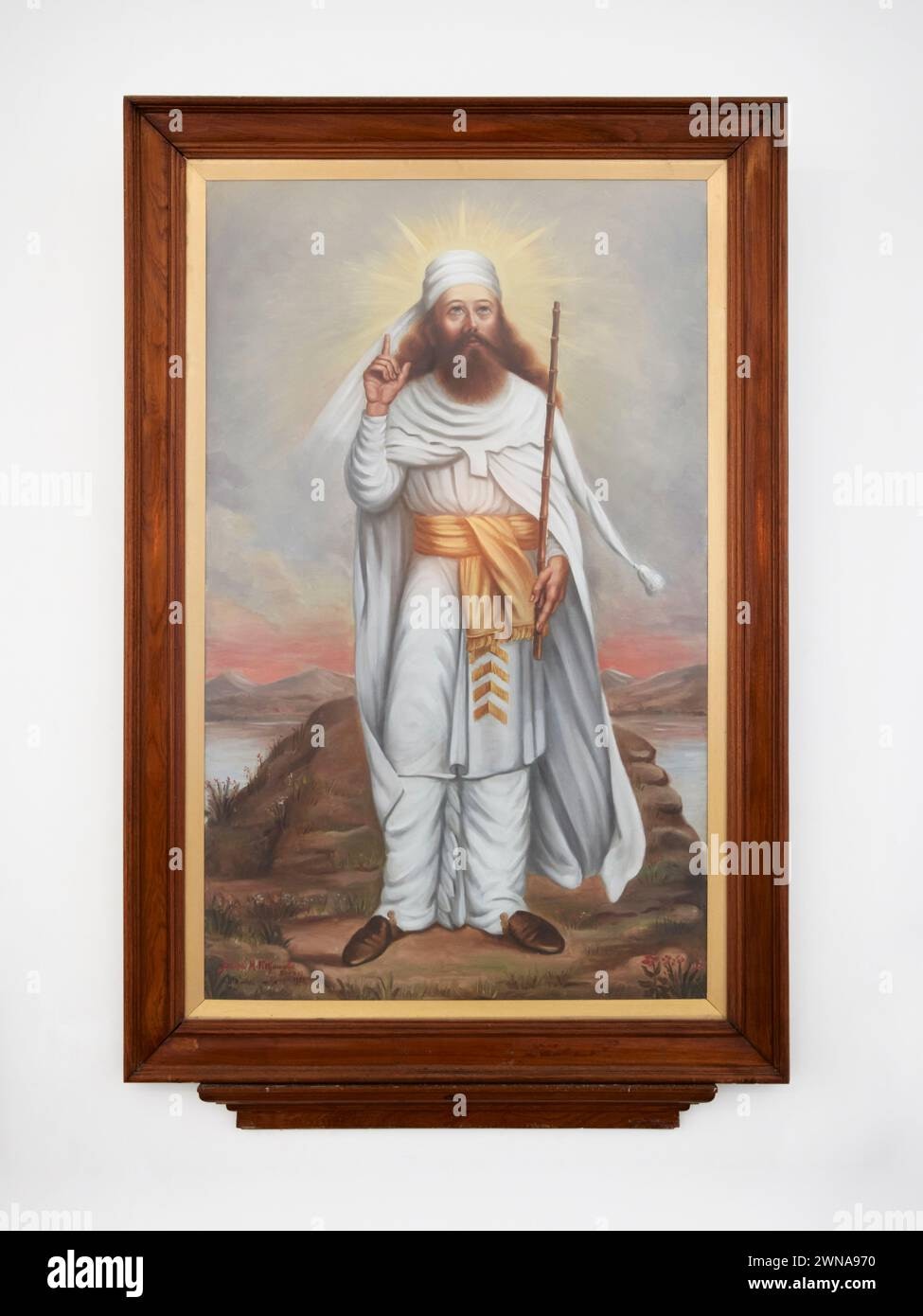
ในประเพณี Zoroastrian Zoroaster ถูกพรรณนาว่าเป็นชายมีหนวดเคราในชุดคลุมสีขาวและหมวก มักถือ barsom (มัดกิ่งไม้ที่ใช้ในพิธีกรรม) หน้าแท่นบูชาไฟ สัญลักษณ์ Faravahar ซึ่งเป็นจานมีปีกที่มีรูปมนุษย์ มักเกี่ยวข้องกับเขา แม้ว่าจะมีมาก่อนศาสนาของเขาและถูกนำมาใช้เป็นสัญลักษณ์ประจำชาติของ Zoroastrianism ในภายหลัง ในศิลปะและวรรณกรรมตะวันตก เขาถูกพรรณนาว่าเป็นปราชญ์โบราณ นักโหราศาสตร์ และพ่อมด ปรากฏใน The Magic Flute ของ Mozart ในบท Sarastro กษัตริย์นักบวชผู้ชาญฉลาด Zarathustra ในนิยายของ Nietzsche ทำให้ภาพลักษณ์ของเขาถูกบิดเบือนมากขึ้น นำไปสู่ความสับสนในหมู่ประชาชนระหว่างศาสดาทางประวัติศาสตร์กับสิ่งสร้างทางวรรณกรรมของนักปรัชญา
ชาว Zoroastrian เรียกตนเองว่า Mazdayasna (ผู้นมัสการ Mazda) หรือ Behdins (ผู้ปฏิบัติตามศาสนาที่ดี) ชุมชนสมัยใหม่แบ่งออกเป็นชาวปาร์ซีในอินเดียและชาวอิหร่านีในอิหร่าน พิธีกรรมที่สำคัญที่สุดคือพิธี Yasna ซึ่งเกี่ยวข้องกับการสวด Gathas และการเตรียม haoma วิหารไฟรักษาเปลวไฟนิรันดร์ เป็นสัญลักษณ์ของแสงสว่างของ Ahura Mazda Zoroaster ได้รับการยอมรับอย่างเป็นทางการว่าเป็นศาสดาในสาธารณรัฐอิสลามแห่งอิหร่าน และวันเกิดของเขามีการเฉลิมฉลองเป็น "วัน Zoroaster" ในวันที่ 6 ของเดือน Farvardin
ชื่อเสียงและแฟนด้อม
Zoroaster commands a following unlike any modern celebrity, defined not by social media trends or ticket sales but by a living religious tradition that has persisted for over two millennia. His adherents, known as Zoroastrians or Parsis depending on their region, organize through ancient fire temples and councils rather than fan clubs, maintaining a devotion that transcends the boundaries of time and geography. While there is no informal fandom name like those found in pop culture, the community's rituals, such as daily prayers and the maintenance of sacred fires, serve as acts of enduring reverence for the prophet who first articulated the cosmic struggle between truth and falsehood. This unique legacy ensures his influence remains tangible across Iran, India, and the diaspora, where his teachings continue to shape ethical frameworks and spiritual practices. The depth of this connection is reflected in global metrics of historical prominence. According to the iFANN Global Fame Rankings, he is the 14th most famous person in Iran (holding steady from the previous cycle) and the 49th most famous person in Middle East (holding steady from the previous cycle), securing his place among the most recognized figures in the region. These placements affirm that while he lacks a modern fanbase, his stature as a foundational historical figure remains undiminished.
เรื่องน่าสนใจและตำนาน
The name Zarathushtra likely translates to "one who drives camels" or "one who possesses old camels," reflecting his pastoral origins. Tradition holds that the Magi who visited the infant Jesus were Zoroastrian priests from Persia, linking him directly to Christian narratives. Friedrich Nietzsche later adopted Zoroaster as the voice for Thus Spoke Zarathustra, believing the prophet established the moral duality of good and evil that he sought to challenge. The Gathas, his sacred poetry, were passed down orally for centuries before being recorded in the Sasanian period using a newly invented alphabet. Cyrus the Great, the Achaemenid emperor who liberated the Jews, was almost certainly a follower, with his cylinder echoing Zoroastrian justice. A cenotaph in Naqsh-e Rostam stands as a UNESCO site since 1979, and classical historians like Herodotus and Pliny the Elder documented his life. Beyond history, legend tells of his divine revelation at age thirty near the river Atrek, marking the start of his mission. A central story recounts his conversion of King Vishtaspa, which transformed his personal faith into a state religion despite initial persecution. Folklore also describes his fiery debates against the Magi, ending in martyrdom by a Turanian invader while praying in a temple. Ancient Greeks once called him the "first philosopher," attributing vast wisdom to him, though many works were later fabrications.
คำพูดที่โดดเด่น
“I will speak of the two primal spirits of existence, the holier of which shall thus address the evil one: Neither our thoughts, nor our teachings, nor our wills, nor our choices, nor our words, nor our deeds, nor our consciences, nor our souls are in accord.”
“Hear with your ears the best truths, and ponder them with a clear mind, so that each person may choose their own path.”
“The wise person is one who does not cause harm to anyone, neither by thought, word, nor deed.”
“Truth is the best good. It shall be well with the person who is truthful.”
ครอบครัวและชีวิตส่วนตัว
Zoroaster แต่งงานสามครั้ง ภรรยาคนแรกของเขา ซึ่งไม่มีการบันทึกชื่อ ให้กำเนิดบุตรชายสามคน (Isat-vastra, Uruvat-nara, Hvare-chithra) และบุตรสาวสามคน (Freni, Thriti, Pouruchista) ภรรยาคนที่สอง ซึ่งไม่มีชื่อในข้อความที่หลงเหลืออยู่ ให้กำเนิดบุตรชายอีกสองคน ภรรยาคนที่สามคือ Hvōvita บุตรสาวคนเล็กของ Frashaoshtra รัฐมนตรีของกษัตริย์ Vishtaspa การแต่งงานนี้เป็นทั้งทางการเมืองและศาสนา: บุตรสาวของ Zoroaster ชื่อ Pouruchista แต่งงานกับหลานชายของ Hvōvita คือ Jamaspa นายกรัฐมนตรีของ Vishtaspa ทำให้พันธมิตรของศาสดากับราชสำนักแน่นแฟ้นขึ้น Hvōvita ถูกกล่าวถึงใน Gathas ว่าเป็นผู้ศรัทธาที่ภักดี และไม่มีการบันทึกบุตรจากการแต่งงานนี้ในแหล่งข้อมูลส่วนใหญ่ บิดามารดาของเขาคือ Pourushaspa และ Dughdhova และเขาเกิดในตระกูล Spitama
ความเชื่อมโยงที่โดดเด่น
Zoroaster มีความเกี่ยวข้องกับกษัตริย์อิหร่านโบราณ Vishtaspa และ Cyrus the Great รวมถึง Magi ในพันธสัญญาใหม่ เทววิทยาของเขามีอิทธิพลต่อนักปรัชญากรีกเช่น Heraclitus และ Plato และต่อมาศาสนาอับบราฮัมผ่านแนวคิดเรื่องการฟื้นคืนชีพและการพิพากษา ในวัฒนธรรมสมัยใหม่ เขาเชื่อมโยงกับนวนิยายปรัชญาของ Nietzsche เรื่อง Thus Spoke Zarathustra
ความสัมพันธ์และประวัติการคบหา
Zoroaster แต่งงานสามครั้ง ภรรยาคนแรกซึ่งไม่มีการบันทึกชื่อ แต่งงานกับเขาเมื่ออายุประมาณ 18 ปี (ประมาณ 610 ปีก่อนคริสตกาล) และให้กำเนิดบุตรชายสามคนและบุตรสาวสามคน เธออาจเสียชีวิตหรือแยกทางก่อนที่อาชีพศาสดาของเขาจะเริ่มต้น ภรรยาคนที่สองซึ่งไม่มีการบันทึกชื่อเช่นกัน แต่งงานในช่วงที่เขาท่องเที่ยวและให้กำเนิดบุตรชายอีกสองคน การแต่งงานครั้งที่สามที่มีชื่อเสียงที่สุดคือกับ Hvōvita บุตรสาวของขุนนาง Frashaoshtra หลังจากที่พระเจ้า Vishtaspa เปลี่ยนศาสนา (ประมาณ 585 ปีก่อนคริสตกาล) การแต่งงานนี้ผนึกความเป็นพันธมิตรของศาสดากับราชสำนัก Bactrian Hvōvita ถูกกล่าวถึงใน Gathas ว่าเป็นผู้ติดตามที่ภักดี ไม่มีการบันทึกบุตรจากการแต่งงานนี้ในแหล่งข้อมูลส่วนใหญ่ Zoroaster เสียชีวิตใน 551 ปีก่อนคริสตกาล โดยไม่มีคู่สมรสที่ยังมีชีวิตอยู่
- แต่งงานแล้วFirst Wife (name unknown)-610 - ปัจจุบันแต่งงานเมื่ออายุประมาณ 18 ปี; ให้กำเนิดบุตรชายสามคนและบุตรสาวสามคน; อาจเสียชีวิตหรือแยกทางก่อนอาชีพศาสดาของเขา
- แต่งงานแล้วSecond Wife (name unknown)แต่งงานในช่วงที่เขาท่องเที่ยว; ให้กำเนิดบุตรชายสองคน; ไม่ค่อยมีใครรู้เพิ่มเติม
- แต่งงานแล้วHvōvita-585 - -551บุตรสาวของ Frashaoshtra; การแต่งงานผนึกความเป็นพันธมิตรกับราชสำนัก Bactrian; ถูกกล่าวถึงใน Gathas ว่าเป็นผู้ติดตามที่ภักดี
การเสียชีวิตและผลที่ตามมา
เสียชีวิต
551 BCE (อายุ 77 ปี)
สถานที่เสียชีวิต
ไม่ทราบ
สาเหตุการเสียชีวิต
Reported as assassination by Turanian warrior or natural causes in legendary accounts
The exact date, place, cause of death, and circumstances surrounding the death of Zoroaster remain unconfirmed. While traditional accounts suggest he died around 551 BCE, modern scholarship indicates precise dates are unknown and disputed with some sources placing him in earlier centuries. Accounts of his death vary in legend; some claim he was killed by Turanian invaders during a religious war, while others suggest he died peacefully of natural causes, but none are historically verified. No contemporary records detail a medical ruling or legal investigation, as such institutions did not exist in antiquity.
Following his death, the early Zoroastrian community relied on oral traditions to preserve his teachings, ensuring the Gathas were transmitted. His legacy endured through the establishment of Zoroastrianism as a major faith, influencing Judaism, Christianity, and Islam with concepts of resurrection and judgment. Today, his name lives on through the enduring institution of the religion he founded and the study of his ancient hymns.
มูลค่าทรัพย์สิน (มูลค่ามรดก)
$0
การประเมินโดยทีมบรรณาธิการ iFANN
Per iFANN's editorial analysis, Zoroaster held a net worth of $0. As a 6th-century BCE prophet operating within a pre-monetary tribal society, he possessed no personal financial assets or estate. He died as a martyr rather than a wealthy individual, leaving behind no quantifiable fortune. The religion he founded, Zoroastrianism, carries immeasurable cultural and historical significance, yet it holds no specific monetary value tied to his personal legacy. Modern communities in Iran and India maintain fire temples and charitable institutions, but these are communal religious assets unrelated to any personal wealth. His true estate exists in the form of the Zoroastrian faith itself, which remains beyond financial measurement.
รางวัลและเกียรติยศ
View 8 records, honours and achievementsเป็นที่รู้จักจาก
Founding Zoroastrianism
c. 600 BCE · Prophet and founder
Composing the Gathas
c. 588–551 BCE · นักเขียน
คำสำคัญ
ข้อมูลโดยย่อ
- อาชีพ
- prophet, founder of religion, poet
- เกิด
- c. 628 BCE
- สถานที่เกิด
- Ray (Iran) or eastern Greater Iran
- เสียชีวิต
- c. 551 BCE
- สถานที่เสียชีวิต
- Balkh (Bactria)
- เพศ
- ชาย
- คู่สมรส
- Hvōvita
ข้อมูลส่วนตัว
- ชื่อเต็ม
- Zarathushtra Spitama
- คู่สมรส
- Hvōvita
- บุตร
- Isat-vastra, Uruvat-nara, Hvare-chithra (sons); Freni, Thriti, Pouruchista (daughters); additional children from earlier marriages
- การศึกษา
- Oral priestly training in Indo-Iranian religious traditions
คำถามที่พบบ่อย
Zoroaster คือใคร?
Zoroaster มีมูลค่าทรัพย์สินเท่าไหร่?
Zoroaster ยังคงมีอิทธิพลในปัจจุบันหรือไม่?
Zoroaster มีชื่อเสียงในเรื่องใด?
Zoroaster เสียชีวิตอย่างไร?
บุคคลที่คล้ายกัน
เข้าร่วมชุมชน
แฟนกำลังพูดคุย