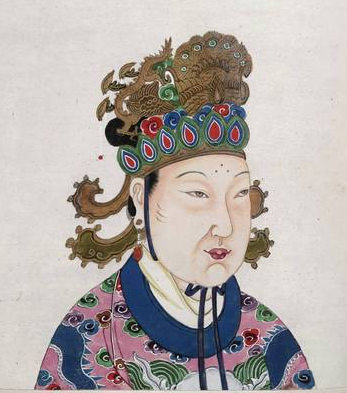
Wu Zetian
 China
Chinaempress consort•poet•empress regnant
Also known as: Empress Wu, Wu Zhao, Wu Hou, Empress Zetian
วันเกิด
February 17, 624
ราศี
Aquarius
สถานที่เกิด
Guangyuan (disputed), Tang China
อายุ
เสียชีวิตเมื่ออายุ 81 ปี
เกี่ยวกับ
Wu Zetian was the only woman in the long history of China to rule as emperor in her own right. Born Wu Zhao in 624, she rose from being a teenage concubine to the most powerful person in the realm, eventually founding her own Zhou dynasty and ruling for fifteen years. Her ascent shattered the deepest conventions of a deeply patriarchal society, and her reign remains a subject of fierce debate.
As emperor, Wu Zetian was both ruthless and capable. She employed a network of informants, eliminated rivals with brutal efficiency, and was long portrayed by Confucian historians as a villainess. But modern scholarship paints a more complex picture. She reformed the civil service examination system to favor talent over aristocratic birth, expanded China's territory, and patronized Buddhism, commissioning the giant Buddha at Longmen Grottoes. Her reign brought stability and prosperity that helped set the stage for the later golden age of the Tang.
Wu Zetian was also a poet and a creator of her own Chinese character. Her blank tombstone at Qianling Mausoleum symbolizes the enduring controversy around her legacy. She remains one of the most fascinating and studied figures in Chinese history, a woman who wielded absolute power in a world that told her she could not.
ชีวิตช่วงต้นและภูมิหลัง
อู่เจ้าเกิดในครอบครัวที่มีสายสัมพันธ์ดี บิดาของเธอ อู่ซือฮั่ว เป็นพ่อค้าไม้ที่กลายเป็นผู้สนับสนุนการกบฏที่ก่อตั้งราชวงศ์ถัง และได้เลื่อนตำแหน่งเป็นรัฐมนตรีว่าการโยธา มารดาของเธอ หยางซื่อ มาจากตระกูลหยางที่ทรงอำนาจ แตกต่างจากเด็กผู้หญิงส่วนใหญ่ในยุคนั้น อู่ได้รับการสนับสนุนให้อ่านหนังสือและศึกษาเล่าเรียน เธอเรียนรู้ประวัติศาสตร์ การเมือง อักษรวิจิตร ดนตรี และกวีนิพนธ์ พัฒนาสติปัญญาเฉียบแหลมและความทะเยอทะยาน
เมื่ออู่อายุประมาณสิบสี่ปี จักรพรรดิถังไท่จงทรงเลือกนางเป็นสนมชั้นต่ำ มารดาของนางร้องไห้เมื่อต้องจากลา แต่อู่ reportedly ตอบว่า "แม่รู้ได้อย่างไรว่ามันไม่ใช่โชคชะตาของลูก?" ในราชสำนัก นางรับใช้เป็นเลขานุการ ซึมซับการทำงานของอำนาจจักรพรรดิ ตามตำนาน หมอดูหยวนเทียนกังทำนายไว้ตั้งแต่แรกเกิดว่านางจะได้ครองแผ่นดิน เมื่อไท่จงสวรรคตในปี 649 อู่และนางสนมที่ไม่มีบุตรคนอื่น ๆ ถูกส่งไปวัดกานเย่เพื่อเป็นแม่ชีพุทธ ซึ่งเป็นชะตากรรมธรรมดาที่จะจบเรื่องราวของนาง แต่นางมีแผนอื่น
ความก้าวหน้าในอาชีพ
การกลับมาของอู่จากวัดถูกจัดฉากโดยจักรพรรดิองค์ใหม่ ถังเกาจง ซึ่งรู้จักนางตั้งแต่สมัยที่พระบิดายังมีชีวิตอยู่ ด้วยความช่วยเหลือของจักรพรรดินีหวัง ซึ่งมองว่าอู่เป็นพันธมิตรที่มีประโยชน์ในการต่อต้านพระสนมคู่แข่ง อู่ถูกนำกลับสู่ราชสำนักในราวปี 651 นางเอาชนะผู้หญิงทั้งสองได้อย่างรวดเร็ว ในปี 655 หลังจากที่บุตรสาวทารกของนางเสียชีวิตอย่างน่าสงสัย ซึ่งนางถูกกล่าวหาว่าวางแผนเพื่อใส่ร้ายจักรพรรดินีหวัง อู่ก็ได้เป็นจักรพรรดินี
ตั้งแต่ปี 660 เป็นต้นมา เกาจงทรงประชวรหนัก และอู่เริ่มปกครองแทนพระองค์ นางควบคุมจักรวรรดิได้อย่างมีประสิทธิภาพ สั่งการทัพและออกกฎหมาย เมื่อเกาจงสวรรคตในปี 683 นางกลายเป็นพระพันปีหลวงและผู้สำเร็จราชการแทนพระโอรส แต่นางต้องการมากกว่านั้น ในปี 684 นางปลดพระโอรสหลังจากครองราชย์เพียง 44 วัน แต่งตั้งพระโอรสอีกองค์แทน และในปี 690 นางก็ผลักพระองค์ออกไปเช่นกัน ประกาศตนเป็นจักรพรรดิแห่งราชวงศ์โจวใหม่
การครองราชย์ของอู่ในฐานะจักรพรรดิดำเนินไปจนถึงปี 705 นางเลื่อนตำแหน่งข้าราชการผ่านการสอบวัดความสามารถ ขยายอาณาเขต และอุปถัมภ์พุทธศาสนา นางยังใช้สายลับและมาตรการรุนแรงเพื่อปราบปรามฝ่ายค้าน ในปี 705 รัฐประหารบีบให้นางสละราชสมบัติให้แก่พระโอรสจงจง ฟื้นฟูราชวงศ์ถัง อู่สิ้นพระชนม์ในปีเดียวกันนั้นขณะอายุ 81 ปี
ไทม์ไลน์อาชีพ
ภาพลักษณ์สาธารณะและสไตล์
เป็นเวลาหลายศตวรรษ อู่เจ๋อเทียนถูกพรรณนาว่าเป็นหญิงร้ายที่โหดเหี้ยมและกระหายอำนาจ โดยนักประวัติศาสตร์ขงจื๊อผู้ชาย ซึ่งเป็นเรื่องเล่าที่ครอบงำภาพลักษณ์ของนาง นางถูกวาดว่าเบี่ยงเบนทางเพศ ฆาตกร และผิดธรรมชาติ เป็นผู้หญิงที่ฝ่าฝืนระเบียบที่ถูกต้อง ในยุคสมัยใหม่ ภาพลักษณ์นั้นซับซ้อนขึ้น นักวิชาการสตรีนิยมและนักประวัติศาสตร์ได้ตรวจสอบการครองราชย์ของนางอีกครั้ง โดยยอมรับว่านางเป็นผู้ปกครองที่มีความสามารถซึ่งดำเนินงานในระบบที่เป็นไปไม่ได้ ปัจจุบันนางถูกมองว่าเป็นนักการเมืองที่เฉียบแหลม นักปฏิรูป และผู้อุปถัมภ์ศิลปะและพุทธศาสนา วัฒนธรรมสมัยนิยมยอมรับความซับซ้อนของนาง: นางปรากฏในภาพยนตร์และละครโทรทัศน์ทั้งในฐานะตัวร้ายและวีรสตรีผู้โศกเศร้า ไม่มีแฟนดอมอย่างเป็นทางการ แต่นางถูกพูดถึงอย่างกว้างขวางในฟอรัมประวัติศาสตร์ Reddit และ Quora ซึ่งการถกเถียงเกี่ยวกับมรดกของนางยังคงมีชีวิตชีวา
ชื่อเสียงและแฟนด้อม
เพิ่มเติม
Wu Zetian stands as a singular figure in the annals of history, her legacy transcending the centuries to command attention in the modern digital landscape. She is currently the 51st most famous person in China, holding steady from the previous cycle, and the 12th most famous person from China, also holding steady. These placements reflect a global fascination that tracks cultural memory across media coverage and consumption signals worldwide, proving that a ruler who died over a millennium ago still commands the spotlight. Her fame is not driven by contemporary celebrity culture or social media campaigns but by an enduring mythos that captivates historians, gamers, and fiction writers alike. While she possesses no formal fandom with organized rituals or a specific name like those found among pop stars, her audience engages deeply with her story through interactive media and academic discourse. The surge of interest in titles like *Road to Empress* and *Iron Widow* demonstrates how her narrative fuels creative reinterpretation, blending historical fact with sci-fi and mecha genres. Modern readers often view her life through the lens of gender dynamics, challenging ancient biases that once painted her as a villainess. This retrospective engagement acts as a form of passive fandom, where audiences consume biographies, documentaries, and games to explore her complex rise from concubine to emperor. The iFANN Global Fame Rankings capture this unique blend of historical reverence and modern curiosity, placing her firmly among the most significant figures of her origin nation.
เรื่องน่าสนใจและตำนาน
Wu Zetian created her own Chinese character "曌" (Zhao) for her name, ingeniously combining the symbols for sun, moon, and sky to signify her divine authority. Her tomb features a blank stone marker, an unusual choice for an emperor that later historians left empty to avoid either praising or condemning her controversial legacy. A persistent legend claims she murdered her own infant daughter to frame Empress Wang, though many modern scholars view this account as propaganda designed to vilify a woman who broke patriarchal rules. She actively promoted Buddhism over Daoism, utilizing texts that prophesied a female ruler to legitimize her unprecedented reign. Accounts also suggest she kept male concubines, including the Zhang brothers, which caused scandal in her time. Beyond these facts, a recent archaeological discovery in May 2025 revealed a gold strip offering new secrets about her life, reinforcing her image as a complex power broker. Another iconic moment involves her death in 705 CE; she requested burial beside her husband, accepting the title of Empress rather than Emperor to preserve ancestral order, a final political compromise. Today, her story serves as a focal point for discussions on historical "slut-shaming," reframing her personal life not as moral failure but as a weaponized narrative used against female authority.
คำพูดที่โดดเด่น
“How do you know that it is not my fortune?”
“Women are to be led and to follow others... A woman ruler would be as unnatural as having a hen crow like a rooster at daybreak.”
“I am the son of heaven, and I will do as I please.”
“The empire is my family. If I do not rule it, who will?”
ครอบครัวและชีวิตส่วนตัว
บิดาของอู่ อู่ซือฮั่ว เป็นพ่อค้าไม้ที่กลายเป็นขุนนางถังและดำรงตำแหน่งรัฐมนตรีว่าการโยธา มารดาของนาง หยางซื่อ มาจากตระกูลหยางที่ทรงอำนาจ หลังจากบิดาเสียชีวิตเมื่อนางอายุประมาณสิบสองปี ฐานะของครอบครัวตกต่ำ และนางถูกรังแกโดยพี่ชายต่างมารดาและลูกพี่ลูกน้อง อู่มีพี่ชายต่างมารดาสองคน พี่สาวน้องสาวร่วมมารดาสองคน และลูกพี่ลูกน้องอีกหลายคน นางมีบุตรหกคนกับจักรพรรดิเกาจง: บุตรชายสี่คน (หลี่หง, หลี่เซียน, หลี่เจ๋อ, และหลี่ตาน) และบุตรสาวสองคน บุตรสาวคนหนึ่งเสียชีวิตในวัยทารกภายใต้สถานการณ์น่าสงสัย บุตรสาวที่รอดชีวิต องค์หญิงไท่ผิง กลายเป็นบุคคลทางการเมืองที่มีอำนาจด้วยตนเอง อู่ไม่เคยแต่งงานใหม่หลังจากเกาจงสวรรคตในปี 683
ความเชื่อมโยงที่โดดเด่น
ชีวิตของอู่เจ๋อเทียนเชื่อมโยงกับราชวงศ์ถัง จักรพรรดิไท่จงเป็นสามีคนแรกและจักรพรรดิของนาง จักรพรรดิเกาจง พระโอรสของพระองค์ กลายเป็นสามีคนที่สองและเป็นบิดาของบุตรของนาง จักรพรรดินีหวังและพระสนมเซียวเป็นคู่แข่งที่นางปลดและสังหาร พระโอรสของนางหลี่หงและหลี่เซียนสิ้นพระชนม์ตั้งแต่ยังเยาว์ภายใต้สถานการณ์น่าสงสัย พระโอรสหลี่เจ๋อกลายเป็นจักรพรรดิจงจงในช่วงสั้น ๆ ก่อนที่นางจะปลด และหลี่ตานกลายเป็นจักรพรรดิรุ่ยจงภายใต้การสำเร็จราชการของนาง พระธิดาองค์หญิงไท่ผิงเป็นบุคคลทางการเมืองสำคัญ พี่น้องจาง จางอี้จื้อและจางชางจง เป็นคนโปรดชายของนางในบั้นปลาย
ความสัมพันธ์และประวัติการคบหา
อู่เจ๋อเทียนมีความสัมพันธ์ที่รู้จักกันสองครั้ง ครั้งแรกกับจักรพรรดิถังไท่จง (หลี่ซือหมิน) ซึ่งทรงรับนางเป็นพระสนมในปี ค.ศ. 638 เมื่อนางอายุสิบสี่ปี นางรับใช้เป็นพระสนมชั้นห้า และทั้งสองสนทนากันอย่างรู้เรื่องเกี่ยวกับประวัติศาสตร์และการเมือง ถังไท่จงเรียกนางว่า "เหม่ยเหนียง" (สาวสวย) ทั้งสองไม่มีพระโอรสธิดาด้วยกัน ความสัมพันธ์สิ้นสุดลงเมื่อถังไท่จงสวรรคตในปี ค.ศ. 649 หลังจากนั้นอู่ถูกส่งไปยังสำนักชีพุทธ
ความสัมพันธ์ครั้งที่สองและสำคัญกว่าคือกับจักรพรรดิถังเกาจง (หลี่จื้อ) พระราชโอรสของถังไท่จง ทั้งสองเริ่มมีความสัมพันธ์กันในขณะที่อู่ยังเป็นพระสนมของถังไท่จง หลังจากถังไท่จงสวรรคต ถังเกาจงทรงนำนางกลับมาจากสำนักชีในราวปี ค.ศ. 651 ทั้งสองอภิเษกสมรส และอู่ได้เป็นจักรพรรดินีในปี ค.ศ. 655 ทั้งสองมีพระโอรสธิดาด้วยกันหกพระองค์ ตั้งแต่ปี ค.ศ. 660 เป็นต้นมา อู่ทรงปกครองโดยพฤตินัยเนื่องจากถังเกาจงทรงประชวร การอภิเษกสมรสดำเนินไปจนถึงการสวรรคตของถังเกาจงในปี ค.ศ. 683 อู่ไม่ทรงอภิเษกสมรสอีก ณ ปี ค.ศ. 2026 อู่เจ๋อเทียนสิ้นพระชนม์แล้ว โดยสวรรคตในปี ค.ศ. 705
- เคยคบหาEmperor Taizong of Tang638 - 649อู่เป็นพระสนม (ไฉเหริน) ของจักรพรรดิถังไท่จง ทั้งสองสนทนากันอย่างรู้เรื่องแต่ไม่มีพระโอรสธิดา
- แต่งงานแล้วEmperor Gaozong of Tang651 - 683อู่ทรงอภิเษกสมรสกับถังเกาจงหลังจากถูกนำกลับมาจากสำนักชี ทั้งสองมีพระโอรสธิดาหกพระองค์และนางปกครองโดยพฤตินัยตั้งแต่ปี ค.ศ. 660
การเสียชีวิตและผลที่ตามมา
เสียชีวิต
December 16, 705 (อายุ 81 ปี)
สถานที่เสียชีวิต
Luoyang
สาเหตุการเสียชีวิต
Natural causes following long illness
Inside the Qingshan Palace in Luoyang, the capital of her Zhou dynasty, Wu Zetian lay ill as the political winds shifted violently around her. For months she had been isolated from her son and court officials by favored concubines Wei Anshi and Yu Yanqing, a barrier that crumbled when conspirators led by Zhang Jianzhi stormed the palace on February 20, 705 to force her abdication. The aging empress, now effectively sidelined from active rule, passed away on December 16, 705, at the age of 81 following a long decline in health consistent with natural causes.
Imperial chronicles and the testimony of attending physicians established this cause, dismissing later legends of poisoning as unconfirmed speculation. The immediate aftermath was defined not by mourning but by a fierce political recalibration. While her son Emperor Zhongzong initially granted her the title "Shengshen Huanghou," Confucian scholars quickly moved to condemn her memory, removing her spirit tablet from the ancestral temple and erasing inscriptions to paint her as a cautionary tale of female ambition. Her funeral proceeded as a state burial alongside Emperor Gaozong at the Qianling Mausoleum in Shaanxi, though the ceremony remained subdued amidst the turmoil of the Tang restoration.
Her legacy was sealed by the enigmatic No Stone Inscription erected by her son, a blank stele allowing history to judge her merits and faults without official bias. Over centuries, the narrative shifted from villainy to recognition of her capability as a statesman who expanded the civil service examination system, yet her personal property was absorbed back into the imperial treasury upon the dynasty's return.
มูลค่าทรัพย์สิน (มูลค่ามรดก)
$0
การประเมินโดยทีมบรรณาธิการ iFANN
As a historical figure who passed away in 705 CE, Wu Zetian has no contemporary net worth. During her reign, she controlled the imperial treasury of the Tang and Zhou dynasties, funding massive military campaigns, construction projects, and the lavish imperial court. No reliable estimates of her personal wealth exist, and there is no posthumous estate to be valued in monetary terms. Her legacy remains strictly historical and cultural rather than financial. Per iFANN's editorial analysis, the total value attributed to her personal fortune is $0.
รางวัลที่ได้รับ (5)
ในฐานะบุคคลในประวัติศาสตร์ในศตวรรษที่ 7–8 อู่เจ๋อเทียนมาก่อนพิธีมอบรางวัลสมัยใหม่ ในช่วงพระชนม์ชีพ พระองค์ทรงดำรงพระอิสริยยศเป็นไฉเหริน จักรพรรดินี พระพันปีหลวง และจักรพรรดิ พระองค์ได้รับพระอิสริยยศหลังสวรรคตเป็นจักรพรรดินีเจ๋อเทียน ไม่มีรางวัลร่วมสมัย
638 · พระอิสริยยศ
Service to Emperor Taizong
655 · พระอิสริยยศ
Marriage to Emperor Gaozong
เป็นที่รู้จักจาก
Only female emperor in Chinese history
690–705 · จักรพรรดิ
Zhou dynasty
690–705 · Founder and ruler
Reform of civil service examination system
7th century · Patron
Patronage of Buddhism
7th century · Patron
Poetry
7th century · Poet
คำสำคัญ
แหล่งที่มา
ข้อมูลโดยย่อ
- อาชีพ
- empress consort, poet, empress regnant
- เกิด
- February 17, 624
- สถานที่เกิด
- Guangyuan (disputed)
- เสียชีวิต
- December 16, 705
- สถานที่เสียชีวิต
- Luoyang
- เพศ
- หญิง
- คู่สมรส
- Emperor Gaozong of Tang
- ราศี
- Aquarius
ข้อมูลส่วนตัว
- ชื่อเต็ม
- Wu Zhao
- คู่สมรส
- Emperor Gaozong of Tang
- บุตร
- Li Hong, Li Xian, Li Zhe (Emperor Zhongzong), Li Dan (Emperor Ruizong), Princess Taiping, and one daughter who died in infancy
- การศึกษา
- Educated at home in literature, history, politics, calligraphy, music, and poetry
คำถามที่พบบ่อย
อู่เจ๋อเทียนฆ่าลูกสาวของตัวเองจริงหรือไม่?
อู่เจ๋อเทียนกลายเป็นจักรพรรดิได้อย่างไร?
เกิดอะไรขึ้นกับพระโอรสธิดาของอู่เจ๋อเทียน?
อู่เจ๋อเทียนเป็นผู้ปกครองที่ดีหรือไม่?
อู่เจ๋อเทียนถูกฝังที่ไหน?
บุคคลที่คล้ายกัน
เข้าร่วมชุมชน
แฟนกำลังพูดคุย