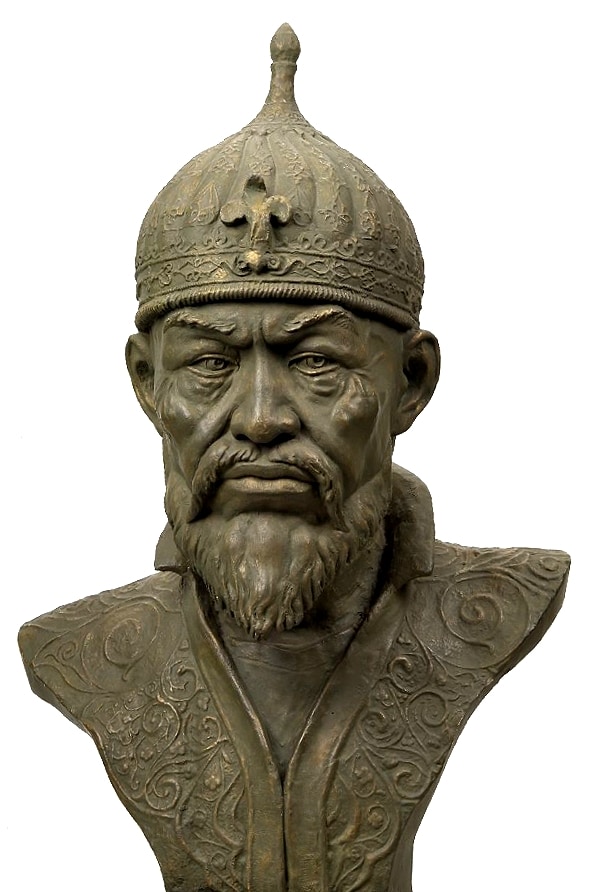
Timur
Also known as: Tamerlane, Timur the Lame, Amir Timur
วันเกิด
April 9, 1336
ราศี
Aries
สถานที่เกิด
Khoja-Ilgar, near Kesh (modern-day Shahrisabz, Uzbekistan)
อายุ
เสียชีวิตเมื่ออายุ 68 ปี
เกี่ยวกับ
ติมูร์ ซึ่งชาวตะวันตกรู้จักในชื่อ Tamerlane เป็นผู้พิชิตเชื้อสายเตอร์กิก-มองโกล ผู้ก่อตั้งจักรวรรดิ Timurid ในช่วงปลายศตวรรษที่ 14 เกิดในสมาพันธ์ Barlas ใน Transoxiana เขาก้าวขึ้นจากชนชั้นสูงเล็กน้อยมาเป็นผู้ปกครองที่ทรงอำนาจที่สุดในโลกมุสลิม ภายในปี ค.ศ. 1370 เขาเข้ายึดครอง Chagatai Khanate ฝั่งตะวันตก และเปิดฉากการทัพทางทหารหลายครั้งที่เปลี่ยนโฉมหน้าทวีปเอเชียตั้งแต่ทุ่งหญ้าสเตปป์ของรัสเซียไปจนถึงแม่น้ำสินธุ ไม่เคยพ่ายแพ้ในสนามรบ ติมูร์เอาชนะ Golden Horde, สุลต่านมัมลุก, จักรวรรดิออตโตมัน และสุลต่านเดลี เป็นต้น การพิชิตของเขาเต็มไปด้วยความโหดร้ายทารุณ โดยนักวิชาการประมาณการว่าการทัพของเขาทำให้มีผู้เสียชีวิตหลายล้านคน แต่เขาก็ส่งเสริมวัฒนธรรม จุดประกายยุค Timurid Renaissance ซึ่งเป็นช่วงที่ศิลปะ วิทยาศาสตร์ และสถาปัตยกรรมรุ่งเรือง โดยมีศูนย์กลางอยู่ที่ Samarkand เขาคบหาสมาคมกับปัญญาชนชั้นนำในยุคนั้น รวมถึงนักประวัติศาสตร์ Ibn Khaldun และกวี Hafez ติมูร์พูดได้หลายภาษา รวมถึง Chagatai Turkic, Classical Mongolian และ New Persian ซึ่งเขาใช้ในการทูต เขาเสียชีวิตในปี ค.ศ. 1405 ขณะกำลังเดินทัพไปยังจีน ทิ้งจักรวรรดิที่แตกแยกไว้เบื้องหลัง ซึ่งปูทางไปสู่จักรวรรดิแห่งดินปืนในยุคหลัง
ชีวิตช่วงต้นและภูมิหลัง
ติมูร์เติบโตขึ้นในช่วงที่ Chagatai Khanate ซึ่งเป็นรัฐสืบทอดจากจักรวรรดิของเจงกีสข่านในเอเชียกลาง กำลังแตกสลาย Khanate แยกออกเป็นฝ่ายที่ทำสงครามกัน และติมูร์หนุ่มใช้ชีวิตในโลกแห่งการปล้นสะดม พันธมิตรที่เปลี่ยนไปมา และความรุนแรงที่ต่อเนื่อง เขาใช้ชีวิตในวัยเด็กและวัยหนุ่มในภูเขา Kesh เติบโตในสภาพแวดล้อมของคนเลี้ยงแกะ แต่ก็คุ้นเคยกับชีวิตในเมืองและชนบท เนื่องจาก Shahrisabz ถูกปกครองโดย Barlas Chagatai Ulus แบ่งออกเป็นสองส่วนในปี ค.ศ. 1347: Mavarannahr และ Moghulistan ในการปล้นสะดมช่วงแรก ติมูร์ได้รับบาดเจ็บสาหัส: ถูกฟันดาบที่มือขวาทำให้นิ้วสองนิ้วพิการ และถูกธนูยิงทะลุขาขวาทำให้เขาพิการเดินกะเผลกถาวร ซึ่งเป็นที่มาของชื่อตะวันตกว่า Tamerlane (Timur the Lame) ซึ่งเขามีรายงานว่าเกลียดชื่อนี้ เขาเริ่มต้นอาชีพในฐานะหัวหน้ากลุ่มชนเร่ร่อน ค่อยๆ สร้างชื่อเสียงในด้านความหลักแหลมทางยุทธวิธีและความโหดเหี้ยม
ความก้าวหน้าในอาชีพ
การขึ้นสู่อำนาจของติมูร์เริ่มขึ้นในปี ค.ศ. 1370 เมื่อเขาเข้ายึดครอง Chagatai Khanate ฝั่งตะวันตก ก่อตั้งจักรวรรดิ Timurid ในช่วงสามทศวรรษต่อมา เขาเปิดฉากการทัพหลายครั้งที่ทำให้เขากลายเป็นผู้พิชิตที่น่ากลัวที่สุดในเอเชีย ในช่วงทศวรรษ 1380 และ 1390 เขาเอาชนะ Golden Horde ปล้นสะดม Sarai และทำให้อำนาจของมองโกลในรัสเซียอ่อนแอลง ในปี ค.ศ. 1398 เขาบุกสุลต่านเดลี ปล้นสะดมเดลีและสังหารหมู่ชาวเมือง ในปี ค.ศ. 1400-1401 เขาเอาชนะสุลต่านมัมลุก ยึด Damascus และ Aleppo ชัยชนะที่ยิ่งใหญ่ที่สุดของเขามาในปี ค.ศ. 1402 ที่ยุทธการ Ankara ซึ่งเขาจับกุมสุลต่าน Bayezid I แห่งออตโตมัน ทำให้จักรวรรดิออตโตมันตกอยู่ในภาวะสงครามกลางเมือง ตลอดการทัพเหล่านี้ ติมูร์ยังอุปถัมภ์ศิลปะ เปลี่ยน Samarkand ให้เป็นศูนย์กลางแห่งวิชาการด้วยอาคารอันโอ่อ่า ห้องสมุด และ Madrasah เขาคบหาสมาคมกับปัญญาชนเช่นนักประวัติศาสตร์ Ibn Khaldun และกวี Hafez จุดประกายยุค Timurid Renaissance ในปี ค.ศ. 1405 ขณะกำลังเดินทัพไปยังจีนเพื่อทำสงครามกับราชวงศ์หมิง เขาล้มป่วยด้วยไข้รุนแรงและเสียชีวิตที่ Otrar
ไทม์ไลน์อาชีพ
ภาพลักษณ์สาธารณะและสไตล์
ภาพลักษณ์สาธารณะของติมูร์เป็นเรื่องของความขัดแย้ง: เขาถูกจดจำทั้งในฐานะนักยุทธศาสตร์ทางทหารที่ยอดเยี่ยมและขุนศึกที่โหดเหี้ยม ในโลกตะวันตก เขามักถูกวาดเป็นผู้พิชิตที่ป่าเถื่อน โดยชื่อ Tamerlane ทำให้เกิดภาพของพีระมิดกะโหลกศีรษะและเมืองที่ถูกทำลาย ในเอเชียกลาง โดยเฉพาะในอุซเบกิสถาน เขาได้รับการเคารพในฐานะวีรบุรุษของชาติและสัญลักษณ์แห่งความแข็งแกร่งและความสามัคคี อนุสาวรีย์ของเขาตั้งอยู่ใน Tashkent และ Shahrisabz และสุสานของเขา Gur-e-Amir ใน Samarkand เป็นสถานที่ท่องเที่ยวสำคัญ นักประวัติศาสตร์บันทึกถึงการอุปถัมภ์ศิลปะของเขาและการคบหาสมาคมกับนักวิชาการ ซึ่งตรงข้ามกับความโหดร้ายทารุณในสงคราม มรดกของเขาซับซ้อน สร้างทั้งความกลัวและความชื่นชมในวัฒนธรรมที่แตกต่างกัน
ชื่อเสียงและแฟนด้อม
Timur commands a legacy that transcends the typical boundaries of historical celebrity, existing instead as a towering figure of geopolitical mythology and national identity. In Central Asia, particularly within Uzbekistan, he is revered not merely as a past ruler but as a foundational symbol of strength and unity, with his monuments anchoring the cultural landscape of Tashkent and Shahrisabz. This deep-seated reverence functions less like a modern fanbase and more like a state-sponsored historical devotion, where scholars, strategists, and citizens engage with his life as a continuous narrative of power rather than a static chapter in a textbook. There is no organized global fandom with specific nicknames, fan-funded campaigns, or viral rituals comparable to contemporary pop culture phenomena; his audience remains rooted in academic study and regional commemoration rather than the energetic mobilization seen in digital eras. The absence of a formal fan name reflects the nature of his influence, which operates through enduring institutions like the Gur-e-Amir mausoleum in Samarkand rather than social media trends or subscription drives. Despite this lack of a unified modern following, his reputation as a brilliant tactician and ruthless warlord ensures he remains a subject of intense fascination for historians and military enthusiasts worldwide. According to the iFANN Global Fame Engine evaluation from August 2026, Timur does not currently hold a placement in the published rankings, including the Global Top 1,000 or any Top-100 scope list. While he lacks a numerical standing among living celebrities or recently deceased figures who dominate current search metrics, his cultural footprint remains immense across the regions he once conquered. The iFANN assessment confirms that while he is evaluated as a significant historical entity, his fame does not translate into the quantifiable daily engagement required for a ranked position in the modern system.
เรื่องน่าสนใจและตำนาน
Timur's name shares a linguistic root with Genghis Khan's birth name Temüjin, both deriving from the Common Turkic word for blacksmith. Despite his reputation for extreme brutality, he was a dedicated patron of the arts who engaged with leading intellectuals of his time, including the historian Ibn Khaldun. The Timurid dynasty endured in Central Asia for a century, and his descendant Babur would later found the Mughal Empire in India. Throughout his entire military career, Timur remained undefeated in battle, having defeated the Golden Horde, the Mamluk Sultanate, the Ottoman Empire, and the Delhi Sultanate. The Western name Tamerlane comes from the Persian Timur-i-Lang (Timur the Lame), a nickname he reportedly despised. When Soviet archaeologist Mikhail Gerasimov opened Timur's tomb on June 19, 1941, he allegedly found an inscription warning that opening the tomb would unleash a terrible invader; three days later, Nazi Germany invaded the Soviet Union. A widely retold story describes how Timur ordered the construction of a tower made from the skulls of his enemies during his conquest of Delhi, cementing his image as the Scourge of the East. Folklore also preserves the dramatic account of the Battle of Ankara, where Timur sat on a golden throne while the captured Ottoman Sultan Bayezid I served him water, symbolizing total dominance over a rival empire.
คำพูดที่โดดเด่น
“Timur reportedly described his mother's descent to Ibn Khaldun as being from the legendary Persian hero Manuchehr.”
ครอบครัวและชีวิตส่วนตัว
บิดาของติมูร์คือ Taraghai หัวหน้าเผ่าเล็กๆ ของตระกูล Barlas ซึ่งเป็นกลุ่มมองโกลที่ถูกทำให้เป็นเตอร์กิกและเปลี่ยนมานับถือศาสนาอิสลาม Barlas อ้างว่าสืบเชื้อสายมาจากเจงกีสข่านผ่าน Tumbinai Khan แม้ว่าจะไม่มีหลักฐานเป็นลายลักษณ์อักษรจากช่วงชีวิตของติมูร์ที่ยืนยันความเชื่อมโยงนี้โดยตรง มารดาของเขาคือ Tekina Khatun ซึ่งต้นกำเนิดยังไม่ชัดเจน Ibn Khaldun เล่าว่าติมูร์บรรยายว่าเธอสืบเชื้อสายมาจากวีรบุรุษเปอร์เซียในตำนาน Manuchehr ติมูร์มีภรรยาหลายคน รวมถึงภรรยาหลัก Saray Malik Katun เจ้าหญิงแห่ง Chagatai Khanate รวมถึง Uljay-Turkan aga, Cholpan-Mulk Aga และ Dilshad aga บุตรชายของเขา ได้แก่ Shah Rukh ซึ่งสืบทอดตำแหน่งต่อจากเขา Miran Shah, Umar Shaikh และ Jahangir Babur ผู้สืบเชื้อสายของเขาต่อมาได้ก่อตั้งจักรวรรดิ Mughal ในอินเดีย
ความเชื่อมโยงที่โดดเด่น
ความสัมพันธ์และประวัติการคบหา
ในฐานะผู้พิชิตชาวเตอร์ก-มองโกลในศตวรรษที่ 14 การแต่งงานของ Timur ส่วนใหญ่เป็นการแต่งงานทางการเมืองมากกว่าความสัมพันธ์แบบโรแมนติก การแต่งงานที่รู้จักของเขา ได้แก่ Saray Malik Katun เจ้าหญิงแห่ง Chagatai Khanate ซึ่งกลายเป็นภรรยาหลักของเขา; Uljay-Turkan aga หญิงสูงศักดิ์แห่งสมาพันธรัฐ Barlas; Cholpan-Mulk Aga; และ Dilshad aga ทั้งหมดแต่งงานก่อนที่เขาจะก้าวขึ้นสู่อำนาจและอยู่กับเขาจนกระทั่งเขาเสียชีวิตในปี ค.ศ. 1405 การแต่งงานเหล่านี้มีวัตถุประสงค์เพื่อรวมพันธมิตรและทำให้การปกครองของเขาชอบธรรม ณ ปี ค.ศ. 2026 Timur เสียชีวิตแล้ว โดยเสียชีวิตในปี ค.ศ. 1405
- แต่งงานแล้วSaray Malik Katun? - 1405พันธมิตรทางการเมือง; เธอเป็นเจ้าหญิงแห่ง Chagatai Khanate
- แต่งงานแล้วUljay-Turkan aga? - 1405หญิงสูงศักดิ์แห่งสมาพันธรัฐ Barlas
- แต่งงานแล้วCholpan-Mulk Aga? - 1405
- แต่งงานแล้วDilshad aga? - 1405
การเสียชีวิตและผลที่ตามมา
เสียชีวิต
February 19, 1405 (อายุ 68 ปี)
สถานที่เสียชีวิต
Otrar
สาเหตุการเสียชีวิต
Reported as severe fever or illness
Timur departed this world in the chill of winter while encamped near Otrar on the Syr Darya river, far from his capital of Samarkand as he prepared a massive expedition against the Ming dynasty. The conqueror had been marching since late 1404 and fell seriously ill with a severe fever or cold contracted during the harsh conditions before passing away in his tent. While most authoritative records place the event on February 19, 1405, some contemporary chronicles suggest the night of February 17 or 18, marking the end of a life defined by relentless campaigning. News of the emperor's passing was kept secret for several weeks to prevent the collapse of his army and empire, allowing his grandson Pir Muhammad to secure power before the announcement was made.
Upon release, the body was transported back to Samarkand where it was interred in the Gur-e-Amir mausoleum, a grand structure Timur had commissioned for himself shortly after his death in March 1405. The funeral drew surviving family members, high-ranking emirs, and religious leaders, though the immediate aftermath saw a violent succession crisis as grandsons like Khalil Sultan and Shah Rukh fought for control of the fractured territories. Today, the Gur-e-Amir stands as a UNESCO World Heritage site and a primary memorial to the conqueror, serving as a focal point for historical commemoration in Uzbekistan. Timur remains a national hero celebrated through cultural events and statues rather than modern tributes, while his vast estate was partitioned among his descendants leading to the eventual fragmentation of the Timurid Empire.
รางวัลและเกียรติยศ
เป็นที่รู้จักจาก
Founding the Timurid Empire
1370 · Emperor
Battle of Ankara
1402 · Commander
Sack of Delhi
1398 · Conqueror
Defeat of the Golden Horde
1395 · Commander
คำสำคัญ
แหล่งที่มา
ข้อมูลโดยย่อ
- อาชีพ
- Conqueror, Emperor
- เกิด
- April 9, 1336
- สถานที่เกิด
- Khoja-Ilgar, near Kesh (modern-day Shahrisabz, Uzbekistan)
- เสียชีวิต
- February 19, 1405
- สถานที่เสียชีวิต
- Otrar, modern-day Kazakhstan
- เพศ
- ชาย
- คู่สมรส
- Saray Malik Katun, Uljay-Turkan aga, Cholpan-Mulk Aga, Dilshad aga
- ราศี
- Aries
ข้อมูลส่วนตัว
- ชื่อเต็ม
- Timur ibn Taraghai Barlas
- คู่สมรส
- Saray Malik Katun, Uljay-Turkan aga, Cholpan-Mulk Aga, Dilshad aga
- บุตร
- Shah Rukh, Miran Shah, Umar Shaikh, Jahangir
คำถามที่พบบ่อย
Timur เสียชีวิตอย่างไร?
Timur เกี่ยวข้องกับ Genghis Khan หรือไม่?
ทำไม Timur จึงถูกเรียกว่า Tamerlane?
Timur ฆ่าคนไปกี่คน?
คำสาปของ Tamerlane คืออะไร?
บุคคลที่คล้ายกัน
เข้าร่วมชุมชน
แฟนกำลังพูดคุย