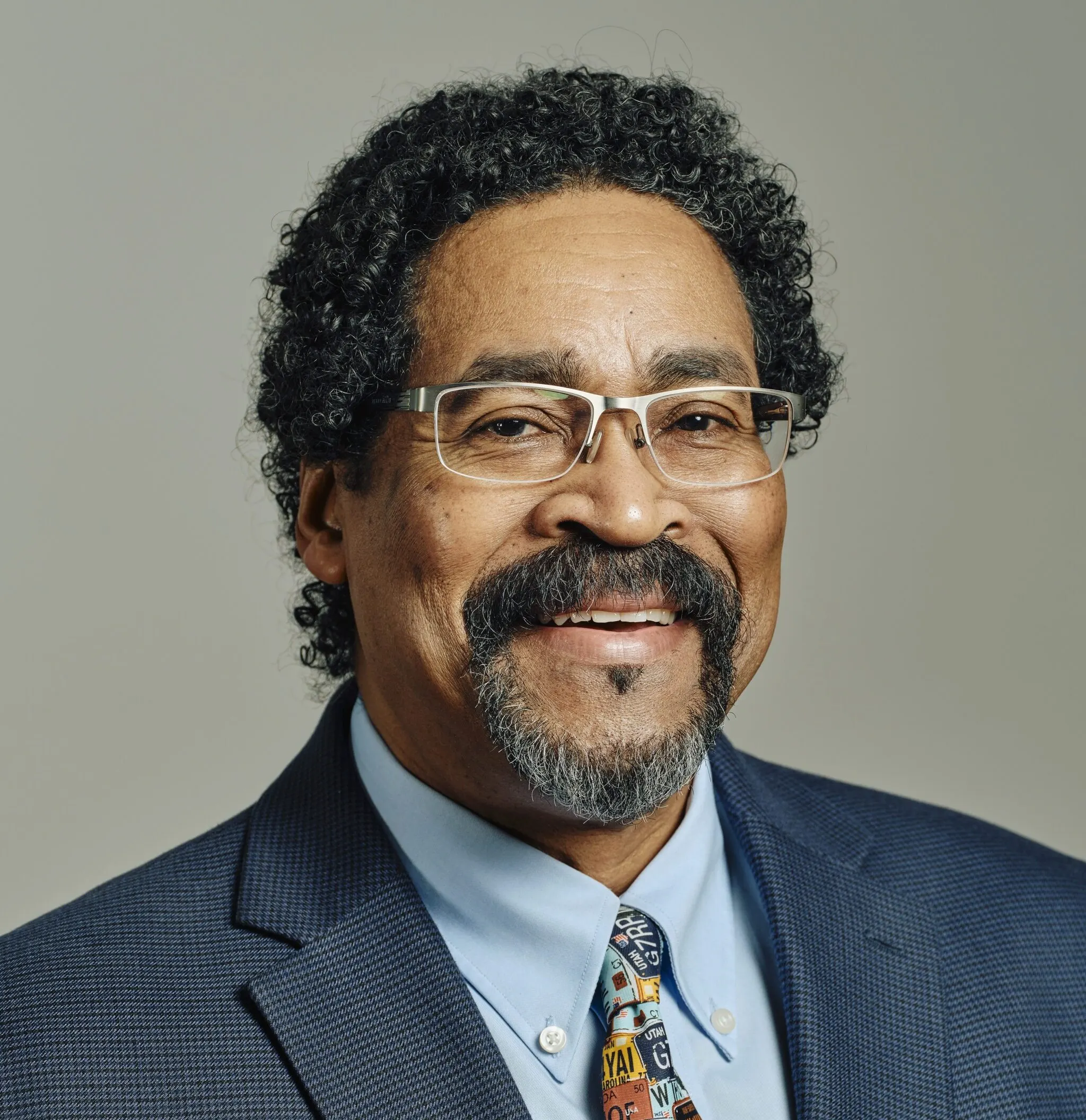
Steve Douglas
Member of The Wrecking Crew
session musician•saxophonist•flautist
Also known as: Steven Douglas Kreisman
วันเกิด
September 24, 1938
ราศี
Libra
สถานที่เกิด
Los Angeles, California
อายุ
เสียชีวิตเมื่ออายุ 54 ปี
เกี่ยวกับ
สตีฟ ดักลาส (Steve Douglas) เป็นนักแซกโซโฟน นักฟลูต และนักดนตรีเครื่องเป่าลมไม้ชาวอเมริกัน ผู้มีเสียงดนตรีอันเป็นเอกลักษณ์ของยุคสมัยแห่งดนตรีป็อป ในฐานะสมาชิกหลักของคณะนักดนตรีฝีมือดีในตำนานอย่าง The Wrecking Crew เขาได้เล่นในเพลงฮิตนับร้อยตั้งแต่ยุค 1960 ถึง 1980 ซึ่งหล่อหลอมภูมิทัศน์เสียงของดนตรีร็อก ป็อป และ R&B โซโล่แซกโซโฟนของเขาปรากฏอยู่ในเพลงคลาสสิกของ The Beach Boys, Bob Dylan, Aretha Franklin, Elvis Presley และอีกมากมาย ดักลาสได้รับเลือกเข้าสู่ Rock & Roll Hall of Fame ในปี 2003 ในสาขาความเป็นเลิศทางดนตรี ซึ่งเป็นเครื่องพิสูจน์ถึงอิทธิพลอันยาวนานของเขา ปัจจุบัน แฟนเพลงที่ชื่นชอบเรื่องราวของนักดนตรีเซสชั่นรุ่นเก่าจดจำเขาในฐานะหนึ่งในนักดนตรีเครื่องเป่าลมไม้ที่มีความสามารถรอบด้านและเป็นที่ต้องการมากที่สุดในยุคของเขา
ชีวิตช่วงต้นและภูมิหลัง
สตีฟ ดักลาส เกิดเมื่อวันที่ 24 กันยายน 1938 ที่ลอสแอนเจลิส แคลิฟอร์เนีย โดยมีชื่อจริงว่า สตีเวน ดักลาส ไครส์แมน (Steven Douglas Kreisman) มารดาของเขาเคยร้องเพลงกับวง Stan Kenton ดังนั้นดนตรีจึงเป็นส่วนหนึ่งของบ้านตั้งแต่ต้น ครอบครัวย้ายไปเฟรสโนเมื่อเขาอายุยังน้อย แต่กลับมาลอสแอนเจลิสเมื่อดักลาสอายุ 13 ปี เขาเริ่มต้นจากการเล่นทรอมโบน ทรัมเป็ต และไวโอลิน แต่ทุกอย่างก็เปลี่ยนไปเมื่อเขาได้ยินเพลง Pachuko Hop ของ Chuck Higgins เพลงที่ขับเคลื่อนด้วยเสียงแซกโซโฟนนั้นทำให้เขาหลงใหล และเขาก็เปลี่ยนมาให้ความสนใจกับแซกโซโฟน
เมื่ออายุเข้าสู่ช่วงวัยรุ่น ดักลาสได้เริ่มเล่นดนตรีในเซสชั่นและคอนเสิร์ตที่ El Monte Legion Stadium ซึ่งเป็นสถานที่อันเป็นตำนานของดนตรีร็อกและ R&B ยุคแรก เขาเคยรับราชการในวงดรัมแอนด์บิวเกิลคอร์ของกองทัพเรือ ซึ่งช่วยลับฝีมือและวินัยของเขาให้เฉียบคม หลังจากปลดประจำการ เขาเริ่มบันทึกเสียงและออกทัวร์กับ Duane Eddy ในช่วงปลายทศวรรษ 1950 โซโล่แซกโซโฟนของเขาในเพลง Peter Gunn Theme ฉบับของ Eddy กลายเป็นเสียงอันเป็นเอกลักษณ์และทำให้เขาเป็นที่รู้จักในฐานะนักดนตรีเซสชั่นที่น่าจับตามอง
ความก้าวหน้าในอาชีพ
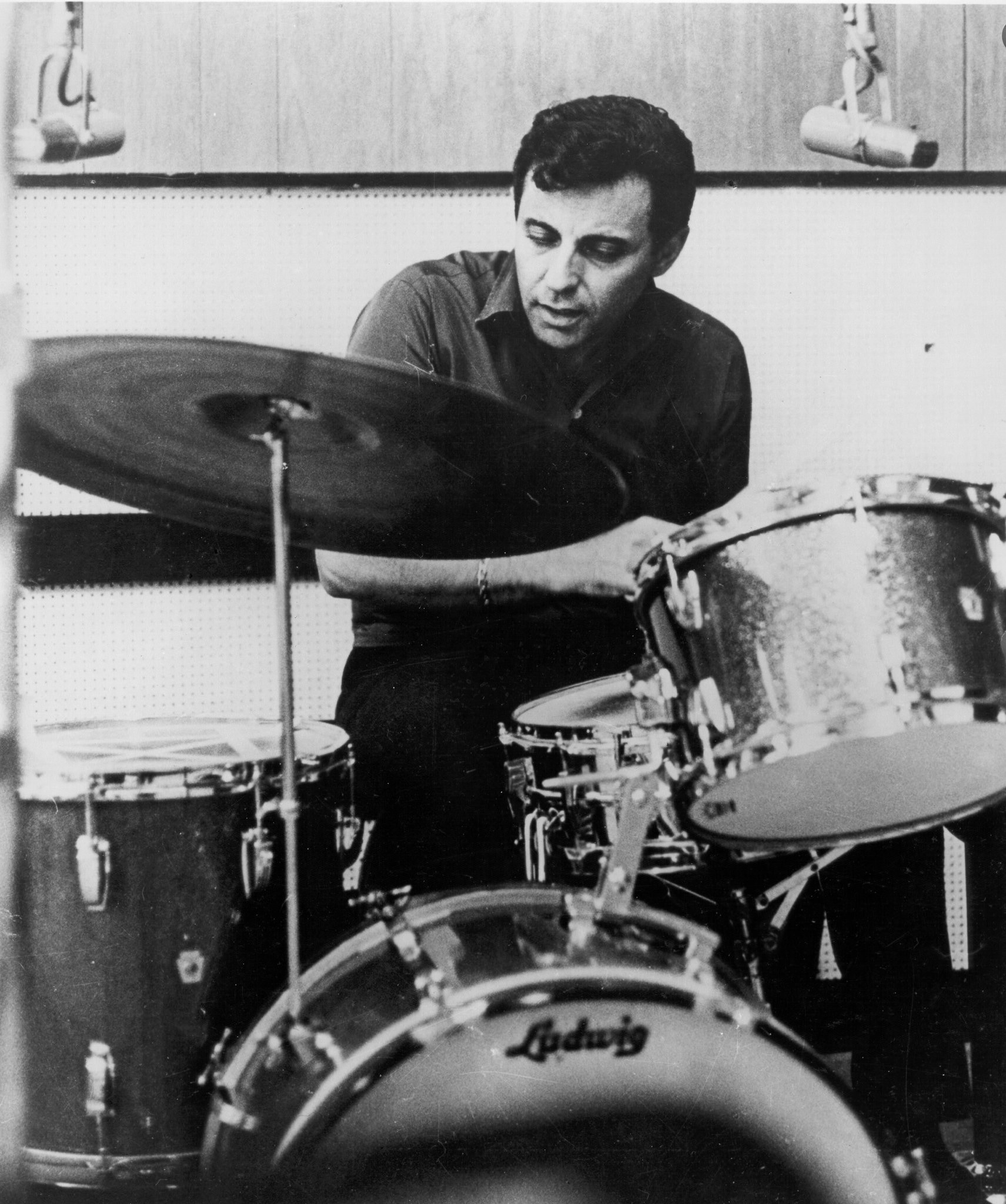
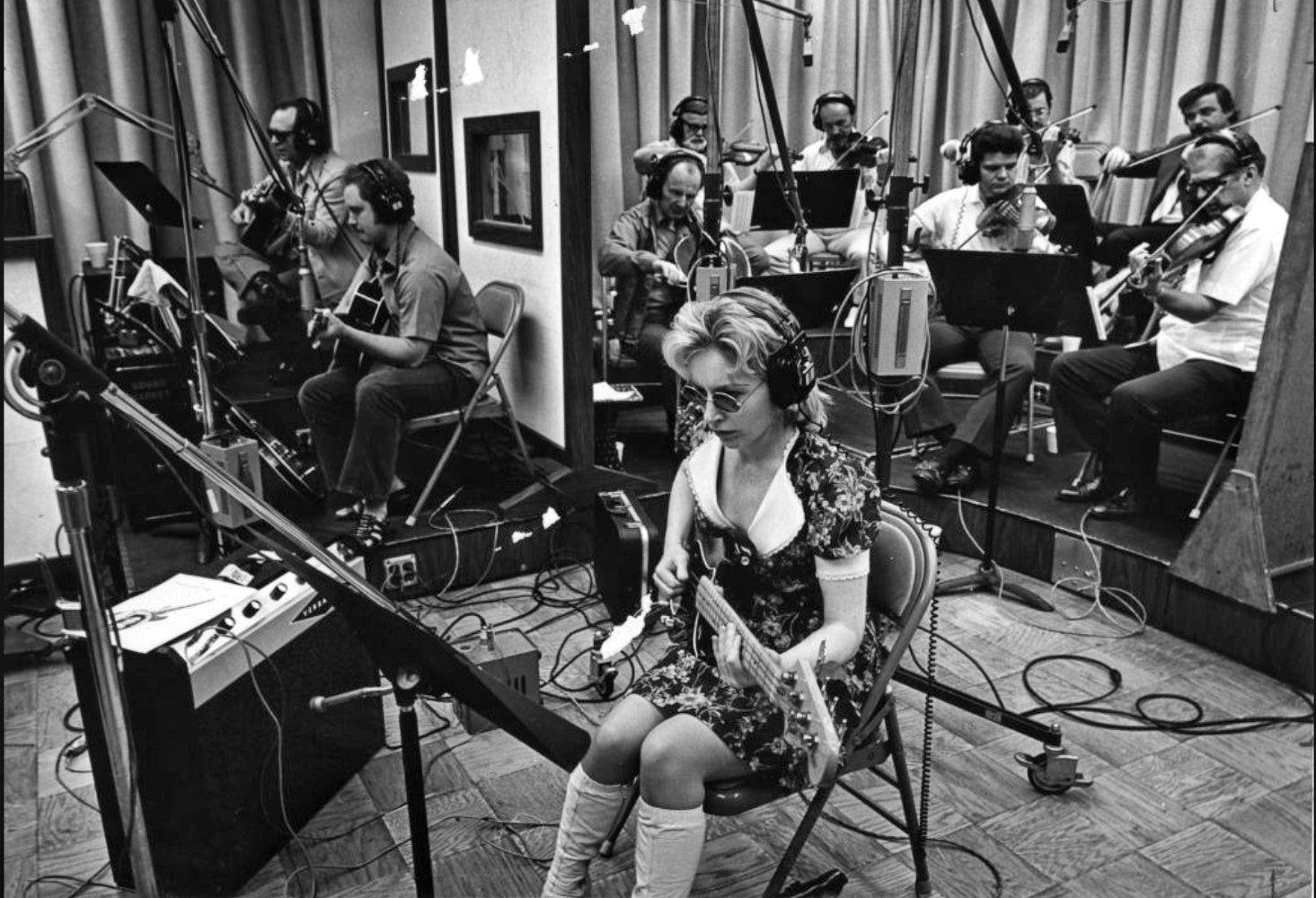
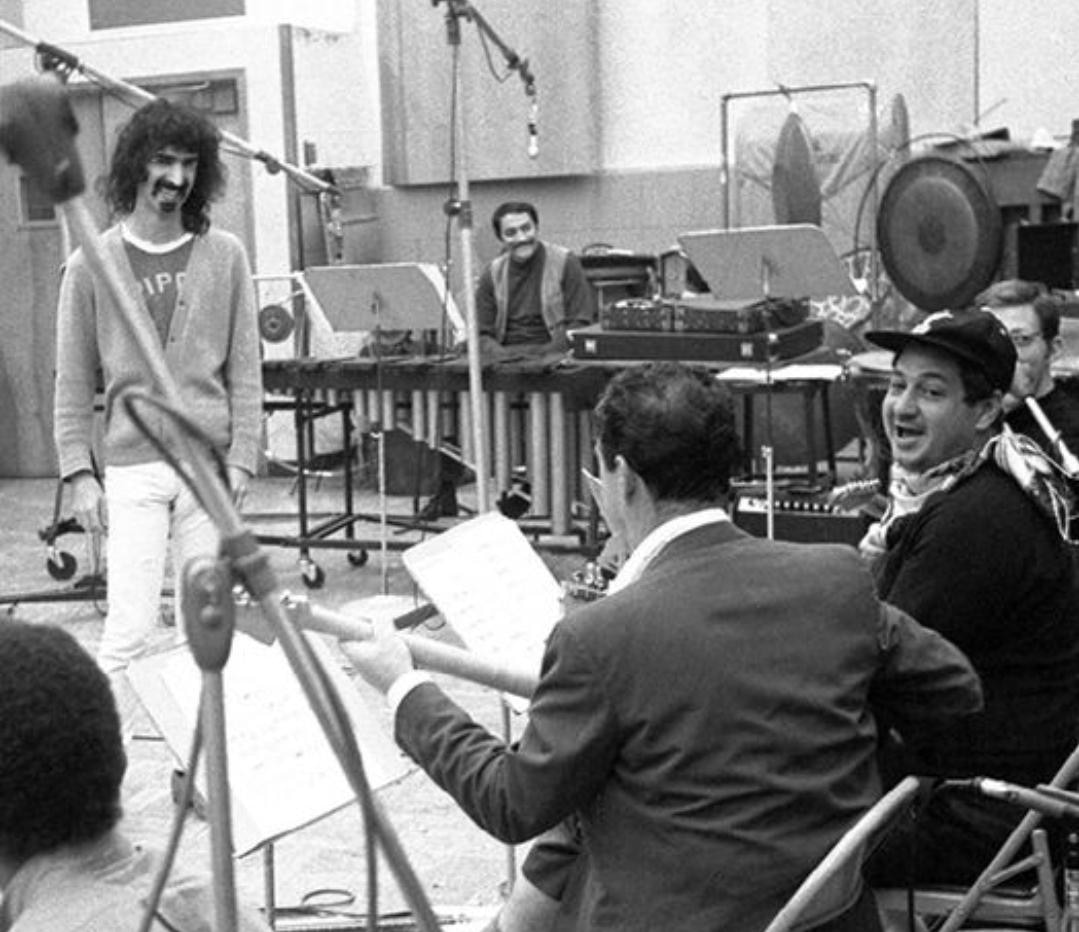
โอกาสครั้งสำคัญของดักลาสมาถึงเมื่อเขากลายเป็นสมาชิกผู้ก่อตั้ง The Wrecking Crew กลุ่มนักดนตรีเซสชั่นชั้นนำของลอสแอนเจลิส ที่เป็นแบ็คอัพให้กับการผลิตเพลง Wall of Sound ของ Phil Spector ตลอดช่วงทศวรรษ 1960 และ 1970 เขาได้เล่นในเพลงฮิตที่หลากหลายอย่างไม่น่าเชื่อ เสียงแซกโซโฟนของเขาสามารถได้ยินในอัลบั้ม Pet Sounds ของ The Beach Boys, Blonde on Blonde ของ Bob Dylan, Respect ของ Aretha Franklin และ Suspicious Minds ของ Elvis Presley เขายังได้บันทึกเสียงกับ The Ronettes, The Righteous Brothers, Jan & Dean และ Ike and Tina Turner อีกด้วย
ในช่วงปลายทศวรรษ 1970 ดักลาสได้ออกทัวร์กับ Bob Dylan และ Ry Cooder และต่อมาย้ายไปที่ Bay Area ซึ่งเขาได้เล่นกับ Steve Perry, The Tubes, John Fogerty และ Sammy Hagar เขายังได้โปรดิวซ์อัลบั้ม Le Chat Bleu ของ Mink DeVille และทำงานเป็น A&R man ให้กับ Capitol Records โดยมีซิงเกิลติดชาร์ตถึงสิบสามเพลง ดักลาสได้บันทึกเสียงอัลบั้มแจ๊สที่ประสบความสำเร็จหลายชุดภายใต้ชื่อของเขาเอง แสดงให้เห็นถึงทักษะของเขาในฐานะผู้นำวง
ไทม์ไลน์อาชีพ
ภาพลักษณ์สาธารณะและสไตล์
ในบรรดานักดนตรีเซสชั่น ดักลาสได้รับการยกย่องในด้านความน่าเชื่อถือ ความสามารถรอบด้าน และโทนเสียงอันเป็นเอกลักษณ์ เขาเป็นที่รู้จักในฐานะมืออาชีพที่สมบูรณ์แบบ ผู้ซึ่งสามารถเข้าสตูดิโอและส่งมอบสิ่งที่โปรดิวเซอร์ต้องการได้อย่างแม่นยำ มักจะในการบันทึกเสียงครั้งแรก สไตล์ของเขาผสมผสานความดิบของ R&B เข้ากับความซับซ้อนของแจ๊ส ทำให้เขาเป็นนักดนตรีที่ได้รับความนิยมสำหรับการบันทึกเสียงทั้งเพลงป็อปและร็อก แฟนเพลงของ The Wrecking Crew ยกย่องเขาว่าเป็นหนึ่งในฮีโร่ที่ไม่มีใครกล่าวถึงในวงการเพลงป็อปยุค 1960 นักดนตรีที่มีส่วนร่วมแต่ไม่ค่อยได้รับเครดิต ในช่วงปีต่อๆ มา เขาได้รับการยกย่องในภาพยนตร์สารคดีและหนังสือเกี่ยวกับ The Crew และการได้รับเลือกเข้าสู่ Rock Hall ได้ตอกย้ำสถานะของเขาในฐานะตำนานในหมู่นักดนตรีเซสชั่น
ชื่อเสียงและแฟนด้อม
Steve Douglas never courted the spotlight, preferring the anonymity of the recording booth to the roar of a crowd. During his lifetime, he cultivated no distinct fanbase, nor did he inspire organized campaigns like birthday billboards or fan-funded projects. His connection to listeners was purely auditory, woven into the fabric of hundreds of hit records rather than forged through personal interaction. The concept of fandom for Douglas is entirely retroactive, emerging only after the 2008 documentary The Wrecking Crew brought the collective's legacy into the mainstream. Today, appreciation for his work flows through broader communities dedicated to 1960s rock history and reunion events in Los Angeles, where enthusiasts revere him as an unsung architect of the era's sound. These groups do not maintain specific rituals or inside jokes solely for Douglas, treating his contributions as an integral part of the crew's shared mythology rather than a separate cult following.
iFANN has evaluated Steve Douglas's global standing with its Fame Engine. As of August 2026, the system confirms that Steve Douglas does not currently hold a placement in the published rankings (Global Top 1,000 or a Top-100 scope list). He has no formally documented fandom name.
เรื่องน่าสนใจและตำนาน
Known for his warm, breathy tone on the tenor sax, Douglas frequently switched between saxophone and flute within the same song. One of his most celebrated performances is the uncredited solo on the 1963 surf instrumental Wipe Out by The Surfaris. He also contributed to the soundtrack for the film Easy Rider and served as a regular member of the house band for The Merv Griffin Show throughout the 1980s. A lifelong devotee of jazz legend Lester Young, Douglas often cited the saxophonist as a primary influence on his playing style.
Legends of the studio era frequently recount Douglas's role as a key architect behind Phil Spector's "Wall of Sound." Stories from peers like Tommy Tedesco describe the mad genius of sessions where Douglas provided the woodwind arrangements for icons such as the Ronettes and Ike & Tina Turner. Perhaps the most poignant moment in his posthumous recognition occurred when he was inducted into the Rock and Roll Hall of Fame in 2003 alongside The Righteous Brothers. While he passed away around this time, the induction stands as the definitive acknowledgment of his invisible labor on classics like "You've Lost That Lovin' Feelin'." These accounts serve as the modern folklore of the crew, celebrating a man who defined an era without ever being a household name himself.
คำพูดที่โดดเด่น
“Sometimes, when I'm approaching club owners, they don't know who I am. I feel like I'm a kid again, starting out cold.”
“Bob Dylan was great. He always treated me very well. I think Bob is the most talented person I've ever known or worked with, as a musician, as a songwriter and as a singer. Although he doesn't always show it, it's there.”
“I just play what feels right. If it feels good, it usually is good.”
ครอบครัวและชีวิตส่วนตัว
ดักลาสเกิดในครอบครัวชาวยิวที่ลอสแอนเจลิส มารดาของเขาเป็นนักร้องที่เคยแสดงกับวงออร์เคสตราของ Stan Kenton และบิดาของเขาทำงานในอุตสาหกรรมเสื้อผ้า เขามีพี่สาวคนเล็ก แต่ชื่อของเธอไม่เป็นที่เปิดเผยต่อสาธารณะ ดักลาสแต่งงานอย่างน้อยหนึ่งครั้ง แต่รายละเอียดเกี่ยวกับภรรยาและบุตรของเขายังมีน้อย เขาอาศัยอยู่ในพื้นที่ลอสแอนเจลิสเป็นส่วนใหญ่ของชีวิต ต่อมาย้ายไปที่ Bay Area ในช่วงทศวรรษ 1980 เขารักษาชีวิตครอบครัวเป็นส่วนตัว โดยไม่ค่อยพูดถึงในบทสัมภาษณ์
ความเชื่อมโยงที่โดดเด่น
สตีฟ ดักลาส เป็นสมาชิกหลักของ The Wrecking Crew กลุ่มนักดนตรีเซสชั่นผู้โด่งดังในลอสแอนเจลิส ที่เป็นแบ็คอัพให้กับศิลปินมากมาย เขาได้ร่วมงานกับโปรดิวเซอร์ Phil Spector และ Brian Wilson บ่อยครั้ง และออกทัวร์กับ Bob Dylan และ Ry Cooder ผลงานแซกโซโฟนและฟลูตของเขาปรากฏอยู่ในผลงานของ Duane Eddy, The Beach Boys, Aretha Franklin, Elvis Presley และอีกมากมาย
ความสัมพันธ์และประวัติการคบหา
สตีฟ ดักลาส เก็บชีวิตส่วนตัวให้พ้นจากสายตาของสาธารณชน เขาแต่งงานอย่างน้อยหนึ่งครั้ง แต่ตัวตนของภรรยาและระยะเวลาของการแต่งงานไม่ได้ถูกบันทึกไว้อย่างเป็นทางการ ไม่เป็นที่ทราบว่าเขามีบุตรหรือไม่ ในการสัมภาษณ์ เขาแทบไม่เคยเอ่ยถึงคู่รัก โดยเลือกที่จะมุ่งเน้นไปที่ดนตรี ณ เวลาที่เขาเสียชีวิตในปี 1993 สถานะการสมรสของเขายังไม่เป็นที่ทราบต่อสาธารณะ
การเสียชีวิตและผลที่ตามมา
เสียชีวิต
April 19, 1993 (อายุ 54 ปี)
สถานที่เสียชีวิต
Los Angeles, California, USA
สาเหตุการเสียชีวิต
Heart failure
Steven Douglas, born Steven Douglas Kreisman on September 24, 1938, died on April 19, 1993, in Los Angeles at the age of 54. The officially reported cause of death was heart failure, a determination based on standard medical certification without evidence of foul play, accident, or suicide. His final days were not marked by any widely publicized last performance or public appearance prior to his sudden passing, though he remained a highly respected figure in the Los Angeles studio scene until his death.
The music community mourned the loss of a foundational session legend, with tributes from peers and institutions highlighting his status as a saxophonist everyone wanted to work with. Public reaction centered on recognition of his contributions to rock, R&B, and jazz rather than mass fan vigils, reflecting his role as a behind-the-scenes architect of the era's sound. Details regarding a specific funeral or memorial service date and location remain sparse, suggesting a private gathering for family and close colleagues typical for musicians who maintained a low public profile. Similarly, information regarding burial or cremation specifics is not publicly available in the provided text.
Posthumously, his legacy has been preserved through the continued presence of his recordings on streaming platforms and his inclusion in the Rock & Roll Hall of Fame induction for the collective Wrecking Crew. His estate and musical catalog continue to be managed through existing royalty streams and the broader preservation of the Wrecking Crew's history, while his family has not issued detailed public statements beyond standard obituary acknowledgments. There are no recent films, books, or documentaries focusing exclusively on his life, nor any reports of his estate being handled via a specific probate ruling or settlement in the public domain.
มูลค่าทรัพย์สิน (มูลค่ามรดก)
$5 Million
การประเมินโดยทีมบรรณาธิการ iFANN
Per iFANN's editorial analysis, Steve Douglas's estate holds a value of $5 Million as of 2026. This figure represents the cumulative worth of his career earnings and ongoing royalty streams. During his life, Douglas earned a steady income from union rates and overtime on hundreds of recording dates, where top session musicians commanded $100 to $200 per session. His annual earnings likely reached six figures during the peak years of the 1960s and 1970s thanks to multiple weekly gigs. Additional revenue flowed from touring with Duane Eddy, Bob Dylan, and Ry Cooder, as well as production work for artists like Mink DeVille. Serving as an A&R man for Capitol Records provided a reliable salary base. Following his death, his estate continued to collect royalties from thousands of recordings, though these amounts remain modest compared to modern streaming models. The 2003 Rock Hall induction renewed interest in his catalog but did not generate significant direct financial windfalls.
รางวัลที่ได้รับ (1)
สตีฟ ดักลาส ได้รับการยกย่องเข้าสู่ Rock & Roll Hall of Fame ในปี 2003 ในสาขา Musical Excellence เพื่อเป็นการยอมรับในผลกระทบอันลึกซึ้งของเขาในฐานะนักดนตรีแบ็คอัพ The Wrecking Crew ในฐานะกลุ่ม ได้รับการยกย่องเข้าสู่ Musicians Hall of Fame and Museum ในปี 2007 แต่การยอมรับในระดับบุคคลของดักลาสยังคงเป็นเกียรติยศที่สำคัญที่สุดของเขา
2003 · Musical Excellence
Session musician
เป็นที่รู้จักจาก
Session saxophonist for The Wrecking Crew
1962 · Saxophonist
Saxophone solo on 'Peter Gunn Theme'
1959 · Saxophonist
Production of 'Le Chat Bleu'
1978 · โปรดิวเซอร์
คำสำคัญ
แหล่งที่มา
ข้อมูลโดยย่อ
- อาชีพ
- session musician, clarinetist, saxophonist
- เกิด
- September 24, 1938
- สถานที่เกิด
- Los Angeles, California
- เสียชีวิต
- April 19, 1993
- เพศ
- ชาย
- ราศี
- Libra
ข้อมูลส่วนตัว
- ชื่อเต็ม
- Steven Douglas Kreisman
คำถามที่พบบ่อย
สตีฟ ดักลาส คือใคร?
สตีฟ ดักลาส มีชื่อเสียงจากอะไร?
สตีฟ ดักลาส เสียชีวิตเมื่อใด?
สตีฟ ดักลาส เล่นเครื่องดนตรีอะไรบ้าง?
มูลค่าทรัพย์สินของสตีฟ ดักลาส คือเท่าใด?
บุคคลที่คล้ายกัน
เข้าร่วมชุมชน
แฟนกำลังพูดคุย