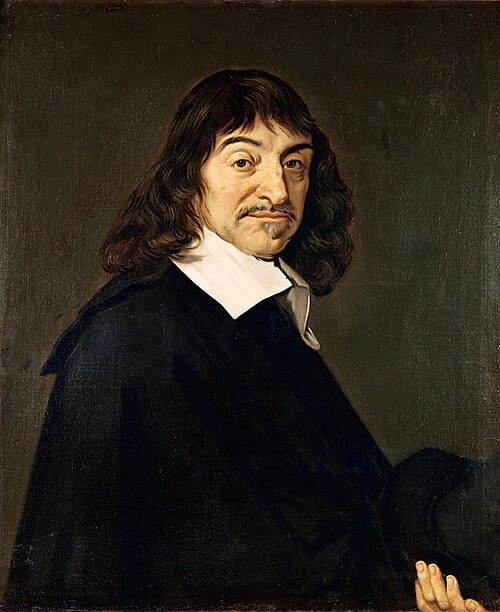
René Descartes
 France
philosopher•mathematician•musicologist
วันเกิด
March 31, 1596
ราศี
Aries
สถานที่เกิด
Descartes, France
อายุ
เสียชีวิตเมื่ออายุ 53 ปี
เกี่ยวกับ
เรอเน เดส์การ์ตส์ เป็นนักปรัชญา นักคณิตศาสตร์ และนักวิทยาศาสตร์ชาวฝรั่งเศส ซึ่งผลงานของเขาได้เปลี่ยนแปลงแนวคิดของโลกตะวันตกอย่างสิ้นเชิง เขามักถูกเรียกว่าบิดาแห่งปรัชญาสมัยใหม่ โดยการปฏิเสธผู้มีอำนาจที่ตั้งไว้เดิมและสร้างความรู้จากหลักการพื้นฐาน คำประกาศอันโด่งดังของเขา "ฉันคิด ฉันจึงมีอยู่" (cogito, ergo sum) กลายเป็นรากฐานของวิธีการของเขา เดส์การ์ตส์ยังได้คิดค้นเรขาคณิตวิเคราะห์ ซึ่งเชื่อมพีชคณิตและเรขาคณิตเข้าด้วยกันผ่านระบบพิกัดคาร์ทีเซียน ซึ่งเป็นเครื่องมือที่ยังคงจำเป็นในคณิตศาสตร์และวิทยาศาสตร์ในปัจจุบัน เขามีส่วนสนับสนุนในฟิสิกส์ ทัศนศาสตร์ และจิตวิทยา โดยเขียนเกี่ยวกับหัวข้อตั้งแต่ธรรมชาติของแสงไปจนถึงอารมณ์ บทความของเขาเรื่อง อารมณ์ของจิตวิญญาณ ได้สำรวจความเชื่อมโยงระหว่างจิตใจและร่างกายอย่างกล้าหาญ เดส์การ์ตส์เสียชีวิตเมื่อวันที่ 11 กุมภาพันธ์ ค.ศ. 1650 ในสตอกโฮล์ม แต่ความคิดของเขายังคงมีอิทธิพลต่อปรัชญาและวิทยาศาสตร์
ชีวิตช่วงต้นและภูมิหลัง
เดส์การ์ตส์เกิดในครอบครัวนักวิชาการในเมืองเล็กๆ ชื่อเดส์การ์ตส์ ประเทศฝรั่งเศส บิดาของเขา ฌออากิม เป็นทนายความและที่ปรึกษาในรัฐสภาแห่งบริตตานี เมื่ออายุแปดขวบ เขาเข้าเรียนที่วิทยาลัยเยซูอิตอ็องรีที่ 4 ในลาเฟลช ซึ่งเขาได้เรียนภาษาละติน กรีก วาทศิลป์ ตรรกศาสตร์ และปรัชญา แม้เขาจะเรียนเก่ง แต่ก็เริ่มไม่เชื่อมั่นในหลักสูตรดั้งเดิม โดยเฉพาะปรัชญาของอริสโตเติล หลังจากสำเร็จการศึกษา เขาเรียนกฎหมายที่มหาวิทยาลัยปัวตีเย และได้รับปริญญาในปี ค.ศ. 1616 แทนที่จะประกอบอาชีพทางกฎหมาย เขาเข้ารับราชการทหารของเจ้าชายมอริสแห่งนัสเซาในเนเธอร์แลนด์ในปี ค.ศ. 1618 ที่นั่น เขาได้พบกับนักคณิตศาสตร์และนักวิทยาศาสตร์ ซึ่งจุดประกายความสนใจทางปัญญาของเขา ช่วงเวลาสำคัญเกิดขึ้นในปี ค.ศ. 1619 เมื่อเขาประสบกับนิมิตหลายครั้ง ซึ่งเขาตีความว่าเป็นการเรียกจากสวรรค์ให้พัฒนาระบบวิทยาศาสตร์ใหม่บนพื้นฐานของความแน่นอนทางคณิตศาสตร์ เขาใช้เวลาสองทศวรรษถัดมาเดินทางและเขียนหนังสือ พัฒนาความคิดของเขาอย่างค่อนข้างเงียบ
ความก้าวหน้าในอาชีพ
ความก้าวหน้าของเดส์การ์ตส์เกิดขึ้นในปี ค.ศ. 1637 ด้วยการตีพิมพ์ วาทกรรมว่าด้วยวิธีการ พร้อมกับเรียงความทางวิทยาศาสตร์สามเรื่องเกี่ยวกับทัศนศาสตร์ เรขาคณิต และอุตุนิยมวิทยา งานนี้ได้แนะนำคำกล่าวอันโด่งดังของเขา "Cogito, ergo sum" และวางรากฐานวิธีการสงสัยอย่างเป็นระบบของเขา เรียงความทางเรขาคณิตนำเสนอเรขาคณิตวิเคราะห์ ซึ่งเป็นการหลอมรวมพีชคณิตและเรขาคณิตที่ปฏิวัติวงการ ในปี ค.ศ. 1641 เขาตีพิมพ์ การทำสมาธิเกี่ยวกับปรัชญาปฐมบท ซึ่งเป็นรากฐานของญาณวิทยาที่โต้แย้งเรื่องการมีอยู่ของพระเจ้าและความอมตะของจิตวิญญาณโดยใช้เหตุผลเพียงอย่างเดียว หลักการของปรัชญา ตามมาในปี ค.ศ. 1644 ซึ่งสังเคราะห์แนวคิดทางวิทยาศาสตร์และอภิปรัชญาของเขา เดส์การ์ตส์ยังมีส่วนสนับสนุนในฟิสิกส์ รวมถึงกฎการหักเหของแสงในทัศนศาสตร์ ในปี ค.ศ. 1649 เขารับคำเชิญจากสมเด็จพระราชินีคริสตินาแห่งสวีเดนให้เป็นครูสอนปรัชญา แต่ฤดูหนาวที่โหดร้ายของสแกนดิเนเวียส่งผลกระทบต่อสุขภาพของเขา และเขาเสียชีวิตด้วยโรคปอดบวมในปี ค.ศ. 1650
ไทม์ไลน์อาชีพ
ภาพลักษณ์สาธารณะและสไตล์
เดส์การ์ตส์ถูกจดจำในฐานะนักคิดที่เข้มงวดและเป็นบุคคลสำคัญของปรัชญาสมัยใหม่ ภาพลักษณ์สาธารณะของเขาคือผู้สงสัยอย่างเป็นระบบและนักเหตุผลนิยม มักถูกวาดในภาพเหมือนด้วยหน้าผากย่นและปากกาขนนกในมือ เขาได้รับการยกย่องในเรื่องความเป็นอิสระทางปัญญาและบทบาทของเขาในการปฏิวัติวิทยาศาสตร์ แม้ว่าเขาจะไม่มีกลุ่มแฟนคลับสมัยใหม่ แต่ความคิดของเขาถูกศึกษาทั่วโลก และชื่อของเขาปรากฏในทุกสิ่งตั้งแต่ระบบพิกัดไปจนถึงการอภิปรายทางปรัชญา การนำเสนอในสื่อมักเน้นที่ความก้าวหน้าทางปรัชญาและการเสียชีวิตอย่างน่าตื่นเต้นในสวีเดน
ชื่อเสียงและแฟนด้อม
René Descartes commands a vast, global audience of scholars, students, and philosophers who engage with his work through academic institutions rather than organized fan clubs or social media communities. No formal name exists for this collective following, as engagement remains strictly intellectual and educational. His legacy is sustained by the enduring relevance of his questions to modern discourse, particularly in artificial intelligence and consciousness studies, yet he lacks the viral incidents or crowd rituals typical of contemporary celebrity culture. Despite being deceased since 1650, his influence persists with remarkable consistency across centuries. Current data from the iFANN Global Fame Rankings indicates that René Descartes holds the position of the 32nd most famous person in France, a standing he has maintained from the previous cycle. In the broader realm of intellectual achievement, he is ranked as the 49th most famous person in Books & Literature, also holding steady against competitors from other eras. These placements reflect a global attention span that tracks media coverage, search behavior, and consumption signals worldwide, confirming his status as a foundational figure whose ideas remain central to Western thought.
เรื่องน่าสนใจและตำนาน
The phrase "I think, therefore I am" first appeared in French within his 1637 Discourse on the Method before being Latinized in later works. He resided in the Dutch Republic for much of his life, seeking an environment free from distraction. Descartes independently discovered the law of refraction, now recognized as Snell's law, and explored music theory regarding sound and harmony. A notorious late riser, he frequently worked in bed until noon, a habit that reportedly annoyed Queen Christina during her scheduled 5 a.m. lessons. Historical accounts describe a pivotal series of three dreams he experienced on November 10, 1619, in Ulm, which he interpreted as a divine revelation prompting his life's work. Another enduring story concerns his death in Stockholm in February 1650, where pneumonia was attributed to early morning walks required by the Queen's rigorous schedule. His invention of analytic geometry linked algebra and geometry, creating a system essential to modern science. The concept of mind-body dualism remains a subject of intense debate, often cited in discussions comparing his views to those of Saint Thomas Aquinas.
คำพูดที่โดดเด่น
“I think, therefore I am.”
“It is not enough to have a good mind; the chief thing is to use it well.”
“Doubt is the origin of wisdom.”
ครอบครัวและชีวิตส่วนตัว
เดส์การ์ตส์เกิดจากฌออากิม เดส์การ์ตส์ ทนายความและที่ปรึกษา และฌาน โบรชาร์ ซึ่งเสียชีวิตเมื่อเขาอายุประมาณหนึ่งขวบ เขามีพี่ชายและน้องสาวหนึ่งคน เดส์การ์ตส์ไม่เคยแต่งงาน แต่เขามีลูกสาวชื่อฟร็องซีน เกิดในปี ค.ศ. 1635 กับสาวใช้ชื่อเอแลน ฟร็องซีนเสียชีวิตด้วยโรคไข้ผื่นแดงเมื่ออายุห้าขวบ ซึ่งเป็นการสูญเสียที่กระทบกระเทือนเขาอย่างมาก เขาไม่มีบุตรคนอื่นที่ทราบ
ความเชื่อมโยงที่โดดเด่น
เดส์การ์ตส์มีความสนิทสนมกับมาแรง แมร์แซน นักคณิตศาสตร์และนักปรัชญาซึ่งช่วยเผยแพร่ต้นฉบับของเขาและปกป้องความคิดของเขา เขายังติดต่อกับเจ้าหญิงเอลิซาเบธแห่งโบฮีเมีย ซึ่งท้าทายมุมมองของเขาเกี่ยวกับทวินิยมจิตใจ-ร่างกาย สมเด็จพระราชินีคริสตินาแห่งสวีเดนเชิญเขาไปยังราชสำนักของพระองค์และเป็นลูกศิษย์ของเขาก่อนที่เขาจะเสียชีวิตไม่นาน
ความสัมพันธ์และประวัติการคบหา
เรอเน เดส์การ์ตส์ไม่เป็นที่รู้จักต่อสาธารณะว่ามีความสัมพันธ์โรแมนติกหรือการแต่งงานใด ๆ เขาอุทิศชีวิตส่วนใหญ่ให้กับงานทางปัญญา ไม่มีบันทึกที่น่าเชื่อถือว่าเขามีความสัมพันธ์โรแมนติกต่อสาธารณะใด ๆ
การเสียชีวิตและผลที่ตามมา
เสียชีวิต
February 11, 1650 (อายุ 53 ปี)
สถานที่เสียชีวิต
Stockholm, Sweden
สาเหตุการเสียชีวิต
Pneumonia
René Descartes died on February 11, 1650, in Stockholm, Sweden. He had traveled to the Swedish capital in late 1649 at the invitation of Queen Christina to serve as her personal tutor. Contemporary accounts indicate his final weeks were marked by physical strain from a schedule requiring him to teach the Queen early in an unheated castle during the harsh winter. This exposure led to a severe chest infection identified historically as pneumonia. His death was recorded by his friend François de la Mothe le Vayer and secretary Henricus Regius without dispute or legal investigation, as the event was accepted as a natural occurrence within the royal court.
Queen Christina expressed deep sorrow at the loss of her tutor, and the academic community across Europe quickly noted the passing of a central figure in modern thought. Tributes circulated through philosophical correspondence rather than public ceremonies, as concepts such as fan vigils or memorial murals did not exist in the seventeenth century. Descartes was initially buried in the Church of St. Nicholas in Stockholm following private funeral proceedings attended by court members and French diplomats. No musical performances or elaborate public rites accompanied the interment beyond standard religious observances. Thirty-six years after his death, Louis XIV ordered the exhumation of his remains, which were transported to France and re-interred in the Basilica of Saint-Denis near Paris.
Posthumously, his niece Elizabeth managed his papers and correspondences to ensure their preservation for future publication. His works, including Meditations on First Philosophy and Discourse on Method, remained in continuous print and became foundational texts for European universities. Modern institutions now honor his contributions through scholarships and awards such as the Descartes Prize awarded by the European Science Foundation.
มูลค่าทรัพย์สิน (มูลค่ามรดก)
$1 Million
การประเมินโดยทีมบรรณาธิการ iFANN
As a 17th-century philosopher and mathematician, Descartes did not accumulate wealth in the modern sense. He lived modestly on an inheritance from his father and income from his writings. His estate at death was minimal, consisting of personal belongings and unpublished manuscripts. Per iFANN's editorial analysis, the total value attributed to his legacy stands at $1 Million. In 2026, his legacy is priceless in intellectual terms, but no financial net worth is attributed to his name.
รางวัลและเกียรติยศ
View 1 records, honours and achievementsเป็นที่รู้จักจาก
Cogito, ergo sum
1637 · Philosophical statement
Analytic geometry
1637 · Mathematical invention
Meditations on First Philosophy
1641 · นักเขียน
Discourse on the Method
1637 · นักเขียน
คำสำคัญ
ข้อมูลโดยย่อ
- อาชีพ
- philosopher, mathematician, musicologist
- เกิด
- +1596-03-31
- สถานที่เกิด
- Descartes
- เสียชีวิต
- +1650-02-11
- สถานที่เสียชีวิต
- Stockholm City
- เพศ
- ชาย
- ราศี
- Aries
ข้อมูลส่วนตัว
- ชื่อเต็ม
- René Descartes
- บุตร
- Francine Descartes (deceased in infancy)
- การศึกษา
- Jesuit College of Henri IV at La Flèche; University of Poitiers (law degree, 1616)
คำถามที่พบบ่อย
เรอเน เดส์การ์ตส์คือใคร?
Descartes มีชื่อเสียงในเรื่องใด?
René Descartes มีชีวิตอยู่ในช่วงใด?
ผลงานที่สำคัญที่สุดของ Descartes คืออะไร?
René Descartes เกิดที่ไหน?
บุคคลที่คล้ายกัน
เข้าร่วมชุมชน
แฟนกำลังพูดคุย