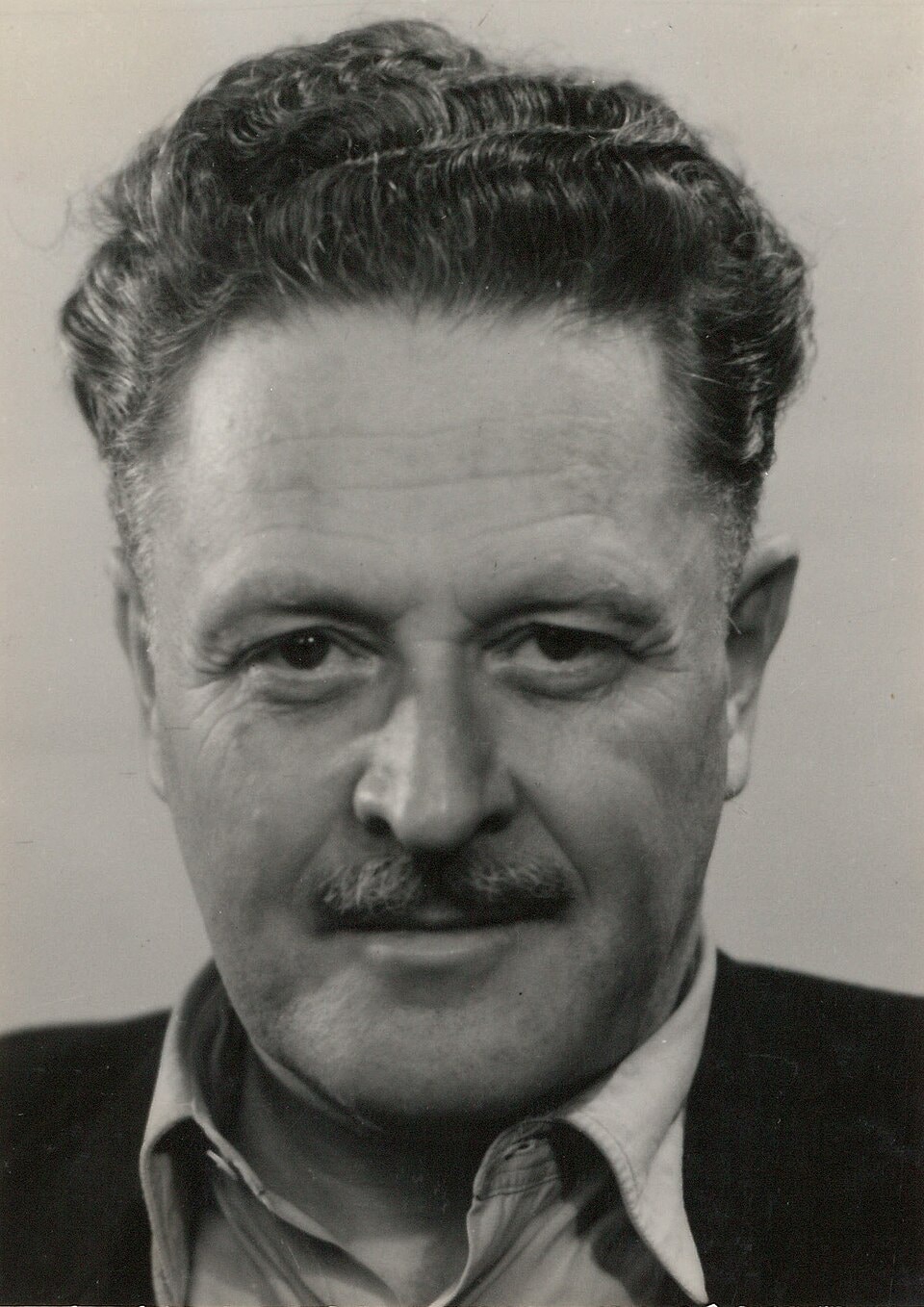
Nâzım Hikmet
 Turkey
Also known as: Orhan Selim, Ahmet Oğuz, Mümtaz Osman, Ercüment Er
วันเกิด
January 15, 1902
ราศี
Capricorn
สถานที่เกิด
Selânik (Thessaloniki), Ottoman Empire
อายุ
เสียชีวิตเมื่ออายุ 61 ปี
เกี่ยวกับ
Nâzım Hikmet เป็นกวีที่มีชื่อเสียงที่สุดของตุรกีในศตวรรษที่ 20 นักแต่งบทเพลงและนักปฏิวัติซึ่งผลงานได้รับการแปลเป็นมากกว่า 50 ภาษา มีชื่อเสียงจากสไตล์กลอนเปล่าและการผสมผสานระหว่างแนวโรแมนติกกับการเมืองแบบมาร์กซิสต์ เขายังคงเป็นบุคคลสำคัญในวรรณกรรมโลก บทกวีของเขาตั้งแต่ Human Landscapes from My Country ไปจนถึงมหากาพย์ Sheikh Bedreddin ถูกท่องไปทั่วโลก ณ ปี 2026 มรดกของเขาถูกจัดการโดย Nâzım Hikmet Cultural Foundation และผลงานของเขายังคงสร้างแรงบันดาลใจให้กับนักอ่านและนักเคลื่อนไหวรุ่นใหม่
ชีวิตช่วงต้นและภูมิหลัง
Nâzım Hikmet เกิดเมื่อวันที่ 15 มกราคม ค.ศ. 1902 ในเมืองซาโลนิกา จักรวรรดิออตโตมัน (ปัจจุบันคือเมืองเทสซาโลนิกิ ประเทศกรีซ) เขาเรียนที่โรงเรียนประถม Taşmektep ในเขต Göztepe ของอิสตันบูล จากนั้นเข้าเรียนในชั้นมัธยมศึกษาตอนต้นของโรงเรียนมัธยม Galatasaray ในเขต Beyoğlu ซึ่งเขาเริ่มเรียนภาษาฝรั่งเศส ในปี ค.ศ. 1913 เขาย้ายไปโรงเรียน Numune Mektebi ในเขต Nişantaşı เมื่ออายุ 11 ปี เขาเขียนบทกวีแรก Feryad-ı Vatan และไม่นานหลังจากนั้นก็สร้างความประทับใจให้กับผู้บัญชาการทหารเรือ Cemal Paşa ด้วย The Words of a Naval Officer ทำให้ได้เข้าเรียนที่โรงเรียนนายเรือออตโตมันบนเกาะ Heybeliada บทกวีที่ตีพิมพ์ครั้งแรกของเขา Hâlâ Servilerde Ağlıyorlar mı ปรากฏใน Yeni Mecmua ในปี ค.ศ. 1918 หลังจากสำเร็จการศึกษาในปี ค.ศ. 1918 เขารับราชการเป็นนักเรียนนายเรือบนเรือลาดตระเวน Hamidiye จนกระทั่งโรคเยื่อหุ้มปอดอักเสบทำให้ต้องปลดประจำการในปี ค.ศ. 1920 เมื่อกองกำลังพันธมิตรยึดครองอิสตันบูลในปี ค.ศ. 1920 เขาหนีไปยังอานาโตเลียกับเพื่อน Vâlâ Nurettin และรับตำแหน่งครูใน Bolu ปีถัดมาเขาเดินทางไปมอสโกผ่านอาเซอร์ไบจาน ซึ่งเขาได้เห็นช่วงต้นของยุคโซเวียตและศึกษาที่ Eastern Workers Communist University ซึมซับกระแสปฏิวัติที่จะหล่อหลอมชีวิตและศิลปะของเขา
ความก้าวหน้าในอาชีพ
เมื่อกลับมายังตุรกีในปี ค.ศ. 1924 Hikmet ทุ่มเทให้กับการสื่อสารมวลชนและการจัดตั้งคอมมิวนิสต์ เขาศึกษาเศรษฐศาสตร์และรัฐศาสตร์ที่มหาวิทยาลัยมอสโก ผลงานรวมบทกวี 835 Lines ในปี ค.ศ. 1929 สั่นสะเทือนวงการกวีตุรกีด้วยกลอนเปล่าและพลังจังหวะ ได้รับทั้งคำชื่นชมและความหวาดระแวงจากทางการ ในทศวรรษต่อมาเขาเขียนบทละครเช่น The Skull และ The Forgotten Man ขณะที่การเคลื่อนไหวทางการเมืองทำให้เขาตกเป็นเป้าของรัฐ ในปี ค.ศ. 1938 เขาถูกจับในข้อหาปลุกระดมกบฏและถูกตัดสินจำคุก 28 ปี 4 เดือน 13 ปีหลังลูกกรงกลายเป็นช่วงเวลาที่สร้างสรรค์ที่สุดของเขา เขาแต่งมหากาพย์ Human Landscapes from My Country และบทกวีเล่าเรื่อง The Epic of Sheikh Bedreddin ซึ่งเป็นผลงานที่กำหนดมรดกของเขา หลังจากแคมเปญระดับนานาชาติทำให้เขาได้รับการปล่อยตัวในปี ค.ศ. 1950 เขาได้รับรางวัลสันติภาพนานาชาติ (Lenin Peace Prize) เมื่ออายุ 48 ปี ด้วยความกลัวการถูกจับกุมอีกครั้ง เขาหนีตุรกีในปี ค.ศ. 1951 ใช้ชีวิตที่เหลือในสหภาพโซเวียตและยุโรปตะวันออก เขียนบทกวี บทละคร และบทภาพยนตร์จนกระทั่งเสียชีวิตในมอสโกเมื่อวันที่ 3 มิถุนายน ค.ศ. 1963
ไทม์ไลน์อาชีพ
ภาพลักษณ์สาธารณะและสไตล์
Hikmet ปลูกฝังบุคลิกของ "นักปฏิวัติโรแมนติก" ผสมผสานเรื่องส่วนตัวและการเมืองในบทกวีของเขา ดวงตาสีฟ้าสดใสและรูปร่างสูงทำให้เขาได้รับฉายา "Mavi Gözlü Dev" (ยักษ์ตาสีฟ้า) ในตุรกี เขาเป็นทั้งสมบัติของชาติและบุคคลที่ถกเถียง ได้รับการยกย่องในด้านศิลปะ ขณะที่ความสัมพันธ์กับคอมมิวนิสต์ยังคงก่อให้เกิดการโต้แย้ง ในระดับโลก เขาถูกมองว่าเป็นสัญลักษณ์ของเสรีภาพทางศิลปะและการต่อต้าน บทกวีของเขามักถูกอ้างถึงในขบวนการประท้วงและนำไปแต่งเพลงโดยศิลปินพื้นบ้าน Nâzım Hikmet Cultural Foundation รักษาเปลวไฟของเขาให้ลุกโชน จัดการอ่านและกิจกรรมทุกปีในวันเกิดของเขา เรื่องราวชีวิตของเขา—คุก ลี้ภัย ความรัก และบทกวี—ทำให้เขากลายเป็นบุคคลที่ถูกทำให้เป็นโรแมนติกในวรรณกรรมตุรกีและโลก
ชื่อเสียงและแฟนด้อม
Nâzım Hikmet remains a figure whose global resonance transcends the boundaries of literature, anchoring himself in the collective memory of political resistance and human rights movements worldwide. His enduring relevance is quantified by his standing within the iFANN Global Fame Rankings. Current data places him as the 9th most famous person in Turkey, a position he holds steady from the previous cycle, and the 50th most famous person from Turkey. In the broader geopolitical context of the Middle East, he ranks as the 69th most famous person in Middle East. These metrics reflect a legacy sustained not by commercial promotion but by the perpetual recitation of his verses in protest movements and academic circles. While his admirers are often described as readers or activists rather than a formalized fanbase, they operate with the fervor of a dedicated movement. There is no single branded moniker for his supporters; instead, they are united by their identification with the 'Poet of Hope' and their participation in clandestine readings and annual tributes that have become acts of defiance against censorship. The community surrounding his work includes those who organize unauthorized collections and erect statues despite legal bans, turning his birthday into a day of ritualistic resistance rather than mere celebration.
เรื่องน่าสนใจและตำนาน
Throughout his life, Nâzım Hikmet utilized at least five pen names, including Orhan Selim, Ahmet Oğuz, Mümtaz Osman, and Ercüment Er, to circumvent strict government censorship. He also expanded his artistic output beyond verse, directing two films in the 1930s: Dügün Gecesi (1933) and Günese Dogru (1937). His poetic vision extended far beyond his lifetime, influencing Wim Wenders' 1987 film Wings of Desire, where Hikmet's verse appears on screen. He held dual citizenship in both Turkey and Poland through his mother's lineage. Despite his immense stature, he never returned to his birthplace, a sentiment captured in his autobiography written in East Berlin on 11 September 1961, which famously begins, 'I was born in 1902.'
Legends surrounding his life often focus on the circumstances of his death in Moscow in 1963. While official records cite heart failure, a persistent story among his followers suggests his health was neglected or that he was poisoned while on a diplomatic mission. A verified moment cemented his mythic status during the 2013 Gezi Park protests in Turkey, where demonstrators chanted his poem 'The Walnut Tree of Gezi Park,' transforming the site into a living monument. Another widely retold incident occurred during the Arab Spring in Tahrir Square, where an image of a street vendor holding a sweet potato became a viral symbol linked to Hikmet's poem 'I Am a Sweet Potato Boy,' connecting his early 20th-century poetry to modern uprisings.
คำพูดที่โดดเด่น
“I was born in 1902 / I never once went back to my birthplace / I don't like to turn back.”
“Some people know all about plants some about fish / I know separation.”
“I've slept in prisons and in grand hotels / I've known hunger even a hunger strike.”
“At thirty they wanted to hang me / at forty-eight to give me the Peace Prize / which they did.”
“I've been a poet since I was fourteen.”
ครอบครัวและชีวิตส่วนตัว
แม่ของ Hikmet คือ Celile Hanım เป็นลูกสาวของ Hasan Enver Pasha นายพลออตโตมันเชื้อสายโปแลนด์ และ Leyla Hanım ซึ่งมีเชื้อสายฝรั่งเศสและเยอรมัน พ่อของเขา Mehmet Hikmet Bey รับราชการเป็นข้าราชการ ฝ่ายแม่ของเขารวมถึง Mustafa Celalettin Pasha, Mehmed Ali Pasha และ Omar Pasha Latas ซึ่งเป็นสามในมหาอำมาตย์ออตโตมันคนสุดท้ายที่เกิดในครอบครัวยุโรปที่เปลี่ยนมานับถือศาสนาอิสลาม ครอบครัวย้ายไปอิสตันบูลเมื่อเขายังเด็ก ตั้งรกรากในเขต Göztepe เขามีลูกชายหนึ่งคนคือ Mehmet Nâzım Hikmet เกิดในปี ค.ศ. 1951 กับคู่ครอง Münevver Andaç Hikmet ถูกบังคับให้ทิ้งพวกเขาไว้เมื่อเขาหนีตุรกี การแต่งงานครั้งสุดท้ายของเขาคือกับ Vera Tulyakova หญิงชาวรัสเซียที่เขาแต่งงานในปี ค.ศ. 1959 ทั้งคู่อาศัยอยู่ด้วยกันในมอสโกจนกระทั่งเขาเสียชีวิต ไม่มีการบันทึกข้อมูลสัตว์เลี้ยงหรือรายละเอียดในครัวเรือน
ความเชื่อมโยงที่โดดเด่น
ความสัมพันธ์และประวัติการคบหา
Hikmet แต่งงานกับ Piraye ในปี 1935; เธอสนับสนุนเขาตลอดช่วงเวลาที่เขาอยู่ในคุก แต่ทั้งคู่หย่าร้างกันหลังจากที่เขาได้รับการปล่อยตัว จากนั้นเขาก็คบหากับ Münevver Andaç ในช่วงต้นทศวรรษ 1950 ซึ่งให้กำเนิดลูกชายชื่อ Mehmet Nâzım ในปี 1951 เมื่อ Hikmet หนีออกจากตุรกีในปีเดียวกันนั้น เขาทิ้งพวกเขาไว้เบื้องหลัง ในปี 1959 เขาแต่งงานกับ Vera Tulyakova ในมอสโก และพวกเขาอยู่ด้วยกันจนกระทั่งเขาเสียชีวิตในปี 1963 ณ ปี 2026 Hikmet เสียชีวิตแล้ว; การแต่งงานครั้งสุดท้ายของเขาคือกับ Vera
- แต่งงานแล้วPiraye1935 - 1950สนับสนุนเขาตลอดช่วงที่เขาอยู่ในคุก; หย่าร้างหลังจากที่เขาได้รับการปล่อยตัว
- แต่งงานแล้วMünevver Andaç1951 - 1951มีลูกชายชื่อ Mehmet Nâzım; แยกทางกันเมื่อ Hikmet หนีออกจากตุรกี
- แต่งงานแล้วVera Tulyakova1959 - 1963ปัจจุบันภรรยาคนสุดท้ายของเขา; อยู่ด้วยกันจนกระทั่งเขาเสียชีวิต
การเสียชีวิตและผลที่ตามมา
เสียชีวิต
June 3, 1963 (อายุ 61 ปี)
สถานที่เสียชีวิต
Moscow, Soviet Union
สาเหตุการเสียชีวิต
Reported liver disease (unconfirmed)
Global mourning followed the news of Nâzım Hikmet's passing, with tributes pouring in from literary peers and political institutions worldwide. The Afro-Asian Writers Association held significant memorials while underground vigils emerged in Turkey despite the ban on his works, cementing his status as the Poet of Hope among intellectuals and students. His death anniversary has since become an annual occasion for tributes. He had arrived in the Soviet capital shortly before his death following intense diplomatic efforts that finally overcame Turkish government refusals to allow his return for care. He was buried in Novodevichy Cemetery in Moscow, where his remains remained for decades due to political restrictions preventing their repatriation.
Nearly 46 years after his death, his body was flown back to Turkey on March 14, 2009, and reinterred in Istanbul's Zincirlikuyu Cemetery during a large public ceremony attended by thousands of mourners. Posthumous cultural production continues with releases like the documentary Nâzim's Journey to Cuba presented in January 2025, and the Nâzım Hikmet Poetry Prize now in its twelfth iteration recognizes work similar to his own. The estate is managed by the Nâzım Hikmet Cultural Foundation, currently stewarded by his daughter Aylin Hikmet following the death of his son Mehmet Ran in Paris in October 2018.
มูลค่าทรัพย์สิน (มูลค่ามรดก)
$5 Million
การประเมินโดยทีมบรรณาธิการ iFANN
As a poet and political exile, Nâzım Hikmet never accumulated significant personal wealth during his lifetime. Most of his years were spent in poverty, imprisonment, or modest housing within the Soviet Union. Today, his estate generates modest income derived from book royalties and licensing fees for various adaptations, all managed by the Nâzım Hikmet Cultural Foundation in Turkey. With many of his works entering the public domain in numerous countries, the financial value of his intellectual property relies heavily on ongoing publication and translation rights across over 50 languages. Per iFANN's editorial analysis, the total value of his estate is estimated at $5 Million as of 2026. No credible public estimate exists in standard databases, yet his literary contributions continue to generate revenue through global translations.
รางวัลที่ได้รับ (1)
Hikmet ได้รับรางวัลสันติภาพนานาชาติ (Lenin Peace Prize) ในปี 1950 ซึ่งเป็นเกียรติยศสูงสุดของโซเวียตสำหรับบุคคลในวงการวัฒนธรรม บทกวีของเขาได้รับการยอมรับหลังมรณกรรมมากมาย รวมถึงได้รับการยกย่องให้เป็นหนึ่งในกวีที่ยิ่งใหญ่ที่สุดของตุรกีตลอดกาล
1950 · สันติภาพ
Poetry and activism
เป็นที่รู้จักจาก
Human Landscapes from My Country
1941 · Poet
The Epic of Sheikh Bedreddin
1936 · Poet
835 Lines
1929 · Poet
คำสำคัญ
แหล่งที่มา
ข้อมูลโดยย่อ
- อาชีพ
- Poet, playwright, novelist
- เกิด
- January 15, 1902
- สถานที่เกิด
- Selânik (Thessaloniki), Ottoman Empire
- เสียชีวิต
- June 3, 1963
- สถานที่เสียชีวิต
- Moscow, Soviet Union
- เพศ
- ชาย
- คู่สมรส
- Vera Tulyakova
- ราศี
- Capricorn
ข้อมูลส่วนตัว
- ชื่อเต็ม
- Mehmed Nâzım Ran
- คู่สมรส
- Vera Tulyakova
- บุตร
- Mehmet Nâzım Hikmet (born 1951)
- การศึกษา
- Galatasaray High School; Ottoman Naval School; Eastern Workers Communist University, Moscow; University of Moscow (economics and political science)
ผลงานภาพยนตร์
2
รวม
2
ภาพยนตร์
0
ทีวี
คำถามที่พบบ่อย
Nâzım Hikmet มีชื่อเสียงจากอะไร?
Nâzım Hikmet ถูกจำคุกหรือไม่?
Nâzım Hikmet เสียชีวิตได้อย่างไร?
Nâzım Hikmet มีลูกหรือไม่?
บทกวีที่มีชื่อเสียงที่สุดของ Nâzım Hikmet คืออะไร?
โซเชียลมีเดีย
บุคคลที่คล้ายกัน
เข้าร่วมชุมชน
แฟนกำลังพูดคุย