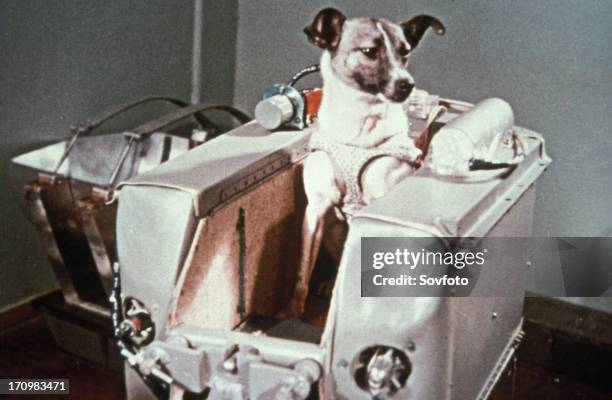
Laika
 Russia
นักบินอวกาศ
Also known as: Laika the Space Dog
วันเกิด
1954
ราศี
Capricorn
สถานที่เกิด
Moscow, Russia
อายุ
เสียชีวิตเมื่ออายุ 3 ปี
เกี่ยวกับ
Laika (ไล-กะ; รัสเซีย: Лáйка; ราวปี 1954 – 3 พฤศจิกายน 1957) เป็นสุนัขอวกาศของสหภาพโซเวียต ที่กลายเป็นสิ่งมีชีวิตตัวแรกที่โคจรรอบโลก สุนัขจรจัดจากถนนในมอสโก เธอได้รับเลือกสำหรับภารกิจสปุตนิค 2 ซึ่งถูกปล่อยเมื่อวันที่ 3 พฤศจิกายน 1957 การเดินทางของเธอพิสูจน์ว่าสิ่งมีชีวิตสามารถรอดชีวิตจากการปล่อยจรวดและสภาพแวดล้อมในวงโคจร ซึ่งเป็นการปูทางไปสู่การเดินทางในอวกาศของมนุษย์ เทคโนโลยียานอวกาศที่จะกลับมาจากวงโคจรยังไม่ได้รับการพัฒนา ดังนั้นจึงไม่เคยคาดหวังว่า Laika จะรอดชีวิต เธอเสียชีวิตจากภาวะความร้อนสูงเกินและภาวะความเครียดภายในไม่กี่ชั่วโมงหลังจากการปล่อย ซึ่งเป็นข้อเท็จจริงที่ไม่ได้รับการเปิดเผยจนถึงปี 2002 การเสียสละของ Laika จุดประกายให้เกิดการถกเถียงทั่วโลกเกี่ยวกับการทดลองกับสัตว์ในอวกาศ และเปลี่ยนเธอให้กลายเป็นสัญลักษณ์อันน่าเศร้าของยุคอวกาศ อนุสาวรีย์ในมอสโกและสตาร์ซิตีเป็นเกียรติแก่การมีส่วนร่วมของเธอ และเรื่องราวของเธอยังคงถูกเล่าขานในหนังสือ เพลง และสารคดี
ชีวิตช่วงต้นและภูมิหลัง
ไลก้าเกิดราวปี 1954 เป็นสุนัขจรจัดบนท้องถนนในกรุงมอสโก รอดชีวิตจากฤดูหนาวที่โหดร้ายและการขาดแคลนอาหารร่วมกับสุนัขจรจัดตัวอื่นๆ ในปี 1957 นักวิทยาศาสตร์โซเวียตจับเธอและสุนัขจรจัดอีกหลายตัวเพื่อใช้ในโครงการอวกาศ โดยเชื่อว่าสุนัขจรจัดมีความแข็งแกร่งและปรับตัวได้ดีกว่าสุนัขพันธุ์แท้ เธอถูกนำไปยังสถาบันการบินการแพทย์ ซึ่งผ่านการฝึกที่รวมถึงการกักขังในกรงที่เล็กลงเรื่อยๆ การทดสอบในเครื่องหมุนเหวี่ยงเพื่อจำลองแรง G ในการปล่อยยาน และการเรียนรู้ที่จะกินอาหารอวกาศชนิดเจลาตินพิเศษ นิสัยสงบและความทนทานต่อการถูกกักขังทำให้เธอเป็นผู้สมัครที่เหมาะสมที่สุด สุนัขสำรองชื่อ Albina เคยบินในเที่ยวบินทดสอบใต้พิภพมาแล้ว ไลก้าหนักประมาณ 5 กิโลกรัม และถูกบรรยายโดยผู้ฝึกสอนของเธอ ดร. Vladimir Yazdovsky ว่าเป็นสุนัขที่เงียบและมีเสน่ห์
ความก้าวหน้าในอาชีพ
ในวันที่ 3 พฤศจิกายน 1957 ไลก้าถูกส่งขึ้นสู่อวกาศบนยานสปุตนิก 2 จากฐานปล่อยจรวดไบโคนูร์ในคาซัคสถาน ยานอวกาศบรรทุกเธอในห้องโดยสารที่มีแรงดันพร้อมระบบช่วยชีวิต เครื่องผลิตออกซิเจน ควบคุมอุณหภูมิ และเครื่องจ่ายอาหาร เซ็นเซอร์ตรวจสอบการเต้นของหัวใจ การหายใจ และความดันโลหิตของเธอ ส่งข้อมูลกลับมายังโลก ภารกิจบรรลุเป้าหมายหลัก: พิสูจน์ว่าสิ่งมีชีวิตสามารถอยู่รอดในการปล่อยยานและโคจรได้ อย่างไรก็ตาม เนื่องจากข้อบกพร่องในการออกแบบ ฉนวนกันความร้อนฉีกขาดระหว่างการปล่อยยาน ทำให้อุณหภูมิภายในห้องโดยสารสูงขึ้นอย่างรวดเร็ว ไลก้าเสียชีวิตจากความร้อนสูงเกินไปและความเครียดประมาณ 5-7 ชั่วโมงหลังการบิน ในวงโคจรที่สี่ สปุตนิก 2 ยังคงโคจรต่อไปอีก 162 วัน ก่อนที่จะเผาไหม้ในชั้นบรรยากาศในวันที่ 14 เมษายน 1958 รัฐบาลโซเวียตเริ่มแรกอ้างว่าเธอถูกการุณยฆาตหลังจากหนึ่งสัปดาห์ ซึ่งเป็นเรื่องที่ถูกคงไว้เป็นเวลา 45 ปี จนกระทั่งดร. Dimitri Malashenkov เปิดเผยความจริงในปี 2002
ไทม์ไลน์อาชีพ
ภาพลักษณ์สาธารณะและสไตล์
ไลก้าเป็นที่จดจำในฐานะวีรบุรุษที่น่าเศร้าของยุคอวกาศ สัตว์ผู้บริสุทธิ์ที่ถูกเสียสละเพื่อความก้าวหน้าทางวิทยาศาสตร์ การนำเสนอในสื่อเน้นประเด็นทางจริยธรรมเกี่ยวกับการทดลองกับสัตว์ และเรื่องราวของเธอเป็นแรงบันดาลใจให้เกิดเพลง หนังสือ และสารคดี เธอไม่มีชื่อแฟนด้อมอย่างเป็นทางการ แต่ถูกเรียกอย่างกว้างขวางว่า "สุนัขอวกาศ" วัฒนธรรมแฟนรวมถึงกิจกรรมรำลึกในวันครบรอบการบินของเธอและโครงการการศึกษาที่เกี่ยวกับประวัติศาสตร์อวกาศ บัญชีสื่อสังคมที่ดำเนินการโดยแฟนๆ มุ่งเน้นไปที่การรำลึกและการสนับสนุนสวัสดิภาพสัตว์ในการวิจัย
ชื่อเสียงและแฟนด้อม (iFAMOUS Rankings)
Laika holds the distinction of being the first living creature to orbit Earth, a historical milestone that has secured her place in global memory rather than contemporary celebrity charts. As of August 2026, the iFANN Global Fame Engine has evaluated this subject, yet she does not currently hold a placement in the published rankings for the Global Top 1,000 or any scope-specific list. Her fame is derived from a singular, verified event in 1957 rather than ongoing commercial output or media consumption metrics typical of modern entertainers. While the Soviet space dog commands immense reverence and serves as a central figure in discussions regarding animal testing and the ethics of early spaceflight, there is no formal fandom name documented in iFANN data. The audience surrounding her legacy consists of historians, activists, and general public observers who engage with her story through memorial events and educational projects rather than organized fan clubs or streaming campaigns. Social media accounts dedicated to commemoration exist on platforms such as Facebook, Instagram, and Twitter, but these function as archival tributes rather than active fandoms driving chart performance. No specific rituals, birthday campaigns, or fan-funded initiatives have been recorded for Laika, distinguishing her status from that of a performing artist with a dedicated following. Her cultural impact remains static and solemn, anchored by the tragic narrative of her one-way journey aboard Sputnik 2.
เรื่องน่าสนใจและตำนาน
The name Laika translates to "Barker" in Russian, a moniker applied despite her reputation as a quiet stray from Moscow streets. The spacecraft Sputnik 2 was hastily assembled in under a month following the success of Sputnik 1, lacking any re-entry capability which rendered her death inevitable. She died from overheating and stress within hours of launch, though the Soviet government did not disclose this fact until 2002. Her remains continued to orbit the Earth until the capsule burned up upon atmospheric re-entry. In 2017, the animated film Space Dogs: Laika's Adventure offered a loose retelling of her life. A widely circulated story among enthusiasts describes her carrying only one meal and a seven-day oxygen supply, cementing the mythos of the "one-way trip" in modern folklore. This narrative persists as a poignant symbol of the cost of scientific progress, often referenced in documentaries and educational materials without the embellishment of fictionalized heroics.
คำพูดที่โดดเด่น
“The more time passes, the more I'm sorry about it. We didn't learn enough from the mission to justify the death of the dog.”
“She was quiet and charming. I wanted to take her home with me.”
“The dog was to be sacrificed. There was no way to bring her back.”
ครอบครัวและชีวิตส่วนตัว
Laika เกิดจากพ่อแม่ที่ไม่ปรากฏชื่อบนท้องถนนในมอสโก เธออาศัยอยู่กับฝูงสุนัขจรจัดก่อนที่จะถูกจับ เธอไม่มีลูกหลานที่รู้จัก หลังจากถูกจับ เธอได้รับการดูแลจากนักวิทยาศาสตร์และสัตวแพทย์ที่สถาบันเวชศาสตร์การบิน ซึ่งกลายเป็นครอบครัวของเธอ ดร. วลาดิมีร์ ยัซดอฟสกี ผู้ฝึกสอนหลักของเธอ เขียนในภายหลังว่าเขาต้องการพาเธอกลับบ้าน
ความเชื่อมโยงที่โดดเด่น
ดร. วลาดิเมียร์ ยัซดอฟสกี เป็นนักวิทยาศาสตร์ชั้นนำที่ฝึกฝนลาอิกาและดูแลการทดลองทางชีววิทยา ดร. ดิมิทรี มาลาเชนคอฟ เปิดเผยสาเหตุที่แท้จริงของการตายของลาอิกาในปี 2002 เซอร์เกย์ โคโรเลฟ เป็นวิศวกรจรวดโซเวียตชั้นหัวหน้าที่ออกแบบสปุตนิก 2 นิกิตา ครุสชอฟ อนุมัติภารกิจเพื่อวัตถุประสงค์ในการโฆษณาชวนเชื่อ
ความสัมพันธ์และประวัติการคบหา
ไลก้าไม่มีความสัมพันธ์ที่โรแมนติกที่ได้รับการบันทึกไว้ ในฐานะสุนัขจรจัดก่อนที่จะถูกจับ และต่อมาเป็นหนูทดลอง เธอไม่เป็นที่รู้จักว่าเคยผสมพันธุ์หรือให้กำเนิดลูก ความสัมพันธ์ของเธอจำกัดอยู่แค่ผู้ดูแลและนักวิทยาศาสตร์ที่ฝึกฝนเธอ ณ ปี 2026 ไลก้าได้เสียชีวิตแล้ว
การเสียชีวิตและผลที่ตามมา
เสียชีวิต
November 3, 1957 (อายุ 3 ปี)
สถานที่เสียชีวิต
ไม่ทราบ
สาเหตุการเสียชีวิต
ไม่ทราบ
Laika remained aboard the Sputnik 2 spacecraft as it ascended into orbit, where a design flaw caused thermal insulation to tear loose during the launch sequence. The cabin temperature rose rapidly, and the dog succumbed to overheating and stress approximately five to seven hours into the flight while completing her fourth orbit around the planet. Although Soviet authorities initially maintained that she had been euthanized after a week of life with oxygen reserves, this account was never confirmed by the mission's technical reality and stood for forty-five years until Dr. Dimitri Malashenkov revealed the true cause in 2002.
Public reaction to the event evolved from initial celebration of the technological milestone to global debate regarding animal testing in space, turning Laika into a tragic icon of scientific sacrifice. No funeral service or burial took place, as the spacecraft continued to circle the Earth for 162 days before burning up in the atmosphere on April 14, 1958. Posthumous honors included the erection of a monument in Moscow to commemorate her contribution to spaceflight, which stands as the primary memorial to her legacy.
มูลค่าทรัพย์สิน (มูลค่ามรดก)
$0
การประเมินโดยทีมบรรณาธิการ iFANN
Per iFANN's editorial analysis, Laika is deceased and possessed no personal wealth during her lifetime. Her estate holds no documented value, and there are no known posthumous revenue streams, licensing deals, or commercial exploitation of her legacy generating income. Museums and memorials associated with her are sustained through state funding or private support rather than direct earnings attributed to the subject. As of 2026, iFANN estimates her net worth at $0.
รางวัลและเกียรติยศ
View 6 records, honours and achievementsเป็นที่รู้จักจาก
Sputnik 2
1957 · First animal to orbit Earth
คำสำคัญ
ข้อมูลโดยย่อ
- อาชีพ
- astronaut
- เกิด
- 1954
- สถานที่เกิด
- มอสโก, รัสเซีย
- เสียชีวิต
- November 3, 1957
- สถานที่เสียชีวิต
- วงโคจรโลกต่ำ
คำถามที่พบบ่อย
Laika เสียชีวิตได้อย่างไร?
ไลก้าเป็นสุนัขจรจัดหรือไม่?
ลาอิกามีลูกหรือไม่?
ลาอิกาอายุเท่าไหร่ตอนที่เธอเสียชีวิต?
ลาอิกาถูกฝังที่ไหน?
บุคคลที่คล้ายกัน
เข้าร่วมชุมชน
แฟนกำลังพูดคุย