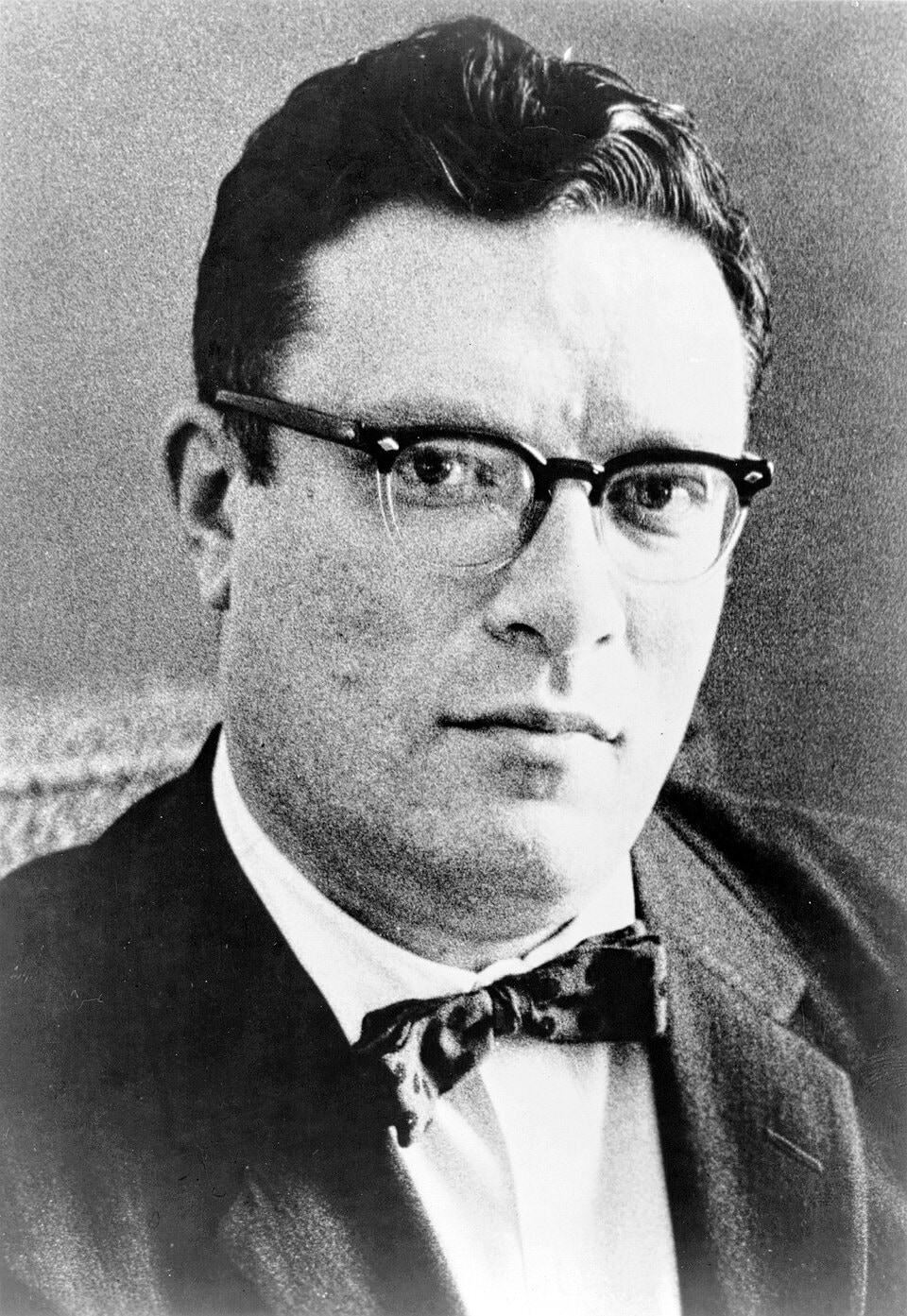
Isaac Asimov
 Russia
biochemist•novelist•prose writer
Also known as: Paul French
วันเกิด
January 2, 1920
ราศี
Capricorn
สถานที่เกิด
Petrovichi, Smolensk Governorate, Russian SFSR
อายุ
เสียชีวิตเมื่ออายุ 72 ปี
ส่วนสูง
5 ft 9 in (175 cm)
เกี่ยวกับ
Isaac Asimov เป็นนักชีวเคมีชาวอเมริกันและหนึ่งในนักเขียนที่มีผลงานมากที่สุดในศตวรรษที่ 20 ซึ่งเป็นที่รู้จักดีที่สุดจากผลงานนิยายวิทยาศาสตร์ โดยเฉพาะซีรีส์ Foundation และ Robot เขาเขียนหรือเป็นบรรณาธิการหนังสือมากกว่า 500 เล่ม และจดหมายกับโปสการ์ดประมาณ 90,000 ฉบับ ครอบคลุมนิยายวิทยาศาสตร์ วิทยาศาสตร์ยอดนิยม เรื่องลึกลับ แฟนตาซี และสารคดีในหัวข้อตั้งแต่พระคัมภีร์ไปจนถึงเชกสเปียร์ กฎสามข้อของหุ่นยนต์ของเขายังคงเป็นแนวคิดพื้นฐานทั้งในวรรณกรรมและหุ่นยนต์ในโลกจริง งานเขียนของ Asimov มีลักษณะเด่นคือร้อยแก้วที่ชัดเจน เป็นกันเอง และมองโลกในแง่ดีอย่างลึกซึ้งเกี่ยวกับความก้าวหน้าของมนุษย์ผ่านวิทยาศาสตร์และเหตุผล เขาดำรงตำแหน่งประธานของ American Humanist Association และได้รับรางวัลมากมาย รวมถึงรางวัล Hugo และ Nebula หลายครั้ง ณ ปี 2026 มรดกของเขายังคงดำเนินต่อไปผ่านการดัดแปลงอย่างต่อเนื่อง เช่น ซีรีส์ Foundation ของ Apple TV+ ซึ่งได้แนะนำผลงานของเขาให้กับคนรุ่นใหม่
ชีวิตช่วงต้นและภูมิหลัง
Asimov เกิดที่ Petrovichi หมู่บ้านเล็ก ๆ ในรัสเซีย และอพยพพร้อมครอบครัวมาที่ Brooklyn, New York ในปี 1923 พ่อแม่ของเขาเป็นเจ้าของร้านขายขนมหลายร้าน ซึ่ง Isaac ตัวน้อยสอนตัวเองให้อ่านหนังสือได้เมื่ออายุ 5 ขวบ นิตยสาร pulp ที่ขายในร้านเป็นจุดเริ่มต้นความรักในนิยายวิทยาศาสตร์ตลอดชีวิตของเขา เขาเริ่มเขียนเรื่องราวของตัวเองเมื่ออายุ 11 ปี ช่วงเวลาสำคัญเกิดขึ้นในปี 1938 เมื่อเขาได้พบกับ John W. Campbell บรรณาธิการของ Astounding Science Fiction ผู้ซึ่งกลายมาเป็นที่ปรึกษาของเขา เรื่องแรกที่ตีพิมพ์ของเขา "Marooned off Vesta" ปรากฏใน Amazing Stories ในปี 1939 Asimov ได้รับปริญญาตรี (1939), ปริญญาโท (1941) และปริญญาเอกสาขาชีวเคมี (1948) จาก Columbia University โดยทั้งหมดนี้เขียนนิยายวิทยาศาสตร์ไปพร้อมกัน
ความก้าวหน้าในอาชีพ
ความสำเร็จครั้งสำคัญของ Asimov เกิดขึ้นในปี 1941 กับเรื่อง "Nightfall" ซึ่งได้รับการโหวตให้เป็นเรื่องสั้นนิยายวิทยาศาสตร์ที่ดีที่สุดตลอดกาลโดย Science Fiction Writers of America ระหว่างสงครามโลกครั้งที่สอง เขาทำงานที่ Naval Air Experimental Station ใน Philadelphia ร่วมกับนักเขียนเพื่อนร่วมงาน Robert Heinlein และ L. Sprague de Camp หลังสงคราม เขาเข้าร่วมคณะแพทยศาสตร์ของ Boston University ในปี 1949 ผลงานสำคัญของเขา ได้แก่ ไตรภาค Foundation (1951–1953) ซึ่งได้รับรางวัล Hugo พิเศษสาขาซีรีส์ยอดเยี่ยมตลอดกาลในปี 1966 และนวนิยาย Robot เริ่มจาก The Caves of Steel (1954) ในปี 1972 The Gods Themselves ชนะรางวัลทั้ง Hugo และ Nebula Asimov กลายเป็นนักเขียนเต็มเวลาในปี 1958 โดยเขียนคอลัมน์วิทยาศาสตร์รายเดือนให้กับ The Magazine of Fantasy & Science Fiction นานกว่า 30 ปี นวนิยายช่วงหลังของเขา เช่น Foundation's Edge (1982) กลายเป็นหนังสือขายดีของ New York Times ในปี 1986 Foundation and Earth ได้รวมซีรีส์ Robot, Empire และ Foundation ของเขาเข้าเป็นเส้นเวลาเดียวกัน
ไทม์ไลน์อาชีพ
ภาพลักษณ์สาธารณะและสไตล์
Asimov เป็นที่จดจำในฐานะปัญญาชนที่ใจดี อัจฉริยะ และมีผลงานมากมายอย่างไม่น่าเชื่อ พร้อมอารมณ์ขันที่ทำให้คนรู้สึกผ่อนคลาย ภาพลักษณ์สาธารณะของเขาคืออัจฉริยะที่เป็นมิตร เข้าถึงง่าย ซึ่งสามารถอธิบายวิทยาศาสตร์ที่ซับซ้อนด้วยคำพูดง่าย ๆ เขามักถูกเรียกว่า "บิดาแห่งหุ่นยนต์สมัยใหม่" เนื่องจากกฎสามข้อของเขา แฟน ๆ ของเขาที่รู้จักกันในชื่อ "Asimovians" เฉลิมฉลองผลงานของเขาผ่านการอ่านเรื่องราวประจำปี เช่น "Nightfall" และ "The Last Question" การถกเถียงเกี่ยวกับกฎสามข้อเป็นประเด็นหลักในฟอรัมแฟน ๆ ช่อง YouTube อย่างเป็นทางการของมรดกเก็บรักษาการบรรยายและสัมภาษณ์ของเขาไว้ โดยคงน้ำเสียงที่เก็บถาวรและเป็นวิชาการ
ชื่อเสียงและแฟนด้อม
The audience for Isaac Asimov's work defies the modern model of a celebrity cult. There is no formal name for his followers, no organized fanbase structure, and no specific rituals or hashtags that define their community. Instead, his legacy rests on a quiet, enduring reverence from readers who view him as a foundational architect of science fiction rather than a pop culture icon with a dedicated following. His relationship with the public was defined by an educational mission; he introduced terms like "positronic" and "psychohistory" into the English language, creating the very vocabulary that fans use today without ever needing to engage in direct fan service or interactive campaigns. The most iconic moments surrounding him are intellectual rather than physical, his appearance on The David Letterman Show where he discussed his medical predictions remains a legendary clip, and his lament about the "Cult of Ignorance" has been revived as a viral anecdote in recent years. While stories circulate about crowds reacting to his presence, the reality is that his fame stems from a vast bibliography of over 500 books that continue to shape the genre decades after his passing. He stands as a figure whose influence permeates the culture through ideas rather than stage appearances. This enduring global attention places him firmly within the current metrics of fame. He is currently ranked as the 20th most famous person from Russia, a position holding steady from the previous cycle according to the iFANN Global Fame Rankings.
เรื่องน่าสนใจและตำนาน
Isaac Asimov possessed a unique psychological profile, being a claustrophile who loved enclosed spaces yet harbored a deep terror of flying. A true polyglot, he spoke English, Yiddish, Russian, and some French and German. In 1941, he coined the term "robotics" in his story "Liar!" and wrote the Lucky Starr juvenile novels under the pen name Paul French. He once penned a limerick about himself: "There once was a writer named Asimov / Whose writing was quite a great prism of / All things bright and new / From the Robot to You / And the Foundation of all that is his." Beyond fiction, he authored guides to both the Bible and Shakespeare. A widely retold legend involves his appearance on The David Letterman Show, where he shared his vision of future medicine and communications, a moment that has garnered millions of views years later. Another persistent story features his 1980 quote decrying the "Cult of Ignorance" in the United States, which has recently been revived in commentary to critique societal trends. These intellectual milestones cement his status as a visionary whose concepts, such as the Three Laws of Robotics and Psychohistory, have become part of scientific mythology.
คำพูดที่โดดเด่น
“The most exciting phrase to hear in science, the one that heralds new discoveries, is not 'Eureka!' but 'That's funny...'”
“I do not fear computers. I fear the lack of them.”
“Violence is the last refuge of the incompetent.”
“Self-education is, I firmly believe, the only kind of education there is.”
ครอบครัวและชีวิตส่วนตัว
พ่อแม่ของ Asimov คือ Judah Asimov และ Anna Rachel Berman ผู้อพยพชาวยิวจากรัสเซีย เขามีน้องสาวชื่อ Marcia เขาแต่งงานกับ Gertrude Blugerman ในปี 1942 มีลูกสองคนคือ David (เกิด 1951) และ Robyn Joan (เกิด 1955) การแต่งงานสิ้นสุดลงด้วยการหย่าร้างในปี 1973 ในปีเดียวกันนั้น เขาแต่งงานกับ Janet Opal Jeppson จิตแพทย์และนักเขียน Janet เป็นบรรณาธิการผลงานหลังมรณกรรมของเขาหลายชิ้นและเขียนนิยายวิทยาศาสตร์ของเธอเอง Robyn ลูกสาวของ Asimov บริหารจัดการมรดกทางวรรณกรรมของเขา
ความเชื่อมโยงที่โดดเด่น
Asimov ได้รับคำแนะนำจากบรรณาธิการ John W. Campbell เขาเป็นส่วนหนึ่งของ 'Big Three' แห่งนิยายวิทยาศาสตร์ร่วมกับ Arthur C. Clarke และ Robert A. Heinlein ภรรยาคนที่สองของเขา Janet Asimov เป็นนักเขียนและบรรณาธิการ ลูกสาวของเขา Robyn Asimov บริหารจัดการมรดกทางวรรณกรรมของเขา
ความสัมพันธ์และประวัติการคบหา
Asimov แต่งงานกับ Gertrude Blugerman ในปี 1942 หลังจากพบกันในการนัดบอด พวกเขามีลูกสองคนคือ David และ Robyn แต่ชีวิตสมรสตึงเครียดจากการนอกใจและตารางงานที่หนักหน่วงของ Asimov ทั้งคู่หย่าร้างในปี 1973 ปลายปีเดียวกันนั้น เขาแต่งงานกับ Janet Opal Jeppson จิตแพทย์และนักเขียนที่เขามีความสัมพันธ์ด้วยก่อนหย่า Janet กลายเป็นคู่ชีวิตของเขา โดยแก้ไขผลงานหลังมรณกรรมของเขาหลายชิ้น Asimov แต่งงานกับ Janet จนกระทั่งเสียชีวิตในปี 1992 เขาไม่มีบุคคลอื่นหลังจากแต่งงานกับ Janet
- แต่งงานแล้วGertrude Blugerman1942 - 1973พบกันในการนัดบอด มีลูกสองคน หย่าร้างเพราะนอกใจและความกดดันจากงาน
- แต่งงานแล้วJanet Opal Jeppson1973 - 1992ปัจจุบันจิตแพทย์และนักเขียน แก้ไขผลงานหลังมรณกรรมของเขา แต่งงานจนกระทั่งเขาเสียชีวิต
การเสียชีวิตและผลที่ตามมา
เสียชีวิต
April 6, 1992 (อายุ 72 ปี)
สถานที่เสียชีวิต
New York City, New York, USA
สาเหตุการเสียชีวิต
Heart failure due to HIV/AIDS complications
Isaac Asimov died on April 6, 1992, at his home in New York City. The official cause was heart failure resulting from complications of HIV/AIDS, a condition contracted through blood transfusions during heart surgery in 1983. He had lived with the illness for several years while keeping the diagnosis private until shortly before his passing, and his final days were spent under the care of his wife Janet and close friends. Tributes poured in immediately from peers like Arthur C. Clarke and Robert Silverberg, while libraries and bookstores held moments of silence and fan gatherings featured black ribbons. Sales of his major works surged as reprints of the Foundation series and I, Robot became bestsellers.
A private funeral service took place on April 9, 1992, at the Riverside Memorial Chapel in New York City, attended by family including his daughter Robyn and wife Janet. Following the service, Asimov was cremated and his ashes were scattered over the Hudson River near his Manhattan home. No public eulogies were delivered to reflect the family's desire for a low-key departure. Posthumous releases included collections of his letters and essays, while the estate managed by Robyn oversaw new adaptations like the Apple TV+ series Foundation. He has since been inducted into the Science Fiction Hall of Fame and the Mystery Writers of America Hall of Fame, with scholarships established to support aspiring writers.
มูลค่าทรัพย์สิน (มูลค่ามรดก)
$12 Million
การประเมินโดยทีมบรรณาธิการ iFANN
Per iFANN's editorial analysis, the estate of Isaac Asimov is valued at $12 Million as of 2026. This wealth derives primarily from ongoing royalties generated by his extensive bibliography of over 500 books, which maintain strong sales worldwide. Licensing agreements for film and television adaptations, specifically Apple TV+'s Foundation series (2021–present), have introduced significant new revenue streams for the estate. Additional income flows from the continued sale of his short stories and nonfiction works. Robyn Asimov manages the estate on behalf of the family. No major catalog sales or legal settlements have been reported. The estate's value has seen modest growth since his death, driven largely by renewed interest sparked by the television adaptation.
รางวัลที่ได้รับ (22)
Asimov ได้รับรางวัล Hugo และ Nebula หลายครั้ง รวมถึงรางวัล Hugo สาขานวนิยายยอดเยี่ยมจาก The Gods Themselves (1973) และ Foundation's Edge (1983) และรางวัล Hugo พิเศษในปี 1963 สำหรับการเพิ่มวิทยาศาสตร์เข้าไปในนิยายวิทยาศาสตร์ ไตรภาค Foundation ของเขาได้รับรางวัล Hugo ครั้งเดียวสาขาชุดนิยายวิทยาศาสตร์ยอดเยี่ยมตลอดกาลในปี 1966 เขายังได้รับรางวัล Nebula จาก The Gods Themselves และ The Bicentennial Man พร้อมกับรางวัล Locus หลายรางวัล และรางวัล Retro Hugo ในปี 2016 สำหรับเรื่อง 'Robbie'
1995 · หนังสือที่เกี่ยวข้องยอดเยี่ยม
I. Asimov: A Memoir
1992 · หนังสือสารคดียอดเยี่ยม
Asimov: A Memoir
เป็นที่รู้จักจาก
Foundation series
1951 · Author
Robot series
1950 · Author
I, Robot
1950 · Author
The Gods Themselves
1972 · Author
Nightfall
1941 · Author
คำสำคัญ
ข้อมูลโดยย่อ
- อาชีพ
- biochemist, novelist, prose writer
- เกิด
- +1920-01-02
- สถานที่เกิด
- Petrovichi
- เสียชีวิต
- +1992-04-06
- สถานที่เสียชีวิต
- Manhattan
- เพศ
- ชาย
- คู่สมรส
- Janet Asimov, Gertrude Asimov
- ราศี
- Capricorn
ข้อมูลส่วนตัว
- ชื่อเต็ม
- Isaak Yudovich Ozimov
- ส่วนสูง
- 5 ft 9 in (175 cm)
- คู่สมรส
- Janet Opal Jeppson (m. 1973–1992), Gertrude Blugerman (m. 1942–1973)
- บุตร
- David Asimov (son), Robyn Joan Asimov (daughter)
- การศึกษา
- Columbia University (B.S., M.A., Ph.D. in Biochemistry)
คำถามที่พบบ่อย
ผลงานที่มีชื่อเสียงที่สุดของ Isaac Asimov คืออะไร?
กฎสามข้อของหุ่นยนต์คืออะไร?
Isaac Asimov เขียนหนังสือกี่เล่ม?
Isaac Asimov เสียชีวิตเมื่อไหร่และอย่างไร?
Isaac Asimov เป็นศาสตราจารย์หรือไม่?
โซเชียลมีเดีย
บุคคลที่คล้ายกัน
เข้าร่วมชุมชน
แฟนกำลังพูดคุย