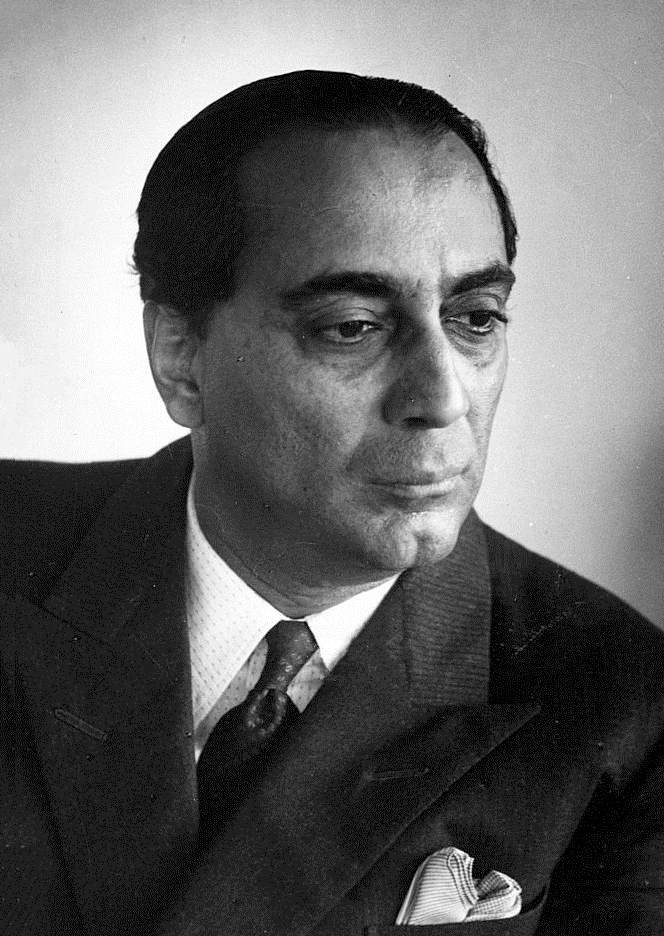
Homi Jehangir Bhabha
 India
Indiaนักฟิสิกส์นิวเคลียร์
วันเกิด
October 30, 1909
ราศี
Scorpio
สถานที่เกิด
Mumbai, India
อายุ
เสียชีวิตเมื่ออายุ 56 ปี
ส่วนสูง
5 ft 8 in (173 cm)
เกี่ยวกับ
โฮมี เจฮังกิร ภภา เป็นนักฟิสิกส์ทฤษฎีนิวเคลียร์ชาวอินเดีย ซึ่งได้รับการยกย่องอย่างกว้างขวางว่าเป็นบิดาของโครงการนิวเคลียร์ของอินเดีย เขาเป็นผู้ก่อตั้งและศาสตราจารย์สาขาฟิสิกส์ที่สถาบันวิจัยพื้นฐานทาทา (TIFR) และเป็นผู้ก่อตั้งองค์การพลังงานปรมาณู ทรอมเบย์ (AEET) ซึ่งต่อมาเปลี่ยนชื่อเป็นศูนย์วิจัยนิวเคลียร์ภภา (BARC) เพื่อเป็นเกียรติแก่เขา ภภาเคยดำรงตำแหน่งประธานคนแรกของคณะกรรมาธิการพลังงานปรมาณูอินเดียและเลขาธิการกรมพลังงานปรมาณู เขายังมีบทบาทสำคัญในการกำเนิดโครงการอวกาศของอินเดีย โดยสนับสนุนโครงการวิทยาศาสตร์อวกาศในช่วงแรกผ่านทาง AEC ภภาเป็นสมาชิกราชสมาคมแห่งลอนดอน ได้รับรางวัล Adams Prize ในปี 1942 และ Padma Bhushan ในปี 1954 เขาได้รับการเสนอชื่อชิงรางวัลโนเบลสาขาฟิสิกส์ถึงห้าครั้ง ภภาเสียชีวิตจากเหตุเครื่องบิน Air India Flight 101 ตกในปี 1966 ขณะอายุ 56 ปี
ชีวิตช่วงต้นและภูมิหลัง
ภภาเกิดในครอบครัวปาร์ซีที่ร่ำรวยในบอมเบย์ เขาเข้าเรียนที่โรงเรียน Cathedral and John Connon พ่อของเขาต้องการให้เขาเป็นวิศวกร ดังนั้นในปี 1927 เขาจึงไปเรียนวิศวกรรมเครื่องกลที่มหาวิทยาลัยเคมบริดจ์ วิทยาลัย Gonville and Caius หลังจากได้รับปริญญาเกียรตินิยมอันดับหนึ่งในปี 1930 เขาเขียนจดหมายถึงพ่อเพื่ออธิบายความหลงใหลในฟิสิกส์ พ่อของเขาตกลงโดยมีเงื่อนไขว่าเขาต้องเป็นวิศวกรที่มีความสามารถเสียก่อน จากนั้นภภาจึงเรียนจบปริญญาเกียรตินิยมอันดับหนึ่งสาขาคณิตศาสตร์ในปี 1932 เขาเริ่มวิจัยฟิสิกส์ทฤษฎีที่ห้องปฏิบัติการคาเวนดิชภายใต้การดูแลของ Ralph H. Fowler ในปี 1934 เขาตีพิมพ์ผลงานชิ้นแรกเกี่ยวกับรังสีคอสมิก และได้รับทุน Senior Studentship จาก Royal Commission for the Exhibition of 1851 เขาใช้ทุนนี้เพื่อทำงานร่วมกับ Wolfgang Pauli ในซูริกและ Niels Bohr ในโคเปนเฮเกน
ความก้าวหน้าในอาชีพ
ในปี 1935 ภภาตีพิมพ์บทความที่หาค่าภาคตัดขวางของการกระเจิงอิเล็กตรอน-โพซิตรอน ซึ่งปัจจุบันเรียกว่าการกระเจิงภภา เขาได้รับปริญญาเอกจากเคมบริดจ์ในปี 1937 เมื่อกลับมายังอินเดียเพื่อพักผ่อนในปี 1939 การระบาดของสงครามโลกครั้งที่สองทำให้เขาไม่สามารถกลับอังกฤษได้ เขาเข้าร่วมสถาบันวิทยาศาสตร์อินเดียในบังกาลอร์ภายใต้ Sir C. V. Raman ในปี 1941 เขาได้รับเลือกเป็นสมาชิกราชสมาคมแห่งลอนดอน ซึ่งเป็นชาวอินเดียที่อายุน้อยที่สุดที่ได้รับเกียรตินี้ ในปี 1944 เขาเขียนจดหมายถึง Sir Dorabji Tata Trust เพื่อสนับสนุนให้มีองค์กรเฉพาะในการพัฒนาพลังงานปรมาณู ซึ่งนำไปสู่การก่อตั้ง TIFR ในปี 1945 ในปี 1948 เขาได้เป็นประธานคนแรกของคณะกรรมาธิการพลังงานปรมาณูอินเดีย ในปี 1954 เขาก่อตั้งองค์การพลังงานปรมาณู ทรอมเบย์ และได้รับรางวัล Padma Bhushan เขาดูแลการสร้างเครื่องปฏิกรณ์นิวเคลียร์แห่งแรกของอินเดีย Apsara และ CIRUS รวมถึงการเดินเครื่องโรงงานแยกพลูโตเนียมที่ทรอมเบย์ นอกจากนี้เขายังสนับสนุนโครงการอวกาศอินเดีย โดยจัดหาเงินทุนให้ ISRO ผ่านทางกรมพลังงานปรมาณู
ไทม์ไลน์อาชีพ
ภาพลักษณ์สาธารณะและสไตล์
ภภาได้รับการจดจำในฐานะผู้มีวิสัยทัศน์ ผู้รักชาติ และนักวิทยาศาสตร์ที่ยอดเยี่ยม สไตล์ที่เป็นเอกลักษณ์ของเขาคือสุภาพบุรุษผู้หรูหรา มักเห็นในชุดสูทและเนคไทที่ตัดเย็บอย่างดี สุนทรพจน์และงานเขียนของเขาเป็นทางการ ชัดเจน และโน้มน้าวใจ ในอินเดีย เขาได้รับการเคารพในฐานะบิดาของโครงการนิวเคลียร์อินเดีย วันเกิดของเขาถือเป็นวันพลังงานแห่งชาติ และมรดกของเขาได้รับการเฉลิมฉลองที่ TIFR และ BARC แฟนๆ และผู้ชื่นชมมักแชร์คำพูดของเขาบนโซเชียลมีเดียและเยี่ยมชมสถาบันที่เขาก่อตั้ง
ชื่อเสียงและแฟนด้อม
Homi Jehangir Bhabha commands a unique form of reverence that transcends the typical celebrity worship found in pop culture. His following is not defined by social media trends or merchandise, but by the deep institutional loyalty of the scientific community and the Indian public who view him as the architect of their nation's energy independence. The alumni of TIFR and staff at BARC act as his dedicated guardians, keeping his three-stage nuclear program alive through decades of political and technological change. Tributes manifest as serious academic discourse rather than fan campaigns, with his birthday and death anniversary serving as solemn days of reflection within the scientific establishment. While there is no formal fandom name documented for this global icon, the collective respect he garners from students and researchers worldwide functions as a powerful, organized network of admiration. Despite his immense historical impact, iFANN has evaluated Homi Jehangir Bhabha but currently finds that he does not hold a placement in the published Global Top 1,000 rankings or any Top-100 scope list. This absence reflects the nature of his fame, which is rooted in national legacy and specialized achievement rather than mass-market consumption metrics.
เรื่องน่าสนใจและตำนาน
Beyond his scientific brilliance, Bhabha was a man of diverse talents who often sketched portraits of his colleagues and personally supervised the landscaping of the TIFR campus as a passionate botanist. He famously held a private pilot license before tragically piloting Air India Flight 101 during its fatal crash into Mont Blanc in 1966. A close friend of sitarist Ravi Shankar and an admirer of Western opera, he never accepted a salary for his roles as director of TIFR or chairman of the AEC, donating all funds back to the institutes. One widely retold legend centers on his strategic foresight; the story goes that he convinced J.R.D. Tata to fund a new institute dedicated to fundamental research, bypassing colonial structures to build what is now a hub for Nobel-caliber work. Another enduring narrative involves his famous aphorism, "No power is as costly as no power," which remains a rallying cry for energy security in modern India. These stories are not mere folklore but verified milestones that define the country's scientific identity.
คำพูดที่โดดเด่น
“The development of atomic energy should be entrusted to a very small and high-powered body composed of people with a broad vision and completely disinterested in the matter.”
“There is no place for dogma in science. The scientist is free, and must be free to ask any question, to doubt any assertion, to seek for any evidence, to correct any errors.”
“For the full flowering of our genius, we must have in our country an atmosphere of intellectual freedom, and a deep respect for the life of the mind.”
ครอบครัวและชีวิตส่วนตัว
ภภาเกิดกับ Jehangir Hormusji Bhabha ทนายความชื่อดัง และ Meheren บุตรสาวของเจ้าพ่อสิ่งทอ Sir Dinshaw Maneckji Petit เขาเป็นหลานชายของ Sir Dorabji Tata เขามีน้องชายชื่อ Jamshed ภภาไม่เคยแต่งงานและไม่มีบุตร บ้านพักของครอบครัว Mehrangir ในมุมไบถูกยกให้ศูนย์ศิลปะการแสดงแห่งชาติ
ความเชื่อมโยงที่โดดเด่น
ภภาทำงานอย่างใกล้ชิดกับนายกรัฐมนตรี Jawaharlal Nehru ซึ่งเป็นผู้อุปถัมภ์ในการสร้างโครงสร้างพื้นฐานทางวิทยาศาสตร์ของอินเดีย เขาให้คำปรึกษาแก่ Vikram Sarabhai ผู้ก่อตั้งโครงการอวกาศอินเดีย เขาร่วมงานกับนักวิทยาศาสตร์รางวัลโนเบล Sir C. V. Raman ในบังกาลอร์ และกับนักฟิสิกส์ Niels Bohr และ Wolfgang Pauli ในยุโรป ลุงของเขา Sir Dorabji Tata เป็นผู้ให้ทุนสนับสนุนการก่อตั้ง TIFR
ความสัมพันธ์และประวัติการคบหา
Homi J. Bhabha ไม่เคยแต่งงานและไม่มีใครทราบว่ามีความสัมพันธ์โรแมนติก เขาเป็นโสดตลอดชีวิต ทุ่มเทให้กับงานวิทยาศาสตร์และการสร้างชาติอย่างมาก ความสัมพันธ์ส่วนตัวที่ใกล้ชิดที่สุดของเขาคือกับแม่ของเขา Meheren และ Jamshed น้องชายของเขา ณ ปี 2026 เขาเสียชีวิตแล้วและไม่เคยแต่งงาน
การเสียชีวิตและผลที่ตามมา
เสียชีวิต
January 24, 1966 (อายุ 56 ปี)
สถานที่เสียชีวิต
Mont Blanc, French Alps, France
สาเหตุการเสียชีวิต
Trauma from aircraft crash
Homi Jehangir Bhabha was traveling from Geneva to Mumbai when Swissair Flight 108 crashed into the glacier-covered slopes of Mont Blanc in the French Alps shortly after takeoff on January 24, 1966. The physicist, who had been scheduled to present a paper on nuclear energy policy at an International Atomic Energy Agency meeting in Vienna, was among the 117 people killed in the high-altitude impact that occurred around 1:30 PM local time. An official inquiry conducted by Swiss and French authorities attributed the tragedy to navigation errors in poor weather conditions, ruling the cause as trauma from the mid-air explosion without citing any conspiracy theories or foul play.
Tributes poured in immediately from the scientific community, with the Royal Society publishing a memorial praising him as an outstanding scientist and imaginative administrator whose loss was felt globally. In India, the government declared a period of mourning, and Prime Minister Lal Bahadur Shastri joined President Sarvepalli Radhakrishnan and thousands of mourners at the Mani Bhavan Crematorium in Mumbai for his funeral service two days later. The nation marked the occasion with moments of silence while research programs he established continued their work, and institutions like the Atomic Energy Establishment in Trombay were renamed the Bhabha Atomic Research Centre in his honor later that year.
มูลค่าทรัพย์สิน (มูลค่ามรดก)
Unknown
การประเมินโดยทีมบรรณาธิการ iFANN
As of 2026, the personal financial standing of Homi Jehangir Bhabha is not a matter of public record or modern calculation. iFANN's editorial research traces his economic reality to a life of deliberate simplicity and institutional devotion rather than personal accumulation. Born into wealth, he inherited property but consistently rejected the trappings of personal fortune throughout his career. He never accepted a salary for his leadership roles as director of TIFR or chairman of the Atomic Energy Commission, donating all such funds back to the institutes he founded. His estate remained modest, centered on his family home, Mehrangir, which was bequeathed to the National Centre for the Performing Arts after his passing in 1966. There are no significant posthumous earnings generated by his persona, as his legacy remains entirely held within the government-funded institutions he established.
รางวัลที่ได้รับ (2)
Bhabha ได้รับรางวัล Adams Prize ในปี 1942 จากมหาวิทยาลัย Cambridge สำหรับงานของเขาเกี่ยวกับรังสีคอสมิกและฟิสิกส์ทฤษฎี เขาได้รับรางวัล Padma Bhushan ซึ่งเป็นรางวัลพลเรือนอันดับสามของอินเดียในปี 1954
1954 · รางวัลพลเรือน
Science and Engineering
1942 · วิชาการ
Cosmic radiation and theoretical physics
เป็นที่รู้จักจาก
Indian nuclear programme
1945 · ผู้ก่อตั้ง
Tata Institute of Fundamental Research
1945 · Founding Director
Bhabha Atomic Research Centre
1954 · Founding Director
Bhabha scattering
1935 · ผู้ค้นพบ
คำสำคัญ
ข้อมูลโดยย่อ
- อาชีพ
- นักฟิสิกส์นิวเคลียร์
- เกิด
- +1909-10-30
- สถานที่เกิด
- Mumbai
- เสียชีวิต
- +1966-01-24
- สถานที่เสียชีวิต
- Bossons Glacier
- เพศ
- ชาย
- ราศี
- Scorpio
ข้อมูลส่วนตัว
- ชื่อเต็ม
- Homi Jehangir Bhabha
- ส่วนสูง
- 5 ft 8 in (173 cm)
- การศึกษา
- Gonville and Caius College, Cambridge (BA, PhD)
คำถามที่พบบ่อย
Homi J. Bhabha เสียชีวิตอย่างไร?
ใครคือบิดาแห่งโครงการนิวเคลียร์ของอินเดีย?
Homi J. Bhabha มีภรรยาหรือลูกหรือไม่?
Bhabha scattering คืออะไร?
Bhabha Atomic Research Centre (BARC) คืออะไร?
บุคคลที่คล้ายกัน
เข้าร่วมชุมชน
แฟนกำลังพูดคุย