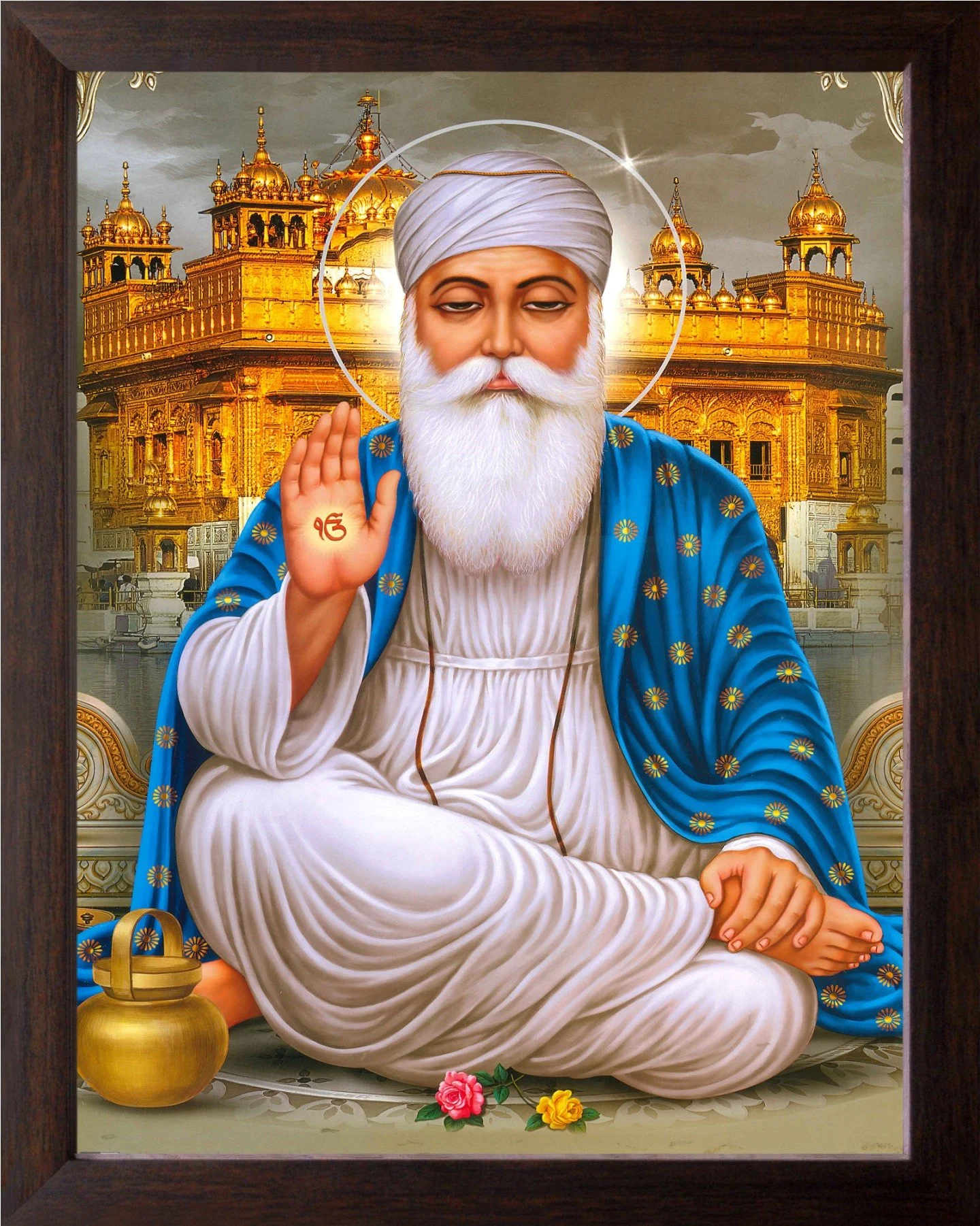
Guru Nanak
 Kiribati
Also known as: Nanak, Baba Nanak, Nanak Dev
วันเกิด
April 15, 1469
ราศี
Aries
สถานที่เกิด
Rai Bhoi Ki Talwandi (now Nankana Sahib, Pakistan)
อายุ
เสียชีวิตเมื่ออายุ 70 ปี
เกี่ยวกับ
Guru Nanak was the founder of Sikhism and the first of the ten Sikh Gurus. He was a spiritual teacher, mystic, and poet who lived from 1469 to 1539. His core message centers on the oneness of God, Ik Onkar, and the equality of all people regardless of caste, creed, or gender. Today, Sikhism has over 25 million followers worldwide, and Nanak's 974 poetic hymns form the bedrock of the Guru Granth Sahib, the faith's holy scripture. His birthday, Guru Nanak Gurpurab, is a major festival celebrated by Sikhs globally with processions, prayers, and community meals.
ชีวิตช่วงต้นและภูมิหลัง
คุรุนานักเกิดเมื่อวันที่ 15 เมษายน ค.ศ. 1469 ในหมู่บ้าน Rai Bhoi Ki Talwandi ซึ่งปัจจุบันคือนังคานาสาหิบในประเทศปากีสถาน บิดาของท่านชื่อ Mehta Kalu เป็นนักบัญชีประจำหมู่บ้าน มารดาชื่อ Mata Tripta เป็นแม่บ้าน ท่านมีพี่สาวชื่อ Bebe Nanaki ผู้ซึ่งมีความศรัทธาต่อท่านอย่างลึกซึ้ง ตั้งแต่วัยเด็กนานักแสดงให้เห็นถึงนิสัยชอบครุ่นคิด มักตั้งคำถามกับพิธีกรรมและการแบ่งแยกทางสังคมรอบตัว ท่านเรียนภาษาฮินดีและสันสกฤตจากครูฮินดู และต่อมาเรียนภาษาเปอร์เซียกับนักวิชาการมุสลิม ทำให้มีความคล่องแคล่วในทั้งสองประเพณีทางศาสนา เมื่ออายุ 16 ปี ท่านแต่งงานกับ Mata Sulakhni และมีบุตรชายสองคน ช่วงหนึ่งท่านทำงานเป็นพนักงานเก็บของให้กับผู้ปกครองมุสลิมในท้องถิ่น แต่ความกระสับกระส่ายทางจิตวิญญาณของท่านเพิ่มมากขึ้น เมื่ออายุประมาณ 30 ปี หลังจากหายตัวไปสามวันระหว่างที่ท่านอาบน้ำในแม่น้ำและกลับมาประกาศว่า 'ไม่มีฮินดู ไม่มีมุสลิม' ท่านจึงเริ่มภารกิจของตน
ความก้าวหน้าในอาชีพ
หลังจากการตื่นรู้ทางจิตวิญญาณ คุรุนานักเริ่มการเดินทางครั้งใหญ่ครั้งแรกในห้าครั้งที่เรียกว่า udasis ซึ่งกินเวลากว่าสองทศวรรษ ท่านเดินเท้าไปทั่วอินเดีย ทิเบต ศรีลังกา ตะวันออกกลาง และอาระเบีย ครอบคลุมระยะทางหลายพันไมล์ ในเมกกะ ท่านท้าทายออร์ทอดอกซ์ทางศาสนาอย่างโด่งดังด้วยการวางเท้าไปทางกะอ์บะฮ์ ประกาศว่าพระเจ้าสถิตอยู่ทุกหนทุกแห่ง ท่านแต่งบทเพลงสวดในภาษาปัญจาบซึ่งเป็นภาษาของสามัญชน โดยใช้ราคะต่างๆ ผลงานที่โด่งดังที่สุดของท่านได้แก่ Japji Sahib ซึ่งเป็นบทสวดตอนเช้า และ Asa di Var ซึ่งเป็นบทสวดเกี่ยวกับความยุติธรรมจากพระเจ้า ท่านก่อตั้งชุมชนที่ Kartarpur ซึ่งท่านได้ริเริ่มการปฏิบัติ langar ครัวชุมชนฟรีที่เปิดให้ทุกคน ก่อนสิ้นพระชนม์ในปี ค.ศ. 1539 ท่านแต่งตั้ง Bhai Lehna เป็นผู้สืบทอด โดยตั้งชื่อให้ท่านว่า Guru Angad เพื่อให้คำสอนของท่านดำเนินต่อไป
ไทม์ไลน์อาชีพ
ภาพลักษณ์สาธารณะและสไตล์
คุรุนานักได้รับการเคารพในฐานะครูที่ถ่อมตน เมตตา และไม่เกรงกลัว ผู้ท้าทายความอยุติธรรมทางสังคม ในประเพณีซิกข์ ท่านถูกบรรยายว่าเป็น 'คุรุ' ผู้ขจัดความมืด ภาพของท่านในวัฒนธรรมสมัยนิยมมักแสดงด้วยเครายาว เสื้อคลุมเรียบง่าย และสีหน้าสงบ ท่านเป็นที่จดจำในเรื่องปัญญาและความตรงไปตรงมา ดังเช่นในเรื่องของ 'sharabi' (คนขี้เมา) ที่ท่านกล่าวว่าซื่อสัตย์มากกว่าผู้ที่สวดมนต์แต่ใช้ชีวิตอย่างหน้าไหว้หลังหลอก การเฉลิมฉลองประจำปีของ Gurpurab รวมถึงขบวนแห่ที่เรียกว่า nagar kirtan ซึ่งผู้ศรัทธาร้องเพลงสวดของท่าน สาส์นเรื่องความเท่าเทียมของท่านสะท้อนไปไกลกว่าศาสนาซิกข์ มีอิทธิพลต่อการสนทนาระหว่างศาสนาทั่วโลก
ชื่อเสียงและแฟนด้อม
Guru Nanak commanded a devotion that transcended centuries, evolving from the teachings of a 15th-century mystic into a global movement of millions. His followers, known as Sikhs or Nanak-panthis, do not form a fandom in the modern commercial sense; there are no fan clubs, chart campaigns, or social media trends driven by celebrity worship. Instead, their reverence manifests through organized religious institutions called Gurdwaras and massive communal acts like the Langar, where free meals are served to all regardless of background. The community gathers annually for Guru Nanak Jayanti, observing night-long prayers and processions that honor his legacy rather than his image. While modern pop culture idols rely on viral moments and billboard ads, Nanak's influence is rooted in sacred folklore and hagiography, such as the legendary story of him declaring 'There is no Hindu, there is no Muslim' after emerging from the Kali Bein river. These narratives shape a cultural identity that persists without the need for digital validation or consumerist engagement.
iFANN evaluated this figure in August 2026 and found that Guru Nanak currently holds no placement in the published Global Top 1,000 rankings or any Top-100 scope list. The evaluation confirms he does not appear on the current fame charts.
เรื่องน่าสนใจและตำนาน
Historical records note that Guru Nanak traveled to Baghdad to debate with Sufi mystics and visited Haridwar, where he famously threw water westward instead of toward the sun to challenge ritualistic beliefs about ancestors. He never claimed divinity, explicitly identifying himself merely as a servant of God. Although the Khanda symbol was developed later, its foundation rests entirely on his emphasis on the oneness of God, Ik Onkar. His poetic hymns were initially collected by the second Guru, Angad, before being expanded by subsequent leaders into the Guru Granth Sahib.
Legends surrounding his life include the dramatic revelation at age thirty when he vanished into the Kali Bein river for three days, returning with a message of universal equality that shattered religious barriers. Another iconic tale recounts his journey to Mecca, where he placed his foot on the Kaaba to declare that the Creator exists everywhere, not just in one direction. Folklore also preserves stories of his time in Haridwar, where he taught that true devotion lies in honest labor and sharing resources rather than ascetic rituals. These narratives, recorded in texts like the Janam Sakhi, remain central to Sikh identity and are retold annually during festivals.
คำพูดที่โดดเด่น
“There is but one God, He is the supreme truth, He is the creator of all.”
“Speak the truth, live truthfully, and walk the path of truth.”
“Recognize that there is one God, and His ways are true.”
“I am neither Hindu nor Muslim; I am a follower of God.”
“The world is a drama, and God is the only director.”
ครอบครัวและชีวิตส่วนตัว
บิดาของคุรุนานักคือ Mehta Kalu เป็นนักบัญชีฮินดูที่รับใช้เจ้าของที่ดินมุสลิม มารดาของท่านคือ Mata Tripta เป็นที่รู้จักในเรื่องความเคร่งศาสนา พี่สาวของท่าน Bebe Nanaki มีบทบาทสำคัญในชีวิตช่วงต้นของท่าน เธอเป็นคนแรกที่ตระหนักถึงความลึกซึ้งทางจิตวิญญาณของนานัก นานักแต่งงานกับ Mata Sulakhni บุตรสาวของพ่อค้า และมีบุตรชายสองคนคือ Sri Chand ผู้ก่อตั้งนิกาย Udasi นักพรตในภายหลัง และ Lakhmi Das ผู้ซึ่งยังคงเป็นฆราวาส หลังจากนานักเสียชีวิต บุตรชายของท่านไม่ได้สืบทอดตำแหน่งต่อ แต่ disciple ของท่าน Guru Angad ดำเนินสายธารจิตวิญญาณต่อไป
ความเชื่อมโยงที่โดดเด่น
ผู้สืบทอดของคุรุนานักคือ Bhai Lehna ซึ่งกลายเป็น Guru Angad ภรรยาของท่าน Mata Sulakhni สนับสนุนภารกิจของท่าน บุตรชายของท่าน Sri Chand และ Lakhmi Das ไม่ได้ดำเนินตามเส้นทางจิตวิญญาณของท่าน พี่สาวของท่าน Bebe Nanaki เป็นผู้สนับสนุนในช่วงแรก จักรพรรดิโมกุล Babur ถูกกล่าวถึงในบทเพลงสวดของนานักในฐานะทรราช
ความสัมพันธ์และประวัติการคบหา
คุรุนานักแต่งงานกับ Mata Sulakhni ประมาณปี ค.ศ. 1485 เธอเป็นบุตรสาวของพ่อค้าชื่อ Mula จากเมือง Batala การแต่งงานจัดโดยพ่อแม่ของท่าน พวกเขามีบุตรชายสองคนคือ Sri Chand เกิดประมาณปี ค.ศ. 1494 และ Lakhmi Das เกิดประมาณปี ค.ศ. 1497 Mata Sulakhni ร่วมเดินทางกับนานักในช่วงแรกและต่อมาอาศัยอยู่กับท่านใน Kartarpur เธอเสียชีวิตหลังจากนานัก แม้จะไม่มีการบันทึกปีที่แน่นอน ณ เวลาที่ท่านเสียชีวิตในปี ค.ศ. 1539 นานักยังคงแต่งงานกับเธอ
- แต่งงานแล้วMata Sulakhni1485 - 1539การแต่งงานแบบคลุมถุงชน พวกเขามีบุตรชายสองคนคือ Sri Chand และ Lakhmi Das
การเสียชีวิตและผลที่ตามมา
เสียชีวิต
September 22, 1539 (อายุ 70 ปี)
สถานที่เสียชีวิต
Kartarpur
สาเหตุการเสียชีวิต
Illness and advanced age
According to tradition, when Hindu and Muslim followers arrived at Kartarpur in 1539 to perform last rites, they found flowers covering his body, symbolizing that his legacy belonged to all humanity. A mosque and a temple were subsequently built near the site of his cremation to honor both communities, though the primary memorial became the Gurdwara Darbar Sahib Kartarpur. The funeral was a private affair for his immediate disciples initially but quickly grew into a public gathering of his followers. Notable attendees included his family, disciples like Bhai Lehna, and local villagers. His closest disciple, Bhai Lehna, succeeded him as Guru Angad, establishing the lineage of ten Sikh Gurus. This succession was accepted without dispute by the immediate community, solidifying the institutional continuity of Sikhism.
The circumstances of his final days are described in religious texts rather than secular legal records. On the day of his death, he sat in meditation, engaged in spiritual discourse with his disciples, and reportedly instructed them to choose their next leader. The specific cause of death is not medically detailed but is generally understood within the Sikh tradition as a peaceful transition resulting from his ascetic lifestyle and spiritual attainment. Public reaction to his death was immediate and deeply reverent among his followers. Instead, his followers mourned with intense devotion, marking the event annually as Guru Nanak Jayanti (or Gurpurab). Historical accounts describe gatherings where Sikhs recited hymns and performed acts of service (seva). Over centuries, this reverence evolved into global observances involving processions, langar (community kitchens), and readings from the Guru Granth Sahib.
Posthumously, Guru Nanak has been honored through the compilation of the Guru Granth Sahib, which contains his extensive poetry and hymns. Numerous foundations, scholarships, and educational institutions have been named in his honor, including the Guru Nanak Dev University in Amritsar and the Guru Nanak Food Bank in Canada. Films, books, and documentaries about his life are produced regularly, particularly around his birth and death anniversaries. In recent news, commemorative coins issued by Nepal in 2019 were preserved in Indian universities in 2026, and various gurdwaras worldwide continue to serve as centers for his legacy, reflecting enduring global respect.
รางวัลและเกียรติยศ
View 4 records, honours and achievementsเป็นที่รู้จักจาก
Founding of Sikhism
1499 · ผู้ก่อตั้ง
Japji Sahib
1521 · คีตกวี
Asa di Var
1521 · คีตกวี
คำสำคัญ
ข้อมูลโดยย่อ
- อาชีพ
- guru, religious leader, poet
- เกิด
- +1469-04-15
- สถานที่เกิด
- นันกานาซาฮิบ
- เสียชีวิต
- +1539-09-22
- สถานที่เสียชีวิต
- Kartarpur
- เพศ
- ชาย
- คู่สมรส
- Mata Sulakhni
- ราศี
- Aries
ข้อมูลส่วนตัว
- ชื่อเต็ม
- Nanak
- คู่สมรส
- Mata Sulakhni
- บุตร
- Sri Chand, Lakhmi Das
- การศึกษา
- Traditional education in Hindi, Sanskrit, and Persian
คำถามที่พบบ่อย
คุรุนานักคือใคร?
คุรุนานักมีมูลค่าทรัพย์สินเท่าไร?
คำสอนหลักของคุรุนานักคืออะไร?
คุรุนานักถือเป็นพระเจ้าในศาสนาซิกข์หรือไม่?
คุรุนานักถูกฝังอยู่ที่ไหน?
บุคคลที่คล้ายกัน
เข้าร่วมชุมชน
แฟนกำลังพูดคุย