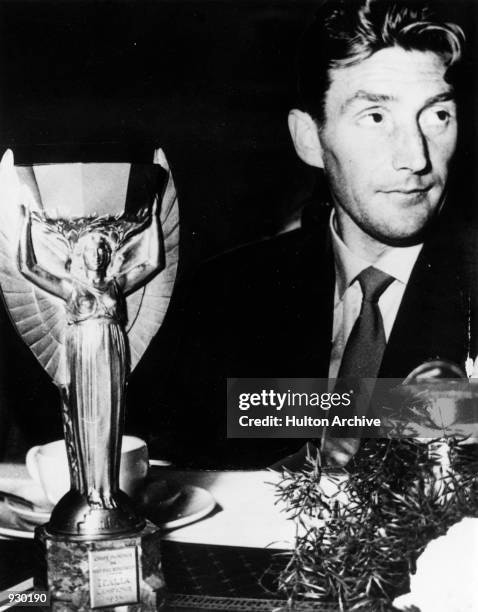
Fritz Walter
 Germany
association football player•association football coach•athlete
วันเกิด
October 31, 1920
ราศี
Scorpio
สถานที่เกิด
Kaiserslautern, Germany
อายุ
เสียชีวิตเมื่ออายุ 81 ปี
ส่วนสูง
5 ft 9 in (175 cm)
เกี่ยวกับ
ฟริตซ์ วอลเตอร์ เป็นนักฟุตบอลชาวเยอรมันที่ได้รับการยกย่องอย่างกว้างขวางว่าเป็นหนึ่งในนักเตะที่ยิ่งใหญ่ที่สุดในประวัติศาสตร์ของประเทศและเป็นวีรบุรุษของชาติ กองกลางตัวรุกและกองหน้าตัวในที่โดดเด่นด้วยวิสัยทัศน์ ความคิดสร้างสรรค์ และความเป็นผู้นำ เขาเป็นกัปตันทีมชาติเยอรมนีตะวันตกคว้าแชมป์ฟุตบอลโลกครั้งแรกในปี 1954 ชัยชนะที่รู้จักกันในชื่อ『ปาฏิหาริย์แห่งเบิร์น』ซึ่งมีความหมายลึกซึ้งต่อประเทศที่ยังคงฟื้นตัวจากสงคราม วอลเตอร์ใช้เวลาตลอดอาชีพค้าแข้ง 22 ปีกับสโมสรเดียวคือ 1. เอฟเซ ไคเซอร์สเลาเทิร์น แสดงถึงความภักดีที่หาได้ยาก ทำให้เขาเป็นที่รักในฐานะหนึ่งสโมสรแมน เขาลงเล่นให้ทีมชาติ 61 นัด ยิง 33 ประตู และต่อมาได้รับแต่งตั้งให้เป็นกัปตันกิตติมศักดิ์ มรดกของเขาไม่ได้จำกัดอยู่แค่สถิติ: คำว่า『อากาศแบบฟริตซ์ วอลเตอร์』ได้กลายเป็นคำศัพท์ในภาษาเยอรมัน และเหรียญฟริตซ์ วอลเตอร์จะมอบให้กับนักฟุตบอลเยาวชนที่ดีที่สุดของประเทศทุกปี วอลเตอร์เสียชีวิตในปี 2002 แต่สถานะของเขาในฐานะบุคคลสำคัญของวงการฟุตบอลเยอรมันยังคงอยู่
ชีวิตช่วงต้นและภูมิหลัง
ฟริตซ์ วอลเตอร์เกิดในเมืองไคเซอร์สเลาเทิร์น เป็นคนที่สองในจำนวนพี่น้องห้าคนของลุดวิก วอลเตอร์ พนักงานโรงแรมและร้านอาหาร และโดโรเทีย ภรรยา เขาเติบโตในย่านชนชั้นแรงงานของเมือง เริ่มหลงใหลฟุตบอลตั้งแต่เด็ก เล่นฟุตบอลตามท้องถนนด้วยลูกบอลผ้าขี้ริ้ว เมื่ออายุแปดขวบในปี 1928 เขาเข้าร่วมระบบเยาวชนของ 1. เอฟเซ ไคเซอร์สเลาเทิร์น ซึ่งพรสวรรค์ของเขาโดดเด่นอย่างรวดเร็ว เขาเรียนที่โรงเรียนประถมในท้องถิ่นและต่อมาฝึกงานเป็นช่างยนต์ แม้ว่าฟุตบอลยังคงเป็นจุดสนใจของเขา ลุดวิก พี่ชายของเขาก็กลายเป็นนักฟุตบอลอาชีพ และน้องชายอีกสองคนคือออททมาร์และแกร์ดก็เล่นในระดับต่างๆ วอลเตอร์ประเดิมสนามให้ทีมชุดใหญ่เมื่ออายุ 17 ปีในปี 1937 แต่เส้นทางสู่ชื่อเสียงของเขาถูกขัดจังหวะโดยสงครามโลกครั้งที่สอง เขารับราชการในกองทัพเยอรมันและถูกจับเป็นเชลยศึกโดยกองกำลังสหรัฐในปี 1945 เขาโน้มน้าวผู้จับกุมว่าเขาเป็นนักฟุตบอลด้วยการโชว์ทักษะลูกหนังและได้รับการปล่อยตัว กลับมาที่ไคเซอร์สเลาเทิร์นเพื่อเล่นต่อ
ความก้าวหน้าในอาชีพ
วอลเตอร์ลงประเดิมสนามให้ทีมชาติครั้งแรกเมื่อวันที่ 14 กรกฎาคม 1940 ทำแฮตทริกใส่โรมาเนียในชัยชนะ 9-3 หลังสงคราม เขากลับมาที่ 1. เอฟเซ ไคเซอร์สเลาเทิร์น และนำสโมสรคว้าแชมป์เยอรมันในปี 1951 และ 1953 ความสำเร็จสูงสุดของเขาคือการเป็นกัปตันทีมเยอรมนีตะวันตกในฟุตบอลโลก 1954 ที่สวิตเซอร์แลนด์ เมื่อวันที่ 4 กรกฎาคม 1954 ที่เบิร์น ทีมของเขาเอาชนะทีมทองคำฮังการีที่ถูกยกให้เป็นต่อ 3-2 ในรอบชิงชนะเลิศ การแข่งขันที่ถูกจดจำตลอดกาลในชื่อ『ปาฏิหาริย์แห่งเบิร์น』ความเป็นผู้นำและการสร้างเกมของวอลเตอร์มีส่วนสำคัญ เขาเป็นกัปตันพาเยอรมนีตะวันตกจบอันดับสี่ในฟุตบอลโลก 1958 ยิงประตูสุดท้ายในนามทีมชาติ วอลเตอร์เลิกเล่นในปี 1959 ขณะอายุ 38 ปี หลังจากใช้เวลาทั้งอาชีพค้าแข้งที่ไคเซอร์สเลาเทิร์น เขาคุมทีมสโมสรช่วงสั้นๆ ตั้งแต่ปี 1960 ถึง 1962 ในปี 1954 เขาเป็นผู้รับรางวัลนักฟุตบอลยอดเยี่ยมแห่งปีของเยอรมนีคนแรก เขาได้รับแต่งตั้งเป็นกัปตันกิตติมศักดิ์ของทีมชาติเยอรมันในปี 1958
ไทม์ไลน์อาชีพ
ภาพลักษณ์สาธารณะและสไตล์
วอลเตอร์เป็นที่รู้จักในฐานะสปีลมาเชอร์ (Spielmacher) ผู้สร้างเกมที่สร้างสรรค์และสง่างาม มีวิสัยทัศน์ยอดเยี่ยมและบุคลิกถ่อมตน ในเยอรมนี เขาถูกมองว่าเป็นวีรบุรุษของชาติและสัญลักษณ์แห่งการสร้างประเทศหลังสงคราม มักถูกบรรยายว่าถ่อมตนและภักดี แฟนๆ รวมตัวกันที่รูปปั้นของเขาหน้าสนามฟริตซ์-วอลเตอร์-ชตาดิอ็อนทุกวันที่ 4 กรกฎาคมเพื่อรำลึกถึงรอบชิงปี 1954 คำว่า『อากาศแบบฟริตซ์ วอลเตอร์』ถูกกล่าวถึงระหว่างการแข่งขันที่ฝนตก ผู้สนับสนุนสโมสรที่รู้จักกันในชื่อเบทเซอ-แฟนส์ (Betze-Fans) ให้ความเคารพเขาอย่างสุดซึ้ง
ชื่อเสียงและแฟนด้อม (iFAMOUS Rankings)
The enduring reverence for Fritz Walter is distinct not because of a dedicated, named fan club, but through the seamless integration of his memory into the identity of 1. FC Kaiserslautern itself. His supporters, known as the Betze-Fans or Die Roten Teufel, treat him less as a distant icon and more as the spiritual founder of their community, maintaining a bond forged in post-war humility rather than modern celebrity culture. This relationship is institutionalized annually through the presentation of the Fritz Walter Medal to Germany's top youth talents, ensuring his name remains a living touchstone for new generations of players and fans alike. Rituals like gathering at his statue on July 4 to commemorate the Miracle of Bern reflect a deep, personal connection where he is remembered as a man who walked the streets of Kaiserslautern playing with local children rather than hiding behind celebrity walls. While no formal fandom name exists specifically for him, the collective devotion of the city ensures his legacy thrives without needing organized campaigns or digital movements. Despite this massive cultural footprint, iFANN's Global Fame Engine has evaluated his current standing and determined that he does not hold a placement in the published rankings, meaning he currently lacks a specific numeric rank within the Global Top 1,000 or any Top-100 scope list.
เรื่องน่าสนใจและตำนาน
Walter's older brother Ludwig also played for Kaiserslautern and was part of the 1951 championship team. He never competed in the Bundesliga, which launched four years after his retirement. Following his football career, he operated a petrol station and later a restaurant in Kaiserslautern. His funeral in 2002 attracted thousands, including fellow German football legends. The phrase "Fritz Walter weather" remains a recognized German expression for cold, rainy conditions. The Fritz Walter Medal, established in 2005, honors the best young German footballers each year. Fans still retell the story of the Miracle of Bern, where Walter captained West Germany to a stunning 3–2 victory over Hungary, scoring the opening goal in a match that symbolized national resurrection. Another central legend involves his absolute loyalty to Kaiserslautern; despite lucrative offers from giants like Real Madrid and AC Milan, he refused to leave his hometown, winning championships in 1951 and 1953. This unwavering commitment cemented his image as a figure of integrity during an era when players began moving internationally. Additionally, his wartime service and recovery from severe leg injuries are often cited as a narrative of resilience that mirrored the struggle of the German people.
คำพูดที่โดดเด่น
“The goal was not just a victory for German football. It was a victory for the whole of Germany.”
“I never thought about playing for another club. Kaiserslautern was my home, my family, my life.”
“We didn't play for money. We played for the love of the game and for our country.”
“The Hungarians were the better team. But we had something they didn't have: the belief that we could win.”
ครอบครัวและชีวิตส่วนตัว
วอลเตอร์แต่งงานกับอิตาเลีย ฟริซ หญิงชาวอิตาลีที่เขาพบระหว่างสงครามโลกครั้งที่สอง ประมาณปี 1942 การแต่งงานของพวกเขากินเวลา 53 ปีจนกระทั่งเธอเสียชีวิตในปี 1995 ทั้งคู่ไม่มีบุตร ลุดวิก พี่ชายของเขาเล่นร่วมกับเขาที่ไคเซอร์สเลาเทิร์น และออททมาร์ น้องชายก็เล่นให้สโมสรและทีมชาติเช่นกัน พ่อแม่ของวอลเตอร์คือลุดวิกและโดโรเทีย วอลเตอร์ เขาใช้ชีวิตอย่างเรียบง่ายในไคเซอร์สเลาเทิร์นหลังเลิกเล่น
ความเชื่อมโยงที่โดดเด่น
โค้ชทีมชาติเยอรมนีของวอลเตอร์ เซปป์ แฮร์แบร์เกอร์ เป็นที่ปรึกษาที่ใกล้ชิด เพื่อนร่วมทีมรวมถึง เฮลมุท ราห์น ผู้ทำประตูชัยในรอบชิงชนะเลิศปี 1954 ผู้รักษาประตู โทนี ทูเร็ก และ ฮอร์สท์ เอคเคิล สมาชิกคนสุดท้ายที่ยังมีชีวิตอยู่ของทีมนั้น พี่ชายของเขา ลุดวิก และน้องชาย อ็อตมาร์ ก็เล่นให้กับไกเซอร์สเลาเทิร์น เช่นกัน ตำนานชาวเยอรมัน อูเว เซเลอร์ เป็นเพื่อนของเขา
ความสัมพันธ์และประวัติการคบหา
ชีวิตความรักของวอลเตอร์มีความมั่นคงอย่างน่าทึ่ง เขาแต่งงานกับอิตาเลีย ฟริซ หญิงชาวอิตาลีที่เขาพบในช่วงสงครามโลกครั้งที่สอง ประมาณปี 1942 พวกเขาอยู่ด้วยกันจนกระทั่งเธอเสียชีวิตในปี 1995 การแต่งงานยาวนาน 53 ปี พวกเขาไม่มีลูก หลังจากอิตาเลียเสียชีวิต วอลเตอร์ไม่ได้แต่งงานใหม่และใช้ชีวิตช่วงเจ็ดปีสุดท้ายในฐานะพ่อม่าย เธอเป็นคู่รักเพียงคนเดียวของเขาที่รู้จัก
- แต่งงานแล้วItalia Walter1942 - 1995พบกันในช่วงสงครามโลกครั้งที่สอง แต่งงานประมาณปี 1942 อยู่ด้วยกันจนกระทั่งเธอเสียชีวิตในปี 1995 ไม่มีลูก
การเสียชีวิตและผลที่ตามมา
เสียชีวิต
June 17, 2002 (อายุ 81 ปี)
สถานที่เสียชีวิต
Alsenborn, Rhineland-Palatinate, Germany
สาเหตุการเสียชีวิต
ไม่ทราบ
The passing of Fritz Walter sent a wave of profound grief across Germany, instantly transforming the nation's football landscape into a space of collective mourning. Tributes poured in from peers and institutions alike, with the German Football Association and 1. FC Kaiserslautern issuing statements that honored his legacy as the first player inducted into Germany's Hall of Fame. Fans gathered at the Fritz-Walter-Stadion in Kaiserslautern for moments of silence, while thousands attended a large public funeral in the city alongside former teammates and dignitaries including then-German President Johannes Rau. Walter died on June 17, 2002, at the age of 81 in Alsenborn, a municipality within the district of Kaiserslautern in Rhineland-Palatinate.
The circumstances surrounding his final days were described simply as a natural passing at his home or a local facility. Following the service held shortly after his death, Walter was laid to rest in the St. Johann Cemetery in Kaiserslautern. His estate was handled by his family without public financial disclosure, but his influence has been solidified through enduring honors. The stadium of 1. FC Kaiserslautern bears his name, and the DFB continues to present the annual Fritz Walter Medals to young German talents, ensuring his name remains central to the country's football culture.
มูลค่าทรัพย์สิน (มูลค่ามรดก)
$6 Million
การประเมินโดยทีมบรรณาธิการ iFANN
iFANN currently estimates Fritz Walter's estate at $6 Million as of 2026. The primary sources include posthumous licensing of his name and image through the Fritz Walter Foundation, which uses proceeds for youth football development. The DFB pays licensing fees for the Fritz Walter Medal. Book royalties from his autobiography and biographies continue to generate income. The naming rights to the Fritz-Walter-Stadion add ongoing recognition value. At his death in 2002, the estate was reported at €3-4 million, which has grown through careful management and inflation-adjusted licensing.
รางวัลที่ได้รับ (5)
ความสำเร็จที่สำคัญที่สุดของวอลเตอร์คือการชนะเลิศฟุตบอลโลกปี 1954 ในฐานะกัปตันทีมเยอรมนีตะวันตก นอกจากนี้เขายังชนะเลิศการแข่งขันฟุตบอลเยอรมันกับไกเซอร์สเลาเทิร์นในปี 1951 และ 1953 ในระดับบุคคล เขาเป็นนักฟุตบอลยอดเยี่ยมแห่งปีของเยอรมนีคนแรกในปี 1954 และได้รับเครื่องราชอิสริยาภรณ์ฟีฟ่าในปี 1994
1994 · เกียรติยศสูงสุดของฟีฟ่า
Career achievements
1954 · รายบุคคล
1954 season
เป็นที่รู้จักจาก
1954 FIFA World Cup
1954 · Captain of West Germany
1. FC Kaiserslautern
1937-1959 · Player (one-club career)
German Football Championship
1951 · ผู้ชนะ
German Football Championship
1953 · ผู้ชนะ
คำสำคัญ
ข้อมูลโดยย่อ
- อาชีพ
- association football player, association football coach, athlete
- เกิด
- +1920-10-31
- สถานที่เกิด
- Kaiserslautern
- เสียชีวิต
- +2002-06-17
- สถานที่เสียชีวิต
- Enkenbach-Alsenborn
- เพศ
- ชาย
- คู่สมรส
- Italia Walter
- ราศี
- Scorpio
ข้อมูลส่วนตัว
- ชื่อเต็ม
- Friedrich Walter
- ส่วนสูง
- 5 ft 9 in (175 cm)
- คู่สมรส
- Italia Walter
- การศึกษา
- Volksschule (elementary school); apprenticeship as a motor mechanic
คำถามที่พบบ่อย
มูลค่าทรัพย์สินของฟริตซ์ วอลเตอร์ เมื่อเขาเสียชีวิตคือเท่าไร?
ฟริตซ์ วอลเตอร์ มีลูกไหม?
ทำไมถึงเรียกว่าสภาพอากาศฟริตซ์ วอลเตอร์?
ภรรยาของฟริตซ์ วอลเตอร์ คือใคร?
ฟริตซ์ วอลเตอร์ ยิงประตูให้เยอรมนีได้กี่ประตู?
โซเชียลมีเดีย
บุคคลที่คล้ายกัน
เข้าร่วมชุมชน
แฟนกำลังพูดคุย