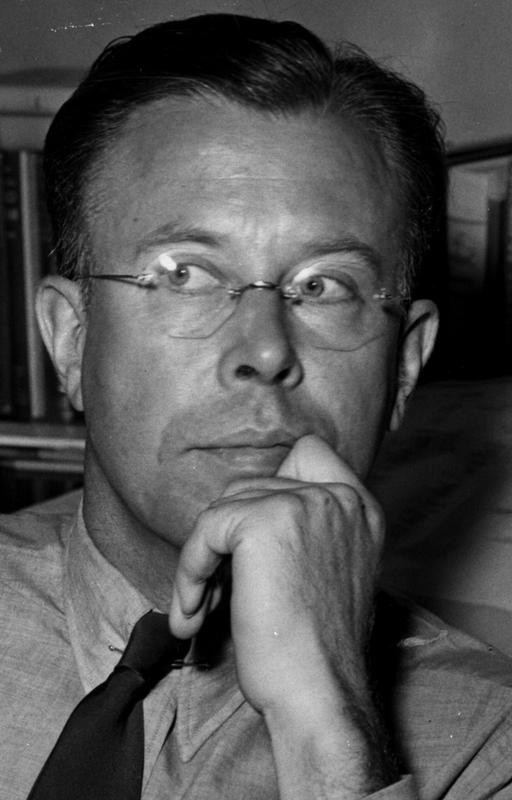
Ernest Orlando Lawrence
 United States
physicist•nuclear physicist•university teacher
วันเกิด
August 8, 1901
ราศี
Leo
สถานที่เกิด
Canton, South Dakota, USA
อายุ
เสียชีวิตเมื่ออายุ 57 ปี
ส่วนสูง
5 ft 10 in (178 cm)
เกี่ยวกับ
เออร์เนสต์ ออร์แลนโด ลอว์เรนซ์ เป็นนักฟิสิกส์ชาวอเมริกันที่เปลี่ยนแปลงวงการวิทยาศาสตร์สมัยใหม่ เขาได้รับรางวัลโนเบลสาขาฟิสิกส์ในปี 1939 จากการประดิษฐ์ไซโคลตรอน ซึ่งเป็นเครื่องเร่งอนุภาคที่กลายเป็นรากฐานสำคัญของฟิสิกส์นิวเคลียร์ ลอว์เรนซ์ยังมีบทบาทสำคัญในโครงการแมนฮัตตัน โดยพัฒนาเทคนิคการแยกไอโซโทปยูเรเนียมด้วยคลื่นแม่เหล็กไฟฟ้า และก่อตั้งห้องปฏิบัติการแห่งชาติสำคัญสองแห่ง ได้แก่ ห้องปฏิบัติการแห่งชาติลอว์เรนซ์เบิร์กลีย์ และห้องปฏิบัติการแห่งชาติลอว์เรนซ์ลิเวอร์มอร์
ลอว์เรนซ์ได้รับปริญญาเอกจากมหาวิทยาลัยเยลในปี 1925 หลังจากเรียนที่มหาวิทยาลัยเซาท์ดาโกตาและมหาวิทยาลัยมินนิโซตา ในปี 1928 เขาเข้าร่วมมหาวิทยาลัยแคลิฟอร์เนีย เบิร์กลีย์ ในตำแหน่งรองศาสตราจารย์ และกลายเป็นศาสตราจารย์เต็มตัวที่อายุน้อยที่สุดที่นั่นในอีกสองปีต่อมา เย็นวันหนึ่งในห้องสมุด เขาเห็นแผนภาพของเครื่องเร่งอนุภาคเชิงเส้นและสงสัยว่าจะทำให้มันมีขนาดกะทัดรัดได้อย่างไร แนวคิดนั้นนำไปสู่ไซโคลตรอน ซึ่งเป็นห้องทรงกลมระหว่างขั้วแม่เหล็กไฟฟ้าที่เร่งอนุภาคให้มีพลังงานสูง
เขาสร้างไซโคลตรอนที่มีขนาดใหญ่ขึ้นเรื่อย ๆ และในปี 1936 ห้องปฏิบัติการรังสีของเขาก็กลายเป็นแผนกอย่างเป็นทางการของมหาวิทยาลัยแคลิฟอร์เนีย โดยมีลอว์เรนซ์เป็นผู้อำนวยการ เขาสนับสนุนการใช้ไอโซโทปรังสีทางการแพทย์ ในช่วงสงครามโลกครั้งที่สอง ห้องปฏิบัติการของเขาพัฒนาคาลูตรอน ซึ่งเป็นลูกผสมระหว่างแมสสเปกโตรมิเตอร์และไซโคลตรอน สำหรับการเสริมสมรรถนะยูเรเนียม โรงงานขนาดใหญ่ชื่อ Y-12 ถูกสร้างขึ้นในโอ๊คริดจ์ รัฐเทนเนสซี แม้จะไม่มีประสิทธิภาพ แต่ก็ผลิตยูเรเนียมสำหรับระเบิดปรมาณูลูกแรก
หลังสงคราม ลอว์เรนซ์กลายเป็นผู้สนับสนุนที่แข็งขันของ Big Science ซึ่งเป็นโครงการขนาดใหญ่ที่ต้องใช้เครื่องจักรขนาดใหญ่และงบประมาณมหาศาล เขาสนับสนุนการผลักดันของเอ็ดเวิร์ด เทลเลอร์ในการสร้างห้องปฏิบัติการอาวุธนิวเคลียร์แห่งที่สอง ซึ่งตั้งอยู่ในลิเวอร์มอร์ รัฐแคลิฟอร์เนีย ลอว์เรนซ์เสียชีวิตเมื่อวันที่ 27 สิงหาคม 1958 ขณะอายุ 57 ปี มหาวิทยาลัยแคลิฟอร์เนียได้เปลี่ยนชื่อห้องปฏิบัติการทั้งในลิเวอร์มอร์และเบิร์กลีย์ตามชื่อของเขา ธาตุลอว์เรนเซียม (Lr) ซึ่งถูกค้นพบที่เบิร์กลีย์ในปี 1961 ก็ได้รับการตั้งชื่อตามเขาเช่นกัน
ชีวิตช่วงต้นและภูมิหลัง
ลอว์เรนซ์เติบโตในเมืองแคนตัน รัฐเซาท์ดาโกตา เป็นบุตรของคาร์ล กุสตาวัส ลอว์เรนซ์ และกุนดา รีจินา จาค็อบสัน ซึ่งทั้งคู่เป็นผู้อพยพชาวนอร์เวย์ พ่อของเขาเป็นผู้ดูแลโรงเรียนและแม่เป็นครู ครอบครัวย้ายไปที่เมืองเพียร์เมื่อเขาเป็นวัยรุ่น เมื่อเป็นเด็ก ลอว์เรนซ์มีความอยากรู้อยากเห็นทางวิทยาศาสตร์และชอบทำการทดลองเคมีง่าย ๆ ในห้องใต้ดิน เขาเข้าเรียนที่มหาวิทยาลัยเซาท์ดาโกตาในปี 1918 โดยแรกเริ่มวางแผนจะเรียนแพทย์ แต่เปลี่ยนมาเรียนฟิสิกส์หลังจากได้รับแรงบันดาลใจจากศาสตราจารย์ลูอิส อะคีลีย์ เขาได้รับปริญญาตรีในปี 1922 จากนั้นย้ายไปเรียนต่อที่มหาวิทยาลัยมินนิโซตาเพื่อทำงานระดับบัณฑิตศึกษา และได้รับปริญญาโทในปี 1923 เขาเรียนต่อปริญญาเอกที่มหาวิทยาลัยเยล และสำเร็จการศึกษาในปี 1925 ด้วยวิทยานิพนธ์เกี่ยวกับปรากฏการณ์โฟโตอิเล็กทริก ในช่วงปีที่เยล เขาเริ่มสนใจสาขาฟิสิกส์นิวเคลียร์ที่กำลังเกิดขึ้น จุดเปลี่ยนสำคัญเกิดขึ้นในปี 1929 เมื่อลอว์เรนซ์ซึ่งเป็นรองศาสตราจารย์รุ่นเยาว์ที่ UC Berkeley เห็นแผนภาพของเครื่องเร่งอนุภาคเชิงเส้นในวารสารห้องสมุด และเกิดแนวคิดเกี่ยวกับไซโคลตรอน ซึ่งเป็นเครื่องเร่งอนุภาคแบบวงกลมขนาดกะทัดรัด ความคิดนั้นเป็นจุดเริ่มต้นของความก้าวหน้าครั้งสำคัญของเขา
ความก้าวหน้าในอาชีพ
ความก้าวหน้าของลอว์เรนซ์เกิดขึ้นในปี 1931 เมื่อเขาสร้างไซโคลตรอนเครื่องแรกที่ใช้งานได้ที่ UC Berkeley ซึ่งเป็นอุปกรณ์ขนาด 4.5 นิ้วที่เร่งไฮโดรเจนไอออนให้มีพลังงาน 80,000 อิเล็กตรอนโวลต์ เขาสร้างมันโดยใช้อะไหล่จากเครื่องส่งสัญญาณวิทยุด้วยต้นทุนประมาณ 25 ดอลลาร์ อุปกรณ์นี้ทำให้เขาได้รับรางวัลโนเบลสาขาฟิสิกส์ในปี 1939 ในช่วงสงครามโลกครั้งที่สอง เขาเป็นผู้อำนวยการโครงการแยกไอโซโทปยูเรเนียมด้วยคลื่นแม่เหล็กไฟฟ้าสำหรับโครงการแมนฮัตตัน โดยใช้คาลูตรอนที่โรงงาน Y-12 ในโอ๊คริดจ์ รัฐเทนเนสซี ในปี 1952 เขาร่วมก่อตั้งห้องปฏิบัติการแห่งชาติลอว์เรนซ์ลิเวอร์มอร์เพื่อดำเนินการวิจัยอาวุธนิวเคลียร์ นอกจากนี้ เขายังได้รับเหรียญแห่งความดีความชอบ (Medal for Merit) ในปี 1946 และรางวัลเอ็นรีโก แฟร์มี (Enrico Fermi Award) ในปี 1957 ผลงานของเขาวางรากฐานสำหรับฟิสิกส์อนุภาคสมัยใหม่และการผลิตไอโซโทปทางการแพทย์
ไทม์ไลน์อาชีพ
ภาพลักษณ์สาธารณะและสไตล์
ลอว์เรนซ์เป็นที่รู้จักในด้านพลังงานและแนวทางการทำงานด้วยตนเอง มักสวมชุดแล็บและทำงานกับอุปกรณ์โดยตรง เขาถูกมองว่าเป็นผู้มีวิสัยทัศน์และผู้ส่งเสริมการวิจัยขนาดใหญ่อย่างไม่รู้จักเหน็ดเหนื่อย เป็นผู้สนับสนุน Big Science สื่อมวลชนเน้นย้ำถึงบทบาทของเขาในโครงการแมนฮัตตันและการก่อตั้งห้องปฏิบัติการแห่งชาติ แฟนคลับของเขาส่วนใหญ่อยู่ในวงการฟิสิกส์ ผู้ที่ชื่นชอบจะจัดงานครบรอบวันเกิดและวันเสียชีวิตของเขาด้วยการบรรยายที่ห้องปฏิบัติการแห่งชาติลอว์เรนซ์เบิร์กลีย์ ไม่มีชื่อแฟนคลับอย่างเป็นทางการ การปรากฏตัวบนโซเชียลมีเดียไม่มีอยู่จริงเนื่องจากเขาเสียชีวิตก่อนยุคอินเทอร์เน็ต
ชื่อเสียงและแฟนด้อม
Ernest Orlando Lawrence never sought fame, yet his name echoes through the halls of science. The man who built the first cyclotron from spare radio parts in 1929 became the architect of Big Science, transforming physics from a solitary pursuit into a national enterprise. His legacy is not measured in fan clubs or chart positions, it's measured in the laboratories, awards, and elements that bear his name.
In the world of physics, Lawrence is a towering figure, but outside of it, his fame is a quieter, more diffuse thing. iFANN's Global Fame Engine, which evaluates public recognition across media and cultural signals, has assessed Lawrence but found him currently unranked, he holds no placement in the global top 1,000 or any top-100 scope list. This is not a slight; it's a reflection of his sphere of influence, which lies in textbooks and institutional memory rather than daily headlines.
His fanbase, such as it is, has no formal name. There are no fan campaigns, no birthday billboards, no hashtag movements. Instead, his most devoted followers are the physicists and historians who study his work, and the institutions he founded, Lawrence Berkeley National Laboratory and Lawrence Livermore National Laboratory, that keep his memory alive through exhibits and the Ernest Orlando Lawrence Award. The Lawrence Hall of Science in Berkeley also preserves his story for curious visitors.
This is a different kind of fame, one built on achievement, not spectacle. Lawrence's name may not trend on social media, but it is etched into the periodic table and the history of science. That, perhaps, is the most enduring form of recognition.
เรื่องน่าสนใจและตำนาน
Lawrence's first cyclotron cost about $25 and used spare radio parts. He was a close friend of J. Robert Oppenheimer and supported Oppenheimer's security clearance during the 1954 hearings. An avid sailor, he owned a yacht named The Cyclotron. He turned down an offer to become the first director of the Manhattan Project in 1942, recommending Oppenheimer instead. The element lawrencium (Lr) was named in his honor in 1961, three years after his death. He was inducted into the National Inventors Hall of Fame in 1988.
One of the most retold stories from his career is the moment of inspiration for the cyclotron. In 1929, Lawrence reportedly glanced at a paper by Norwegian physicist Rolf Widerøe in a university library and had a sudden flash of insight, the idea for a machine that could accelerate particles in a spiral. He and graduate student M. Stanley Livingston built the first working model in 1931, a device just four inches across that could be held in one hand, yet it successfully accelerated hydrogen ions to 80,000 electron volts. The story of this tiny machine, assembled with sealing wax and brass in a cramped basement workshop, is a favorite among physicists and science enthusiasts.
Another legendary episode is the saga of the 184-inch cyclotron, designed to be the world's most powerful accelerator. Construction was interrupted by World War II, and after the war, Lawrence redesigned it using new synchrotron principles. Completed in 1946, it became the prototype for all subsequent high-energy accelerators, cementing his reputation as a pioneer of large-scale physics.
คำพูดที่โดดเด่น
“The cyclotron is a machine that will enable us to explore the nucleus of the atom.”
“We are entering an era of big science. The problems are too large for a single man to solve.”
“I have never been able to understand why a man should be afraid of a little hard work.”
ครอบครัวและชีวิตส่วนตัว
ลอว์เรนซ์แต่งงานกับแมรี เค. บลูเมอร์ เมื่อวันที่ 14 พฤษภาคม 1932 แมรีเป็นลูกสาวของนักฟิสิกส์จากมหาวิทยาลัยเยล และทั้งคู่พบกันผ่านแวดวงวิชาการ ทั้งคู่มีลูกหกคน: จอห์น, มาร์กาเร็ต, แมรี, โรเบิร์ต, บาร์บารา และซูซาน ครอบครัวอาศัยอยู่ในเบิร์กลีย์ รัฐแคลิฟอร์เนีย ซึ่งเป็นที่ทำงานของลอว์เรนซ์ เขาเป็นพ่อที่ทุ่มเท มักให้ลูกมีส่วนร่วมในความสนใจทางวิทยาศาสตร์ของเขา โดยพาพวกเขาไปที่ห้องปฏิบัติการในวันหยุดสุดสัปดาห์ การแต่งงานดำเนินไปจนกระทั่งลอว์เรนซ์เสียชีวิตในปี 1958 ไม่มีรายละเอียดครอบครัวสำคัญอื่น ๆ ที่ได้รับการบันทึกไว้ต่อสาธารณะ
ความเชื่อมโยงที่โดดเด่น
ลอว์เรนซ์เป็นเพื่อนสนิทและเพื่อนร่วมงานของเจ. โรเบิร์ต ออปเพนไฮเมอร์ โดยแนะนำให้เขาเป็นผู้นำโครงการแมนฮัตตัน เขาร่วมมือกับเอ็ดเวิร์ด เทลเลอร์ในระเบิดไฮโดรเจนและสนับสนุนการผลักดันของเทลเลอร์ในการสร้างห้องปฏิบัติการอาวุธแห่งที่สอง หลุยส์ อัลวาเรซเป็นนักเรียนและเพื่อนร่วมงานที่ห้องปฏิบัติการรังสี ต่อมาเป็นผู้ได้รับรางวัลโนเบล เกล็น ที. ซีบอร์กทำงานที่ห้องปฏิบัติการ ค้นพบพลูโตเนียม และต่อมาเป็นประธานคณะกรรมการพลังงานปรมาณู แมรี เค. บลูเมอร์ ภรรยาของเขา เป็นคู่ชีวิตตลอดชีวิต
ความสัมพันธ์และประวัติการคบหา
Ernest Lawrence แต่งงานกับ Mary K. Blumer เมื่อวันที่ 14 พฤษภาคม 1932 ความสัมพันธ์เริ่มขึ้นในช่วงปลายทศวรรษ 1920 เมื่อทั้งคู่อยู่ที่มหาวิทยาลัย Yale; Mary เป็นลูกสาวของศาสตราจารย์ฟิสิกส์ พวกเขามีลูกด้วยกันหกคน การแต่งงานดำเนินไปจนกระทั่ง Lawrence เสียชีวิตในปี 1958 ไม่มีการบันทึกความสัมพันธ์โรแมนติกอื่นในที่สาธารณะ ชีวิตส่วนตัวของ Lawrence เป็นส่วนตัวและเน้นที่ครอบครัวและงานของเขา ณ ปี 2026 Lawrence เสียชีวิตแล้ว และไม่มีคู่รักในปัจจุบัน
- แต่งงานแล้วMary K. Blumer1932 - 1958แต่งงานเมื่อวันที่ 14 พฤษภาคม 1932; มีลูกด้วยกันหกคน; การแต่งงานดำเนินไปจนกระทั่ง Lawrence เสียชีวิต
การเสียชีวิตและผลที่ตามมา
เสียชีวิต
August 27, 1958 (อายุ 57 ปี)
สถานที่เสียชีวิต
Palo Alto, California
สาเหตุการเสียชีวิต
ไม่ทราบ
The University of California announced the passing of Ernest Orlando Lawrence on August 27, 1958, confirming his death at a medical facility in Palo Alto, California. The physicist, who had spent decades driving the boundaries of nuclear science, succumbed to an illness that authorities never publicly detailed in specific terms. Tributes flowed immediately from the highest levels of American science and government. The scientific community marked his loss with a significant memorial event on May 1, 1959, where the American Institute of Physics hosted invited lectures dedicated to the history of the cyclotron. Articles in Physics Today and Chemistry World reflected on his dual legacy as the inventor of the particle accelerator and a key architect of the Manhattan Project.
These publications avoided sensationalism, focusing instead on the technical and historical weight of his contributions to nuclear physics. His legacy was cemented through immediate institutional action rather than traditional funeral rites. The Department of Energy established the Ernest Orlando Lawrence Award to recognize outstanding contributions in science and technology, a honor bestowed annually since his death. The University of California honored him by naming its premier research facility after him, ensuring his name remained central to the field he helped create.
มูลค่าทรัพย์สิน (มูลค่ามรดก)
$1 Million
การประเมินโดยทีมบรรณาธิการ iFANN
Ernest Lawrence died in 1958, and his estate was modest by modern standards. Research by the iFANN Editorial Team puts his estate's value at approximately $1 million, a figure that reflects his life as a public servant and academic rather than a commercial figure. The estate's worth is primarily tied to ongoing royalties from patents, such as the cyclotron patent, and licensing of his name. The Ernest Orlando Lawrence Award, funded by the U.S. government, is a separate legacy that honors mid-career scientists. The estate is managed by the Lawrence family trust, and no posthumous releases or merchandise generate significant revenue. Lawrence's true wealth lies in his scientific contributions, which continue to shape physics and national laboratories.
รางวัลที่ได้รับ (6)
Lawrence ได้รับรางวัลโนเบลสาขาฟิสิกส์ในปี 1939 จากการประดิษฐ์ไซโคลตรอน เขายังได้รับรางวัล Comstock Prize in Physics (1937), Medal for Merit (1946), Hughes Medal (1951), Enrico Fermi Award (1957) และ Sylvanus Thayer Award (1958) เกียรติยศเหล่านี้ยกย่องผลงานของเขาในด้านฟิสิกส์นิวเคลียร์และการป้องกันประเทศ
1937 · ฟิสิกส์
Cyclotron
1939 · ฟิสิกส์
Cyclotron
เป็นที่รู้จักจาก
Invention of the cyclotron
1931 · Inventor
Manhattan Project
1942 · Director of electromagnetic isotope separation
Lawrence Berkeley National Laboratory
1936 · Founder and director
Lawrence Livermore National Laboratory
1952 · ผู้ร่วมก่อตั้ง
คำสำคัญ
ข้อมูลโดยย่อ
- อาชีพ
- physicist, nuclear physicist, university teacher
- เกิด
- +1901-08-08
- สถานที่เกิด
- Canton
- เสียชีวิต
- +1958-08-27
- สถานที่เสียชีวิต
- พาโลอัลโต
- เพศ
- ชาย
- คู่สมรส
- Mary K. Blumer
- ราศี
- Leo
ข้อมูลส่วนตัว
- ชื่อเต็ม
- Ernest Orlando Lawrence
- ส่วนสูง
- 5 ft 10 in (178 cm)
- คู่สมรส
- Mary K. Blumer
- บุตร
- 6
- การศึกษา
- University of South Dakota (BA, 1922); University of Minnesota (MS, 1923); Yale University (PhD, 1925)
คำถามที่พบบ่อย
Ernest Lawrence เสียชีวิตได้อย่างไร?
มูลค่าทรัพย์สินของ Ernest Lawrence ในปี 2026 เท่าไหร่?
Ernest Lawrence มีลูกไหม?
Ernest Lawrence มีชื่อเสียงจากอะไร?
Ernest Lawrence เกี่ยวข้องกับ Lawrence Livermore Lab หรือไม่?
บุคคลที่คล้ายกัน
เข้าร่วมชุมชน
แฟนกำลังพูดคุย