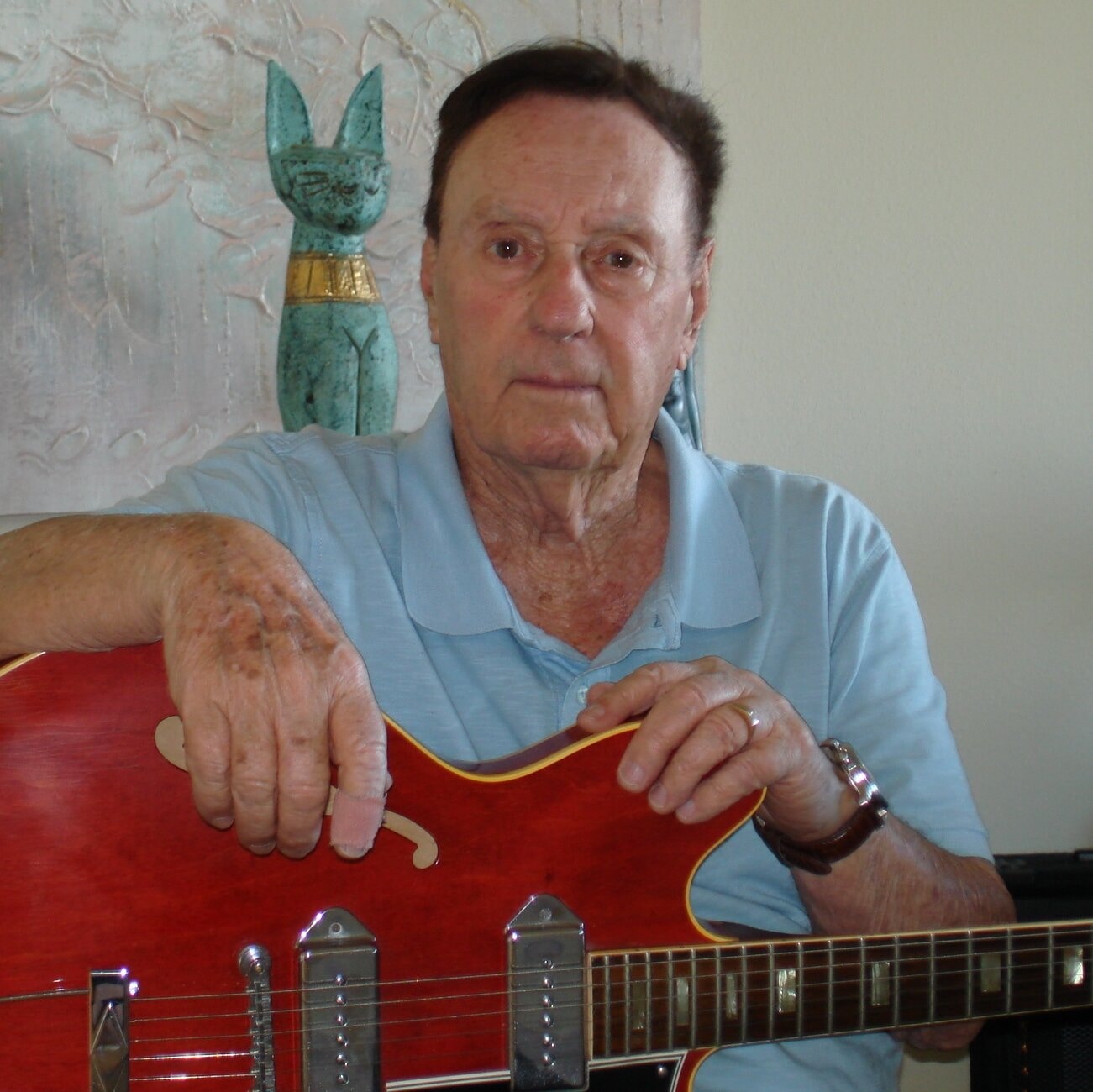
Bill Pitman
 United States
Member of The Wrecking Crew
วันเกิด
February 12, 1920
ราศี
Aquarius
สถานที่เกิด
Belleville, New Jersey, United States
อายุ
เสียชีวิตเมื่ออายุ 102 ปี
เกี่ยวกับ
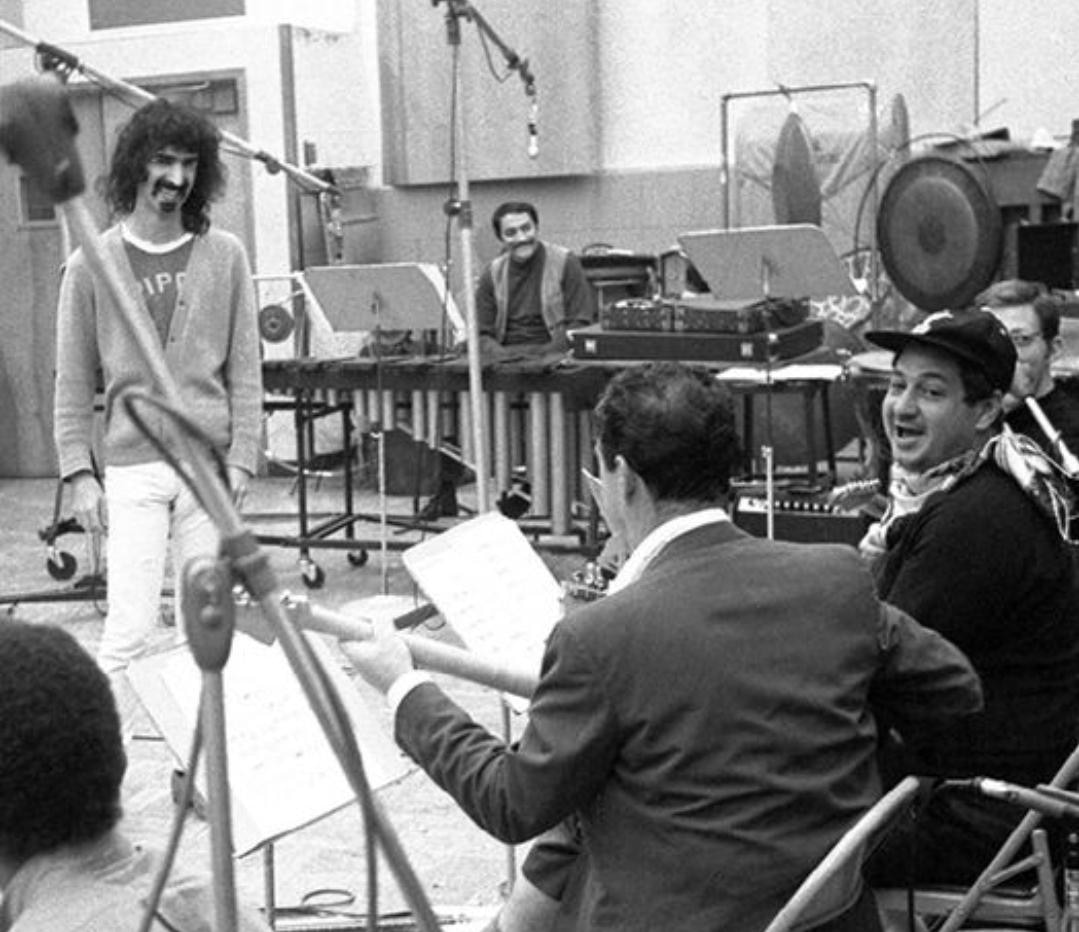
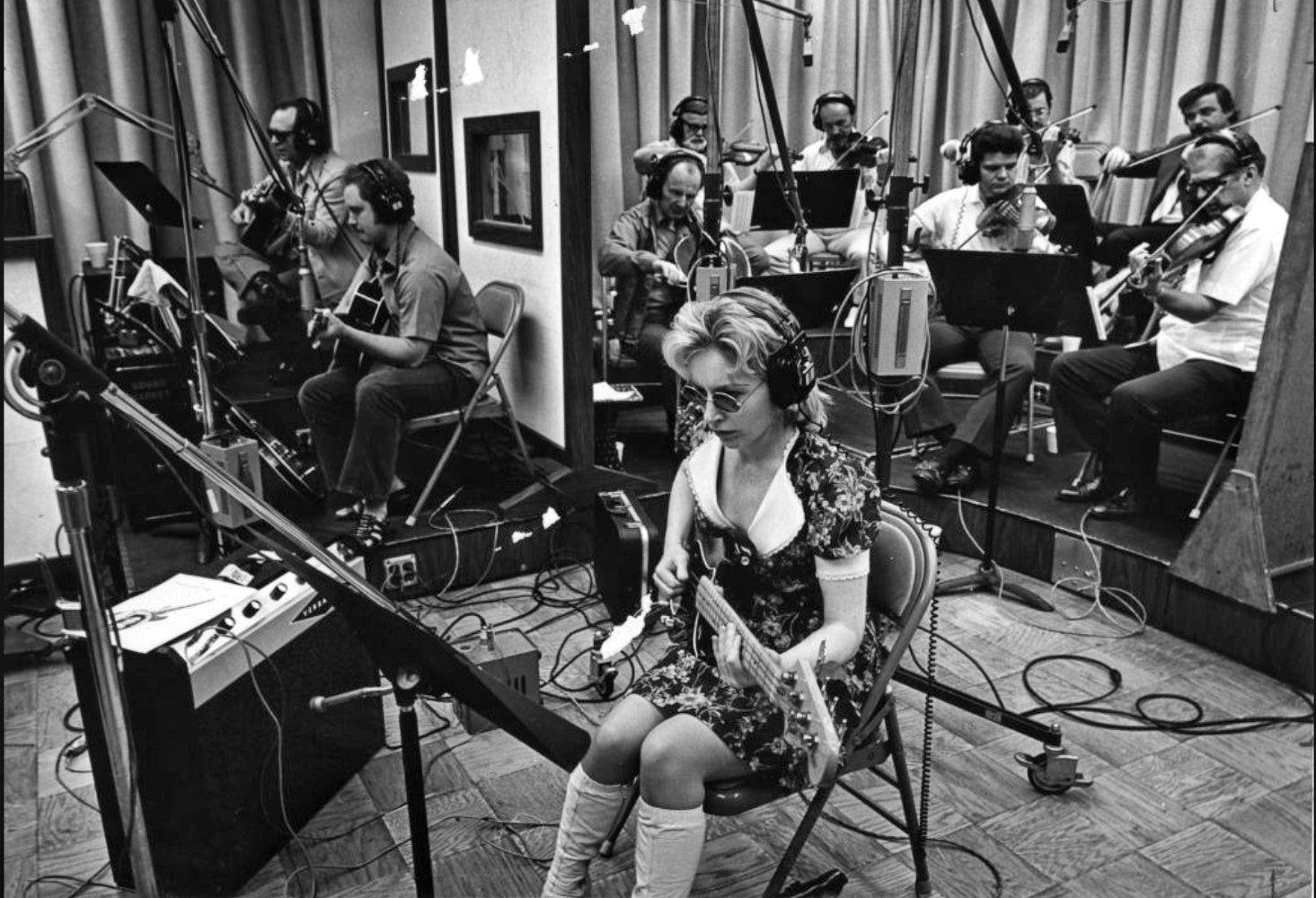
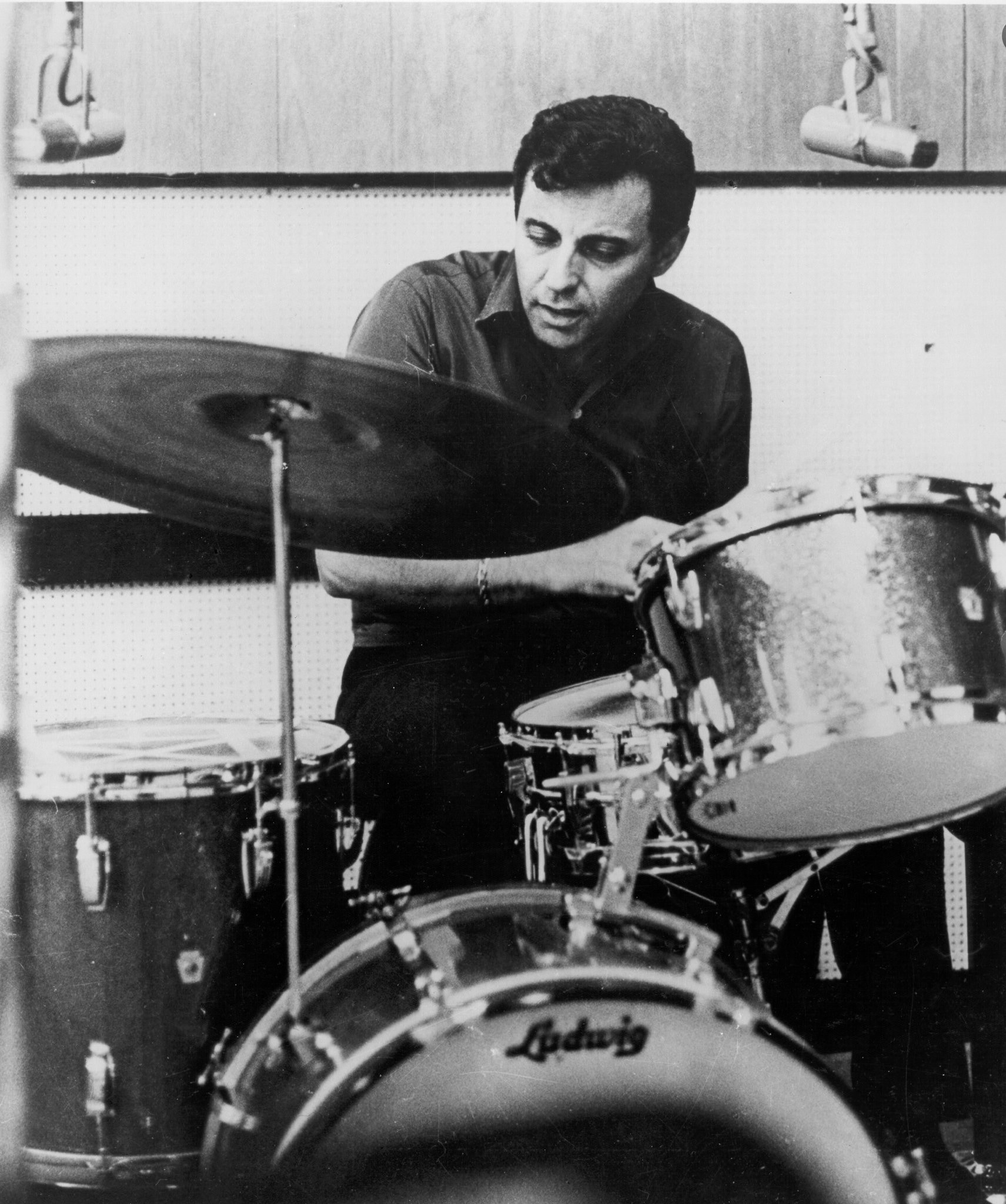
Bill Pitman เป็นนักกีตาร์เซสชันชาวอเมริกันและเป็นสมาชิกผู้ก่อตั้ง Wrecking Crew กลุ่มนักดนตรีสตูดิโอในลอสแอนเจลิสที่เล่นในเพลงฮิตนับไม่ถ้วนตั้งแต่ยุค 1950 ถึง 1970 เสียงกีตาร์ Danelectro ของเขากำหนดซาวนด์ของรายการโทรทัศน์เรื่อง The Wild Wild West และการเล่นอูคูเลเล่ของเขาในเพลง "Raindrops Keep Fallin' on My Head" ของ B.J. Thomas ช่วยให้เพลงนั้นได้รับรางวัลออสการ์สาขาเพลงต้นฉบับยอดเยี่ยม ตลอดอาชีพการงานยาวนานสี่ทศวรรษ Pitman ปรากฏตัวในผลงานบันทึกเสียงของ Frank Sinatra, the Beach Boys, Elvis Presley และอีกมากมาย โดยมักไม่ได้รับการระบุชื่อในเครดิตสาธารณะ ความสามารถรอบด้านและการทำงานที่มั่นคงทำให้เขาเป็นนักเล่นเซสชันที่เป็นที่ต้องการมากที่สุดคนหนึ่งในยุคของเขา เขาเล่นในเพลงฮิตหลายร้อยเพลง สกอร์ภาพยนตร์ และธีมโทรทัศน์ มีส่วนร่วมในเพลงที่เป็นสัญลักษณ์ เช่น "Good Vibrations" ของ Beach Boys, "Strangers in the Night" ของ Frank Sinatra และ "These Boots Are Made for Walkin'" ของ Nancy Sinatra เสียงซิกเนเจอร์ของ Pitman บนกีตาร์ Danelectro กลายเป็นจุดเด่นของเพลงป๊อปและร็อคในยุค 1960 และมรดกของเขาถูกเก็บรักษาไว้ในสารคดีปี 2008 เรื่อง The Wrecking Crew และ NAMM Oral History Library
ชีวิตช่วงต้นและภูมิหลัง
Pitman เติบโตในแมนฮัตตัน นครนิวยอร์ก ซึ่งพ่อของเขาทำงานเป็นนักเบสประจำที่ NBC ใน Rockefeller Center สร้างรายได้ที่มั่นคงในช่วงภาวะเศรษฐกิจตกต่ำครั้งใหญ่ผ่านงานฟรีแลนซ์ รายการวิทยุ และซาวด์แทร็กภาพยนตร์ เมื่ออายุห้าขวบ Pitman ตัดสินใจอยากเป็นนักดนตรี เขาลองเล่นเปียโนและทรัมเป็ตก่อนที่จะลงตัวที่กีตาร์ โดยเรียนบทเรียนจาก John Cali และ Allan Reuss กีตาร์ตัวแรกของเขาคือ D'Angelico เมื่อเป็นวัยรุ่น เขามักจะไปเยี่ยมชมคลับแจ๊สในนิวยอร์กและซึมซับการเล่นของ Charlie Parker และผู้บุกเบิกบีบ็อปคนอื่นๆ
หลังจากรับราชการทหารในช่วงสงครามโลกครั้งที่สอง Pitman ย้ายไปแคลิฟอร์เนียและลงทะเบียนเรียนที่ Los Angeles Conservatory of Music ภายใต้ G.I. Bill หกเดือนก่อนที่จะสำเร็จการศึกษา ภรรยาคนแรกของเขาตั้งครรภ์ ทำให้เขาต้องออกจากโรงเรียนและหางานทำ เขารับงานที่โรงงานดัดท่อ ซึ่งเขาทำอยู่สามปี งานเลี้ยงที่บ้านของเจ้านายเปลี่ยนเส้นทางชีวิตของเขา: เจ้านายได้ยินเขาเล่นกีตาร์และกระตุ้นให้เขาเดินสายอาชีพนักดนตรีอย่างจริงจัง โดยพูดว่า "Bill หลังจากทำงานที่นี่มาสามปี คุณก็ยังไม่รู้จักปลายไขควงเลย มันไม่ใช่ทางของคุณ ถ้าฉันเป็นคุณ ฉันจะเสี่ยงกับพรสวรรค์ของคุณ"
งานดนตรีจริงจังครั้งแรกของเขามาในปี 1951 เมื่อเขาเข้าร่วมวงของ Peggy Lee ในตำแหน่งมือกีตาร์ จากนั้นเขาใช้เวลาสามปีเล่นในรายการวิทยุ The Rusty Draper Show จุดเปลี่ยนที่ทำให้อาชีพเซสชันของเขาเริ่มต้นขึ้นเมื่อเขาเปลี่ยนมือกีตาร์ Tony Rizzi ในเซสชันของ Capitol Records ซึ่งนำไปสู่งานสตูดิโอที่มั่นคง
ความก้าวหน้าในอาชีพ
ในช่วงปลายทศวรรษ 1950 Pitman กลายเป็นมือกีตาร์เซสชันที่ถูกเรียกตัวเป็นคนแรกในลอสแอนเจลิส ในปี 1957 แม่ของ Phil Spector ขอให้เขาสอนกีตาร์แจ๊สให้ลูกชายของเธอ การเชื่อมต่อนี้นำไปสู่ Pitman เล่นในโปรดักชั่น "Wall of Sound" มากมายของ Spector เมื่อเพลง "Be My Baby" ของ The Ronettes กลายเป็นเพลงฮิตในปี 1963 Spector ตั้งชื่อเครื่องดนตรีด้านบีว่า "Tedesco and Pitman" ตามมือกีตาร์คนโปรดสองคนของเขา: Pitman และ Tommy Tedesco Pitman เล่นในแทบทุกแผ่นเสียงฝั่งตะวันตกที่ผลิตโดย Phil Spector
งานเซสชันของ Pitman เร่งตัวขึ้นตลอดยุค 1960 เขาเล่นในซาวด์แทร็ก Blue Hawaii (1961) ของ Elvis Presley, "Strangers in the Night" (1966) ของ Frank Sinatra, "These Boots Are Made for Walkin'" (1966) ของ Nancy Sinatra และ "Mr. Tambourine Man" (1965) ของ The Byrds ผลงานที่ได้รับการยกย่องมากที่สุดของเขามาพร้อมกับ Beach Boys: เขาเล่นกีตาร์โปร่งในเพลงเปิดอัลบั้ม Pet Sounds อย่าง "Wouldn't It Be Nice" และมีส่วนร่วมใน "Good Vibrations" (ทั้งสองเพลงในปี 1966) ต่อมา Brian Wilson ยกย่องการเล่นเบส Danelectro ของ Pitman โดยบอกว่าเขาสามารถ "ทำได้ร้อนแรงจริงๆ" และ Wilson จะเพิ่มเลเยอร์ส่วนของเขากับเบสของ Ray Pohlman เพื่อให้ได้เสียงที่ซับซ้อน Pitman ยังเล่นในอัลบั้ม Today! และ Summer Days (And Summer Nights!) ของ Beach Boys ในปี 1965
Pitman ค้นพบกีตาร์ Danelectro ที่ร้านขายเครื่องดนตรีและพัฒนาให้เป็นเครื่องดนตรีซิกเนเจอร์ของเขา Ernie Freeman ขอให้เขาใช้มันในเซสชันหนึ่ง และนั่นนำไปสู่การเล่น Danelectro ในเพลง "The Lonely Surfer" ของ Jack Nitzsche และธีมของ The Wild Wild West (1965-1970) เขาประมาณว่าเขาเล่นเครื่องดนตรีนี้ประมาณ 40 เปอร์เซ็นต์ของเวลาที่เหลือในอาชีพสตูดิโอของเขา ในปี 1969 เขาเล่นอูคูเลเล่ในเพลง "Raindrops Keep Fallin' on My Head" ของ B.J. Thomas ซึ่งได้รับรางวัลออสการ์สาขาเพลงต้นฉบับยอดเยี่ยม ผลงานภาพยนตร์ของเขาขยายตั้งแต่ Blue Hawaii (1961) ถึง Goodfellas (1990) โดยมีซาวด์แทร็ก รวมถึง M*A*S*H (1970), Fast Times at Ridgemont High (1982) และ Dirty Dancing (1987) เขายังได้รับเครดิตการประพันธ์สำหรับตอนแรกๆ ของ Star Trek Pitman บันทึกเสียงให้กับรายการโทรทัศน์ รวมถึง I Love Lucy, Bonanza, The Glen Campbell Goodtime Hour และ The Sonny and Cher Comedy Hour เขาเล่นในเพลง "The Way We Were" (1973) ของ Barbra Streisand Pitman เกษียณจากงานเซสชันประมาณปี 1990
ไทม์ไลน์อาชีพ
ภาพลักษณ์สาธารณะและสไตล์
Pitman แทบไม่มีใครรู้จักนอกวงการเพลง แต่ได้รับการยกย่องอย่างสูงในวงการ The Wrecking Crew ถูกบรรยายโดยนิตยสาร Allegro ในปี 2011 ว่าเป็น "นักเล่นเซสชันระดับเทพที่เคลื่อนไหวไปตามแนวเพลงต่างๆ ได้อย่างง่ายดาย: ป็อป, แจ๊ส, ร็อกอะบิลลี แต่หลักๆ คือโลกของเพลงฮิตความยาวสองนาทีสามสิบวินาที" ลายเซ็นของ Pitman รวมถึงเสียงกีตาร์ Danelectro และการเล่นอูคูเลเล่ในเพลง "Raindrops Keep Fallin' on My Head" เขาเอนเอียงไปทางแจ๊สมากกว่าแต่กลายเป็นตำนานเพลงป็อปผ่านงานเซสชันของเขา มรดกของเขาถูกบันทึกไว้ในสารคดีปี 2008 เรื่อง The Wrecking Crew กำกับโดย Denny Tedesco และใน NAMM Oral History Library ในปี 2012 เขาถูกถ่ายรูปพร้อมกับกีตาร์ Gibson ES-330 ของเขา เขาเป็นที่จดจำผ่านหน้า Facebook อย่างเป็นทางการของสารคดี The Wrecking Crew ซึ่งโพสต์คำไว้อาลัยในวันเกิดของเขาในปี 2024
ชื่อเสียงและแฟนด้อม
Bill Pitman's global fame is a quiet, cumulative phenomenon, a half-century of uncredited studio work that surfaced in retrospectives and documentaries long after the records were made. In August 2026, iFANN's Global Fame Engine evaluated his standing and found that, despite his legendary status among musicians and music historians, he does not currently hold a placement in the published rankings, neither the Global Top 1,000 nor any Top-100 scope list. This absence is less a measure of his impact than a reflection of his career's nature: he was a session player, not a frontman, and his name never graced a marquee.
His fanbase, such as it is, has no formal name. There is no documented fandom moniker, no organized club, no coordinated campaigns. Instead, his admirers are classic rock and pop enthusiasts, guitar aficionados, and historians who revere the output of the Wrecking Crew as a whole. The closest thing to a community hub is the official Facebook page for the 2008 documentary The Wrecking Crew, which marked his 100th birthday with a video tribute and later posted condolences upon his death, drawing comments from fans sharing memories. On Reddit, subreddits like r/thebeachboys mourned his passing, and retrospectives from major outlets cemented his legacy as a revered figure. His fame is collective, channeled through the group's mythos rather than individual star power, a legacy that lives in the grooves of the records he shaped.
เรื่องน่าสนใจและตำนาน
Bill Pitman taught a young Phil Spector jazz guitar in 1957, at the request of Spector's mother. When "Be My Baby" became a hit in 1963, Spector named the B-side instrumental "Tedesco and Pitman" after Pitman and Tommy Tedesco. Pitman worked for three years in a pipe-bending factory before his boss encouraged him to pursue music professionally. He earned composition credits for early episodes of Star Trek. Pitman played on soundtracks for films spanning from Blue Hawaii (1961) to Goodfellas (1990), nearly three decades of film work. He lived to 102 years old, celebrating his 100th birthday in 2020.
Among the legends that surround Pitman, one of the most retold is his ukulele performance on "Raindrops Keep Fallin' on My Head", a story that highlights the Wrecking Crew's versatility, as a guitarist was called upon to deliver a defining sound on an instrument he rarely played. Another iconic moment is his Danelectro guitar work on the theme to The Wild Wild West, a twangy, instantly recognizable riff that became part of American pop culture. And his contributions to the Beach Boys' Pet Sounds (1966) are often cited in the mythology of that album, with fans and historians pointing to Pitman's guitar on tracks like "God Only Knows" as evidence of the session players' genius. These stories, verified and retold, form the core of his legend, a legend that finally gained public recognition through the 2008 documentary The Wrecking Crew, which gave him and his peers their due.
คำพูดที่โดดเด่น
“I went on the G.I. Bill, but my wife got pregnant about six months before I finished my degree, so I had to go to work. I didn't know anything except how to play the guitar, but I had no contacts in the business.”
“Bill, after working here for three years, you don't know one end of a screwdriver from the other. It's just not your thing. If I were you, I'd take a chance on your talent.”
“Bill played the Dano bass and was amazing. He played really great bass and I got the best from him because you can get the slightly higher sound out of the Dano and I'd double him with Ray Pohlman, and put Ray on the bottom and Bill on top and you've got two great bass parts. Bill Pitman could really cook.”
ครอบครัวและชีวิตส่วนตัว
Pitman เกิดเมื่อวันที่ 12 กุมภาพันธ์ 1920 ในเมือง Belleville รัฐนิวเจอร์ซีย์ พ่อของเขาเป็นนักเบสประจำที่ NBC เขาเติบโตในแมนฮัตตัน นครนิวยอร์ก กับครอบครัว ไม่มีข้อมูลเกี่ยวกับพี่น้อง เขาแต่งงานสองครั้ง ภรรยาคนแรกตั้งครรภ์ประมาณหกเดือนก่อนที่เขาจะสำเร็จการศึกษาด้านดนตรี ทำให้เขาต้องออกจากโรงเรียน ไม่มีรายละเอียดเพิ่มเติมเกี่ยวกับเธอ ในช่วงเวลาที่เขาเสียชีวิต เขาแต่งงานกับ Janet Pitman ซึ่งยืนยันการเสียชีวิตของเขากับ New York Times พวกเขาอาศัยอยู่ใน La Quinta รัฐแคลิฟอร์เนีย Pitman เสียชีวิตเมื่อวันที่ 11 สิงหาคม 2022 ด้วยอายุ 102 ปี ที่บ้านของเขาใน La Quinta หลังจากกระดูกสันหลังหักจากการหกล้มและใช้เวลาสี่สัปดาห์ในศูนย์ฟื้นฟูสมรรถภาพ ตามด้วยหนึ่งสัปดาห์ภายใต้การดูแลแบบประคับประคอง
ความเชื่อมโยงที่โดดเด่น
Pitman ทำงานใกล้ชิดกับ Tommy Tedesco มือกีตาร์เพื่อนร่วมวง Wrecking Crew; Phil Spector ซึ่งเขาเคยสอนกีตาร์และต่อมาเล่นให้; Brian Wilson และ Beach Boys; Frank Sinatra; Elvis Presley; Barbra Streisand; B.J. Thomas; Nancy Sinatra; The Byrds; The Ronettes; Peggy Lee; และ Carol Kaye
ความสัมพันธ์และประวัติการคบหา
การแต่งงานครั้งแรกของ Pitman เกิดขึ้นในช่วงปลายทศวรรษ 1940 หรือต้นทศวรรษ 1950 กับผู้หญิงที่ไม่ได้ระบุชื่อ ซึ่งตั้งครรภ์หกเดือนก่อนที่เขาจะสำเร็จการศึกษาด้านดนตรี ทำให้เขาต้องออกจากโรงเรียน ไม่มีรายละเอียดเพิ่มเติมเกี่ยวกับตัวตนของเธอหรือระยะเวลาของการแต่งงาน ต่อมาเขาแต่งงานกับ Janet Pitman ซึ่งเป็นภรรยาของเขาในตอนที่เขาเสียชีวิตในปี 2022 พวกเขาอาศัยอยู่ใน La Quinta รัฐ California Janet Pitman ยืนยันการเสียชีวิตของเขากับ New York Times
- แต่งงานแล้วUnnamed first wifeแต่งงานในช่วงปลายทศวรรษ 1940 หรือต้นทศวรรษ 1950; การตั้งครรภ์ทำให้ Pitman ต้องออกจากโรงเรียน ไม่มีรายละเอียดเพิ่มเติม
- แต่งงานแล้วJanet Pitman? - 2022ภรรยาในตอนที่ Pitman เสียชีวิต; ยืนยันการเสียชีวิตของเขากับ New York Times
การเสียชีวิตและผลที่ตามมา
เสียชีวิต
August 11, 2022 (อายุ 102 ปี)
สถานที่เสียชีวิต
Palm Springs, California, USA
สาเหตุการเสียชีวิต
Complications arising from a fractured spine sustained prior to his hospitalization
William Keith Pitman died on August 11, 2022, at a rehabilitation center in Palm Springs, California, following a four-week stay after sustaining an injury. His wife Janet Pitman confirmed the passing to the New York Times and cited complications arising from a fractured spine as the cause of death, a detail provided through family statements rather than official medical records. The music community responded with immediate tributes honoring him as one of the last surviving charter members of the Wrecking Crew, prompting extensive retrospectives in Vintage Guitar magazine and Pitchfork that highlighted his contributions to the sound of American popular music. Details regarding the specific date, time, and location of Bill Pitman's funeral or private memorial service have not been made public. It is unknown whether his remains were buried or cremated, though given the privacy often afforded to centenarian figures and the lack of public announcement, it is likely the service was a private family affair.
มูลค่าทรัพย์สิน (มูลค่ามรดก)
$5 Million
การประเมินโดยทีมบรรณาธิการ iFANN
As a session musician, Pitman earned fees per recording session and was a first-call studio player commanding premium rates. He worked steadily from the late 1940s through approximately 1990. His work on film scores, television themes, and hit records generated ongoing royalty income, particularly from enduring hits like "Good Vibrations," "Raindrops Keep Fallin' on My Head," and the The Wild Wild West theme. No specific net worth figures were reported in available sources. iFANN's editorial analysis currently estimates his estate at $5 million as of 2026. He also earned residuals from the 2008 documentary The Wrecking Crew, which continued to stream on Hulu after his death.
รางวัลที่ได้รับ (1)
ในฐานะนักดนตรีสตูดิโอ Pitman ไม่ได้รับรางวัลการแข่งขันส่วนตัว เกียรติยศหมู่ที่โดดเด่นที่สุดของเขาคือรางวัลออสการ์สาขาเพลงต้นฉบับยอดเยี่ยมสำหรับ "Raindrops Keep Fallin' on My Head" (1969) ซึ่งเขาเล่นอูคูเลเล
1969 · เพลงต้นฉบับยอดเยี่ยม
Raindrops Keep Fallin' on My Head
เป็นที่รู้จักจาก
Raindrops Keep Fallin' on My Head
1969 · Ukulele player
The Wild Wild West Theme
1965 · Danelectro guitarist
Good Vibrations
1966 · Session musician
Strangers in the Night
1966 · Session musician
Be My Baby
1963 · Session musician
คำสำคัญ
แหล่งที่มา
ข้อมูลโดยย่อ
- อาชีพ
- session musician, guitarist
- เกิด
- February 12, 1920
- สถานที่เกิด
- Belleville, New Jersey, United States
- เสียชีวิต
- August 11, 2022
- สถานที่เสียชีวิต
- La Quinta, California, United States
- เพศ
- ชาย
- ราศี
- Aquarius
ข้อมูลส่วนตัว
- ชื่อเต็ม
- William Keith Pitman
- คู่สมรส
- Janet Pitman
- การศึกษา
- Los Angeles Conservatory of Music
คำถามที่พบบ่อย
Bill Pitman เสียชีวิตได้อย่างไร?
Bill Pitman เล่นเพลงอะไรบ้าง?
Bill Pitman อยู่ใน The Wrecking Crew หรือไม่?
Bill Pitman เล่นเครื่องดนตรีอะไร?
Bill Pitman เสียชีวิตเมื่ออายุเท่าไหร่?
บุคคลที่คล้ายกัน
เข้าร่วมชุมชน
แฟนกำลังพูดคุย