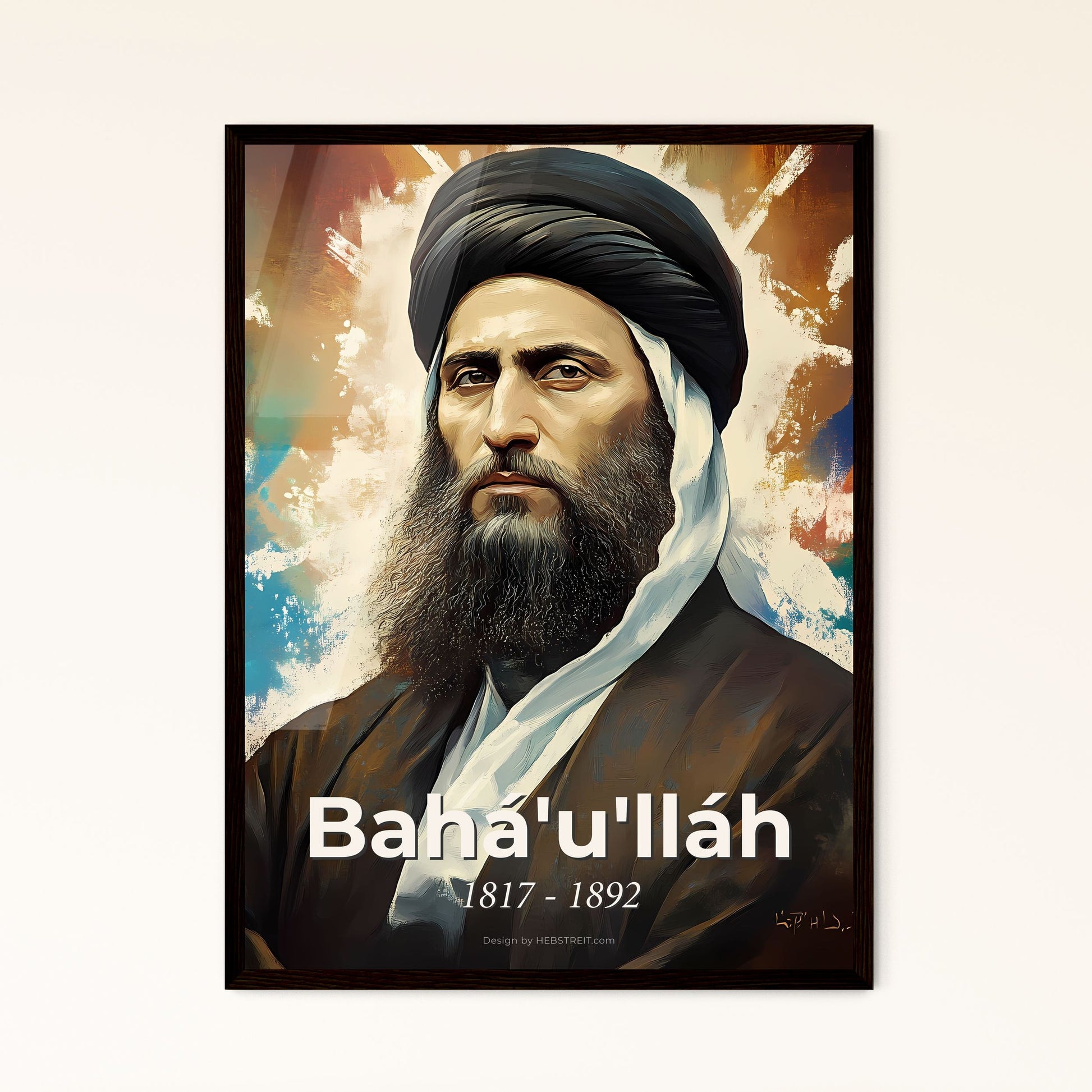
Baháʼu'lláh
 Iran
IranAlso known as: Mírzá Ḥusayn-ʻAlí Núrí, Baháʼu'lláh, The Blessed Beauty
วันเกิด
November 12, 1817
ราศี
Scorpio
สถานที่เกิด
Tehran, Persia (now Iran)
อายุ
เสียชีวิตเมื่ออายุ 74 ปี
เกี่ยวกับ
Baháʼu'lláh, born Mírzá Ḥusayn-ʻAlí Núrí in 1817, was the founder of the Baháʼí Faith, a global religion with 5 to 8 million adherents. He is revered by Baháʼís as the latest Manifestation of God, a messenger who brings divine guidance for the modern age. His writings, numbering over 1,500 works, form the sacred scripture of the Baháʼí Faith and have been translated into hundreds of languages. Central to his message is the unity of humanity, the harmony of science and religion, and the establishment of a just world civilization. Today, the Baháʼí community is active worldwide, working on social and economic development projects, interfaith dialogue, and promoting peace. Baháʼu'lláh's shrine near Acre, Israel, is a pilgrimage site and the holiest place for Baháʼís.
ชีวิตช่วงต้นและภูมิหลัง
บาฮาอุลลาห์เกิดในตระกูลขุนนางชั้นสูงในกรุงเตหะราน บิดาของท่าน มิร์ซา อับบาส นูรี เป็นที่ปรึกษาของชาห์ ทำให้ครอบครัวมีทรัพย์สมบัติและอิทธิพลมหาศาล ตั้งแต่วัยเยาว์ บาฮาอุลลาห์แสดงความเมตตาต่อคนยากจนและมีความโน้มเอียงทางจิตวิญญาณอย่างลึกซึ้ง ท่านปฏิเสธการศึกษาตามประเพณีที่จัดให้แก่เด็กชนชั้นสูง โดยเลือกที่จะศึกษาด้วยตนเอง แต่กลับมีความเชี่ยวชาญในวรรณกรรมเปอร์เซียและอาหรับ ปรัชญา และลัทธิซูฟี
เมื่ออายุ 22 ปี บิดาของท่านเสียชีวิต และรัฐบาลเสนอตำแหน่งรัฐมนตรีระดับสูงให้ท่าน ท่านปฏิเสธ โดยเลือกที่จะจัดการมรดกของครอบครัวและอุทิศตนให้กับงานการกุศล ท่านเป็นที่รู้จักในด้านความเอื้อเฟื้อเผื่อแผ่ มักจะแจกเงินและอาหารให้แก่ผู้ที่ขัดสน ในปี 1844 ขณะอายุ 27 ปี ท่านได้พบกับขบวนการบาบี ซึ่งเป็นขบวนการทางศาสนาที่ปฏิรูปและประกาศการมาถึงของผู้ส่งสารจากพระเจ้าองค์ใหม่ บาฮาอุลลาห์ยอมรับคำสอนของบาบและกลายเป็นผู้นำที่โดดเด่นอย่างรวดเร็ว โดยใช้ทรัพย์สมบัติของท่านเพื่อปกป้องและสนับสนุนเพื่อนชาวบาบีคนอื่นๆ สิ่งนี้ดึงดูดความสนใจของทางการ และหลังจากที่บาบถูกประหารชีวิตในปี 1850 บาฮาอุลลาห์ถูกจับกุมและคุมขังในคุกใต้ดินซิยาห์-ชาล อันอื้อฉาวของกรุงเตหะราน ที่นั่น ในโซ่ตรวนและความมืด ท่านได้รับสัญญาณแรกของภารกิจอันศักดิ์สิทธิ์ของตนเอง
ความก้าวหน้าในอาชีพ
จุดเปลี่ยนเกิดขึ้นในปี 1853 เมื่อบาฮาอุลลาห์ได้รับการปล่อยตัวจากซิยาห์-ชาลและถูกเนรเทศไปยังแบกแดด ในทศวรรษต่อมา ท่านนำชุมชนบาบีซึ่งอยู่ในความระส่ำระสายหลังการเสียชีวิตของบาบ ในปี 1863 ระหว่างการพักผ่อนในสวนใกล้แบกแดด ท่านประกาศต่อสหายอย่างเปิดเผยว่าท่านคือผู้ที่บาบได้สัญญาไว้ การประกาศนี้เรียกว่าช่วงริดวาน ถือเป็นจุดเริ่มต้นอย่างเป็นทางการของศาสนาบาไฮ
ทางการออตโตมันและเปอร์เซีย ตื่นตระหนกกับอิทธิพลที่เพิ่มขึ้นของท่าน จึงเนรเทศท่านไปยังคอนสแตนติโนเปิล (อิสตันบูล) จากนั้นไปยังเอดิร์เน และสุดท้ายในปี 1868 ไปยังอาณานิคมทัณฑสถานเอเคอร์ในปาเลสไตน์ของออตโตมัน แม้จะถูกจำคุกอย่างโหดร้ายและมีความพยายามลอบสังหารหลายครั้ง บาฮาอุลลาห์ยังคงเขียนงานอย่างมากมาย ท่านประพันธ์ คิตาบ-อิ-อักดัส หนังสือกฎหมายของท่าน และ คิตาบ-อิ-อีกัน งานเทววิทยาที่สำคัญ ในเอเคอร์ ท่านต้อนรับผู้มาเยือนและเขียนจดหมายถึงผู้ปกครองโลก รวมถึงสมเด็จพระราชินีวิกตอเรียและนโปเลียนที่ 3 เรียกร้องให้ลดอาวุธและความมั่นคงร่วมกัน ปีสุดท้ายของท่านใช้ชีวิตอย่างอิสระในคฤหาสน์บาห์จี ซึ่งท่านถึงแก่กรรมในปี 1892
ไทม์ไลน์อาชีพ
ภาพลักษณ์สาธารณะและสไตล์
สำหรับชาวบาไฮ บาฮาอุลลาห์คือพระเจ้าที่ปรากฏองค์ในยุคนี้ บุคคลผู้มีอำนาจทางจิตวิญญาณสูงสุดและความเมตตา ภาพลักษณ์ของท่านคือบิดาผู้เปี่ยมด้วยความรักและนักปฏิรูปผู้กล้าหาญที่ทนทุกข์ทรมานอย่างใหญ่หลวงเพื่อมนุษยชาติ ท่านมักถูกพรรณนาในวรรณกรรมบาไฮว่า 'ความงามอันประเสริฐ' ซึ่งเป็นตำแหน่งที่สะท้อนถึงรัศมีทางจิตวิญญาณของท่าน นอกศาสนา ท่านได้รับการยอมรับว่าเป็นผู้นำศาสนาที่สำคัญ ผู้ริเริ่มหลักการทางสังคมที่ก้าวหน้า เช่น ความเท่าเทียมทางเพศและการศึกษาสากล ก่อนที่สิ่งเหล่านี้จะกลายเป็นกระแสหลัก นักประวัติศาสตร์และนักวิชาการศึกษางานเขียนของท่านในด้านวรรณกรรมและปรัชญาอันลึกซึ้ง ชุมชนบาไฮซึ่งมีความหลากหลายและเป็นสากล รวมกันเป็นหนึ่งด้วยความเคารพต่อท่าน โดยเฉลิมฉลองชีวิตและคำสอนของท่านผ่านการสวดมนต์ การศึกษา และการบริการ ไม่มีแฟนด้อมในความหมายทางโลก แต่มีชุมชนทั่วโลกที่ศรัทธาซึ่งมีจำนวนนับล้าน
ชื่อเสียงและแฟนด้อม
The community surrounding Baháʼu'lláh operates not as a fandom in the modern pop-culture sense, but as a global religious movement with deep historical roots and structured spiritual practices. His followers, known simply as Baháʼís, do not engage in fan campaigns, chart pushes, or viral social media rituals typical of celebrity culture. Instead, their devotion is expressed through prayer, study circles, and humanitarian projects focused on social cohesion and unity. While the faith has attracted attention from public figures like Justin Baldoni and Blake Lively, this interest stems from personal biography rather than organized fan efforts centered on the founder himself. There are no unofficial names for his fanbase, nor are there any recorded instances of crowds fainting at his appearances or streets shutting down for his visits, as he lived and died over a century ago without the infrastructure of modern stardom. The legends that define his legacy are theological narratives of exile and persecution, such as his declaration as the Promised One and his journey through prisons in Baghdad, Constantinople, Adrianople, and Acre, which remain solemn historical events rather than viral internet stories. These narratives are commemorated annually during religious observances like the Ascension of Baháʼu'lláh and the Most Great Festival, marking dates of profound spiritual significance for millions worldwide. Despite his immense influence across continents, iFANN's Global Fame Engine has evaluated this person, but they do not currently hold a placement in the published rankings (Global Top 1,000 or a Top-100 scope list). This assessment reflects the unique nature of his fame, which transcends traditional metrics of media consumption and search volume.
เรื่องน่าสนใจและตำนาน
Born Mírzá Ḥusayn-ʻAlí Núrí in 1817, Baháʼu'lláh carried the honorific 'Mírzá' to denote his noble lineage. Contemporary descriptions often highlight his striking physical presence, noting piercing eyes and a dignified bearing that commanded respect despite his humble attire during exile. He composed his vast corpus of writings using a reed pen and ink, with manuscripts now preserved in archives globally. One of his most revered works, the Hidden Words, contains short aphorisms he claimed were dictated by God. Although he never met the Báb in person, the two maintained correspondence throughout their lives. Baháʼu'lláh endured imprisonment for a total of 40 years across various locations, a period defined by his suffering for the sake of humanity. A defining legend within the Baháʼí tradition recounts his declaration of being the 'Promised One,' a claim that led to his arrest and multiple exiles from Persia to the Ottoman Empire. Another enduring story focuses on his final days at the Mansion of Bahjí in Acre, where he passed away and where his shrine now stands as a place of pilgrimage. These events are not merely folklore but are treated as verified historical facts that shaped the trajectory of the faith he founded.
คำพูดที่โดดเด่น
“The earth is but one country, and mankind its citizens.”
“My purpose is none other than the education of all men.”
“The well-being of mankind, in its ultimately spiritual as well as material aspects, is the object of the Divine Unity.”
“Let your vision be world-embracing, rather than confined to your own self.”
ครอบครัวและชีวิตส่วนตัว
บาฮาอุลลาห์แต่งงานกับภรรยาสามคน ตามธรรมเนียมของเปอร์เซียในศตวรรษที่ 19 ภรรยาคนแรกและคนสำคัญของท่านคือ อาซิยิห์ คานุม สตรีสูงศักดิ์ที่รู้จักในด้านความศรัทธาและความเข้มแข็ง นางร่วมเดินทางกับท่านตลอดการเนรเทศทั้งหมด และถือเป็นแบบอย่างของความมั่นคง พวกเขามีบุตรเจ็ดคน แต่มีเพียงสามคนที่รอดชีวิตถึงวัยผู้ใหญ่: อับดุล-บาฮา ผู้ซึ่งต่อมาเป็นผู้นำศาสนาบาไฮ; บาฮิยิห์ คานุม บุคคลสำคัญ; และมิร์ซา มิห์ดี ซึ่งเสียชีวิตจากอุบัติเหตุเมื่ออายุ 22 ปี บาฮาอุลลาห์ยังแต่งงานกับฟาติมิห์ คานุม และเกาเวอร์ คานุม ซึ่งมีบุตรเพิ่มเติม ครอบครัวต้องเผชิญกับความยากลำบากอย่างหนัก รวมถึงการสูญเสียทรัพย์สิน การพลัดพราก และการเสียชีวิตของมิร์ซา มิห์ดี ซึ่งตกลงผ่านช่องแสงบนหลังคาขณะสวดมนต์ ครัวเรือนของบาฮาอุลลาห์ในเอเคอร์ประกอบด้วยบุตรและหลานหลายคน ก่อให้เกิดชุมชนที่แน่นแฟ้นซึ่งเป็นแกนกลางของการบริหารบาไฮในยุคแรก
ความเชื่อมโยงที่โดดเด่น
ภารกิจของบาฮาอุลลาห์ได้รับการประกาศโดยบาบ ผู้ก่อตั้งขบวนการบาบี หลังจากบาฮาอุลลาห์เสียชีวิต อับดุล-บาฮา บุตรชายของท่าน กลายเป็นผู้ตีความงานเขียนที่ได้รับอนุญาตและนำชุมชนบาไฮ อาซิยิห์ คานุม ภรรยาของท่าน ได้รับการเคารพในฐานะแบบอย่างของความซื่อสัตย์ บุคคลสำคัญอื่นๆ ได้แก่ บาฮิยิห์ คานุม บุตรสาวของท่าน และมิร์ซา มิห์ดี บุตรชายของท่าน
ความสัมพันธ์และประวัติการคบหา
บาฮาอุลลาห์แต่งงานกับภรรยาคนแรกของท่าน คือ อาซิยิห์ คานุม ประมาณปี ค.ศ. 1835 เธอเป็นบุตรสาวของขุนนางและยังคงเป็นเพื่อนคู่ชีวิตหลักของท่านตลอดชีวิต พวกเขามีบุตรด้วยกันเจ็ดคน โดยสามคนรอดชีวิตจากวัยทารก ประมาณปี ค.ศ. 1849 ท่านแต่งงานกับฟาติมิห์ คานุม และต่อมาแต่งงานกับเกาเวอร์ คานุม ภรรยาทั้งสามคนติดตามท่านระหว่างการเนรเทศ อาซิยิห์ คานุม เสียชีวิตในปี ค.ศ. 1886 และบาฮาอุลลาห์โศกเศร้าอย่างสุดซึ้งต่อการจากไปของนาง การแต่งงานของท่านเป็นไปตามธรรมเนียมในยุคนั้น และชีวิตครอบครัวของท่านเต็มไปด้วยความจงรักภักดีและการแบ่งปันความยากลำบากร่วมกัน
- แต่งงานแล้วÁsíyih Khánum1835 - 1886ภรรยาหลัก มารดาของอับดุลบาฮาและบาฮียิห์ คานุม
- แต่งงานแล้วFatimih Khánum1849 - 1892ภรรยาคนที่สอง รู้จักในนามมะห์ดี-อิ-อูลยา
- แต่งงานแล้วGawhar Khánum1849 - 1892ภรรยาคนที่สาม
การเสียชีวิตและผลที่ตามมา
เสียชีวิต
May 29, 1892 (อายุ 74 ปี)
สถานที่เสียชีวิต
Akká, Ottoman Empire (present-day Israel)
สาเหตุการเสียชีวิต
Prolonged illness and fever
Baháʼu'lláh passed away on the evening of May 29, 1892, in the Mansion of Bahjí just outside Akká, bringing an end to a life defined by exile and spiritual revelation. Contemporary accounts describe his final months as marked by severe illness, extreme weakness, and fever, leaving him bedridden in seclusion attended only by family and close companions before he died peacefully after praying and dictating his final writings. Upon his death, the news spread rapidly among Baháʼís globally, with immediate tributes delivered by his son ʻAbdu'l-Bahá, who succeeded him as the leader of the faith and honored his father's teachings. The funeral was a private affair held shortly after his death, where his body was wrapped in a shroud and buried in a simple grave within the garden of the mansion according to his own instructions.
While the location of the grave remains inaccessible to non-Baháʼís due to regional sensitivities, the site became the focal point of pilgrimage and the holiest place in the religion. Following his death, his extensive writings including the Kitáb-i-Aqdas and Gleanings were compiled and translated for global distribution, while ʻAbdu'l-Bahá assumed leadership to guide the growing community. Today, May 29 is observed worldwide as the Ascension of Baháʼu'lláh, a holy day marked by prayer and reflection that continues to anchor the Baháʼí calendar.
มูลค่าทรัพย์สิน (มูลค่ามรดก)
Not Publicly Available
การประเมินโดยทีมบรรณาธิการ iFANN
As a 19th-century religious leader rather than a commercial figure, Baháʼu'lláh never accumulated personal wealth in the modern sense. Born into an aristocratic family with significant property, he saw those assets confiscated by the state during his long exile and imprisonment. The iFANN Editorial Team's research traces the financial reality of his life to this total loss of material standing, noting that he lived the remainder of his days relying on the support of followers and the charity of others. Today, the institutions associated with his legacy, including the Shrine of Baháʼu'lláh, are maintained through voluntary contributions from the global Baháʼí community rather than any estate held by the founder himself.
รางวัลและเกียรติยศ
View 2 records, honours and achievementsเป็นที่รู้จักจาก
Founding the Baháʼí Faith
1863 · Founder and Manifestation of God
Kitáb-i-Aqdas
1873 · นักเขียน
Hidden Words
1858 · นักเขียน
Kitáb-i-Íqán
1862 · นักเขียน
คำสำคัญ
ข้อมูลโดยย่อ
- อาชีพ
- writer, poet, religious leader
- เกิด
- +1817-11-12
- สถานที่เกิด
- Tehran, Persia
- เสียชีวิต
- +1892-05-29
- สถานที่เสียชีวิต
- Acre, Ottoman Palestine
- เพศ
- ชาย
- คู่สมรส
- Ásíyih Khánum, Fatimih Khánum, Gawhar Khanum
- ราศี
- Scorpio
ข้อมูลส่วนตัว
- ชื่อเต็ม
- Mírzá Ḥusayn-ʻAlí Núrí
- คู่สมรส
- Ásíyih Khánum, Fatimih Khánum, Gawhar Khanum
- บุตร
- Several, including ʻAbdu'l-Bahá, Bahíyyih Khánum, and Mírzá Mihdí
คำถามที่พบบ่อย
บาฮาอุลลาห์คือใครและท่านทำอะไร?
บาฮาอุลลาห์เกิดเมื่อใดและที่ไหน?
คำสอนหลักของบาฮาอุลลาห์คืออะไร?
หนังสือที่สำคัญที่สุดของบาฮาอุลลาห์คืออะไร?
บาฮาอุลลาห์ถูกฝังอยู่ที่ไหน?
บุคคลที่คล้ายกัน
เข้าร่วมชุมชน
แฟนกำลังพูดคุย