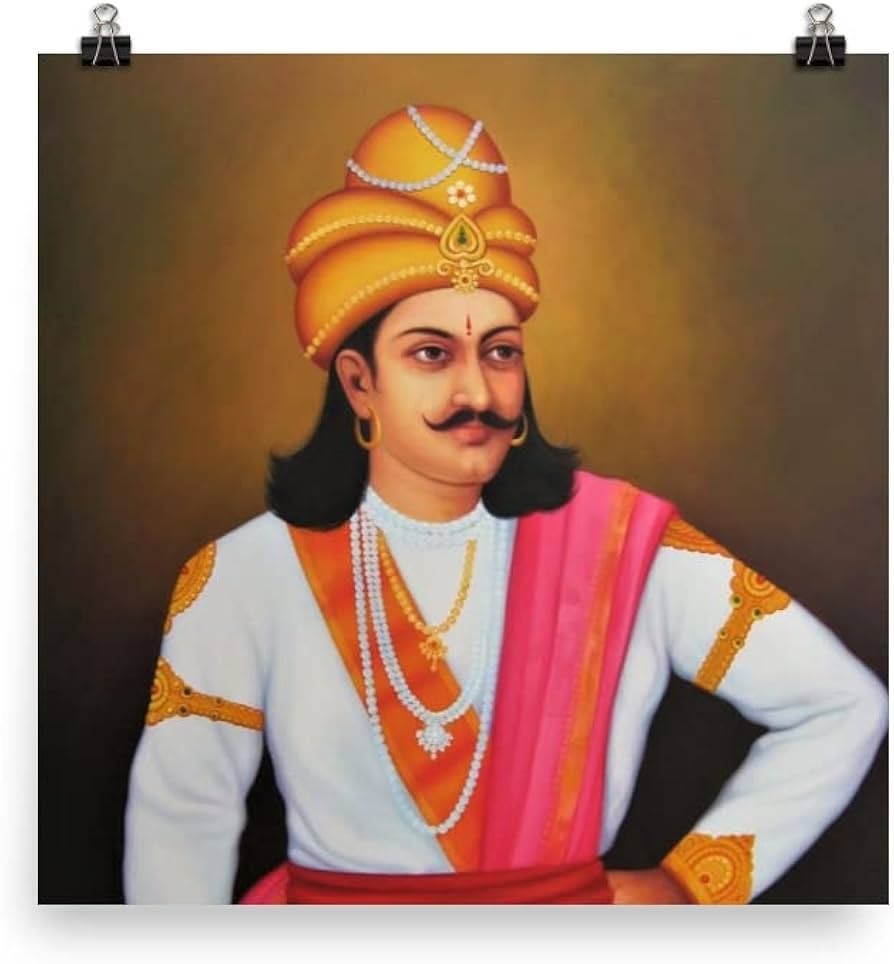
Ashoka
Also known as: Devanampriya Priyadarshi, Ashoka the Great
วันเกิด
304 BCE
ราศี
Capricorn
สถานที่เกิด
Pataliputra (modern Patna, Bihar, India)
อายุ
เสียชีวิตเมื่ออายุ 72 ปี
เกี่ยวกับ
Ashoka was the third Mauryan emperor who ruled over a vast empire stretching from Afghanistan to Bangladesh from his capital at Pataliputra. He is best known for his dramatic transformation from a ruthless conqueror to a peacemaker after the bloody Kalinga War. Today, his legacy is woven into the fabric of modern India: the Lion Capital of Ashoka serves as the national emblem and the Ashoka Chakra adorns the center of the national flag. His edicts, carved on pillars and rocks across the subcontinent, are among the earliest decipherable written records in South Asia. They promote nonviolence, religious tolerance, and ethical governance. Ashoka's patronage helped transform Buddhism from a regional sect into a global faith, with missionaries dispatched as far as Sri Lanka and the Hellenistic world. For centuries after his death, he was largely forgotten until 19th-century scholars deciphered the Brahmi script and rediscovered his empire. In 1999, TIME magazine listed him among the 100 most important people of the past millennium.
ชีวิตช่วงต้นและภูมิหลัง
พระเจ้าอโศกประสูติประมาณ 304 ปีก่อนคริสตกาลในปาฏลีบุตร เป็นพระโอรสของจักรพรรดินทรคุปต์และพระนางสุภัทรางคี ซึ่งเป็นพระมเหสีรอง ตามคัมภีร์พุทธศาสนา เช่น อโศกาวทาน พระองค์ไม่เป็นที่โปรดปรานของพระราชบิดาและถูกพรรณนาว่ามีพระวรกายหยาบกระด้าง จึงถูกละเลย พระองค์ได้รับการฝึกฝนเจ้าชายตามมาตรฐานในด้านสงคราม การปกครอง และการบริหาร จุดเปลี่ยนสำคัญเกิดขึ้นเมื่อพระราชบิดาส่งพระองค์ไปปราบกบฏในแคว้นอวันตี ซึ่งมีศูนย์กลางที่เมืองอุชเชน พระเจ้าอโศกประสบความสำเร็จ แสดงให้เห็นถึงความสามารถทางการทหาร ในระหว่างการประจำการนี้ พระองค์ตกหลุมรักนางเทวี ธิดาของพ่อค้าจากเมืองวิทิชา ซึ่งต่อมาเป็นพระมเหสีองค์แรก และเชื่อกันว่าทรงแนะนำให้พระองค์รู้จักคำสอนของพุทธศาสนา เมื่อพระเจ้านทรคุปต์สวรรคตประมาณ 272 ปีก่อนคริสตกาล เกิดสงครามสืบราชบัลลังก์อย่างโหดร้าย แหล่งข้อมูลทางพุทธศาสนาอ้างว่าพระเจ้าอโศกสังหารพระเชษฐาต่างมารดา 99 พระองค์เพื่อยึดบัลลังก์ แม้จะน่าจะเกินจริง หลังจากช่วงว่างงานสี่ปี พระองค์ทรงราชาภิเษกอย่างเป็นทางการใน 268 ปีก่อนคริสตกาล ขณะพระชนมายุ 36 พรรษา
ความก้าวหน้าในอาชีพ
รัชสมัยของพระเจ้าอโศกเริ่มต้นด้วยการขยายอาณาเขตทางทหาร แต่ทุกอย่างเปลี่ยนไปเมื่อสงครามกลิงคะประมาณ 260 ปีก่อนคริสตกาล การทัพนี้เป็นครั้งที่นองเลือดที่สุดในรัชกาลของพระองค์ ทำให้มีผู้เสียชีวิตประมาณ 100,000 คน และถูกเนรเทศ 150,000 คน ทรงสยดสยองกับการสังหารหมู่ พระเจ้าอโศกทรงประกาศนับถือพุทธศาสนาอย่างเปิดเผยและนำนโยบายธรรมมาใช้ หรือการประพฤติชอบ ทรงละทิ้งการพิชิตด้วยกำลังและหันมาเน้นการปกครองด้วยศีลธรรม ในสองทศวรรษต่อมา พระองค์ทรงสร้างพระราชโองการ 33 ฉบับ จารึกบนเสาหิน หน้าผา และผนังถ้ำทั่วอาณาจักร เขียนด้วยภาษาปรากฤต กรีก และอราเมอิก พระราชโองการเหล่านี้ส่งเสริมการไม่ใช้ความรุนแรง ความอดทนทางศาสนา สวัสดิภาพสัตว์ และพฤติกรรมที่มีจริยธรรม ประมาณ 250 ปีก่อนคริสตกาล พระองค์ทรงจัดสังคายนาครั้งที่สามที่ปาฏลีบุตรเพื่อชำระพระสงฆ์และแก้ไขข้อขัดแย้งทางหลักคำสอน จากนั้นทรงส่งธรรมทูตไปศรีลังกา โดยมีพระมหินทราชโอรสและพระนางสังฆมิตตาราชธิดานำ รวมถึงไปเอเชียตะวันออกเฉียงใต้ เอเชียกลาง และอาณาจักรกรีกโบราณ พระองค์ยังทรงสร้างสถูปและวัดหลายพันแห่ง ที่มีชื่อเสียงที่สุดคือสถูปใหญ่ที่สาญจีและเสาสิงโตที่สารนาถ ซึ่งต่อมากลายเป็นตราแผ่นดินของอินเดีย พระเจ้าอโศกสวรรคตใน 232 ปีก่อนคริสตกาล ขณะพระชนมายุประมาณ 72 พรรษา ภายใน 50 ปี อาณาจักรเมารยะเริ่มเสื่อมถอย
ไทม์ไลน์อาชีพ
ภาพลักษณ์สาธารณะและสไตล์
พระเจ้าอโศกมักถูกพรรณนาเป็นบุคคลที่มีลักษณะกษัตริย์ มีสีหน้าสงบและครุ่นคิด มักแสดงพร้อมสัญลักษณ์ทางพุทธศาสนา เช่น ดอกบัว ธรรมจักร และสถูป ภาพลักษณ์ของพระองค์คือวีรบุรุษผู้โศกเศร้าที่ผ่านการเปลี่ยนแปลงทางศีลธรรมอย่างลึกซึ้ง ภาพยนตร์ หนังสือ และสารคดีเน้นสงครามกลิงคะเป็นจุดเปลี่ยน ชุมชนออนไลน์ เช่น ซับเรดดิท r/Ashoka ที่มีสมาชิก 5,000 คน อภิปรายพระราชโองการของพระองค์และถกเถียงเกี่ยวกับประวัติศาสตร์ ช่องทางวิชาการและสารคดีนำเสนอพระองค์เป็นแบบอย่างของการปกครองที่มีจริยธรรม แฮชแท็ก Ashoka บนอินสตาแกรมมีโพสต์มากกว่า 50,000 โพสต์ และแฟนเพจบนเฟซบุ๊กมีผู้ติดตามรวมกันเกิน 100,000 คน เรื่องราวของพระองค์โดนใจผู้ชมในฐานะตัวอย่างแห่งการไถ่บาปและพลังแห่งอหิงสาที่อยู่เหนือกาลเวลา
ชื่อเสียงและแฟนด้อม
The historical figure of Ashoka commands a following that transcends the modern concept of fandom, consisting primarily of historians, Buddhists, and students of antiquity rather than an organized collective with a specific name. While no fanbase gathers to celebrate his birthday or commission digital billboards, his legacy persists through the enduring study of his edicts and the veneration of his monuments across South Asia. This unique form of devotion places him firmly within the global consciousness, a status quantified by recent data from the iFANN Global Fame Rankings. In August 2026, Ashoka was recorded as the 28th most famous person in Sri Lanka, a position he has held steady since the previous cycle. This ranking reflects the deep cultural imprint of his reign on the island nation, where his influence remains a central pillar of national identity and religious history. The placement underscores how ancient figures can maintain significant prominence long after their physical erasure, driven by continuous educational and cultural engagement. His presence in this dataset confirms that his narrative continues to resonate across borders, bridging millennia of human experience without the need for active campaigning or media cycles typical of contemporary celebrities.
เรื่องน่าสนใจและตำนาน
Ashoka's edicts mention five contemporary Greek kings, including Antiochus II and Ptolemy II, demonstrating the diplomatic reach of his empire. The name Ashoka translates to without sorrow in Sanskrit. He was the first Indian ruler to leave behind decipherable written records. Ashoka banned animal sacrifices, restricted meat consumption, and established hospitals for both humans and animals. He also created a network of roads complete with rest houses and shade trees. The Ashoka Chakra features 24 spokes, representing the 12 causal links of dependent origination and 12 aspects of the Buddha's teachings. His empire covered approximately 5 million square kilometers. He remained forgotten in Indian history until British scholar James Prinsep deciphered the Brahmi script in 1837, revealing the contents of his edicts. A widely retold legend describes his transformation from a ruthless conqueror to a benevolent ruler after the devastation of the Kalinga War. Historical accounts state he was horrified by the massive loss of life and subsequently renounced violence to adopt Buddhism. Another legendary aspect involves his patronage of Buddhism, where he is credited with remaking the Mauryan state into a society based on tolerance and nonviolence. This era saw the construction of thousands of stupas and the erection of stone pillars inscribed with his message of Dharma across the subcontinent.
คำพูดที่โดดเด่น
“All men are my children. As for my children, I desire that they may be provided with all the welfare and happiness of this world and of the next.”
“The Dhamma is good. What is Dhamma? It is having few faults and many good deeds, mercy, charity, truthfulness, and purity.”
“Beloved-of-the-Gods, King Piyadasi, conquered Kalinga... 150,000 people were deported, 100,000 were killed, and many more died.”
“The only true conquest is the conquest of the self.”
ครอบครัวและชีวิตส่วนตัว
พระเจ้าอโศกเป็นพระโอรสของจักรพรรดินทรคุปต์และพระนางสุภัทรางคี พระองค์มีพระเชษฐาต่างมารดาหลายพระองค์ โดยประเพณีพุทธศาสนาอ้างว่ามี 99 พระองค์ พระอัยกาของพระองค์คือพระเจ้าจันทรคุปต์เมารยะ ผู้ก่อตั้งจักรวรรดิเมารยะ พระเจ้าอโศกมีพระมเหสีอย่างน้อยห้าพระองค์: นางเทวี, นางอสันธิมิตรา, นางการุวากี, นางปัทมาวดี, และนางติษยรักษิตา พระโอรสธิดาของพระองค์รวมถึงพระมหินทาและนางสังฆมิตตา (กับนางเทวี), ติวาละ (กับนางการุวากี), กุณาละ (กับนางปัทมาวดี), ชลาอุกะ (ไม่ทราบพระมารดา), และอาจมีพระนางจารุมตี พระมหินทาและนางสังฆมิตตากลายเป็นธรรมทูตไปศรีลังกา กุณาละถูกทำให้ตาบอดในอุบายวังที่เกี่ยวข้องกับนางติษยรักษิตา ครอบครัวของพระเจ้าอโศกมีศูนย์กลางที่ปาฏลีบุตร และชีวิตครอบครัวของพระองค์เต็มไปด้วยทั้งความทุ่มเทและโศกนาฏกรรม
ความเชื่อมโยงที่โดดเด่น
รัชสมัยของพระเจ้าอโศกมหาราชถูกหล่อหลอมโดยบุคคลสำคัญ โมคคัลลีบุตรติสสเถระเป็นประธานในการสังคายนาครั้งที่สาม พระราชโอรสของพระองค์คือพระมหินทเถระ และพระราชธิดาคือพระสังฆมิตตาเถรี ได้นำคณะเผยแผ่ศาสนาไปยังศรีลังกา พระมเหสีองค์แรกของพระองค์คือพระนางเทวี ได้แนะนำพระองค์ให้รู้จักกับพระพุทธศาสนา พระอัยกาของพระองค์คือพระเจ้าจันทรคุปต์เมารยะทรงก่อตั้งจักรวรรดิ พระราชบิดาของพระองค์คือพระเจ้าพินทุสารทรงเป็นรัชทายาทก่อนหน้า ในยุคปัจจุบัน เจมส์ พรินเซป นักวิชาการชาวอังกฤษ ได้ถอดรหัสอักษรพราหมี ทำให้มรดกของพระเจ้าอโศกถูกค้นพบอีกครั้ง
ความสัมพันธ์และประวัติการคบหา
พระเจ้าอโศกมหาราชมีพระมเหสีที่รู้จักห้าพระองค์ พระมเหสีองค์แรกคือพระนางเทวี ธิดาของพ่อค้าจากเมืองวิทิศา ซึ่งทรงอภิเษกสมรสประมาณ 275 ปีก่อนคริสตกาล ทั้งสองมีพระราชโอรสธิดาสองพระองค์คือพระมหินทเถระและพระสังฆมิตตาเถรี และพระนางได้รับการยกย่องว่าเป็นผู้แนะนำพระองค์ให้รู้จักพระพุทธศาสนา การแยกทางกันเป็นไปด้วยดี พระนางประทับอยู่ที่วิทิศาหลังจากพระองค์ขึ้นครองราชย์ พระมเหสีองค์สำคัญที่สุดในรัชสมัยส่วนใหญ่ของพระองค์คือพระนางอสันธิมิตรา ซึ่งทรงอภิเษกสมรสประมาณ 268 ปีก่อนคริสตกาล ทรงเป็นที่รู้จักในด้านสติปัญญาและความศรัทธาในพระพุทธศาสนา สิ้นพระชนม์ประมาณ 240 ปีก่อนคริสตกาล พระนางกรุวากิ ซึ่งทรงอภิเษกสมรสประมาณ 265 ปีก่อนคริสตกาล เป็นพระมเหสีเพียงพระองค์เดียวที่ถูกกล่าวถึงพระนามในพระราชโองการของพระองค์ (พระราชโองการของพระมเหสี) และเป็นพระมารดาของเจ้าชายติวาละ พระนางปัทมาวดี ซึ่งทรงอภิเษกสมรสประมาณ 260 ปีก่อนคริสตกาล เป็นพระมารดาของเจ้าชายกุณาละ ซึ่งต่อมาถูกทำให้ตาบอดในแผนการในราชสำนัก พระมเหสีองค์สำคัญพระองค์สุดท้ายคือพระนางติษยรักษิตา ซึ่งทรงอภิเษกสมรสประมาณ 240 ปีก่อนคริสตกาล ถูกพรรณนาในเชิงลบในคัมภีร์ทางพุทธศาสนาว่าทรงเป็นสาเหตุให้เจ้าชายกุณาละตาบอด พระเจ้าอโศกมหาราชสวรรคตใน 232 ปีก่อนคริสตกาล และไม่มีการบันทึกความสัมพันธ์ใดๆ หลังจากนั้น
- แต่งงานแล้วDevi-275 - -260พบกันขณะพระเจ้าอโศกดำรงตำแหน่งอุปราชแห่งเมืองอุชเชนี; พระมารดาของพระมหินทเถระและพระสังฆมิตตาเถรี; แยกทางกันโดยดี พระนางประทับอยู่ที่วิทิศา
- แต่งงานแล้วAsandhimitra-268 - -240พระมเหสีองค์สำคัญตลอดรัชสมัยส่วนใหญ่ของพระเจ้าอโศก; ทรงเป็นที่รู้จักในด้านสติปัญญาและความศรัทธาในพระพุทธศาสนา; สิ้นพระชนม์ก่อนพระองค์
- แต่งงานแล้วKaruvaki-265 - -232พระมเหสีเพียงพระองค์เดียวที่ถูกกล่าวถึงพระนามในพระราชโองการของพระเจ้าอโศก; พระมารดาของเจ้าชายติวาละ
- แต่งงานแล้วPadmavati-260 - -232พระมารดาของเจ้าชายกุณาละ ซึ่งต่อมาถูกทำให้ตาบอดในแผนการในราชสำนัก
- แต่งงานแล้วTishyaraksha-240 - -232พระมเหสีองค์สำคัญพระองค์สุดท้าย; ถูกพรรณนาในเชิงลบในคัมภีร์ทางพุทธศาสนาว่าทรงเป็นสาเหตุให้เจ้าชายกุณาละตาบอด
การเสียชีวิตและผลที่ตามมา
เสียชีวิต
232 BCE (อายุ 72 ปี)
สถานที่เสียชีวิต
ไม่ทราบ
สาเหตุการเสียชีวิต
ไม่ทราบ
Ashoka died in 232 BCE. Historical chronicles such as the Dipavamsa and Mahavamsa suggest he passed away in his old age or following a period of illness, though no specific cause or medical record survives from the third century BCE. The transition of power to his son Dasharatha was a dynastic succession rather than a legal dispute, yet the empire began to decline within fifty years due to weak successors and internal strife. Funeral arrangements followed ancient Indian royal customs involving cremation, with accounts in the Ashokavadana stating that his remains were divided among eight stupas distributed across his realm for public veneration.
These monuments, including those at Sanchi and Amaravati, served as enduring memorials. His legacy was propagated through the spread of Buddhism to Sri Lanka and Southeast Asia, a movement he championed during his lifetime. Modern recognition includes academic works like the 2024 Yale University Press publication A Shining Star of Kingship: Emperor Ashoka in the 3rd Century BCE and ongoing archaeological efforts such as the 2026 excavations at Vaishya Tekri in Ujjain. Institutions named in his honor, such as Ashoka University and the global network Ashoka USA, continue to reflect his influence on social entrepreneurship and education.
มูลค่าทรัพย์สิน (มูลค่ามรดก)
$0
การประเมินโดยทีมบรรณาธิการ iFANN
Ashoka is deceased, so no modern net worth applies. During his reign, the Mauryan treasury was among the largest in the ancient world, with annual revenues from land taxes, trade, and tribute estimated in hundreds of millions of silver coins (karshapanas). Historians estimate the empire's wealth at its peak was equivalent to billions of modern dollars in gold and land value. Today, his legacy generates significant value for India through tourism to sites like Sanchi, Sarnath, and the Ashoka Pillars. The Ashoka brand is used by hotels, airlines (Air India's Ashoka Chakra logo), and government institutions. No modern estate exists, and no posthumous earnings are attributed to him. Per iFANN's editorial analysis, the total net worth is $0.
รางวัลที่ได้รับ (2)
พระเจ้าอโศกมหาราชไม่ได้รับรางวัลอย่างเป็นทางการในความหมายสมัยใหม่ อย่างไรก็ตาม เกียรติยศทางประวัติศาสตร์ของพระองค์รวมถึงพระอิสริยยศที่ทรงสถาปนาพระองค์เองคือ เทวานัมปิยะ (ผู้เป็นที่รักแห่งทวยเทพ) และ ปิยทัสสี (ผู้มีพระพักตร์อันงดงาม) หลังมรณกรรม พระองค์ทรงถูกเรียกอย่างกว้างขวางว่าพระเจ้าอโศกมหาราช เสาหินสิงห์แห่งพระเจ้าอโศกถูกนำมาใช้เป็นตราแผ่นดินของอินเดียในปี 1950 และอโศกจักรกลายเป็นสัญลักษณ์หลักของธงชาติอินเดียในปี 1947 เจดีย์ใหญ่ที่สาญจี ซึ่งสร้างขึ้นภายใต้การอุปถัมภ์ของพระองค์ เป็นมรดกโลกของยูเนสโก
1950 · สัญลักษณ์ประจำชาติ
Lion Capital of Ashoka
1947 · สัญลักษณ์ประจำชาติ
Ashoka Chakra
เป็นที่รู้จักจาก
Mauryan Emperor
268 BCE - 232 BCE · Emperor
Edicts of Ashoka
c. 258 BCE - 240 BCE · Author
Patron of Buddhism
c. 259 BCE - 232 BCE · Patron
คำสำคัญ
ข้อมูลโดยย่อ
- อาชีพ
- Emperor, Buddhist patron
- เกิด
- 304 BCE
- สถานที่เกิด
- Pataliputra (modern Patna, Bihar, India)
- เสียชีวิต
- 232 BCE
- สถานที่เสียชีวิต
- Pataliputra
- เพศ
- ชาย
- คู่สมรส
- Devi, Asandhimitra, Karuvaki, Padmavati, Tishyaraksha
- ราศี
- Capricorn
ข้อมูลส่วนตัว
- ชื่อเต็ม
- Devanampriya Priyadarshi
- คู่สมรส
- Devi, Asandhimitra, Karuvaki, Padmavati, Tishyaraksha
- บุตร
- Mahinda, Sanghamitta, Tivala, Kunala, Jalauka, Charumati
- การศึกษา
- Princely education in military tactics, statecraft, administration, and philosophy
คำถามที่พบบ่อย
พระเจ้าอโศกมหาราชคือใคร?
มูลค่าทรัพย์สินของพระเจ้าอโศกมหาราชในปี 2026 คือเท่าไร?
ทำไมพระเจ้าอโศกมหาราชจึงมีชื่อเสียง?
อโศกจักรคืออะไร?
พระเจ้าอโศกมหาราชสวรรคตอย่างไร?
โซเชียลมีเดีย
บุคคลที่คล้ายกัน
เข้าร่วมชุมชน
แฟนกำลังพูดคุย