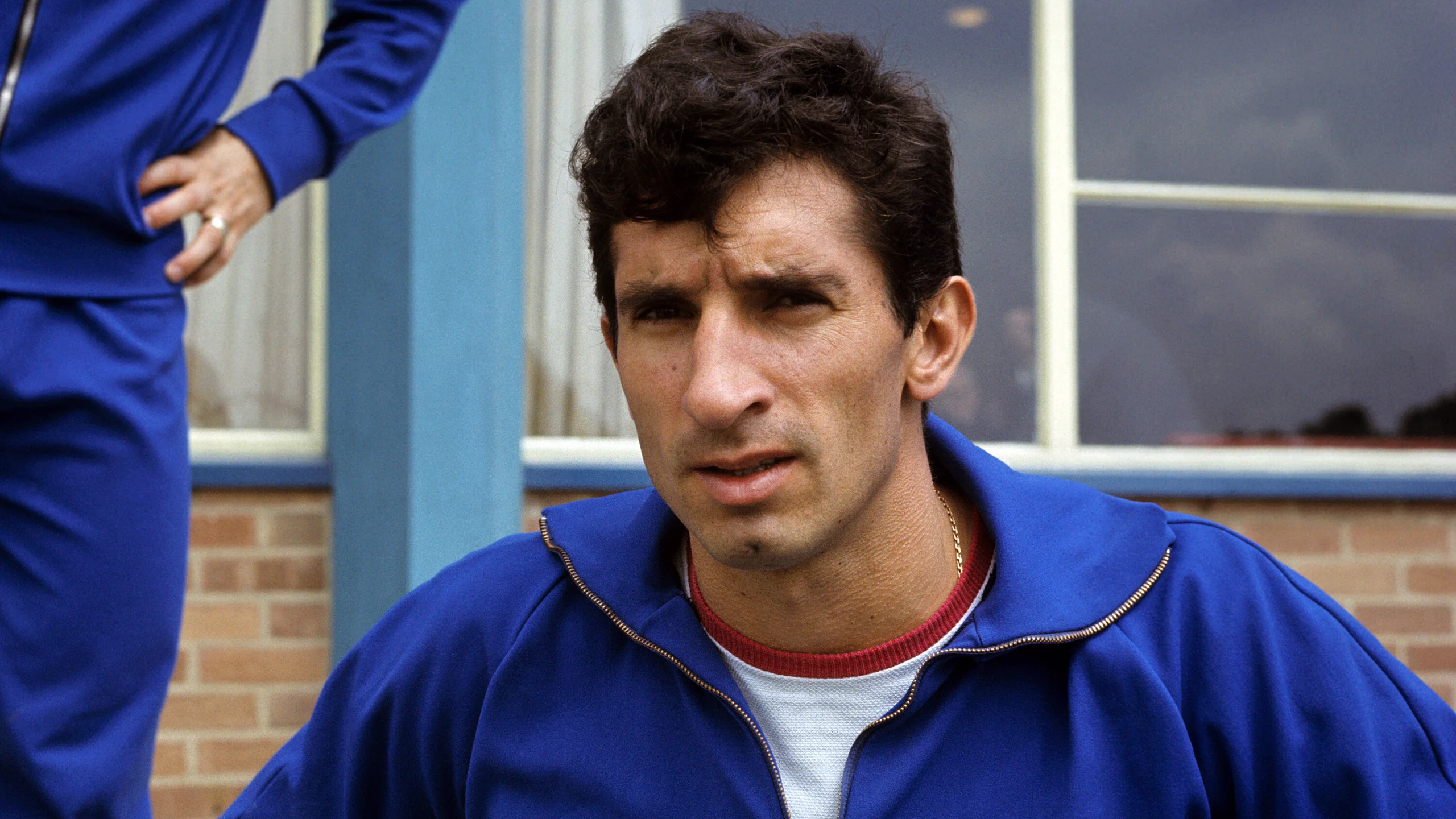
Antonio Rattín
 Argentina
association football player•politician•association football coach
Also known as: El Caudillo
วันเกิด
May 16, 1937
ราศี
Taurus
สถานที่เกิด
Tigre, Buenos Aires Province, Argentina
อายุ
เสียชีวิตเมื่ออายุ 89 ปี
ส่วนสูง
6 ft 2 in (188 cm)
เกี่ยวกับ
อันโตนิโอ อูบัลโด ราติน (Antonio Ubaldo Rattín) เป็นกองกลางฟุตบอลชาวอาร์เจนตินาที่ใช้เวลาตลอดอาชีพ 15 ปีกับโบกายูนิออร์ส (Boca Juniors) เพียงสโมสรเดียว กลายเป็นหนึ่งในบุคคลที่ได้รับการเคารพมากที่สุดของสโมสร เป็นที่รู้จักในชื่อ เอล คาอูดีโย (El Caudillo) หรือ 'ผู้นำ' เขาเป็นกัปตันพาทีมคว้าแชมป์หลายรายการในทศวรรษ 1960 รวมถึงแชมป์อาร์เจนตินาพรีเมราดิบิซิออน (Argentine Primera División) สามสมัย มรดกระดับนานาชาติของเขาถูกกำหนดโดยการถูกไล่ออกอย่างเป็นที่ถกเถียงในรอบก่อนรองชนะเลิศฟุตบอลโลก 1966 กับอังกฤษ ซึ่งเป็นช่วงเวลาที่จุดชนวนการถกเถียงเกี่ยวกับการตัดสินและความเข้าใจผิดทางวัฒนธรรม หลังจากเกษียณ ราตินคุมทีมโบกายูนิออร์สช่วงสั้นๆ และต่อมาดำรงตำแหน่งในสภาผู้แทนราษฎรอาร์เจนตินา เขาเสียชีวิตเมื่อวันที่ 11 กรกฎาคม 2026 อายุ 89 ปี
ชีวิตช่วงต้นและภูมิหลัง
ราตินเติบโตในติเกร (Tigre) เมืองริมแม่น้ำชนชั้นแรงงานบนสามเหลี่ยมปากแม่น้ำปารานา (Paraná River) ทางเหนือของบัวโนสไอเรส (Buenos Aires) พ่อแม่ของเขาเป็นผู้อพยพชาวอิตาลี พ่อทำงานเป็นกรรมกร อันโตนิโอวัยหนุ่มพัฒนาทักษะฟุตบอลจากการเล่นบนถนนที่เต็มไปด้วยฝุ่นและพื้นที่ว่างในละแวกบ้าน เขาเข้าเรียนในโรงเรียนท้องถิ่นแต่ลาออกจากการศึกษาระดับทางการตั้งแต่เนิ่นๆ เพื่อมุ่งสู่วงการกีฬา ในฐานะวัยรุ่น เขาเข้าร่วมระบบเยาวชนของโบกายูนิออร์ส ซึ่งส่วนสูงของเขา (6 ฟุต 2 นิ้ว) และภาวะความเป็นผู้นำตามธรรมชาติดึงดูดความสนใจของแมวมอง ผลงานในทีมสำรองทำให้ผู้จัดการทีมชุดใหญ่เลื่อนขั้นเขาสู่ทีมชุดใหญ่ในปี 1956
ความก้าวหน้าในอาชีพ
ราตินลงประเดิมสนามให้โบกายูนิออร์สเมื่อวันที่ 5 กุมภาพันธ์ 1956 พบกับลานุส (Lanús) ในปี 1959 เขากลายเป็นตัวจริงประจำ ยึดตำแหน่งกองกลางด้วยการเล่นเกมรับที่แข็งแกร่งและการจ่ายบอลแม่นยำ เขาคว้าแชมป์อาร์เจนตินาพรีเมราดิบิซิออนครั้งแรกในปี 1962 ตามด้วยครั้งที่สองในปี 1964 ปีเดียวกันนั้น เขาช่วยอาร์เจนตินาคว้าแชมป์ตาซาดาสนาโซเอส (Taça das Nações) ที่บราซิล ซึ่งเป็นถ้วยรางวัลระดับนานาชาติเพียงรายการเดียวของเขา ในปี 1965 เขาเป็นกัปตันพาโบกาคว้าแชมป์โกปาเดลาร์เรปูบลีกา (Copa de la República) ฟุตบอลโลก 1966 ที่อังกฤษนำมาซึ่งทั้งชื่อเสียงและความอัปยศ: ในรอบก่อนรองชนะเลิศกับเจ้าภาพ ผู้ตัดสินชาวเยอรมัน รูดอล์ฟ ครอยท์ไลน์ (Rudolf Kreitlein) ไล่ราตินออก โดยอ้างว่ามีสายตาก้าวร้าวและใช้ภาษาหยาบคาย ราตินปฏิเสธที่จะออกจากสนามเป็นเวลาหลายนาที โดยเถียงว่าเขาพูดแต่ 'ฉันไม่ใช่เด็ก ฉันเป็นผู้ใหญ่' เป็นภาษาสเปน ในที่สุดเขาถูกตำรวจพาตัวออกไป อังกฤษชนะ 1-0 ราตินคว้าแชมป์ลีกครั้งที่สามในปี 1969 และเกษียณในปี 1970 หลังลงเล่น 352 นัดและทำ 26 ประตูให้โบกา เขาคุมทีมโบกาช่วงสั้นๆ ในปี 1977-78 ในปี 2001 เขาได้รับเลือกตั้งเป็นสมาชิกสภาผู้แทนราษฎรอาร์เจนตินา ดำรงตำแหน่งจนถึงปี 2005
ไทม์ไลน์อาชีพ
ภาพลักษณ์สาธารณะและสไตล์
ในอาร์เจนตินา ราตินเป็นที่จดจำในฐานะนักสู้ที่ดุเดือดและภักดีของโบกายูนิออร์ส ซึ่งเป็นตัวแทนของจิตวิญญาณการต่อสู้ของสโมสร การนำเสนอในสื่อเน้นย้ำถึงสไตล์การเล่นที่แข็งแกร่ง ความมุ่งมั่นที่ไม่เปลี่ยนแปลง และบทบาทของเขาในหนึ่งในช่วงเวลาที่เป็นที่ถกเถียงมากที่สุดในประวัติศาสตร์ฟุตบอลโลก แฟนโบกาเคารพเขาในฐานะหนึ่งใน '5 ไอดอลผู้ยิ่งใหญ่' ของสโมสร สไตล์ที่เป็นเอกลักษณ์ของเขาคือการปรากฏตัวในกองกลางที่แข็งแกร่ง เน้นการเข้าสกัดหนัก ผสมผสานกับความสามารถทางเทคนิคที่น่าประหลาดใจสำหรับผู้เล่นที่มีขนาดตัวของเขา
ชื่อเสียงและแฟนด้อม
Antonio Rattín remains a figure of historical significance whose global recognition is anchored in a singular, transformative moment rather than contemporary celebrity metrics. As of August 2026, the iFANN Global Fame Engine has evaluated his standing and determined that he does not currently hold a placement within the published rankings for the Global Top 1,000 or any Top-100 scope list. This absence from the ranked tiers reflects a legacy that exists outside the fluctuating currents of modern search volume and media consumption, preserved instead through institutional memory and national ritual. While he lacks a specific, isolated fandom name distinct from the broader Boca Juniors supporters known as La Barra Brava, his integration into Argentine identity ensures his story is retold with the reverence reserved for foundational myths. The most potent demonstration of this collective veneration occurred posthumously when the entire Argentine national team and its followers donned black armbands during a World Cup quarter-final match against England, exactly sixty years after the incident that defined his career. This act transformed a sporting event into a living memorial, proving that his influence transcends club allegiance to become part of the national consciousness. Fans interact with his memory by recounting the narrative of his defiance at Wembley, treating him as a symbol of unyielding spirit where no niche chants or fan-funded campaigns are necessary because his stature renders such projects superfluous.
เรื่องน่าสนใจและตำนาน
Rattín's surname traces its roots to Italy, with his family emigrating to Argentina prior to his birth. He spent his entire fifteen-year professional career playing exclusively for Boca Juniors, never representing another club. His signature number 5 jersey became an iconic element of the club's visual history. During his political tenure in the Chamber of Deputies from 2001 to 2005, he prioritized sports legislation and youth development initiatives. His son Maximiliano followed in his footsteps by joining Boca's youth system before moving on to other Argentine clubs. The 1966 World Cup sending-off was so contentious that it catalyzed FIFA's adoption of English as the universal language for referee communications. Although Rattín claimed he only stated, "I am not a child, I am a man," the German official interpreted his tone as aggressive dissent. A widely retold legend from that day describes his refusal to leave the pitch immediately, culminating in him shouting "¡Cabrón!" while pointing at the official, a phrase now synonymous with his defiant character. This expulsion directly led to the introduction of red and yellow cards to manage player behavior without physical confrontation.
คำพูดที่โดดเด่น
“I am not a child, I am a man.”
“I didn't say any bad words. I just said 'I am not a child, I am a man.' But the referee didn't understand Spanish.”
ครอบครัวและชีวิตส่วนตัว
ราตินแต่งงานกับเนลิดา ราติน (Nélida Rattín) มานานหลายสิบปี เธอเสียชีวิตก่อนเขา พวกเขามีลูกอย่างน้อยสามคน รวมถึงแม็กซิมิเลียโน ราติน ลูกชายที่กลายเป็นนักฟุตบอลอาชีพ นิโคลัส ราติน (Nicolás Rattín) หลานชายของเขาก็เล่นฟุตบอลอาชีพเช่นกัน ตระกูลราตินยังคงมีความเกี่ยวข้องอย่างใกล้ชิดกับโบกายูนิออร์สหลายชั่วอายุคน
ความเชื่อมโยงที่โดดเด่น
อาชีพของราตินเกี่ยวข้องกับบุคคลสำคัญหลายคน ผู้ตัดสินรูดอล์ฟ ครอยท์ไลน์มีความเชื่อมโยงกับเขาอย่างถาวรหลังจากเหตุการณ์ฟุตบอลโลก 1966 ที่โบกายูนิออร์ส เขาเล่นร่วมกับเพื่อนร่วมทีมอย่างอัลฟิโอ บาซิเล (Alfio Basile), คาร์เมโล ซิเมโอเน (Carmelo Simeone) และซิลวิโอ มาร์โซลินี (Silvio Marzolini) แม็กซิมิเลียโน ราติน ลูกชายของเขาเดินตามรอยเข้าสู่วงการฟุตบอลอาชีพ ดิเอโก มาราโดนา (Diego Maradona) ต่อมาได้กล่าวชื่นชมราตินต่อสาธารณะว่าเป็นหนึ่งในผู้ยิ่งใหญ่ที่สุดของสโมสร
ความสัมพันธ์และประวัติการคบหา
ราตินแต่งงานกับเนลิดา ราตินมานานหลายสิบปี เธอเป็นคู่ชีวิตตลอดชีวิตและเป็นแม่ของลูกๆ เธอเสียชีวิตก่อนเขา ไม่มีบันทึกความสัมพันธ์โรแมนติกอื่นๆ ต่อสาธารณะ เขาดำเนินชีวิตส่วนตัวอย่างเป็นส่วนตัว โดยไม่มีรายงานที่น่าเชื่อถือเกี่ยวกับความสัมพันธ์นอกสมรส ในช่วงเวลาที่เขาเสียชีวิตในปี 2026 เขาเป็นหม้าย
- แต่งงานแล้วNélida Rattín1960 - ปัจจุบันเธอเสียชีวิตก่อนเขา พวกเขามีลูกอย่างน้อยสามคนด้วยกัน
การเสียชีวิตและผลที่ตามมา
เสียชีวิต
July 11, 2026 (อายุ 89 ปี)
สถานที่เสียชีวิต
Buenos Aires, Argentina
สาเหตุการเสียชีวิต
ไม่ทราบ
Antonio Rattín, the Argentine football legend, politician, and coach best known for his 1966 World Cup expulsion that led to the introduction of red and yellow cards, died on July 11, 2026, at the age of 89. The specific medical cause of death was not explicitly detailed in immediate news reports from major outlets like Reuters, ESPN, or The Guardian, which simply stated he had died. While one source previously claimed he died in 2019 of a neurodegenerative disease at age 62, this claim appears to be an error regarding a different individual or a cached misinformation snippet, as multiple dated news articles from July 2026 confirm his death at age 89.
The public reaction was immediate and widespread across international media and sports institutions. Major outlets including The New York Times, BBC Sport, ESPN, The Guardian, and Reuters published extensive obituaries highlighting his role as a defensive midfielder for Boca Juniors and his captaincy of the Argentina national team. His historic 1966 incident against England, where he refused to leave the pitch after being sent off, was cited repeatedly as the catalyst for the modern penalty card system. Tributes poured in from peers, officials, and fans globally, indicating a significant moment of silence and remembrance within the football community.
Details regarding the funeral or memorial service were not included in search results, and it remains unclear if a public memorial was held immediately following his death based on available information.
มูลค่าทรัพย์สิน (มูลค่ามรดก)
$2 Million
การประเมินโดยทีมบรรณาธิการ iFANN
Per iFANN's editorial analysis, Antonio Rattín's estate is valued at $2 Million as of 2026. During his playing days in the 1960s, Argentine footballers received modest compensation, with Rattín deriving his primary income from his fifteen seasons at Boca Juniors. Following his retirement, he earned a short-term salary managing Boca Juniors during the 1977-78 season and a congressional salary throughout his political term from 2001 to 2005. No major endorsement deals are documented in public records. Posthumously, his estate likely generates minor revenue through Boca Juniors-related memorabilia and image rights, though no specific figures are available.
รางวัลที่ได้รับ (5)
อาชีพของ Rattín เกิดขึ้นก่อนรางวัลฟุตบอลรายบุคคลสมัยใหม่ เขาชนะเลิศ Argentine Primera División สามสมัย (1962, 1964, 1969) กับ Boca Juniors, Copa de la República ในปี 1965 และ Taça das Nações กับทีมชาติอาร์เจนตินาในปี 1964 ไม่มีรางวัลรายบุคคลสำคัญใดๆ ถูกบันทึกไว้
1969 · แชมป์ลีก
Boca Juniors
1964 · แชมป์ลีก
Boca Juniors
1962 · แชมป์ลีก
Boca Juniors
1965 · ถ้วยในประเทศ
Boca Juniors
เป็นที่รู้จักจาก
Boca Juniors
1956-1970 · กองกลาง
Argentina national football team
1959-1969 · กองกลาง
1966 FIFA World Cup
1966 · Player (controversial sending-off)
คำสำคัญ
ข้อมูลโดยย่อ
- อาชีพ
- association football player, politician, association football coach
- เกิด
- +1937-05-16
- สถานที่เกิด
- Tigre
- เสียชีวิต
- +2026-07-11
- สถานที่เสียชีวิต
- Buenos Aires
- เพศ
- ชาย
- ราศี
- Taurus
ข้อมูลส่วนตัว
- ชื่อเต็ม
- Antonio Ubaldo Rattín
- ส่วนสูง
- 6 ft 2 in (188 cm)
- คู่สมรส
- Nélida Rattín
- บุตร
- Maximiliano Rattín (son), plus at least two other children
คำถามที่พบบ่อย
ทำไมอันโตนิโอ ราตินถึงถูกไล่ออกในปี 1966?
อันโตนิโอ ราตินเล่นให้ทีมใดบ้าง?
อันโตนิโอ ราตินแต่งงานหรือไม่? เขามีลูกหรือไม่?
Antonio Rattín สูงเท่าไหร่?
Antonio Rattín ทำอะไรหลังจากเลิกเล่นฟุตบอล?
บุคคลที่คล้ายกัน
เข้าร่วมชุมชน
แฟนกำลังพูดคุย