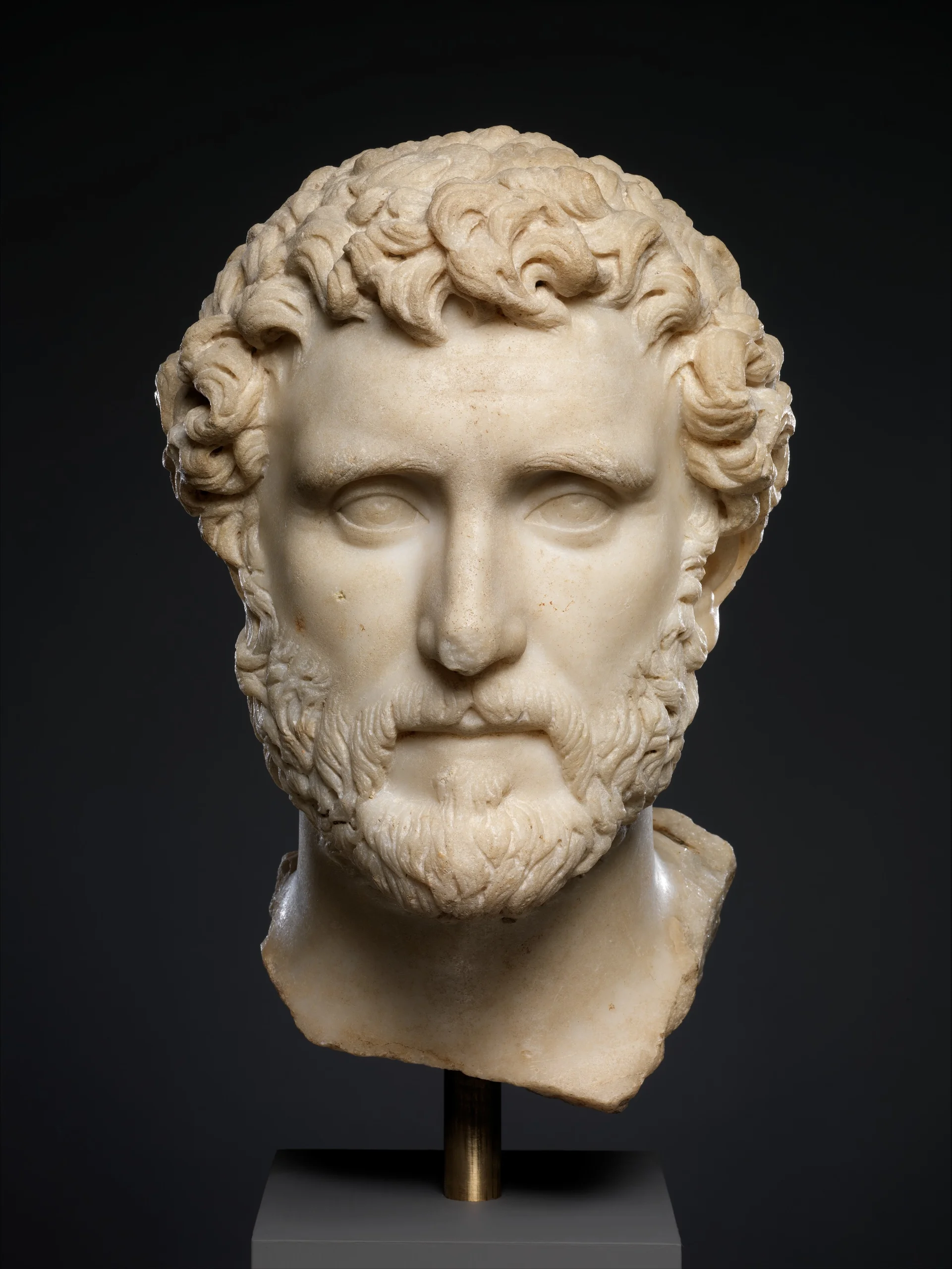
Antoninus Pius
Also known as: Pius
วันเกิด
September 19, 86
ราศี
Virgo
สถานที่เกิด
Lanuvium
อายุ
เสียชีวิตเมื่ออายุ 75 ปี
เกี่ยวกับ
Antoninus Pius เกิดเมื่อวันที่ 19 กันยายน ค.ศ. 86 ที่เมือง Lanuvium มีชื่อเดิมว่า Titus Aelius Hadrianus Antoninus เป็นจักรพรรดิโรมันที่ครองราชย์ตั้งแต่ ค.ศ. 138 ถึง 161 เขาได้รับการยอมรับอย่างกว้างขวางว่าเป็นจักรพรรดิองค์ที่สี่ในกลุ่ม 'จักรพรรดิผู้ทรงคุณธรรมทั้งห้า' ซึ่งเป็นช่วงเวลาที่มักถูกมองว่าเป็นยุคทองแห่งความมั่นคงและความเจริญรุ่งเรืองของจักรวรรดิโรมัน Antoninus สืบเชื้อสายมาจากตระกูลวุฒิสมาชิกที่มีชื่อเสียง ซึ่งเป็นพื้นฐานที่เตรียมเขาให้พร้อมสำหรับชีวิตแห่งการรับใช้สาธารณะ ความสัมพันธ์ของเขากับราชวงศ์จักรพรรดิแน่นแฟ้นยิ่งขึ้นผ่านการแต่งงานกับ Faustina the Elder หลานสาวของจักรพรรดิ Hadrian ซึ่งในที่สุดนำไปสู่การที่ Hadrian รับเขาเป็นบุตรบุญธรรมเพื่อเป็นผู้สืบทอดตำแหน่ง
เมื่อขึ้นครองราชย์ Antoninus ได้รับสมญานามว่า 'Pius' ซึ่งเป็นตำแหน่งที่สะท้อนถึงความภักดีและสำนึกในหน้าที่ เชื่อกันว่าชื่อนี้ถูกตั้งขึ้นเนื่องจากการสนับสนุนอย่างแน่วแน่ของเขาที่มีต่อบิดาบุญธรรม Hadrian โดยเฉพาะอย่างยิ่งการยืนกรานให้ยกย่อง Hadrian เป็นเทพเจ้า และการให้อภัยวุฒิสมาชิกที่ถูกประหารชีวิตในสมัยปลายรัชกาลของ Hadrian การครองราชย์ยาวนานเกือบยี่สิบสามปีของเขาโดดเด่นด้วยความสงบสุขที่โดดเด่น ไม่มีการก่อกบฏภายในครั้งใหญ่หรือสงครามต่างประเทศที่สำคัญ ซึ่งเป็นสิ่งที่หาได้ยากในประวัติศาสตร์จักรวรรดิโรมัน ในช่วงต้นรัชกาล การทัพทางตอนใต้ของสกอตแลนด์นำไปสู่การสร้างกำแพง Antonine Wall อันน่าประทับใจ ซึ่งแสดงให้เห็นถึงวิศวกรรมโรมันและอาณาเขตของจักรวรรดิ
นอกเหนือจากเรื่องการทหารแล้ว Antoninus ยังพิสูจน์ให้เห็นว่าเป็นผู้บริหารที่มีความสามารถสูง เขาจัดการคลังของจักรวรรดิอย่างรอบคอบ ทำให้มั่นใจได้ว่ามีรากฐานทางการเงินที่แข็งแกร่งสำหรับผู้สืบทอดตำแหน่ง เขายังให้ความสำคัญกับสวัสดิภาพของพลเมืองโรมัน โดยขยายการเข้าถึงน้ำดื่มสะอาดและพยายามทำให้กฎหมายมีความสอดคล้องกันทั่วทั้งจักรวรรดิอันกว้างใหญ่ นโยบายของเขายังทำให้ทาสที่ได้รับอิสรภาพสามารถบรรลุสัญชาติโรมันเต็มรูปแบบได้ง่ายขึ้น Antoninus Pius เสียชีวิตด้วยโรคภัยเมื่อวันที่ 7 มีนาคม ค.ศ. 161 ที่เมือง Lorium ทิ้งจักรวรรดิไว้ในมือของบุตรบุญธรรมของเขา Marcus Aurelius และ Lucius Verus ซึ่งจะขึ้นครองราชย์ร่วมกัน
ชีวิตช่วงต้นและภูมิหลัง
Titus Aelius Hadrianus Antoninus เกิดเมื่อวันที่ 19 กันยายน ค.ศ. 86 ที่เมือง Lanuvium เมืองเล็กๆ ทางตะวันออกเฉียงใต้ของกรุงโรม ครอบครัวของเขาเป็นตระกูลวุฒิสมาชิกที่ได้รับความเคารพ ซึ่งบ่งบอกว่าการเลี้ยงดูของเขาจะเต็มไปด้วยขนบธรรมเนียมของชีวิตสาธารณะและการเมืองโรมัน Antoninus หนุ่มน่าจะได้รับการศึกษาอย่างครอบคลุมสมกับเป็นสมาชิกของชนชั้นสูงโรมัน เพื่อเตรียมเขาให้พร้อมสำหรับบทบาทด้านการบริหารและการเมืองที่เขาจะดำรงตำแหน่งในภายหลัง ช่วงต้นอาชีพของเขาเห็นเขาก้าวขึ้นบันไดทางการเมืองโรมันแบบดั้งเดิม โดยดำรงตำแหน่ง quaestor, praetor และกงสุล
จุดเปลี่ยนสำคัญในชีวิตของเขามาพร้อมกับการแต่งงานกับ Annia Galeria Faustina หรือที่รู้จักในชื่อ Faustina the Elder เธอเป็นหลานสาวของจักรพรรดิ Hadrian ซึ่งสร้างความเชื่อมโยงทางครอบครัวโดยตรงกับราชวงศ์ การเชื่อมต่อนี้พิสูจน์ให้เห็นว่าสำคัญยิ่ง Hadrian ซึ่งตระหนักถึงความซื่อสัตย์และความสามารถในการบริหารของ Antoninus เลือกเขาเป็นผู้สืบทอดตำแหน่ง ในปี ค.ศ. 138 Hadrian รับ Antoninus เป็นบุตรบุญธรรมอย่างเป็นทางการ ซึ่งเป็นการเคลื่อนไหวที่ทำให้การถ่ายโอนอำนาจเป็นไปอย่างสันติเมื่อ Hadrian สิ้นพระชนม์ในปีเดียวกันนั้น การรับเลี้ยงนี้ถือเป็นจุดสิ้นสุดของช่วง 'ก่อนมีชื่อเสียง' ของ Antoninus อย่างเด็ดขาด ทำให้เขาอยู่บนเส้นทางตรงสู่การเป็นจักรพรรดิ
ความก้าวหน้าในอาชีพ
เมื่อ Hadrian สิ้นพระชนม์ในปี ค.ศ. 138 Antoninus ก็ขึ้นครองบัลลังก์จักรพรรดิอย่างราบรื่น เป็นจุดเริ่มต้นของการครองราชย์เกือบยี่สิบสามปีที่โดดเด่นด้วยสันติภาพและเสถียรภาพที่ไม่เคยมีมาก่อน การกระทำในช่วงต้นที่โดดเด่นคือการยืนกรานของเขาในการยกย่อง Hadrian พ่อบุญธรรมของเขาเป็นเทพเจ้า แม้ว่าวุฒิสภาจะคัดค้านในตอนแรก ความภักดีนี้ พร้อมกับการให้อภัยวุฒิสมาชิกที่เคยประสบกับความไม่พอใจของ Hadrian เชื่อกันอย่างกว้างขวางว่าเป็นเหตุผลที่เขาได้รับสมญานาม 'Pius' ซึ่งกลายเป็นส่วนสำคัญของพระนามจักรพรรดิของเขา
การบริหารของเขาโดดเด่นด้วยความรับผิดชอบทางการคลัง เขาจัดการคลังของจักรวรรดิอย่างมีประสิทธิภาพ ทิ้งสถานะทางการเงินที่แข็งแกร่งไว้ให้ผู้สืบทอด Antoninus มุ่งเน้นไปที่การปรับปรุงสวัสดิภาพทั่วไปของพลเมืองของจักรวรรดิ โดยดำเนินโครงการริเริ่มต่างๆ เช่น การขยายการเข้าถึงน้ำดื่มสะอาด และการส่งเสริมกรอบกฎหมายที่สอดคล้องกันมากขึ้นทั่วดินแดนโรมัน กิจการทางทหารที่สำคัญในช่วงการปกครองของเขาคือการสร้าง กำแพง Antonine ทางตอนใต้ของสกอตแลนด์ เริ่มต้นประมาณปี ค.ศ. 142 ป้อมปราการอันน่าประทับใจนี้ทอดยาวข้ามคอคอด Forth-Clyde ผลักดันพรมแดนโรมันขึ้นไปทางเหนือ แต่ต่อมาถูกละทิ้ง เขายังประกาศการปฏิรูปที่ทำให้ทาสที่ได้รับอิสรภาพสามารถบรรลุสัญชาติโรมันเต็มรูปแบบได้ง่ายขึ้น ซึ่งเป็นก้าวที่ก้าวหน้าสำหรับยุคนั้น
หนึ่งในการตัดสินใจที่ยั่งยืนที่สุดของเขาคือการวางแผนการสืบทอดตำแหน่งอย่างรอบคอบ ในปี ค.ศ. 161 เขารับบุตรบุญธรรมชายหนุ่มที่มีความสามารถสองคนคือ Marcus Aurelius และ Lucius Verus โดยกำหนดให้พวกเขาเป็นจักรพรรดิร่วม การจัดการที่รอบคอบนี้ทำให้การเปลี่ยนผ่านอำนาจมีเสถียรภาพ เป็นเครื่องพิสูจน์ถึงความรอบคอบและความมุ่งมั่นต่ออนาคตของจักรวรรดิ Antoninus Pius เสียชีวิตด้วยโรคภัยเมื่อวันที่ 7 มีนาคม ค.ศ. 161 ที่วิลล่าของเขาใน Lorium ทิ้งจักรวรรดิที่เจริญรุ่งเรืองและปกครองอย่างดีไว้เบื้องหลัง
ไทม์ไลน์อาชีพ
ภาพลักษณ์สาธารณะและสไตล์
Antoninus Pius มีตำแหน่งที่โดดเด่นในความทรงจำทางประวัติศาสตร์ โดยหลักแล้วผ่านมุมมองของนักประวัติศาสตร์โรมันและนักวิชาการรุ่นหลังที่มักพรรณนาถึงเขาในฐานะผู้ปกครองในอุดมคติ ซึ่งแตกต่างจากจักรพรรดิหลายองค์ ภาพลักษณ์ต่อสาธารณะของเขาไม่ได้ถูกกำหนดโดยการพิชิตทางการทหารหรือความวุ่นวายทางการเมืองครั้งใหญ่ แต่ด้วยชื่อเสียงของเขาในด้านความยุติธรรม ความรอบคอบ และความมุ่งมั่นอย่างลึกซึ้งต่อสันติภาพ เขาเป็นตัวแทนของคุณธรรมที่แฝงอยู่ในสมญานามของเขา 'Pius' ซึ่งหมายถึงสำนึกในหน้าที่ ความศรัทธา และการเคารพต่อประเพณี
รัชกาลของเขาเป็นที่จดจำในฐานะช่วงเวลาแห่งความสงบและความเจริญรุ่งเรือง ซึ่งตรงกันข้ามอย่างสิ้นเชิงกับยุคที่วุ่นวายซึ่งมักเป็นลักษณะเฉพาะของประวัติศาสตร์จักรวรรดิโรมัน ภาพลักษณ์ของผู้ปกครองที่ชาญฉลาดและเมตตานี้สะท้อนผ่านหลายศตวรรษ มีส่วนทำให้เขารวมอยู่ในกลุ่ม 'จักรพรรดิผู้ทรงคุณธรรมทั้งห้า' อันทรงเกียรติ สำหรับผู้ชมในปัจจุบัน มรดกของเขาคือพลังที่สร้างเสถียรภาพ ผู้นำที่ให้ความสำคัญกับสวัสดิภาพของพลเมืองและการจัดการจักรวรรดิอย่างรอบคอบเหนือเกียรติยศส่วนตัวหรือการขยายอาณาเขตที่ก้าวร้าว
ชื่อเสียงและแฟนด้อม
For over a millennium and a half, the devotion to Antoninus Pius has been measured not in ticket sales or trending hashtags, but in the careful study of his coins by numismatists and the excavation of his family villas. This community of historians and enthusiasts treats every new mosaic found near Castel di Guido as a major release, celebrating the quiet dignity of a reign that prioritized stability over spectacle. While modern pop culture generates fan clubs with specific names, the audience for this Roman emperor remains an informal coalition of scholars and collectors who find their connection through the material legacy he left behind rather than organized campaigns or social media movements.
The iFANN Global Fame Engine evaluated this figure in August 2026 and determined that Antoninus Pius is currently EVALUATED_UNRANKED, meaning he does not hold a placement in the published Global Top 1,000 or any Top-100 scope list. This status reflects his position as a historical icon rather than a contemporary celebrity competing for current public attention metrics. The evaluation confirms that while his administrative successes and peaceful rule are well-documented, they do not generate the volume of real-time consumption signals required for a ranked placement in the current global fame index.
Despite the lack of a formal ranking, the influence of Antoninus Pius persists through the enduring fascination with the Pax Romana and the Stoic virtues he embodied. His story serves as a counter-narrative to the violent transitions typical of imperial history, drawing readers into the specifics of a twenty-three-year period defined by legal reform and infrastructure expansion. The absence of a named fandom underscores the unique nature of his legacy; there are no birthday billboards or charity drives, only the steady, scholarly engagement of those who study the Five Good Emperors and the tangible artifacts from an era where peace was the primary policy.
เรื่องน่าสนใจและตำนาน
The most enduring legend surrounding Antoninus Pius is the sheer peacefulness of his twenty-three-year reign, which stands in stark contrast to the military conflicts typical of other Roman emperors. Historians often cite his refusal to engage in major wars as the primary reason for his epithet 'Pius,' framing him as the ideal Stoic ruler who prioritized stability over conquest. A widely retold story details his death in 161 CE at the villa in Lorium, where he passed away peacefully at age seventy-four after ensuring a smooth succession to his adopted son, Marcus Aurelius. This seamless transition is frequently highlighted as a reflection of his effective governance and foresight.
Recent archaeological findings have added new layers to his narrative, with excavations near Castel di Guido uncovering monumental villas possibly linked to his inner circle, revealing mosaics and statues that hint at the opulence of his era. Another persistent tale involves his careful management of the imperial treasury, leaving it in such robust condition that it required no emergency measures for decades. Unlike modern legends involving crowd surges or viral moments, the lore of Antoninus Pius consists entirely of documented administrative successes and the quiet dignity of a long, uneventful rule that allowed the empire to flourish without bloodshed.
A curious footnote in recent digital archives occasionally surfaces a satirical headline suggesting the emperor died from eating too much cheese, though serious scholarship dismisses this as a modern fabrication rather than a classical legend. The true iconic moment remains the discovery of these ancient structures, which provide physical proof of the wealth and cultural refinement that characterized his domestic life and the broader Antonine age.
ครอบครัวและชีวิตส่วนตัว
Antoninus Pius มาจากตระกูลวุฒิสมาชิกที่ได้รับความเคารพ แม้ว่ารายละเอียดเฉพาะเกี่ยวกับพ่อแม่หรือพี่น้องของเขาจะไม่ถูกบันทึกไว้อย่างกว้างขวางในบันทึกทางประวัติศาสตร์ ชีวิตครอบครัวส่วนตัวของเขาส่วนใหญ่หมุนรอบการแต่งงานกับ Annia Galeria Faustina ซึ่งรู้จักกันในประวัติศาสตร์ในชื่อ Faustina the Elder ทั้งสองแต่งงานกันประมาณปี ค.ศ. 120 และมีบุตรด้วยกันสี่คน น่าเศร้าที่บุตรชายสองคนของพวกเขา Titus Aurelius Antoninus และ Marcus Galerius Aurelius Antoninus เสียชีวิตทั้งคู่ในวัยเด็ก ซึ่งเป็นความเศร้าโศกทั่วไปในสมัยโบราณ
บุตรสาวของพวกเขา Annia Galeria Faustina (ซึ่งต่อมากลายเป็น Faustina the Younger) และ Annia Lucilla รอดชีวิต Faustina the Elder เองเสียชีวิตในปี ค.ศ. 141 ซึ่งเป็นช่วงต้นรัชกาลของ Antoninus มีรายงานว่าเขาโศกเศร้าเสียใจอย่างสุดซึ้งและให้ยกย่องเธอเป็นเทพเจ้า สร้างลัทธิบูชาเพื่อเป็นเกียรติแก่เธอ แม้ว่าเขาจะไม่แต่งงานใหม่ แต่ครอบครัวของเขาขยายตัวผ่านการรับเลี้ยงบุตรบุญธรรม โดยนำ Marcus Aurelius และ Lucius Verus เข้ามาในครัวเรือนของเขาในฐานะผู้สืบทอดตำแหน่งที่กำหนดไว้
ความเชื่อมโยงที่โดดเด่น
มรดกของ Antoninus Pius เชื่อมโยงอย่างลึกซึ้งกับบุคคลสำคัญหลายคนในยุคของเขา พระบิดาบุญธรรมและผู้ดำรงตำแหน่งก่อนหน้าคือ Hadrian ซึ่งมีบทบาทสำคัญในการปูทางสู่อำนาจของเขา พระมเหสีของพระองค์ Faustina the Elder มีบทบาทสำคัญในช่วงต้นรัชกาลและได้รับการยกย่องเป็นเทพเมื่อสิ้นพระชนม์ จักรพรรดิในอนาคต Marcus Aurelius และ Lucius Verus เป็นบุตรบุญธรรมและผู้สืบทอดที่พระองค์เลือก ซึ่งสืบสานสายการสืบทอดที่มั่นคงที่พระองค์วางไว้ พระธิดาของพระองค์ Faustina the Younger สมรสกับ Marcus Aurelius ซึ่งยิ่งทำให้ความสัมพันธ์เหล่านี้แน่นแฟ้นยิ่งขึ้น
ความสัมพันธ์และประวัติการคบหา
ชีวิตส่วนตัวของ Antoninus Pius โดยเฉพาะความสัมพันธ์ของพระองค์ เน้นไปที่การสมรสกับ Annia Galeria Faustina ซึ่งรู้จักในประวัติศาสตร์ในนาม Faustina the Elder ทั้งสองสมรสกันประมาณปี ค.ศ. 120 ซึ่งเป็นการรวมตัวที่เสริมสร้างสถานะทางการเมืองของพระองค์อย่างมาก เนื่องจาก Faustina เป็นหลานสาวของจักรพรรดิ Hadrian ทั้งสองมีบุตรด้วยกันสี่คน: บุตรชายสองคนคือ Titus Aurelius Antoninus และ Marcus Galerius Aurelius Antoninus ซึ่งทั้งคู่เสียชีวิตในวัยเด็กอย่างน่าเศร้า และบุตรสาวสองคนคือ Annia Galeria Faustina (ต่อมารู้จักในนาม Faustina the Younger) และ Annia Lucilla
Faustina the Elder สิ้นพระชนม์ในปี ค.ศ. 141 เพียงสามปีหลังจาก Antoninus ขึ้นครองราชย์ พระองค์ทรงโศกเศร้าอย่างสุดซึ้งต่อการจากไปของพระนาง โดยแสดงความรักใคร่ด้วยการยกย่องพระนางเป็นเทพและสร้างวิหารและลัทธิบูชาเพื่อเป็นเกียรติแก่พระนาง หลังจากพระนางสิ้นพระชนม์ Antoninus Pius เลือกที่จะไม่สมรสอีก โดยเป็นม่ายตลอดชีวิตที่เหลือ ความสัมพันธ์ 'ในเชิงราชวงศ์' ที่สำคัญที่สุดในภายหลังคือการรับ Marcus Aurelius และ Lucius Verus เป็นบุตรบุญธรรมในปี ค.ศ. 161 ซึ่งพระองค์แต่งตั้งให้เป็นผู้สืบทอด เพื่อให้แน่ใจว่าการถ่ายโอนอำนาจเป็นไปอย่างสงบ ณ ปี 2026 Antoninus Pius ยังคงเป็นบุคคลในประวัติศาสตร์ โดยทรงเป็นม่ายเมื่อสิ้นพระชนม์
- แต่งงานแล้วFaustina the Elder120 - 141ทั้งสองมีบุตรด้วยกันสี่คน แม้ว่าบุตรชายสองคนจะเสียชีวิตในวัยเด็ก พระนางเป็นหลานสาวของจักรพรรดิ Hadrian
การเสียชีวิตและผลที่ตามมา
เสียชีวิต
March 7, 161 (อายุ 75 ปี)
สถานที่เสียชีวิต
Lorium, Lanuvium, Italy
สาเหตุการเสียชีวิต
Natural causes due to illness and age
Antoninus Pius spent his final days in quiet seclusion at his private villa in Lorium, near Lanuvium, where he had retreated from public duties as a lingering illness took hold. By March 7, 161, the emperor was too unwell to attend any functions and reportedly lost his appetite before passing away peacefully in his sleep at the age of seventy-four. Ancient historians like Cassius Dio and the author of the Historia Augusta record that his death resulted from natural causes associated with advanced age. The Roman Senate responded with profound reverence, officially deifying Antoninus as Divus Antoninus and voting to erect a temple in the Forum alongside a dedication to his wife, Faustina. Marcus Aurelius delivered a eulogy praising his father's character, while the populace participated in grand funeral rites that culminated in the cremation of the emperor's body.
His ashes were interred in the Mausoleum of Hadrian, now known as Castel Sant'Angelo, joining his wife and daughter Lucilla in their final resting place. A monumental column topped with a statue of the emperor once stood in the Roman Forum to honor his legacy, though only its base survives today, serving as a silent reflection of his reign. Posthumous honors included the issuance of coins bearing his image and the rededication of the Arch of Antoninus Pius and Faustina, which remains a landmark in Rome. His vast personal estates and wealth passed directly to his successors without confiscation, allowing them to maintain the stability and prosperity he had cultivated throughout his twenty-three-year reign.
มูลค่าทรัพย์สิน (มูลค่ามรดก)
$0
การประเมินโดยทีมบรรณาธิการ iFANN
Per iFANN's editorial analysis, the net worth of Antoninus Pius is recorded as $0. Discussing the financial standing of an ancient Roman emperor in modern terms presents a unique challenge, as the concept of personal wealth was vastly different from today. As of 2026, applying a contemporary net worth figure to an ancient ruler is anachronistic; therefore, Antoninus Pius's net worth is considered to be $0 in this context. During his reign, the emperor's personal fortunes were inextricably linked with the vast resources of the Roman state. While he certainly commanded immense wealth in terms of land, property, and the imperial treasury, these assets were largely considered part of the imperial office rather than personal holdings in the modern sense. Antoninus Pius was known for his careful financial management of the empire, famously leaving the treasury in a strong and stable condition for his successors. He did not engage in profligate spending or massive building projects that would drain state coffers, instead focusing on maintaining the empire's fiscal health and public welfare initiatives like expanding water systems and legal reforms. His wealth, therefore, was primarily the wealth of the Roman state, which he was tasked with stewarding responsibly for the benefit of the empire.
รางวัลและเกียรติยศ
View 3 records, honours and achievementsเป็นที่รู้จักจาก
Reign as Roman Emperor
138 · Emperor of Rome
Antonine Wall
142 · Initiator of construction
Era of Peace (Pax Romana)
138 · Ruler during a period of stability
คำสำคัญ
ข้อมูลโดยย่อ
ข้อมูลส่วนตัว
- ชื่อเต็ม
- Titus Aelius Hadrianus Antoninus
- คู่สมรส
- Faustina the Elder
- บุตร
- Titus Aurelius Antoninus · Marcus Galerius Aurelius Antoninus · Annia Galeria Faustina (Faustina the Younger) · Annia Lucilla
คำถามที่พบบ่อย
Antoninus Pius คือใคร?
Antoninus Pius มีชีวิตอยู่เมื่อใด?
Antoninus Pius มีชื่อเสียงในเรื่องใด?
ใครสืบทอดตำแหน่งต่อจาก Antoninus Pius?
ทำไมเขาถึงถูกเรียกว่า ‘Pius’?
เข้าร่วมชุมชน
แฟนกำลังพูดคุย