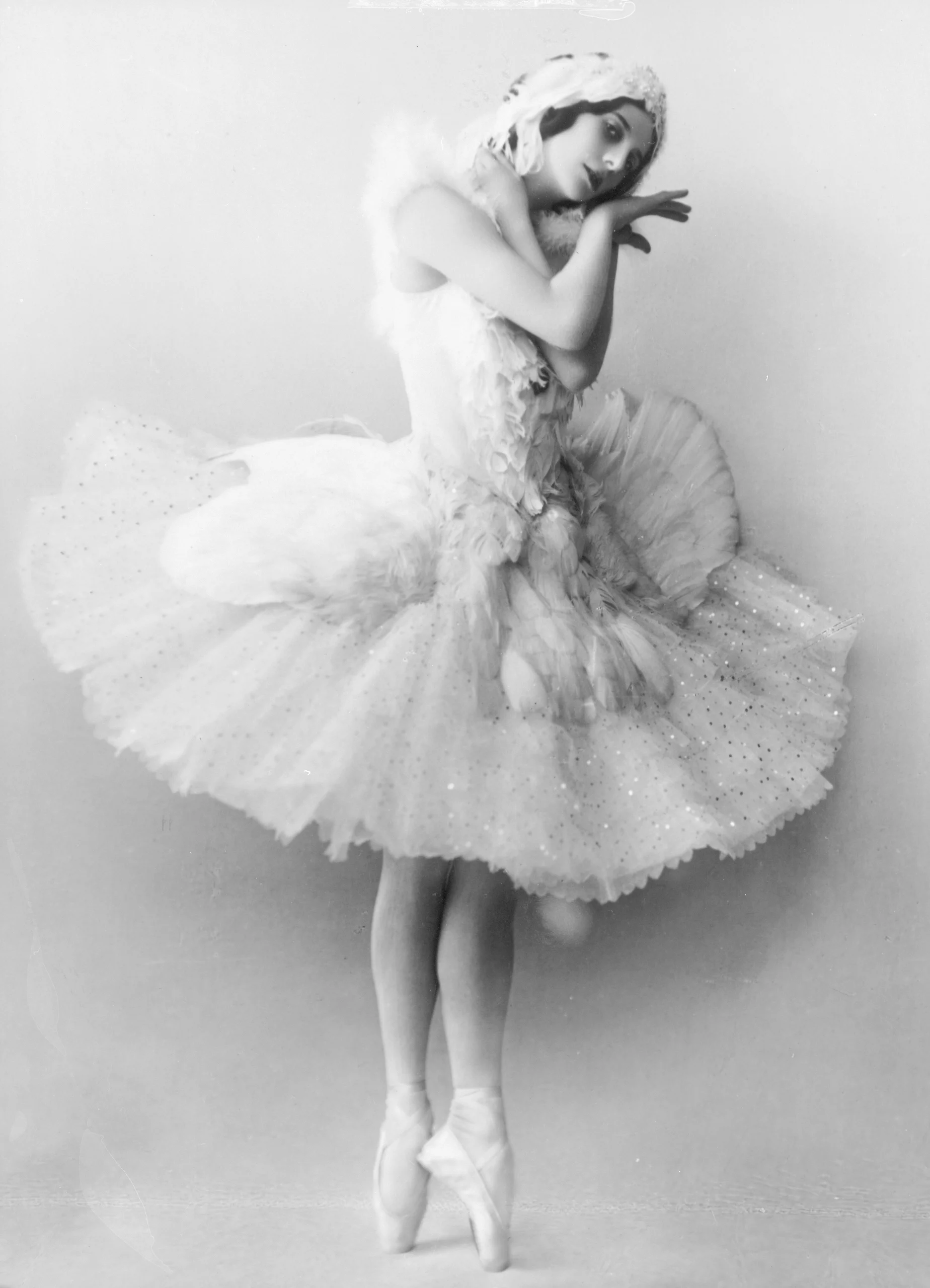
Anna Pavlova
 Russia
วันเกิด
February 12, 1881
ราศี
Aquarius
สถานที่เกิด
Saint Petersburg, Russia
อายุ
เสียชีวิตเมื่ออายุ 49 ปี
เกี่ยวกับ
อันนา พาฟโลวา เป็นนักเต้นบัลเลต์ชั้นนำชาวรัสเซีย ผู้ซึ่งศิลปะและการทัวร์คอนเสิร์ตทั่วโลกได้เปลี่ยนแปลงบัลเลต์ให้กลายเป็นศิลปะสำหรับมวลชน เธอเกิดที่เซนต์ปีเตอร์สเบิร์ก ก้าวขึ้นมาจากความยากจน กลายเป็นหนึ่งในนักเต้นที่มีชื่อเสียงที่สุดในศตวรรษที่ 20 บทบาทที่เป็นเอกลักษณ์ของเธอ คือ The Dying Swan การแสดงเดี่ยวสองนาทีที่ออกแบบท่าเต้นโดยมิคาอิล โฟกีน ในปี 1905 ยังคงเป็นเครื่องหมายสำคัญของบัลเลต์คลาสสิก เทคนิคอันประณีตและความเข้มข้นทางอารมณ์ของพาฟโลวา ดึงดูดผู้ชมทั่วโลก แม้กระทั่งทุกวันนี้ ชื่อของเธอก็ยังสื่อถึงความสง่างามและความทุ่มเท มูลนิธิอันนา พาฟโลวา และของหวานที่ตั้งชื่อตามเธอ ช่วยรักษาความทรงจำของเธอให้คงอยู่ อาชีพการงานของเธอครอบคลุมตั้งแต่ปี 1899 จนกระทั่งเธอเสียชีวิตในปี 1931 เธอได้กลายเป็นหนึ่งในนักเต้นที่มีชื่อเสียงและมีอิทธิพลมากที่สุดในประวัติศาสตร์ ซึ่งมีชื่อเสียงในด้านความสง่างาม ความเข้มข้นทางอารมณ์ และการทัวร์คอนเสิร์ตทั่วโลกที่นำบัลเลต์ไปสู่ผู้ชมทั่วโลก การแสดงของเธอมีลักษณะเด่นคือความสง่างามที่ได้รับการฝึกฝน การเคลื่อนไหวที่เปี่ยมด้วยบทกวี และความหรูหรา
ชีวิตช่วงต้นและภูมิหลัง
อันนา พาฟโลวา เกิดเมื่อวันที่ 12 กุมภาพันธ์ 1881 ที่เซนต์ปีเตอร์สเบิร์ก รัสเซีย มารดาของเธอ ลูโบฟ เฟโอโดรอฟนา ทำงานเป็นช่างซักรีด และบิดาของเธอ มัตเวย์ พาฟโลวิช พาฟลอฟ เป็นทหารกองหนุน ตัวตนของบิดาผู้ให้กำเนิดไม่แน่นอน มีการคาดเดาว่าอาจเป็นนายธนาคารชื่อ ลาซาร์ โปลยาคอฟ ในวัยเด็กที่เจ็บป่วย เธอมักจะอยู่กับย่าของเธอ เมื่ออายุแปดขวบ มารดาพาเธอไปชม The Sleeping Beauty ที่โรงละครมาริอินสกี และพาฟโลวาก็หลงใหลในทันที เธอประกาศว่าเธอจะเป็นนักบัลเลต์ สองปีต่อมา ในปี 1891 เธอได้รับการตอบรับเข้าเรียนที่โรงเรียนบัลเลต์จักรวรรดิแห่งเซนต์ปีเตอร์สเบิร์ก แม้จะมีรูปร่างผอมบาง เพื่อนร่วมชั้นล้อเลียนรูปร่างผอมบางและข้อเท้าที่อ่อนแอของเธอ แต่พาฟโลวาก็ฝึกฝนอย่างไม่ลดละ ครูของเธอ ได้แก่ คริสเตียน โจฮันส์สัน, พาเวล เกิร์ดท์ และเอนริโก เชคเคตติ ต่อมา เชคเคตติ กล่าวว่า "ฉันสามารถสอนทุกอย่างที่เกี่ยวข้องกับการเต้นรำได้ แต่พาฟโลวามีสิ่งที่พระเจ้าเท่านั้นที่สามารถสอนได้" เธอสำเร็จการศึกษาในปี 1899 และเข้าร่วมคณะบัลเลต์จักรวรรดิ
ความก้าวหน้าในอาชีพ
พาฟโลวาเปิดตัวกับคณะบัลเลต์จักรวรรดิด้วยการแสดง pas de trois ใน La Fille Mal Gardée และก้าวหน้าอย่างรวดเร็ว จุดเปลี่ยนสำคัญของเธอมาถึงในปี 1902 เมื่อเธอแสดงบทบาทนำของนิคิยาใน La Bayadère ซึ่งดึงดูดผู้ชมด้วยความเข้มข้นทางอารมณ์ ในปี 1905 มิคาอิล โฟกีน ได้ออกแบบท่าเต้น The Dying Swan สำหรับเธอ เป็นการแสดงเดี่ยวที่ใช้เพลงเชลโลของแซงต์-ซองส์ กลายเป็นบทบาทที่เป็นเอกลักษณ์ของเธอ แสดงนับพันครั้ง เธอได้รับการแต่งตั้งเป็นนักเต้นบัลเลต์ชั้นนำในปี 1906 ในปี 1909 เธอเข้าร่วมคณะ Ballets Russes ของเซอร์เกย์ ดิอาโกเลฟ ในปารีส แสดงบทบาทนำในผลงานของโฟกีน แต่เธอออกจากคณะเพื่อก่อตั้งบริษัทของตัวเองในปี 1911 โดยมีวิคเตอร์ ดันด์เร สามีของเธอเป็นผู้จัดการ เธอได้ออกทัวร์ทั่วโลกเป็นเวลาสองทศวรรษ เธอแสดงในอเมริกาใต้ อินเดีย เม็กซิโก ออสเตรเลีย และอีกหลายสิบประเทศ โดยมีเครดิตการแสดงมากกว่า 4,000 ครั้ง เธอยังออกแบบท่าเต้นในผลงานอย่าง Snowflakes (1915) และ Autumn Leaves (1918) และร่วมงานกับนักเต้นชาวอินเดีย อุทัย ชานการ์
ไทม์ไลน์อาชีพ
ภาพลักษณ์สาธารณะและสไตล์
พาฟโลวาเป็นนักบัลเลต์คนแรกที่ประสบความสำเร็จในระดับดารา การปรากฏตัวที่บอบบางราวกับวิญญาณบนเวทีของเธอ ตรงกันข้ามกับวินัยที่เข้มงวดในการฝึกฝนของเธอ ผู้ชมต่างหลงใหลในความเบาและความสามารถในการแสดงออกของเธอ นักวิจารณ์ต่างชื่นชม "บทกวีแห่งการเคลื่อนไหว" ของเธอ นอกเวที เธอเป็นที่รู้จักในด้านความเอื้อเฟื้อเผื่อแผ่และความอบอุ่น มักจะทำการแสดงฟรีเพื่อการกุศล เธอสร้างภาพลักษณ์ที่หรูหรา ชอบชุดผ้าไหมและขนสัตว์ การทัวร์คอนเสิร์ตของเธอหนักหน่วง บางครั้งเธอแสดงถึง 15 ครั้งต่อสัปดาห์ แต่เธอก็ไม่เคยบ่น แฟนๆ เรียกเธอว่า "พาฟโลวา" ความทุ่มเทของเธอเป็นแรงบันดาลใจให้นักเต้นรุ่นต่อๆ ไป และเธอยังคงเป็นสัญลักษณ์ของยุคทองของบัลเลต์ เธอเป็นที่รู้จักจากเท้าที่โดดเด่น อุ้งเท้าโก่งสูงและนิ้วเท้าที่เรียวเล็ก ซึ่งเธอเสริมด้วยรองเท้า pointe ที่แข็งแรงเป็นพิเศษ
ชื่อเสียงและแฟนด้อม
Anna Pavlova commands a global attention that transcends her era, maintaining a presence in cultural memory through the enduring reach of classical dance and historical documentation. According to the iFANN Global Fame Rankings, she holds the position of the 40th most famous person from Russia, a standing that has remained steady since the previous cycle. Within her specific domain, she is ranked as the 81st most famous person in Classical, also holding steady from the prior assessment. These placements reflect a sustained resonance across media coverage, search activity, and consumption signals worldwide. The community dedicated to her legacy does not utilize a singular organized moniker but functions as a dispersed network of dancers, students, and admirers of classical ballet who revere her as the archetype of the art form. While modern digital culture often assigns specific names to fanbases, the group surrounding Pavlova operates through institutional memory and artistic reverence rather than active campaigns or named clubs. Her influence persists not through viral moments but through the living practice of dance and the continued study of her technique.
เรื่องน่าสนใจและตำนาน
Anna Pavlova maintained a unique superstition regarding peacock feathers, which she believed brought bad luck, and relied on a special pair of shoes crafted by a Milanese cobbler that she would break in by hammering them. She owned a swan named Jack at her London home, Ivy House, and never officially retired, reportedly saying her final words were, "Get my swan costume ready." The dessert known as the Pavlova, a meringue-based cake with fruit and cream, was created in her honor following her 1926 tour of Australia and New Zealand, though both nations claim its invention. Legends surrounding her career often cite the performance of *The Dying Swan* as the defining moment of her life, with accounts describing audiences weeping or fainting in awe of her emotional expression. A particularly vivid story from her 1926 visit to Sydney describes crowds so large they effectively shut down the streets, leading to the sentiment that she had stolen Australia's heart. Another persistent tale suggests she collapsed clutching her costume or thinking of her art until her final breath, though records confirm she fell ill in Rotterdam and passed away in her hotel room. Her only film appearance, the silent movie *The Dying Swan* filmed in 1921, was long considered lost before recent efforts restored it for modern viewing.
คำพูดที่โดดเด่น
“I can teach everything connected with dancing, but Pavlova has that which can only be taught by God.”
“Get my swan costume ready.”
“To dance is to live.”
ครอบครัวและชีวิตส่วนตัว
มารดาของอันนา พาฟโลวา ลูโบฟ เฟโอโดรอฟนา ทำงานเป็นช่างซักรีดเพื่อเลี้ยงดูพวกเขา บิดาตามกฎหมายของเธอ มัตเวย์ พาฟโลวิช พาฟลอฟ เป็นทหารกองหนุน บิดาผู้ให้กำเนิดของเธออาจเป็นลาซาร์ โปลยาคอฟ นายธนาคารผู้มั่งคั่ง พาฟโลวาแต่งงานกับวิคเตอร์ ดันด์เร นักขุนนางชาวรัสเซียและอดีตสมาชิกสภาแห่งรัฐ ในปี 1914 ดันด์เรเป็นผู้จัดการด้านการเงินและการทัวร์ของเธอ พวกเขาไม่มีบุตร ทั้งคู่พักอาศัยอยู่ที่ Ivy House ในแฮมป์สเต็ด ลอนดอน ซึ่งพาฟโลวาปลูกสวนและเลี้ยงนกหลายชนิด รวมถึงหงส์ที่เธอรัก แจ็ค เธอยังมีสุนัขพันธุ์ดัชชุนด์ชื่อ แดนดี้
ความเชื่อมโยงที่โดดเด่น
พาฟโลวาแต่งงานกับวิคเตอร์ ดันด์เร ผู้จัดการทัวร์ของเธอ เธอทำงานอย่างใกล้ชิดกับมิคาอิล โฟกีน ผู้ออกแบบท่าเต้น ซึ่งสร้างสรรค์ The Dying Swan ให้เธอ เธอร่วมแสดงกับคณะ Ballets Russes ของเซอร์เกย์ ดิอาโกเลฟ เคียงข้างดาราอย่าง วาสลาฟ นิจินสกี ต่อมา เธอได้ร่วมงานกับนักเต้นชาวอินเดีย อุทัย ชานการ์ โดยนำองค์ประกอบการเต้นรำของอินเดียมาผสมผสานในรายการของเธอ ครูของเธอ ได้แก่ คริสเตียน โจฮันส์สัน, พาเวล เกิร์ดท์ และเอนริโก เชคเคตติ
ความสัมพันธ์และประวัติการคบหา
แอนนา พาฟโลวา แต่งงานกับวิกเตอร์ แดนเดร นักขุนนางชาวรัสเซียและอดีตสมาชิกสภาแห่งรัฐ ในปี 1914 แดนเดรเคยเป็นผู้จัดการและเพื่อนสนิทของเธอมาหลายปีก่อนหน้านี้ เขาเป็นผู้จัดทัวร์รอบโลกที่หนักหน่วงของเธอและจัดการเรื่องธุรกิจของเธอ มีรายงานว่าการแต่งงานเป็นการร่วมมือกันเพื่อความสะดวกสบายพอๆ กับความรัก แดนเดรเป็นระบบสนับสนุนของเธอ ไม่มีการบันทึกถึงความสัมพันธ์สาธารณะอื่นใด ในช่วงเวลาที่เธอเสียชีวิตในปี 1931 เธอยังคงแต่งงานกับแดนเดร
- แต่งงานแล้วVictor Dandré1914 - 1931แต่งงานในปี 1914; แดนเดรยังเป็นผู้จัดการและผู้จัดทัวร์ของเธอด้วย
การเสียชีวิตและผลที่ตามมา
เสียชีวิต
January 23, 1931 (อายุ 49 ปี)
สถานที่เสียชีวิต
The Hague, South Holland, Netherlands
สาเหตุการเสียชีวิต
Pleurisy
During the final months of 1930 and early 1931, Anna Pavlova continued her relentless global touring schedule, having recently completed a series of acclaimed performances in Australia and New Zealand before traveling to Europe. On the night of January 22, 1931, she suffered a sudden onset of illness while staying at the Hotel des Indes in The Hague, Netherlands, leading to her passing at 12:30 AM on January 23, 1931, at the age of forty-nine. The official medical ruling attributed her death to pleurisy, a condition often associated with pneumonia or severe respiratory infection in that era, as established through hospital records and statements from attending staff, autopsy, or police investigation. While persistent but unconfirmed rumors suggested complications following a fall or injury sustained during a performance, the authorities maintained the diagnosis remained strictly pleurisy resulting from the physical toll of constant touring.
Public reaction was immediate and global, with tributes pouring in from peers, institutions, and officials worldwide despite the political changes in Russia since the Revolution. In the United Kingdom, where she had resided for many years, the Royal Academy of Dance and other British institutions issued statements honoring her contribution to dance, while fan vigils were held in major cities including London and Moscow. Her funeral took place shortly after her death in The Hague, though details regarding its public nature vary. Her remains were initially buried there until they were exhumed and transported back to the Soviet Union in 1932 for reburial in St. Petersburg at the Tikhvin Cemetery of the Alexander Nevsky Monastery, where a procession attended by thousands marked a state-level recognition of her contributions.
Posthumously, Pavlova received numerous honors including being named a Prima Ballerina Assoluta, and her legacy was preserved through various foundations and scholarships created in her name. Several films about her life have been produced, and her only surviving film footage has been released on DVD and Blu-ray. Blue plaques were erected in locations she inhabited, such as Hampstead Heath in London, to commemorate her residence and influence.
มูลค่าทรัพย์สิน (มูลค่ามรดก)
$5 Million
การประเมินโดยทีมบรรณาธิการ iFANN
Anna Pavlova's estate at the time of her death in 1931 was modest by modern standards. She earned substantial sums from her extensive tours, but the costs of travel and maintaining her company were high. Her husband Victor Dandré managed her finances. After her death, Dandré sold Ivy House and other assets. The Anna Pavlova Foundation, established to preserve her legacy, generates some revenue from licensing. The dessert named after her also contributes to her enduring brand. However, unlike modern celebrities, Pavlova did not accumulate massive wealth; her true legacy is artistic. Per iFANN's editorial analysis, the total value attributed to her estate and enduring brand is $5 Million. Information regarding her precise net worth or estate value after her death is not available.
รางวัลและเกียรติยศ
View 3 records, honours and achievementsเป็นที่รู้จักจาก
The Dying Swan
1905 · Ballerina (creator of the role)
Giselle
· Ballerina
La Bayadère
1902 · Nikiya
The Sleeping Beauty
· Aurora
คำสำคัญ
แหล่งที่มา
ข้อมูลโดยย่อ
- อาชีพ
- ballet dancer, choreographer
- เกิด
- February 12, 1881
- สถานที่เกิด
- เซนต์ปีเตอร์สเบิร์ก, รัสเซีย
- เสียชีวิต
- January 23, 1931
- สถานที่เสียชีวิต
- The Hague, Netherlands
- เพศ
- หญิง
- คู่สมรส
- Victor Dandré
- ราศี
- Aquarius
ข้อมูลส่วนตัว
- ชื่อเต็ม
- Anna Matveyevna Pavlova
- คู่สมรส
- Victor Dandré
- การศึกษา
- Imperial Ballet School of Saint Petersburg
คำถามที่พบบ่อย
แอนนา พาฟโลวา คือใคร?
มูลค่าทรัพย์สินของแอนนา พาฟโลวา ในปี 2026 คือเท่าใด?
แอนนา พาฟโลวา เสียชีวิตอย่างไร?
แอนนา พาฟโลวา เป็นที่รู้จักมากที่สุดจากอะไร?
แอนนา พาฟโลวา เคยแต่งงานหรือไม่?
บุคคลที่คล้ายกัน
เข้าร่วมชุมชน
แฟนกำลังพูดคุย