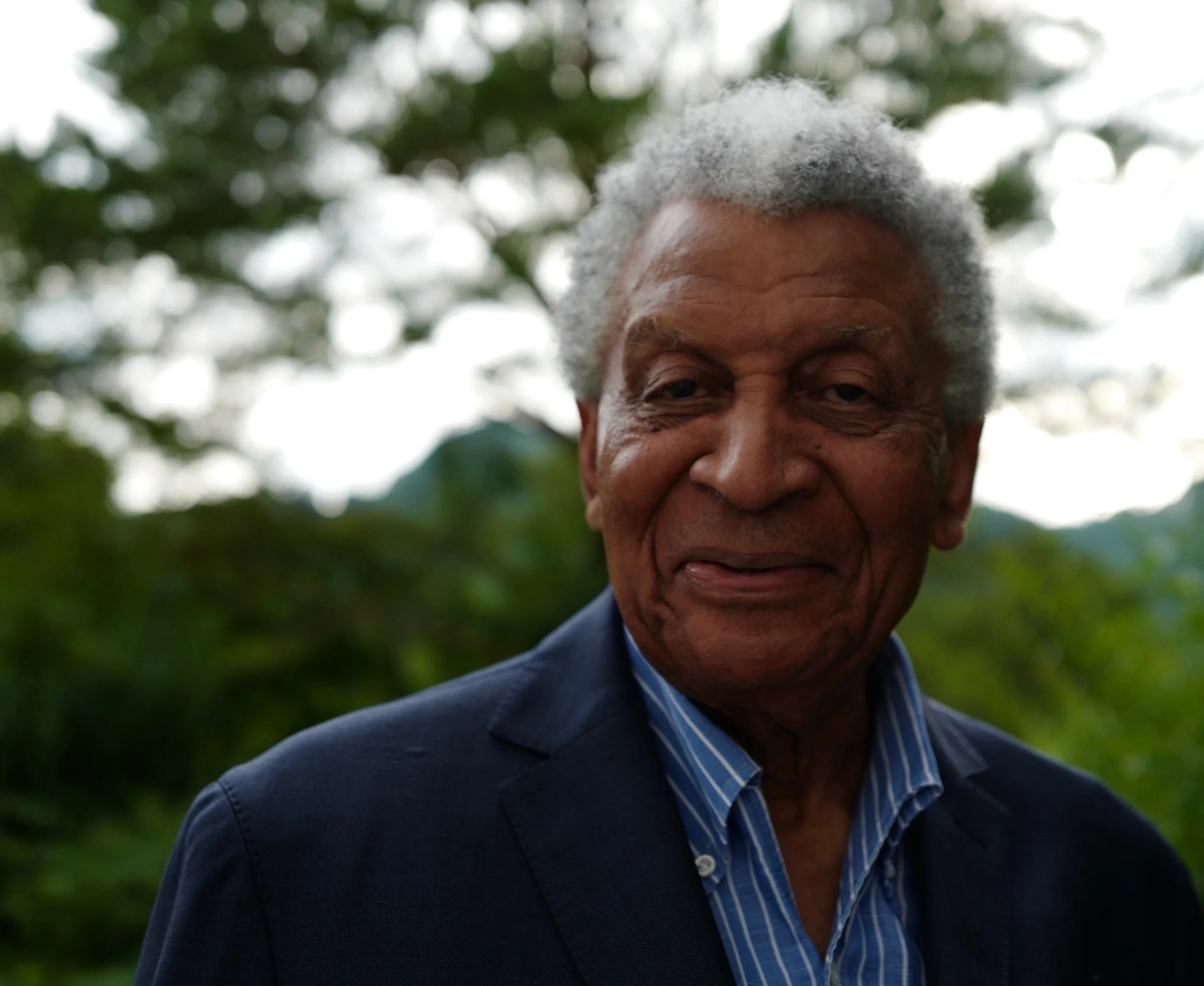
Abdullah Ibrahim
 South Africa
jazz musician•composer•pianist
Also known as: Dollar Brand, Adolph Johannes Brand
วันเกิด
October 9, 1934
ราศี
Libra
สถานที่เกิด
Cape Town, South Africa
อายุ
เสียชีวิตเมื่ออายุ 91 ปี
เกี่ยวกับ
Abdullah Ibrahim เป็นนักเปียโนและนักประพันธ์เพลงชาวแอฟริกาใต้ ผู้ซึ่งได้ปรับเปลี่ยนดนตรีแจ๊สผ่านการผสมผสานท่วงทำนองแอฟริกัน, กอสเปลของ AME Church, ราคะของอินเดีย และดนตรีคลาสสิกตะวันตก เขาเกิดในชื่อ Adolph Johannes Brand ที่เคปทาวน์ และได้รับความสนใจในระดับนานาชาติภายใต้ชื่อ Dollar Brand โดยได้ร่วมแสดงกับ Jazz Epistles ซึ่งเป็นวงแจ๊สของคนผิวดำวงแรกของแอฟริกาใต้ ก่อนจะย้ายไปซูริคในปี 1962 ที่นั่น Duke Ellington ได้ยินเขาและช่วยเปิดตัวอาชีพในระดับโลกของเขา
ดนตรีของ Ibrahim ซึ่งมักถูกอธิบายว่าเป็นหัวใจของเคปแจ๊ส มีลักษณะที่ไพเราะและสงบ ซึ่งสะท้อนถึงความเจ็บปวดจากการแบ่งแยกสีผิวและความยืดหยุ่นของผู้คนของเขา เขามีชื่อเสียงที่สุดจากบทประพันธ์ปี 1974 เรื่อง "Mannenberg" ซึ่งกลายเป็นเพลงชาติอย่างไม่เป็นทางการของการเคลื่อนไหวต่อต้านการแบ่งแยกสีผิว ตลอดชีวิตอันยาวนานของเขา เขาได้บันทึกเสียงอัลบั้มหลายสิบชุด ตั้งแต่งานเดี่ยวเปียโนอย่าง African Dawn ไปจนถึงการทำงานร่วมกับวงออเคสตรา และได้แสดงในสถานที่ที่มีชื่อเสียงทั่วโลก โดยได้ร่วมเวทีกับ Max Roach, Carlos Ward และ Randy Weston
Ibrahim อาศัยลี้ภัยในนิวยอร์กเป็นเวลานานในช่วงยุคการแบ่งแยกสีผิว และได้กลับมายังแอฟริกาใต้ในช่วงต้นทศวรรษ 1990 หลังจากการปล่อยตัว Nelson Mandela เขาเสียชีวิตในวันที่ 15 มิถุนายน 2026 ด้วยวัย 91 ปี ทิ้งมรดกอันล้ำค่าไว้ในฐานะนักประพันธ์เพลง, หัวหน้าวง และผู้เชื่อมโยงทางวัฒนธรรม เขาแต่งงานกับนักร้อง Sathima Bea Benjamin และลูกสาวของพวกเขา Jean Grae ได้กลายเป็นแร็ปเปอร์ที่ได้รับการยอมรับในวงการใต้ดินของนิวยอร์ก
ชีวิตช่วงต้นและภูมิหลัง
Adolph Johannes Brand เกิดเมื่อวันที่ 9 ตุลาคม 1934 ที่เคปทาวน์ แอฟริกาใต้ ในย่านท่าเรือที่มีความหลากหลายทางวัฒนธรรมของเมือง แม่ของเขาเข้าร่วมกิจกรรมใน African Methodist Episcopal Church ซึ่งเป็นที่ที่เขาได้สัมผัสกับดนตรีกอสเปลเป็นครั้งแรก และเขาได้ซึมซับเสียงเพลงที่หลากหลายของเมืองมาตั้งแต่เด็ก รวมถึงท่วงทำนองแอฟริกันดั้งเดิม, ราคะของอินเดีย และดนตรีคลาสสิกตะวันตก
เขาเริ่มแสดงอย่างมืออาชีพเมื่อเป็นวัยรุ่นภายใต้ชื่อ Dollar Brand ในปี 1959 เขาได้ร่วมก่อตั้ง Jazz Epistles ซึ่งเป็นวงแจ๊สของคนผิวดำวงแรกของแอฟริกาใต้ ร่วมกับนักแซกโซโฟน Kippie Moeketsi และนักทรัมเป็ต Hugh Masekela กลุ่มนี้ได้บันทึกอัลบั้มแจ๊สชุดแรกของนักดนตรีชาวแอฟริกาใต้ผิวดำ แต่ช่วงเวลาของพวกเขาร่วมกันนั้นสั้น
ในปี 1962 Ibrahim ได้ย้ายไปซูริค สวิตเซอร์แลนด์ เพื่อแสวงหาอิสรภาพทางศิลปะที่มากขึ้น ที่นั่น ในคลับแห่งหนึ่ง เขาได้ยินเสียงของ Duke Ellington ซึ่งตระหนักถึงพรสวรรค์ของเขาและจัดการบันทึกเสียงครั้งแรกของเขา ช่วยเปิดตัวอาชีพในระดับนานาชาติของเขา นี่เป็นจุดเปลี่ยนจากนักดนตรีท้องถิ่นที่มีแนวโน้มสู่บุคคลสำคัญในวงการแจ๊สระดับโลก
ความก้าวหน้าในอาชีพ
หลังจากได้พบกับ Duke Ellington ในปี 1962 อาชีพในระดับนานาชาติของ Ibrahim ก็ก้าวหน้า เขาได้บันทึกเสียงอัลบั้มหลายชุดภายใต้การอุปถัมภ์ของ Ellington และได้แสดงทั่วทั้งยุโรปและสหรัฐอเมริกา ร่วมงานกับนักดนตรีอย่าง Max Roach และ Randy Weston ในปี 1974 เขาได้บันทึกเสียง "Mannenberg" กับวงของเขา The Sun ซึ่งเป็นเพลงเปียโนที่สนุกสนาน ซึ่งกลายเป็นเพลงชาติของการเคลื่อนไหวต่อต้านการแบ่งแยกสีผิว ถูกเปิดในการชุมนุมและงานศพ
ตลอดช่วงทศวรรษ 1980 เขาได้ออกอัลบั้มและทัวร์คอนเสิร์ตต่อไป โดยอาศัยลี้ภัยในนิวยอร์ก หลังจาก Nelson Mandela ได้รับการปล่อยตัวในปี 1990 เขาก็ได้กลับมายังแอฟริกาใต้และได้แสดงในงานฉลองการเข้ารับตำแหน่งของ Mandela ในปี 1991 เขาได้รับการเสนอชื่อเข้าชิงรางวัลแกรมมี่สำหรับอัลบั้ม African Magic ในปี 2003 และในปี 2007 ได้รับรางวัล Order of Ikhamanga in Gold จากรัฐบาลแอฟริกาใต้ เขาได้บันทึกเสียงและแสดงต่อไปจนถึงวัยแปดสิบปี โดยได้ออกอัลบั้ม The Balance ในปี 2019
ไทม์ไลน์อาชีพ
ภาพลักษณ์สาธารณะและสไตล์
Ibrahim เป็นที่รู้จักจากการแสดงบนเวทีที่สงบและมีสมาธิ รวมถึงการผสมผสานดนตรีที่เป็นเอกลักษณ์ของเขาทั้งจากแอฟริกาและแจ๊ส เขามักจะแสดงเดี่ยวเปียโน สร้างบรรยากาศที่ใกล้ชิดที่ดึงดูดผู้ชม แฟน ๆ ชื่นชมการเชื่อมโยงอย่างลึกซึ้งของเขากับการต่อสู้กับการแบ่งแยกสีผิว และดนตรีของเขาเป็นแหล่งของความหวังและความยืดหยุ่น เขาไม่ได้ใช้งานโซเชียลมีเดีย โดยเลือกที่จะให้ดนตรีของเขาพูดแทนตัวเอง
ชื่อเสียงและแฟนด้อม
The meditative piano of Abdullah Ibrahim resonated long after the final note faded, cementing his status as a cultural titan whose influence transcended borders. In August 2026, he stands as the 43rd most famous person from South Africa, a ranking that has held steady against shifting tides in global attention. His artistry also secured him the position of the 92nd most famous person in Classical within the same cycle, reflecting the enduring reach of his unique synthesis of African melodies and Western forms. These placements within the iFANN Global Fame Rankings capture a legacy built on dignity rather than viral chaos. Unlike modern pop phenomena driven by organized mobs, Ibrahim's audience formed a quiet community of jazz enthusiasts and scholars who revered his work through attendance and study rather than social media campaigns. There is no formal name for his fanbase, nor any record of birthday billboards or streaming chart pushes; instead, his followers engaged with his music as a form of historical preservation and spiritual connection. The absence of chaotic rituals aligns with his life's trajectory, where reverence was shown through the deep listening required to understand his compositions. While contemporary stars might rely on fan-funded projects to maintain visibility, Ibrahim's impact remained institutionalized through honors like the NEA Jazz Masters Fellowship and tributes from institutions such as Jazz at Lincoln Center. His fans did not need to organize to keep his memory alive because his music itself served as the primary vehicle for his message of resilience. This lack of frenetic fandom only amplified the solemnity of his passing, leaving a void filled by the silence of a room waiting for the next melody.
เรื่องน่าสนใจและตำนาน
Ibrahim converted to Islam in 1968, swapping the name Dollar Brand for Abdullah Ibrahim, a decision that marked a profound reclamation of his identity. He viewed his music as a form of prayer and maintained a calm, meditative presence on stage, often performing solo to create an intimate atmosphere. A keen chess player and painter, he spent his spare time cultivating these creative outlets alongside his musical duties. Fans often recall his daughter Jean Grae joking that she learned to rhyme before walking, having absorbed her father's rhythms daily. Though the piano was his primary instrument, he also mastered the flute and cello, and he frequently wore a distinctive cap on stage as a nod to his heritage. His compositions have been sampled by hip-hop artists, leading him to famously declare that jazz is "the music of the people." Beyond these personal details, legends surround his life, including Nelson Mandela's designation of Ibrahim as South Africa's Mozart, a comparison that elevated him to national treasure status. Another defining moment occurred in 1968 when he changed his name in London, rejecting his colonial nickname to embrace his Islamic roots. Upon returning to South Africa in 1990 after years of exile, his homecoming became a symbolic victory for the nation, marking the end of the cultural boycott. His composition "Mannenberg" remains an unofficial anthem of the anti-apartheid struggle, evoking the spirit of the Cape Flats without ever causing physical reactions like fainting crowds, but rather inspiring deep meditation and respect.
คำพูดที่โดดเด่น
“Music is the weapon of the future.”
“We are the children of the soil, and the soil is our mother.”
ครอบครัวและชีวิตส่วนตัว
แม่ของ Ibrahim เข้าร่วมกิจกรรมใน AME Church ซึ่งเป็นที่ที่เขาได้ยินดนตรีกอสเปลเป็นครั้งแรก พ่อของเขาเป็นเจ้าของร้าน แต่ข้อมูลอื่น ๆ มีน้อย เขาแต่งงานกับนักร้อง Sathima Bea Benjamin ในปี 1965 และพวกเขาอยู่ด้วยกันจนกระทั่งเธอเสียชีวิตในปี 2013 ลูกสาวของพวกเขา Jean Grae เกิดในปี 1976 ได้กลายเป็นแร็ปเปอร์ที่ได้รับการยอมรับในวงการใต้ดินของนิวยอร์ก หลังจาก Benjamin เสียชีวิต Ibrahim ก็ใช้ชีวิตอย่างเงียบ ๆ และทรัพย์สินของเขาได้รับการจัดการโดยสมาชิกในครอบครัว
ความเชื่อมโยงที่โดดเด่น
Abdullah Ibrahim ได้ร่วมงานกับนักดนตรีแจ๊สชื่อดังหลายคน รวมถึง Duke Ellington ผู้เป็นที่ปรึกษาของเขา และ Max Roach ซึ่งเขาได้บันทึกเสียงร่วมกัน วงดนตรีของเขาประกอบด้วยนักแซกโซโฟน Carlos Ward และนักเปียโน Randy Weston และภรรยาของเขา Sathima Bea Benjamin ซึ่งเป็นคู่หูทางดนตรีที่บ่อยครั้ง ลูกสาวของเขา Jean Grae ก็ได้ร่วมงานกับเขาในโครงการปี 2014 ด้วยเช่นกัน
ความสัมพันธ์และประวัติการคบหา
Ibrahim แต่งงานกับนักร้อง Sathima Bea Benjamin เป็นเวลาเกือบห้าทศวรรษ ทั้งคู่พบกันที่ Cape Town ในช่วงปลายทศวรรษ 1950 และแต่งงานกันในปี 1965 ทั้งคู่ใช้ชีวิตลี้ภัยด้วยกัน และ Benjamin มักจะขึ้นแสดงร่วมกับเขา พวกเขามีลูกสาวหนึ่งคนคือ Jean Grae เกิดในปี 1976 Benjamin เสียชีวิตในปี 2013 และ Ibrahim ก็เป็นม่ายจนกระทั่งเขาเสียชีวิตในปี 2026 ไม่มีความสัมพันธ์โรแมนติกอื่นใดที่ถูกบันทึกไว้ในที่สาธารณะ
- แต่งงานแล้วSathima Bea Benjamin1965 - 2013พบกันที่ Cape Town ในช่วงปลายทศวรรษ 1950 แต่งงานกันเกือบห้าทศวรรษจนกระทั่งเธอเสียชีวิต
การเสียชีวิตและผลที่ตามมา
เสียชีวิต
June 15, 2026 (อายุ 91 ปี)
สถานที่เสียชีวิต
Germany
สาเหตุการเสียชีวิต
Brief illness (natural causes)
The Kennedy Center and major jazz institutions issued statements honoring an eight-decade career that had produced the unofficial anthem of South Africa's fight against apartheid, while streaming platforms saw a surge in activity for his catalog, particularly Mannenberg. Tributes from The New York Times, The Guardian, and NPR described Ibrahim as a quiet giant whose music reflected both the pain of apartheid and the resilience of his people. He passed away peacefully on June 15, 2026, at the age of 91, following a brief illness in Germany.
His partner Marina Umari released an official statement confirming he died surrounded by loved ones in a private setting, though it remained unclear whether his remains were transported to South Africa for interment or buried locally. Specific details regarding funeral arrangements or notable attendees were not disclosed, likely kept private by the family. Retrospective articles from The Conversation and Syncopated Times analyzed his legacy immediately after the announcement, yet no specific posthumous album releases or hall-of-fame inductions were confirmed for the immediate weeks following his death.
มูลค่าทรัพย์สิน (มูลค่ามรดก)
Not publicly documented
การประเมินโดยทีมบรรณาธิการ iFANN
iFANN currently estimates Abdullah Ibrahim's net worth at the time of his death in 2026 as Not publicly documented, as no credible financial outlet has published a specific figure. His wealth accumulated primarily through album sales, royalties from his extensive catalogue, including the enduring "Mannenberg," live performance fees, and composition licensing. He continued to tour and release music into his later years, with The Balance (2019) among his final works. His estate is managed by family members, though no public details on its value or revenue streams have been released. Given his long career and international acclaim, his estate likely holds significant value from royalties and licensing, but specific figures remain undisclosed.
รางวัลที่ได้รับ (4)
Ibrahim ได้รับเครื่องราชอิสริยาภรณ์ Order of Ikhamanga ระดับ Gold จากรัฐบาลแอฟริกาใต้ในปี 2007 และปริญญาดุษฎีบัณฑิตกิตติมศักดิ์จาก University of Cape Town ในปี 2009 เขาได้รับการบรรจุชื่อเข้าสู่ South African Hall of Fame สำหรับดนตรีแจ๊ส และได้รับดาวบน Cape Town Walk of Fame เขาได้รับการเสนอชื่อเข้าชิงรางวัล Grammy สาขา African Magic ในปี 2003 แต่ไม่ได้รับรางวัล
2007 · เกียรติยศแห่งชาติ
Lifetime achievement in music
2009 · ปริญญากิตติมศักดิ์
University of Cape Town
เป็นที่รู้จักจาก
Mannenberg
1974 · Composer and pianist
African Magic
2002 · อัลบั้ม
The Balance
2019 · อัลบั้ม
คำสำคัญ
แหล่งที่มา
ข้อมูลโดยย่อ
- อาชีพ
- jazz musician, composer, pianist
- เกิด
- October 9, 1934
- สถานที่เกิด
- เคปทาวน์, แอฟริกาใต้
- เสียชีวิต
- June 15, 2026
- สถานที่เสียชีวิต
- Prien am Chiemsee, Germany
- เพศ
- ชาย
- คู่สมรส
- Sathima Bea Benjamin
- ราศี
- Libra
ข้อมูลส่วนตัว
- ชื่อเต็ม
- Adolph Johannes Brand
- คู่สมรส
- Sathima Bea Benjamin
- บุตร
- Jean Grae
คำถามที่พบบ่อย
ชื่อจริงของ Abdullah Ibrahim คืออะไร?
เพลงที่โด่งดังที่สุดของ Abdullah Ibrahim คือเพลงอะไร?
Abdullah Ibrahim เสียชีวิตอย่างไร?
ภรรยาของ Abdullah Ibrahim คือใคร?
มูลค่าทรัพย์สินของ Abdullah Ibrahim คือเท่าไหร่?
บุคคลที่คล้ายกัน
เข้าร่วมชุมชน
แฟนกำลังพูดคุย