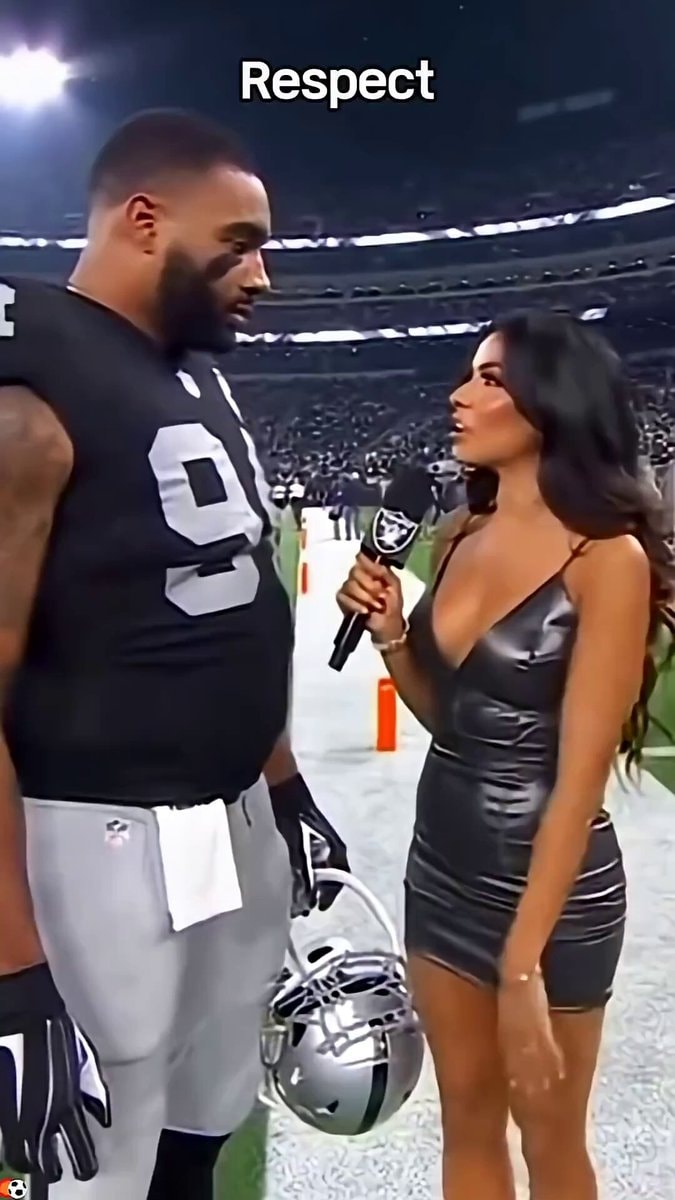
Raiders 99 Respect interview
Elite athletic reflexes are not simply a matter of innate talent or random luck. They emerge from a complex integration of biological wiring, intentional practice, and a fundamental choice to shield another person. The human body operates at incredible speeds during these moments. Visual data reaches the brain in approximately 100 to 150 milliseconds. A motor command then follows within another 50 to 100 milliseconds. For the average person, the total response time sits close to a quarter of a second. Top-tier athletes drastically reduce this interval. They do not stand still waiting for an object to arrive. Their nervous systems initiate movement the instant a trajectory becomes visible. This mechanism allows a player to turn away and still secure a screaming foul ball. It enables a reporter to lift a hand quickly enough to guard a colleague’s head. Thousands of hours of repetition reshape both neural pathways and physical structure. Mirror neurons activate throughout this training process. Muscle memory shifts into an automatic state. The athlete’s internal system begins to perceive the space surrounding others as an extension of their own body. Safeguarding a face or head becomes the primary default, taking precedence even over self-preservation. The body is effectively programmed to prioritize safety for anyone standing nearby. Yet the most critical component remains unseen. These competitors have been struck by projectiles in practice more times than they can recall. They have witnessed teammates and media personnel suffer injuries when someone was merely a fraction of a second too slow. Consequently, when a critical situation arises, the internal calculation changes. The focus moves away from "catch the ball" and toward "do not let this person get hurt." In that split second, competitive drive recedes while human care assumes control. This distinction separates technical speed from genuine greatness. Any individual can train to have faster hands. Far fewer people dedicate effort to the deeper layer of making the protection of others an automatic response. The practical lesson is straightforward. Develop reactions until they feel effortless. Then construct an additional layer ensuring those effortless actions prioritize the people around you. Whether in sports, traffic, the workplace, or at home, the highest expression of skill is not moving quickly for your own benefit. It is moving quickly for someone else.