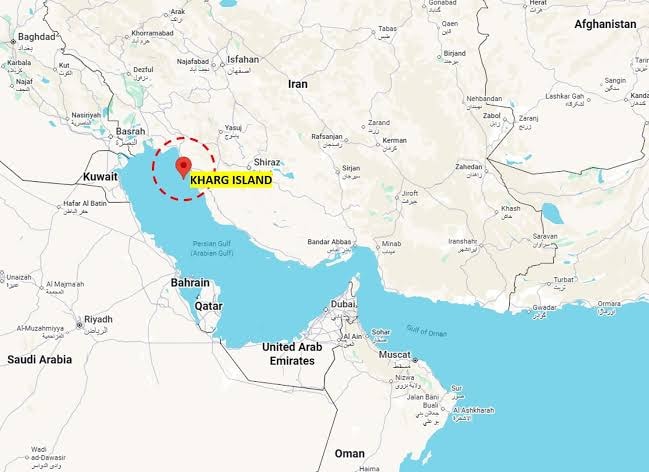
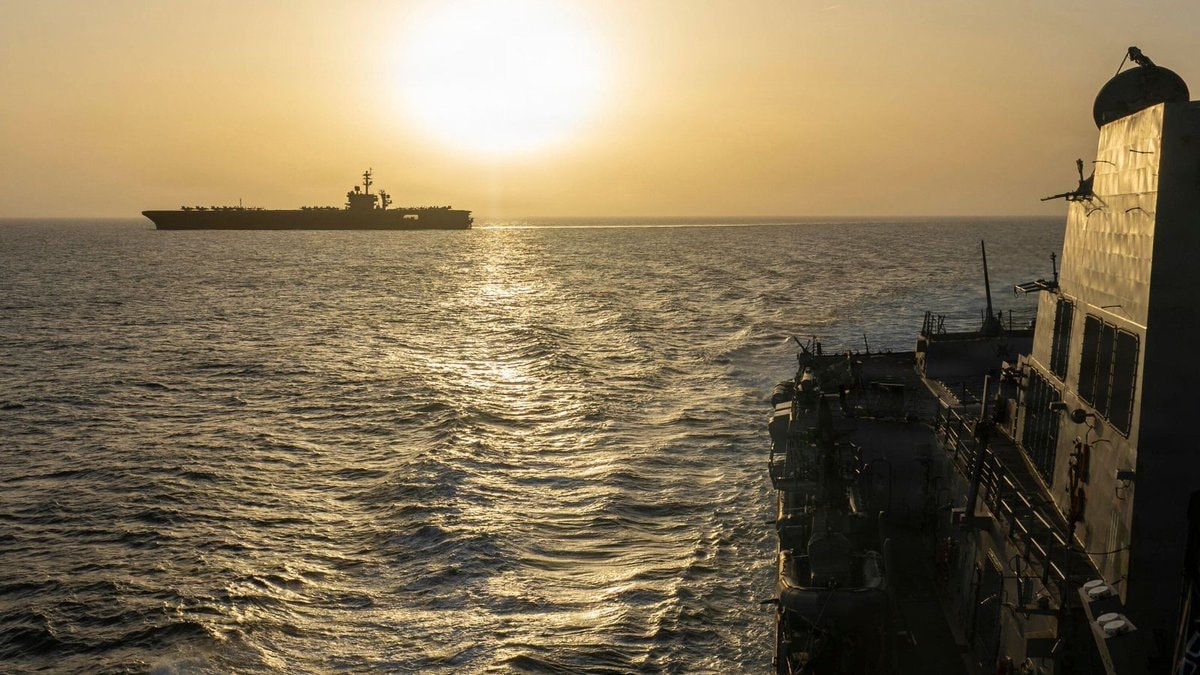
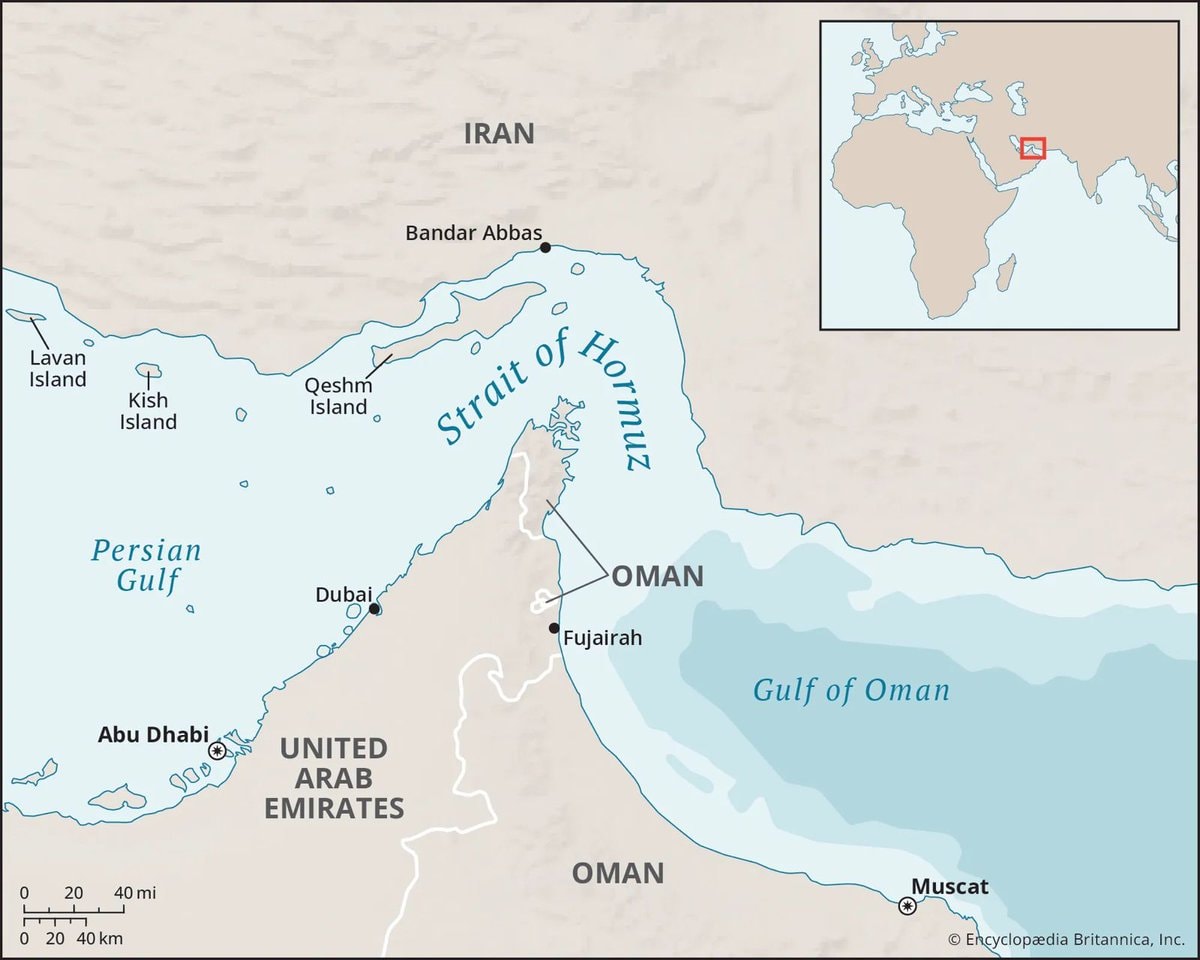
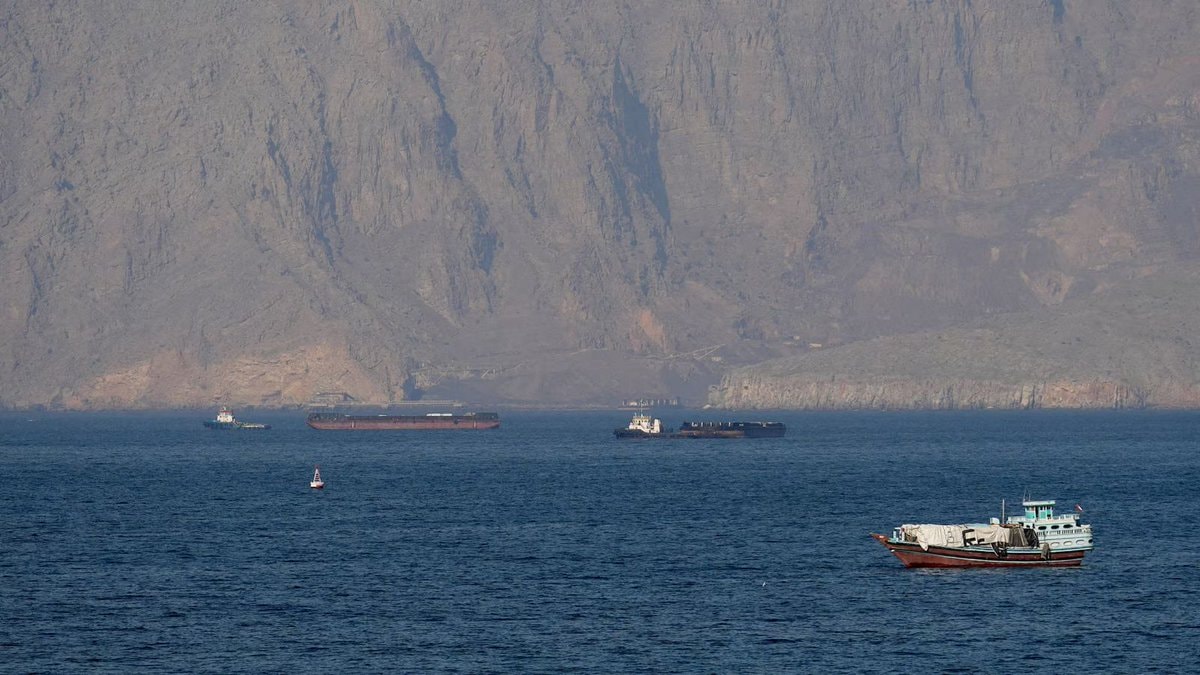
@jolyonA tanker needs roughly seven hours to get through the Strait of Hormuz, and the U.S. military now wants that trip to start inside one of two daily slots. Sometimes the first one lands around 9am. That is a shift from May, when the escort operation began and ships were free to move across wide overnight stretches. Iran has been hitting vessels in the dark more often, so the wide stretches are out. Nothing about the new times is compulsory. What they represent is a window where U.S. military cover is at its heaviest, which is the reason to take them seriously. The cost side explains the squeeze. Advanced U.S. aircraft run up to $75,000 per hour to keep flying, and a single crossing eats most of a day. Spreading planes over an entire night covers a lot of water and not much else. Packing them into tighter slots means fewer ships get simultaneous protection, but the protection on offer is denser. So the escort mission that runs past Oman keeps working on the same bargain: choose the safest hours, and put the most force there. Source: FT / Writer: Daniyal
ดูโพสต์ต้นฉบับ