iFANN
    ค้นหาใน iFANN...
    เข้าสู่ระบบ
    หน้าแรก
    ข่าว
    วิดีโอ
    รูปภาพ
    GIF
    สำรวจ
    โพล
    รางวัล
    iFAMOUS
    วิกิ
    อนิเมะ
    ห้อง
    การแจ้งเตือน
    ข้อความ
    ที่บันทึกไว้
    โปรไฟล์
    วิกิรางวัลiFAMOUSอันดับอุตสาหกรรมรางวัลครีเอเตอร์รางวัลผู้ใช้ข้อกำหนดความเป็นส่วนตัวหลักเกณฑ์ชุมชนแจ้งลบ / DMCAช่วยเหลือนักพัฒนา

    © 2026 iFANN

    หน้าแรก
    ค้นหา
    ข้อความ
    การแจ้งเตือน
    โปรไฟล์
    รูปภาพ
    Vojtech
    Vojtech@vojtech3w
    ⭐Andrej Karpathy🏛️Stanford University📱Kimi K3
    Karpathy Stanford AI engineering lecture

    @vojtechSkip the Netflix episode and dive into Karpathy’s one-hour Stanford lecture on AI engineering. It is a solid weekend bookmark. He breaks down the reality: an LLM only delivers 10%, which is merely the starting point rather than the final product. Prompting can push that metric to 30%, but that is where most developers halt their progress. The real work involves agents, loops, and systems to bridge the gap. The graph represents the full 100% required for things to actually survive production. Most engineers obsess over the 10% (the model) and the 30% (the prompt). Karpathy dedicates the session to the remaining 70%. Afterward, check out my Kimi K3 guide, From Loops to Graphs, to see how I implemented these concepts.

    ดูโพสต์ต้นฉบับ
    Karpathy Stanford AI engineering lecture

    รูปภาพโดย @vojtech· Aug 26, 2026· Andrej Karpathy

    เกี่ยวกับรูปนี้

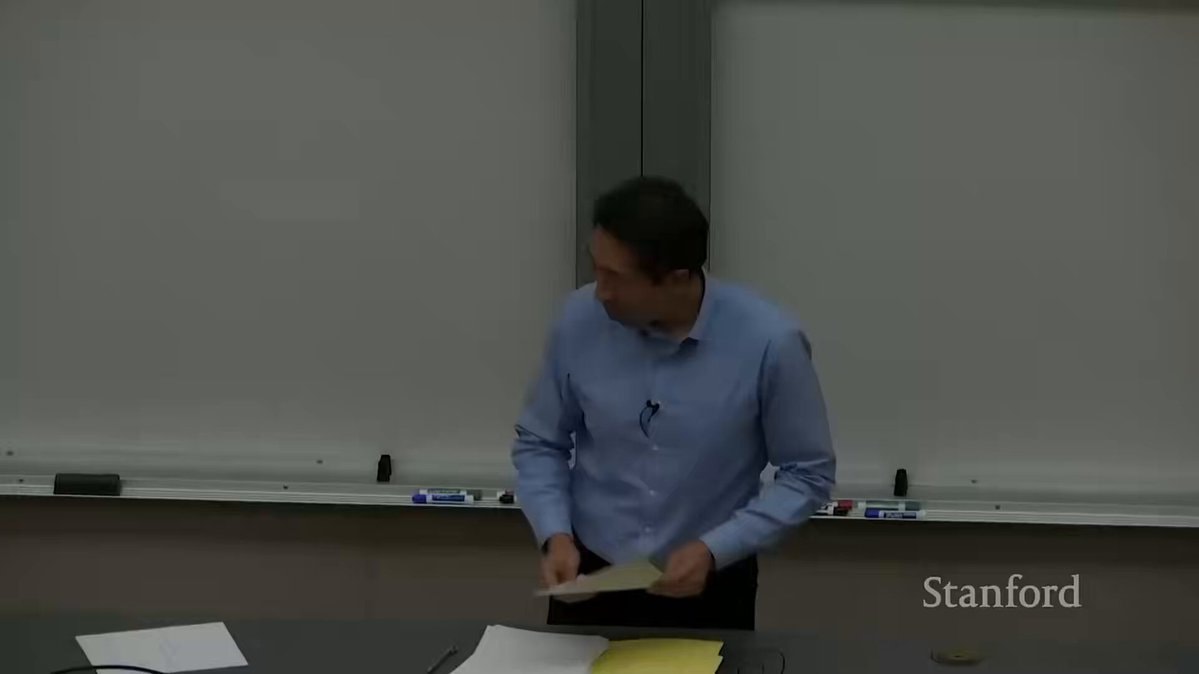
    A man is speaking into a microphone in a lecture hall setting. He is wearing a blue hoodie and a watch. The mood is academic and informative. A Stanford logo is visible in the lower right corner. The on-screen text reads "I was here as a PhD student at Stanford Stanford".

    ดูรูปภาพ Andrej Karpathy ทั้งหมดอ่านวิกิ Andrej Karpathy

    ?

    ยังไม่มีความคิดเห็น มาเป็นคนแรกกันเถอะ!

    รูปภาพ Andrej Karpathy เพิ่มเติม

    ดูรูปภาพ Andrej Karpathy ทั้งหมด
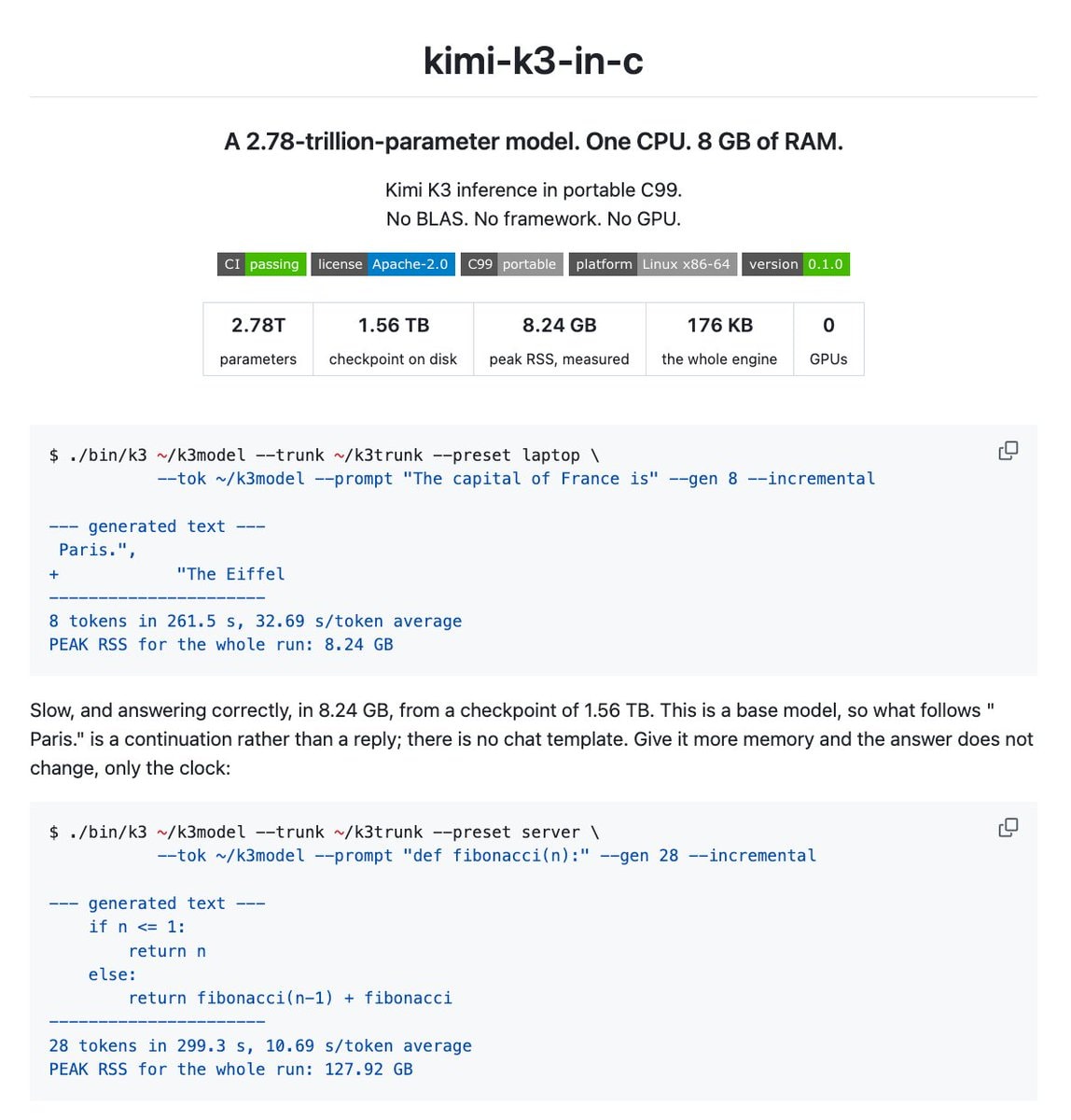
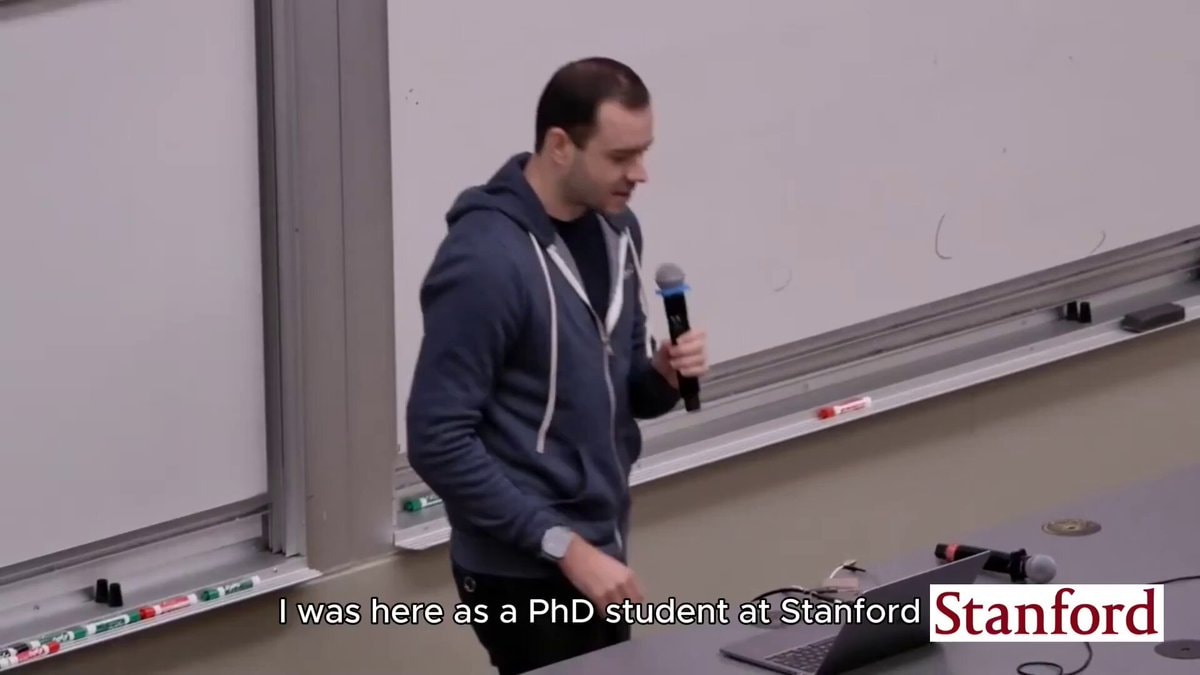
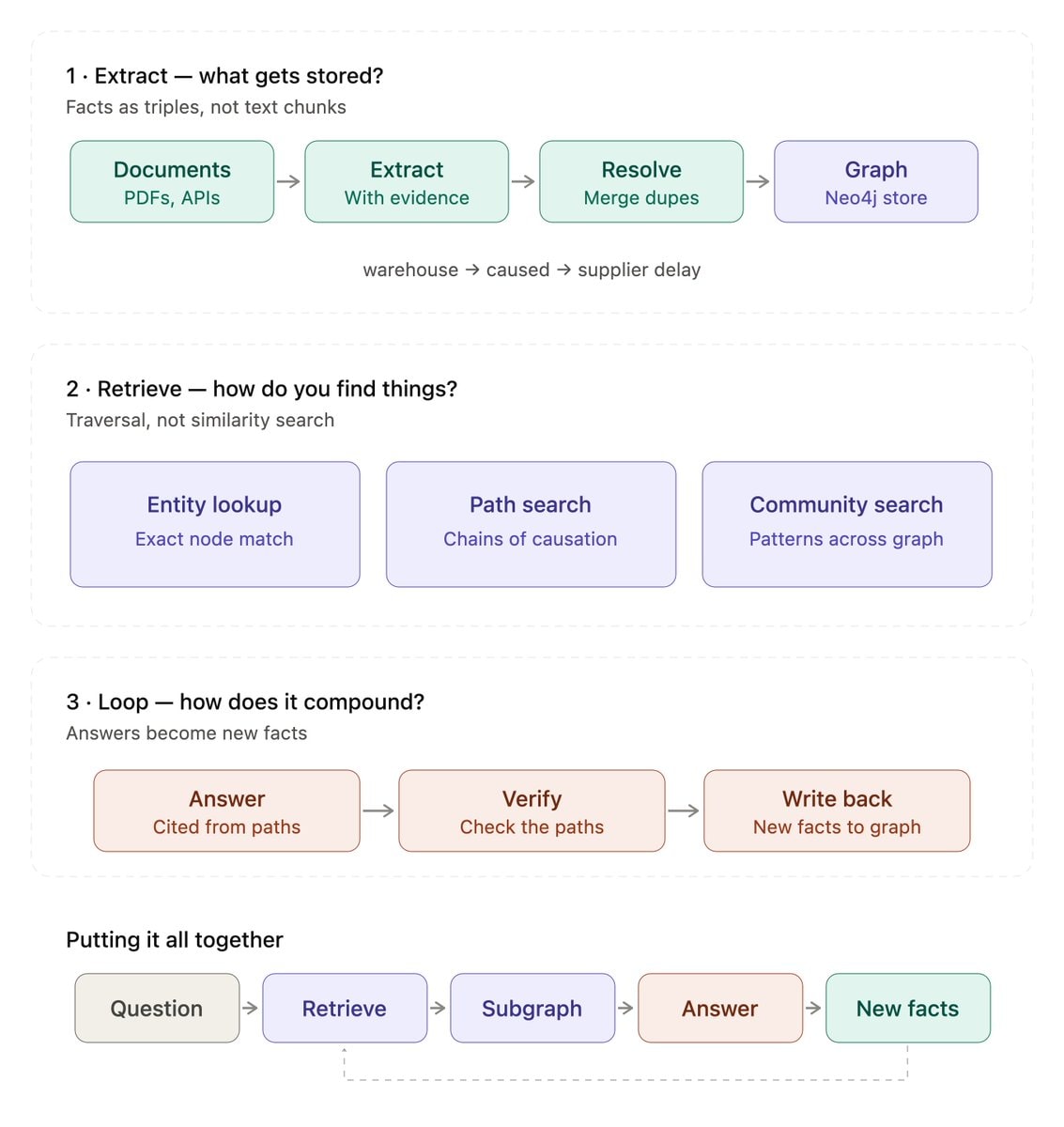
    Andrew Ng Stanford AI Engineering LectureAndrew Ng Stanford AI Engineering LectureLoop vs graph agents explainedLoop vs graph agents explainedGoogle free graph engineering courseGoogle free graph engineering courseKimi K3 on a single CPU 8 GB RAMKimi K3 on a single CPU 8 GB RAM
    รูปภาพ
    Vojtech
    Vojtech@vojtech3w
    ⭐Andrej Karpathy🏛️Stanford University📱Kimi K3
    Karpathy Stanford AI engineering lecture

    @vojtechSkip the Netflix episode and dive into Karpathy’s one-hour Stanford lecture on AI engineering. It is a solid weekend bookmark. He breaks down the reality: an LLM only delivers 10%, which is merely the starting point rather than the final product. Prompting can push that metric to 30%, but that is where most developers halt their progress. The real work involves agents, loops, and systems to bridge the gap. The graph represents the full 100% required for things to actually survive production. Most engineers obsess over the 10% (the model) and the 30% (the prompt). Karpathy dedicates the session to the remaining 70%. Afterward, check out my Kimi K3 guide, From Loops to Graphs, to see how I implemented these concepts.

    ดูโพสต์ต้นฉบับ
    Karpathy Stanford AI engineering lecture

    รูปภาพโดย @vojtech· Aug 26, 2026· Andrej Karpathy

    เกี่ยวกับรูปนี้

    A man is speaking into a microphone in a lecture hall setting. He is wearing a blue hoodie and a watch. The mood is academic and informative. A Stanford logo is visible in the lower right corner. The on-screen text reads "I was here as a PhD student at Stanford Stanford".

    ดูรูปภาพ Andrej Karpathy ทั้งหมดอ่านวิกิ Andrej Karpathy

    ?

    ยังไม่มีความคิดเห็น มาเป็นคนแรกกันเถอะ!

    รูปภาพ Andrej Karpathy เพิ่มเติม

    ดูรูปภาพ Andrej Karpathy ทั้งหมด
    Andrew Ng Stanford AI Engineering LectureAndrew Ng Stanford AI Engineering LectureLoop vs graph agents explainedLoop vs graph agents explainedGoogle free graph engineering courseGoogle free graph engineering courseKimi K3 on a single CPU 8 GB RAMKimi K3 on a single CPU 8 GB RAM